Imagine having a pet that could outlive you—and perhaps even your children. That's the reality for many turtle owners. Turtles are famous for their incredible longevity, but the answer to “how long do turtles live?” isn't one-size-fits-all. From the tiny musk turtle to the massive Galápagos tortoise, lifespans vary wildly depending on species, environment, and care. In this complete lifespan guide, we'll dive into the science behind turtle aging, reveal average lifespans for popular species, and share expert tips to maximize your shelled friend's years.
Why Do Turtles Live So Long?
Turtles have fascinated biologists for decades because of their exceptional longevity. Unlike mammals, turtles possess a unique combination of slow metabolism, robust DNA repair mechanisms, and low rates of cellular aging. Their shells also provide excellent protection from predators, reducing early mortality. In the wild, turtles that survive the vulnerable hatchling stage often enjoy remarkably long lives. Research published in the journal Science suggests that turtles have evolved specific genes linked to immune function and tumor suppression, which may slow the aging process. For example, the giant tortoise can live over 150 years, making it one of the longest-living vertebrates on the planet.
Average Lifespan by Turtle Species
Not all turtles are created equal when it comes to lifespan. Here's a breakdown of common pet and wild species, based on data from herpetological studies and captive care records.
- Red-eared slider – 20 to 30 years in captivity, up to 40 with excellent care
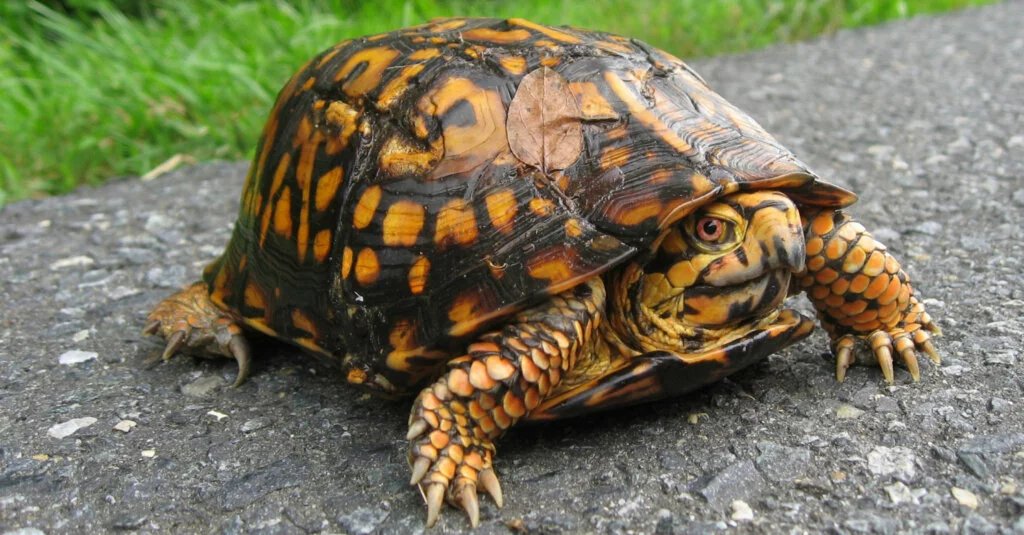
- Box turtle – 30 to 50 years; some individuals have reached 100
- Russian tortoise – 40 to 60 years
- Greek tortoise – 50 to 80 years
- Musk turtle – 15 to 25 years
- Sea turtles (e.g., green sea turtle) – 50 to 80 years in the wild
- Giant tortoises (Aldabra, Galápagos) – 100 to 150+ years
- Snapping turtle – 30 to 50 years in the wild; up to 70 in captivity
Remember, these are averages. With optimal care, many pet turtles can exceed these numbers significantly.
Factors That Affect Turtle Lifespan
A turtle's life expectancy isn't set in stone. Several key factors determine whether your turtle lives a short or exceptionally long life.
Diet and Nutrition
A balanced diet is critical. In the wild, turtles eat a varied mix of plants, insects, and small prey. In captivity, many owners unknowingly shorten their turtle's life by feeding inappropriate foods. Too much protein can cause shell deformities and kidney damage, while a lack of calcium leads to metabolic bone disease. Always research your species' specific dietary needs—for example, herbivorous tortoises require high-fiber greens, while aquatic turtles need a mix of pellets, vegetables, and occasional feeder fish.
Habitat and Environment
Temperature, humidity, and space directly impact health. Aquatic turtles need clean, filtered water and a basking area with both UVA and UVB lighting. UVB light is essential for vitamin D synthesis and calcium absorption. Tortoises require a dry, warm enclosure with a substrate that allows digging. Poor habitat conditions cause stress, infections, and premature death.
Veterinary Care
Regular checkups with a reptile veterinarian can catch hidden issues like respiratory infections, parasites, or shell rot early. Many turtle owners neglect vet visits, assuming their pet is fine until symptoms appear. By then, it's often too late. Annual fecal exams and blood work are recommended for older turtles.
Genetics and Species
Some species are simply programmed for longer lives. For instance, giant tortoises have a naturally slow aging rate, while smaller species like the spotted turtle rarely exceed 30 years. Genetics also influence susceptibility to diseases like herpesvirus in tortoises.
Stress and Handling
Excessive handling can stress turtles, leading to a weakened immune system. Turtles are not social animals and prefer minimal interaction. Provide hiding spots in their enclosure and limit handling to necessary health checks.
How to Help Your Turtle Live Longer
Want your shelled companion to reach a ripe old age? Follow these expert-backed guidelines.
- Provide a species-appropriate diet – Research exactly what your turtle eats in the wild and replicate it as closely as possible.
- Set up proper lighting and heating – Use UVB bulbs (replace every 6 months) and maintain a temperature gradient so your turtle can thermoregulate.
- Keep their environment clean – For aquatic turtles, change 25–50% of the water weekly and use a strong filter. For tortoises, spot-clean daily and change substrate regularly.
- Offer a large enclosure – A cramped tank stunts growth and increases stress. As a rule, provide 10 gallons of water per inch of shell length for aquatic species.
- Allow for brumation (if applicable) – Some temperate species, like box turtles, need a cool winter dormancy period. Consult a vet before attempting brumation.
- Monitor for signs of illness – Watch for runny eyes, wheezing, shell softness, or reduced appetite. Early intervention saves lives.
- Keep records – Track weight, feeding habits, and shedding patterns to spot changes quickly.
Common Myths About Turtle Lifespan
Let's bust a few popular misconceptions.
Myth 1: “Turtles live as long as humans.” While some giant tortoises do, most pet turtles live 20–50 years—still a long commitment, but not a century.
Myth 2: “A turtle will only grow as big as its tank.” This is false. Stunting a turtle by keeping it in a small enclosure causes organ damage and early death, not size control.
Myth 3: “Turtles are low-maintenance pets.” Actually, they require specialized lighting, heating, filtration, and diet. Many live shorter lives due to improper care.
Myth 4: “All turtles can live 100 years.” Only a handful of species, like certain tortoises and sea turtles, reach that milestone. Always research before adopting.
The Oldest Turtles Ever Recorded
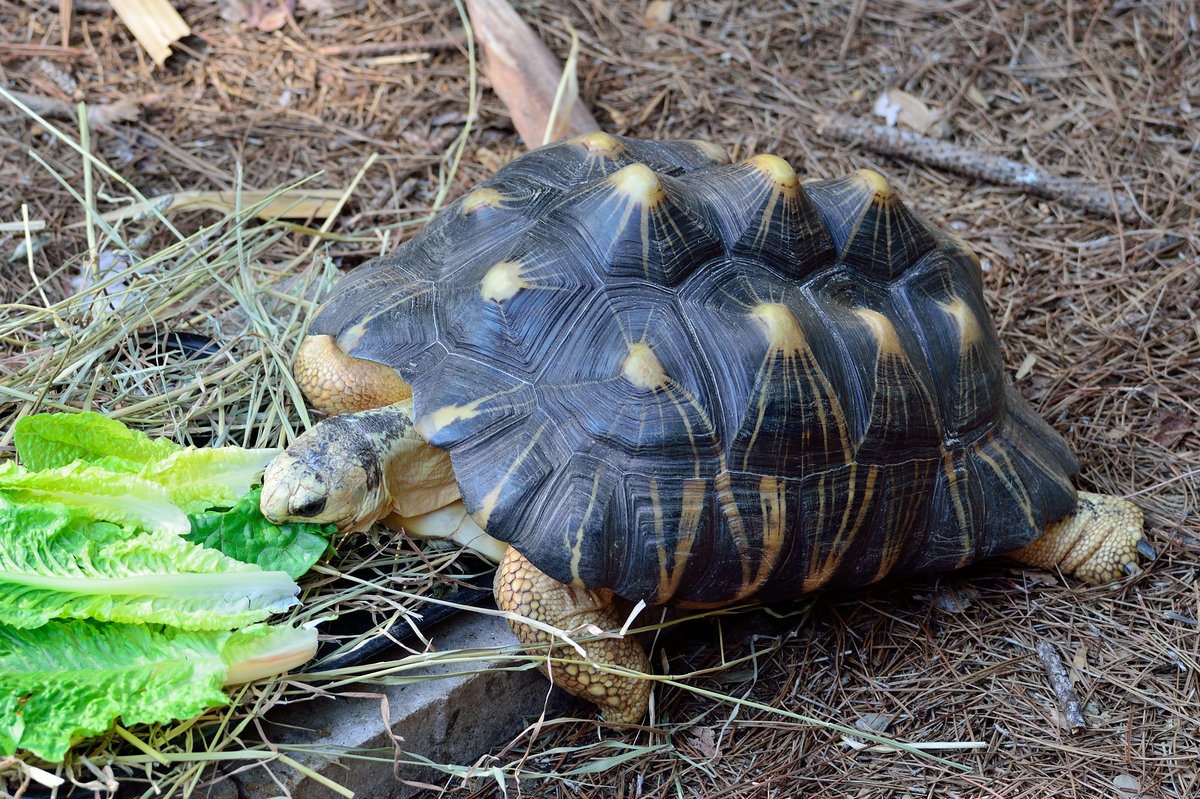
To truly appreciate turtle longevity, look at the record holders. The most famous is Jonathan, a Seychelles giant tortoise living on the island of Saint Helena. Born around 1832, Jonathan is over 190 years old as of 2025, making him the oldest known living terrestrial animal. Another notable is Tu'i Malila, a radiated tortoise gifted to the Tongan royal family, who lived to at least 188 years. Among sea turtles, the oldest documented green sea turtle reached 80 years in the wild. These examples show that with the right conditions, turtles can achieve extraordinary lifespans.
Final Thoughts: A Lifelong Commitment
Understanding how long turtles live is the first step toward responsible ownership. Whether you're considering a red-eared slider or a leopard tortoise, be prepared for a companion that may outlast your career, your home, and even your own lifetime. Turtles are not disposable pets—they are living legacies. By providing proper care, you can ensure your turtle thrives for decades, becoming a cherished part of your family's story. Do your research, consult experts, and never stop learning. Your turtle's long life depends on it.