- What are toxic plants for horses?
- Toxic plants for horses in Canada
- Toxic plants for horses in Florida
- Toxic plants for horses in California
- Toxic plants for horses in Michigan
- Toxic plants for horses in Alberta
- Toxic plants for horses in Texas
- Toxic plants for horses in the UK
- ❓ Frequently Asked Questions
- 💬 What are the most common toxic plants for horses?
- 💬 How can I identify toxic plants in my horse's pasture?
- 💬 What symptoms should I watch for if I suspect my horse has eaten a toxic plant?
horses">What are toxic plants for horses?
1. Oleander Oleander is a beautiful but deadly plant that is often found in horse pastures. All parts of the plant are toxic to horses, and ingestion can lead to serious health problems or death. Symptoms of oleander toxicity include colic, diarrhea, sweating, incoordination, and irregular heartbeat. 2. Rhododendron Rhododendron is another common horse pasture plant that is poisonous to horses. Ingestion of the plant can cause gastrointestinal irritation, sweating, increased heart rate, and difficulty breathing. In severe cases, it can lead to coma and death. 3. Yew Yew is a common ornamental plant that is also toxic to horses. All parts of the plant are poisonous, and ingestion can cause gastrointestinal upset, colic, incoordination, and tremors. In severe cases, it can lead to cardiac arrest and death.
Toxic plants for horses in Australia
Several toxic plants can be harmful to horses if they consume them. Some of the most common toxic plants in Australia include: -Bracken fern -Blue-green algae -Coastal plants such as Jack Beach and Redweed -Eucalyptus trees -Gum trees -Lantana -Oleander -Privet -Ragwort -Yew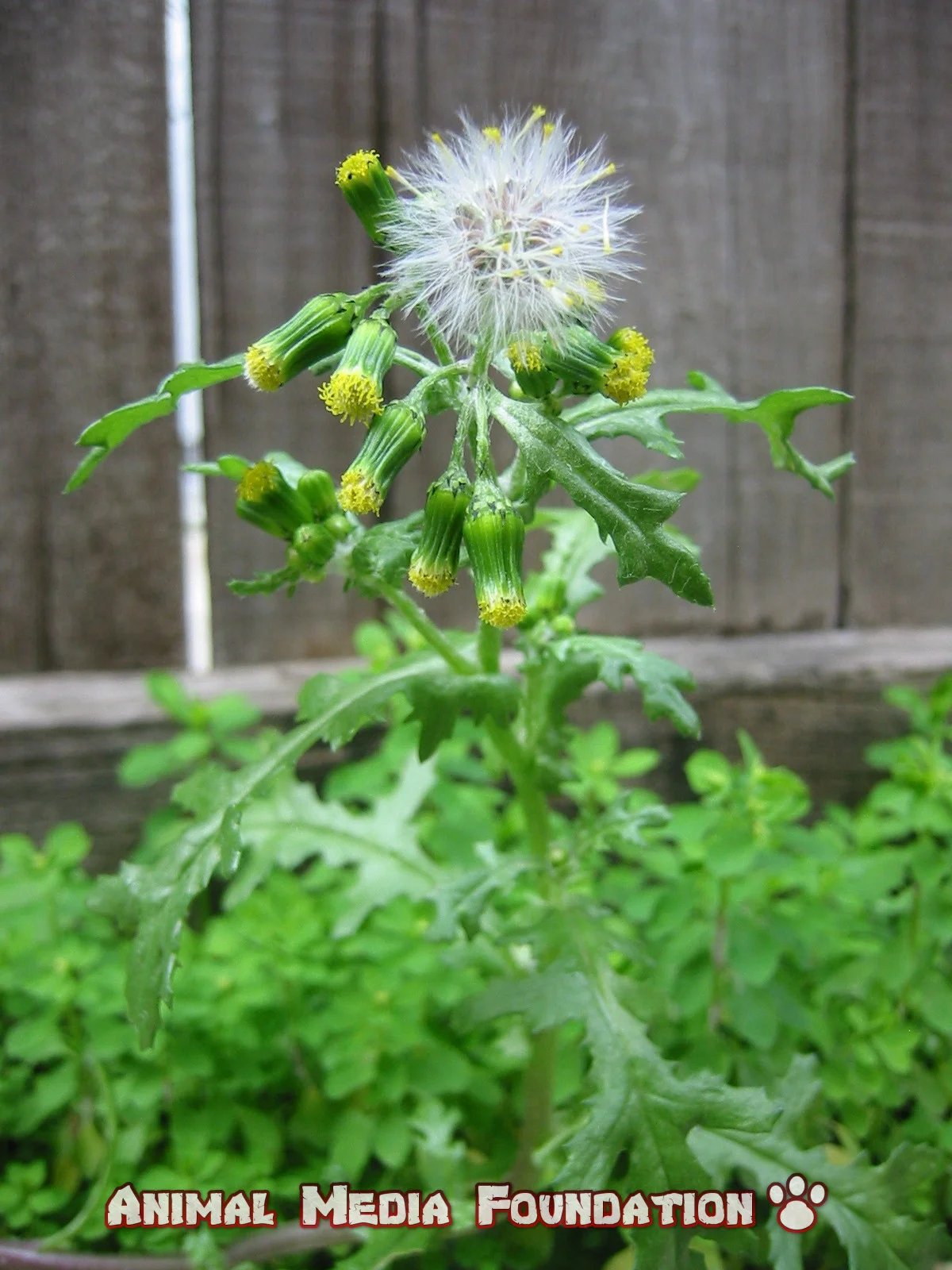
Toxic plants for horses in Canada
There are many toxic plants for horses in Canada. Some of the most common ones include: 1. Ragwort 2. Nightshade 3. Yew 4. Poison Hemlock 5. Bracken Fern 6. Buckthorn 7. Buttercups 8. Cherry LaurelToxic plants for horses in Florida
There are several toxic plants for horses in Florida. The most common include oleander, nightshade, horsetail, and rhododendron. These plants can cause a variety of problems for horses, including gastrointestinal upset, colic, and even death. It is important to be aware of these dangers and take steps to keep your horse safe.
Toxic plants for horses in California
There are a few toxic plants that are harmful to horses if ingested. These include, but are not limited to: -Oleander ( Nerium oleander) -Bracken fern (Pteridium aquilinum) -Buttercups (Ranunculus spp.) -Nightshade (Solanum spp.) -Copperleaf (Acalypha wilkesiana) These plants can cause a variety of problems if ingested by horses, including colic, diarrhea, neurological problems, and even death. If you have horses on your property, it is important to be aware of these plants and take steps to keep them away from your animals.
Toxic plants for horses in Michigan
There are a few common plants in Michigan that can be toxic to horses if consumed in large quantities. These include: -Buttercups -Yew -Bracken fern -Red maple -Belladonna Horses will usually avoid eating these plants if they have access to good quality hay and pasture, but they may be more likely to consume them if they are hungry or have limited forage options. If you suspect your horse has eaten a toxic plant, contact your veterinarian immediately.Toxic plants for horses in Alberta
Several toxic plants can be found in Alberta which can pose a threat to horses. These include: 1. Datura stramonium ( Jimsonweed) 2. Atropa belladonna ( Deadly nightshade) 3. Solanum dulcamara ( Bittersweet nightshade) 4. Veratrum viride ( Green false hellebore) 5. Rhododendron spp. ( Rhododendrons) 6. Kalmia latifolia ( Mountain laurel) 7. Taxus baccata ( Yew) 8. Rhamnus cathartica ( Buckthorn) 9. Acer negundo ( Box elder) 10. Juglans nigra ( Black walnut)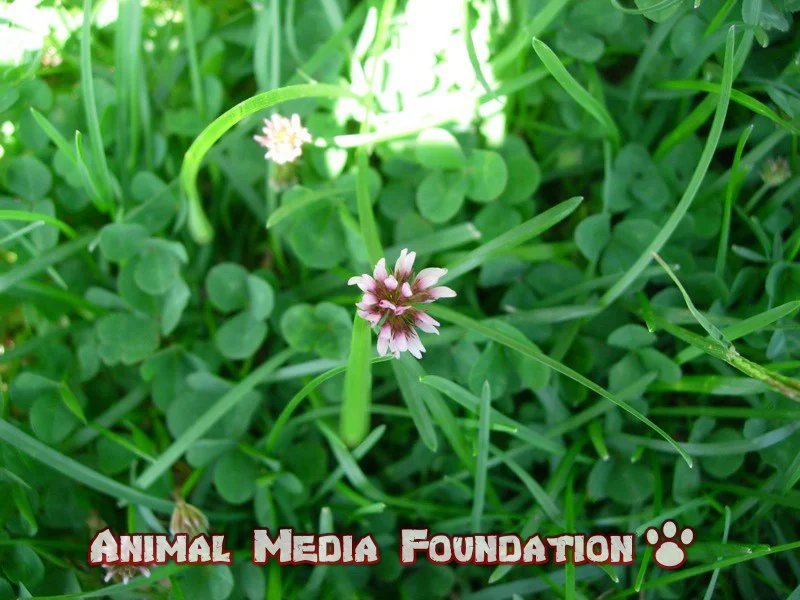
Toxic plants for horses in Texas
Several plants are toxic to horses if they are ingested. These include, but are not limited to: -Oleander -Moldy Hay -Nightshade -Water Hemlock -Yew If you suspect your horse has ingested a toxic plant, it is important to contact a veterinarian immediately. Symptoms of toxicity can include colic, diarrhea, sweating, increased heart rate, and difficulty breathing.Toxic plants for horses in the UK
Several plants are toxic to horses if ingested and can cause everything from mild discomfort to death. Some of the most common toxic plants in the UK include: - Ragwort - Yew - Foxglove - Rhododendron - Deadly nightshade Horses will usually avoid eating these plants if they have access to alternative food sources, but if they are hungry enough they may eat them. If you suspect your horse has eaten any of these plants, it is important to seek professional medical help immediately.❓ Frequently Asked Questions
💬 What are the most common toxic plants for horses?
Some of the most dangerous toxic plants for horses include Oleander, Rhododendron, and Yew. These plants can cause severe health issues ranging from gastrointestinal problems to cardiac arrest, and even death if ingested by horses.
💬 How can I identify toxic plants in my horse's pasture?
Carefully inspect your horse's grazing area for known toxic plants like Oleander (a shrub with pink or white flowers), Rhododendron (a flowering bush), and Yew (an evergreen shrub). Consider consulting a local agricultural expert or veterinarian to help identify specific toxic plants in your region.
💬 What symptoms should I watch for if I suspect my horse has eaten a toxic plant?
Symptoms of plant toxicity in horses can include colic, diarrhea, sweating, incoordination, irregular heartbeat, and difficulty breathing. If you suspect your horse has ingested a toxic plant, contact your veterinarian immediately for emergency treatment.