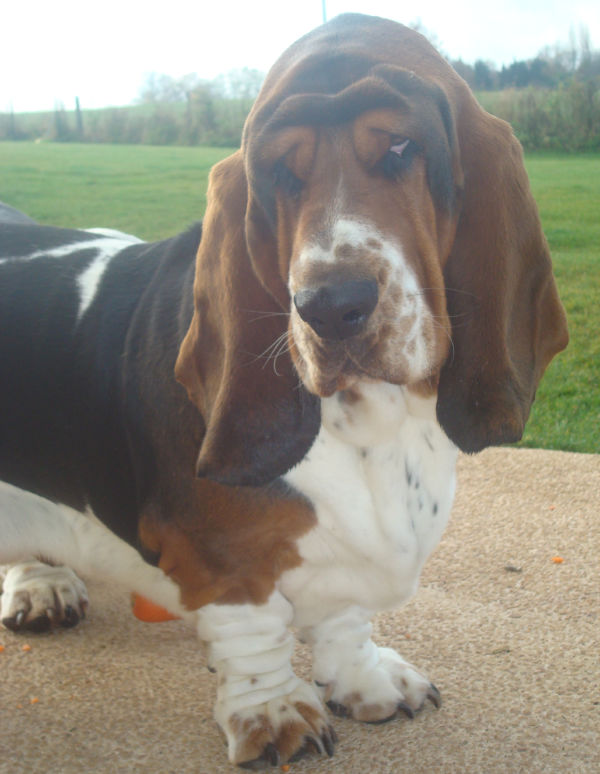
- The Purposeful Design of Basset Hound Ears
- The Scent-Trapping Mechanism
- Why the Sad Eyes Are an Optical Illusion
- The Anatomy of a "Sad" Expression
- Basset Hound Ears: A History of Selective Breeding
- From the Bloodhound to the Basset
- The Real-Life Scenting Power of a Basset Hound
- Tracking Behavior and Real-World Examples
- Health and Care for Basset Hound Ears
- Essential Ear Cleaning Routine
- Personality and Temperament of the Long-Eared Hound
- A Day in the Life of a Basset Hound
- Living with a Basset Hound: A Practical Guide
- Key Considerations for Prospective Owners
- Conclusion: The Perfectly Adapted Companion
- ❓ Frequently Asked Questions
The basset hound's unmistakable silhouette—a low-slung body, drooping jowls, and those impossibly long, velvety ears—is instantly recognizable, but the most striking feature is undoubtedly the combination of those sweeping basset hound ears and the perpetually mournful expression that seems to ask the world for a treat. This isn't an accident of breeding or a quirk of nature; it's a masterpiece of canine engineering, a physical design honed over centuries for a very specific purpose: to be one of the most effective scent-tracking dogs on the planet. The long ears and sad eyes are not cosmetic flaws, but brilliant adaptations that work in concert with the dog's incredible olfactory system.
The Purposeful Design of Basset Hound Ears
To understand why a basset hound looks the way it does, you have to look past the adorable droop and into the functional anatomy of a scent hound. The basset hound’s ears are not just long; they are exceptionally long, often measuring to the tip of the dog's nose when pulled forward. This is a deliberate breed standard, and the length serves a dual purpose that is critical to the dog's hunting role. These ears are essentially scent-collecting funnels and dust protectors, working in tandem with the dog's face to trap and concentrate scent particles.
The Scent-Trapping Mechanism
When a basset hound drops its nose to the ground, its long ears fall forward, sweeping the ground in front of its face. These pendulous ears act like a broom, stirring up scent particles from the ground and vegetation. As the dog moves, the ears create a small pocket of air around the muzzle, trapping the scent-laden air near the nose. This allows the dog to analyze a scent for a longer period, giving its brain more time to process the complex chemical information. The loose, wrinkly skin on the head and neck also contributes to this process, creating more folds that help hold the scent close.
Furthermore, the ears serve as a protective shield. When the dog is pushing through dense underbrush, brambles, or thick grass, the long ears cover the dog's nostrils and eyes, preventing debris, thorns, and dirt from injuring these sensitive areas. This allows the basset hound to keep its nose to the ground and its focus on the trail without being distracted or slowed down by the environment. The combination of sweeping and shielding makes the basset hound ears an indispensable tool for a dog bred to follow a scent for miles over difficult terrain.
Why the Sad Eyes Are an Optical Illusion
The "sad eyes" of a basset hound are a classic example of how human perception can misinterpret a purely functional canine feature. The look of profound melancholy is not an expression of emotion, but rather the result of a specific anatomical structure—a condition known as ectropion. This is a genetic trait where the lower eyelids droop or sag outward, away from the eyeball. This drooping exposes the pinkish, moist tissue of the inner eyelid, which we interpret as a sign of sadness or tiredness.
The Anatomy of a "Sad" Expression
This drooping is not a flaw but a feature that was selectively bred for. In the field, a dog's eyes are vulnerable to injury from twigs, grass seeds, and other debris. The loose, drooping skin around the eyes creates a larger, more protected area, similar to the way the long ears protect the nose. The heavy brows and the loose, wrinkled skin on the forehead also contribute to the overall expression. These deep folds of skin and the pronounced dewlap (the loose skin under the chin) create a facial topography that shadows the eyes, making them appear deeper-set and more sorrowful than they actually are. The basset hound is not sad; it is simply equipped with a face that is optimized for the rough-and-tumble work of a scent hound.
It's also important to note that the "sad" look is a human projection. Dogs communicate through their entire body posture, tail carriage, and ear position, not just their facial features. A happy basset hound will have a wagging tail, a relaxed body, and a bright, alert demeanor, even with those perpetually drooping eyes. The eyes themselves are often described as gentle and intelligent, and the expression is more accurately one of deep concentration or contemplative focus rather than sadness.
Basset Hound Ears: A History of Selective Breeding
The basset hound's unique appearance is the result of deliberate, centuries-long selective breeding. The breed's name comes from the French word *bas*, meaning "low," and they were developed in France and Belgium to be slow, methodical hunters that could be followed on foot. Unlike faster hounds like the foxhound, which chased prey on horseback, the basset hound was bred to work at a slower pace, allowing hunters to keep up. This slower pace meant that the dog relied even more heavily on its nose than its speed, and every physical trait was refined to enhance its scenting ability.
From the Bloodhound to the Basset
The basset hound is a direct descendant of the Bloodhound, a breed renowned for its tracking ability. In fact, the Bloodhound is considered the ancestor of all modern scent hounds. The basset is essentially a dwarfed version of the Bloodhound, with a genetic mutation that resulted in shorter legs. This dwarfism was intentionally preserved because it offered a distinct advantage: the dog's nose was kept closer to the ground, making it easier to pick up and maintain a scent trail. The long basset hound ears, like those of the Bloodhound, were also retained and even exaggerated in the breed's development, as they proved to be so effective in the field.
The breed was officially recognized in France in the late 19th century and was imported to England and America shortly after. Breed standards were established to maintain the specific traits that made them such excellent hunters, including the long ears, the loose skin, and the short, sturdy legs. Today, while most basset hounds are beloved family pets rather than working hunters, the physical traits that made them great trackers remain a defining and celebrated part of their identity.
The Real-Life Scenting Power of a Basset Hound
The physical adaptations, including the long ears, are all in service of one of the most powerful noses in the canine world. A basset hound's sense of smell is estimated to be anywhere from 10 to 100 million times more acute than a human's. They have over 220 million olfactory receptors in their noses, compared to a human's 5 million. The part of their brain dedicated to analyzing smells is also much larger and more developed than in humans. This incredible power is why they are used in search and rescue, and it's why they are so notoriously difficult to train to ignore a fascinating scent.
Tracking Behavior and Real-World Examples
When a basset hound is on a scent, its entire body changes. The tail, which is normally carried high, becomes rigid and points straight down. The dog's head drops low to the ground, and its long ears fan out, sweeping the trail. The deep, rhythmic bay of a basset hound on a fresh scent is a sound that any owner knows well—it's a sign that the dog is completely absorbed in its work. This behavior is not just a party trick; it has been used for centuries for hunting small game like rabbits and hares, and even today, basset hounds are used in some parts of the world for tracking wounded deer.
In a modern context, this incredible nose can be both a blessing and a challenge. A basset hound can track a scent trail that is several days old, which is why they are sometimes used in law enforcement to find missing persons. However, this same powerful nose means that a walk in the park can be a sensory overload. The dog may stop every few feet to investigate a particularly interesting patch of grass, completely oblivious to its owner's attempts to keep moving. This is not a sign of stubbornness, but a sign of a dog doing exactly what its breed was designed to do.
Health and Care for Basset Hound Ears
While the basset hound's long ears are a marvel of form and function, they require dedicated care from their owners. The very design that makes them excellent scent hounds—the long, heavy, pendulous ears that trap air and moisture—also makes them prone to ear infections. The ears create a dark, warm, and often moist environment that is perfect for the growth of yeast and bacteria. If not regularly cleaned, this can lead to painful and chronic ear problems.
Essential Ear Cleaning Routine
Regular ear cleaning is a non-negotiable part of basset hound ownership. Here is a simple routine to follow:
- Frequency: Check and clean your basset's ears at least once a week, and more often if they are prone to infections or spend a lot of time outdoors.
- Cleaning Solution: Use a veterinarian-approved ear cleaning solution. Avoid using cotton swabs, which can push debris further into the ear canal and cause damage.
- The Process: Gently lift the ear flap and fill the ear canal with the cleaning solution. Massage the base of the ear for about 30 seconds to loosen any debris, then let your dog shake its head. Finally, use a cotton ball or gauze to wipe away any excess solution and visible dirt from the outer ear.
- Signs of Trouble: Be on the lookout for signs of infection, such as a bad odor, excessive scratching, head shaking, redness, swelling, or discharge. If you notice any of these, consult your veterinarian promptly.
Beyond ear care, the droopy eyelids also require attention. The exposed inner eyelid can become dry or irritated, and the folds of skin around the eyes can trap debris. Owners should gently wipe the area around the eyes with a damp cloth to keep it clean. Regular veterinary check-ups are crucial to monitor for any eye or ear issues and to ensure the dog remains healthy and comfortable.
Personality and Temperament of the Long-Eared Hound
Beyond their physical appearance, basset hounds are beloved for their distinctive personalities. They are famously known for being gentle, loyal, and exceptionally good-natured, especially with children. They are pack animals by nature and thrive on human companionship, often following their owners from room to room just to be nearby. Their laid-back, almost comical demeanor can be a source of endless amusement, but it also comes with a stubborn streak that is a direct result of their independent hunting heritage.
A Day in the Life of a Basset Hound
A typical basset hound is a study in contrasts. They are notoriously lazy indoors, famously enjoying a good nap in a sunbeam or on a comfortable couch. However, once they are outside and catch an interesting scent, they transform into determined, single-minded trackers. This duality is a key part of their charm. They are not high-energy dogs, but they do require moderate daily exercise, such as a long walk, to keep them physically and mentally healthy. Without proper exercise, they can easily become overweight, which exacerbates health issues like joint problems and back pain.
Their temperament is generally calm and patient, making them excellent family pets. They are social and generally get along well with other dogs and even cats, especially if raised with them. However, their strong prey drive means they should always be kept on a leash when out in public, as a rabbit or squirrel can easily trigger their tracking instincts, and they will follow the scent without a second thought. Their deep, loud bay is another characteristic trait; they are not excessive barkers, but their baying is a powerful sound that can carry for long distances.
Living with a Basset Hound: A Practical Guide
Owning a basset hound is a rewarding experience, but it comes with specific considerations. Their short legs and long backs make them prone to spinal issues, so it's vital to prevent them from jumping off high furniture. Providing ramps for sofas and beds is a wise investment. Their droopy jowls also mean they are messy eaters and drinkers, often leaving trails of water and food across the floor. Keeping a towel handy is a practical necessity for any basset hound owner.
Key Considerations for Prospective Owners
Here are some essential things to know before bringing a basset hound into your home:
- Lifespan and Size: The average lifespan of a basset hound is 10-12 years. They are a medium-to-large breed, typically weighing between 40 and 65 pounds, with males being larger than females. They stand about 12-15 inches tall at the shoulder.
- Diet: Their diet should consist of high-quality dog food, with portion control being critical to prevent obesity. A typical adult basset hound will eat about 1.5 to 2.5 cups of dry food per day, divided into two meals.
- Habitat: While they can adapt to apartment living, they do best in a home with a securely fenced yard. They are not escape artists in the traditional sense, but they will follow a scent, so fencing must be secure.
- Grooming: Beyond ear care, their short coats are easy to groom, but they are heavy shedders. Weekly brushing with a hound mitt or soft brush is recommended to manage the loose hair.
- Training: They are intelligent but stubborn. Positive reinforcement training with treats and praise is the most effective method. Patience is key, as they can be slow to respond to commands, especially when distracted by a scent.
Conclusion: The Perfectly Adapted Companion
The basset hound's long, sweeping ears and soulful, drooping eyes are not a design flaw or a sad accident. They are the result of hundreds of years of careful, purposeful breeding to create the ultimate scent-tracking machine. The basset hound ears act as scent funnels and protective shields, while the droopy eyelids are a protective adaptation that gives the dog its unique, endearing expression. This breed is a living testament to how form follows function in the animal kingdom. What we see as an expression of melancholy is actually the face of a highly skilled, focused, and incredibly effective hunter. And now, these same features that were once essential for survival in the field are the very traits that make them one of the most charming, lovable, and unforgettable companions in the world. Their "sad" face is just another part of their perfect design, one that has captured the hearts of dog lovers everywhere.
❓ Frequently Asked Questions
💬 Why do basset hounds have long ears?
Basset hounds' long ears help trap and funnel scent particles toward their nose, enhancing their incredible tracking ability. The ears also stir up ground scents as they walk, and their droopy shape keeps smells close to the face while they follow a trail.
💬 Why do basset hounds look sad?
The 'sad' look comes from their droopy eyelids, loose skin, and heavy jowls, which are breed traits that help protect their eyes from brush and debris while hunting low to the ground. It's not a sign of emotion—bassets are typically cheerful and laid-back dogs.
💬 Do basset hounds' long ears cause health problems?
Yes, their long, floppy ears can trap moisture and wax, making them prone to ear infections. Regular cleaning and drying of the ear flaps are essential to prevent issues like yeast or bacterial overgrowth.
💬 How long are a basset hound's ears in inches?
A basset hound's ears are typically 6 to 8 inches long, which is long enough that they often drag on the ground when the dog is sniffing. This length is a key part of their scent-trailing design.