- The Anatomy of the Bison Hump: Muscle, Not Fat
- The Role of the Vertebrae
- Bison Hump as a Snow-Plow for Winter Survival
- Fighting and Dominance: The Hump as a Weapon
- Ritualized Displays and Posturing
- Mobility and Endurance: The Hump in Motion
- Diet and Digestion: How the Hump Supports a Grazing Lifestyle
- Habitat and Historical Range: The Hump’s Evolutionary Context
- Conservation and the Future of the Bison Hump
- The Hump’s Relationship with Lifespan and Health
- The Bison Hump in Human Culture and Symbolism
- Conclusion: The Powerful Truth of the Bison Hump
- ❓ Frequently Asked Questions
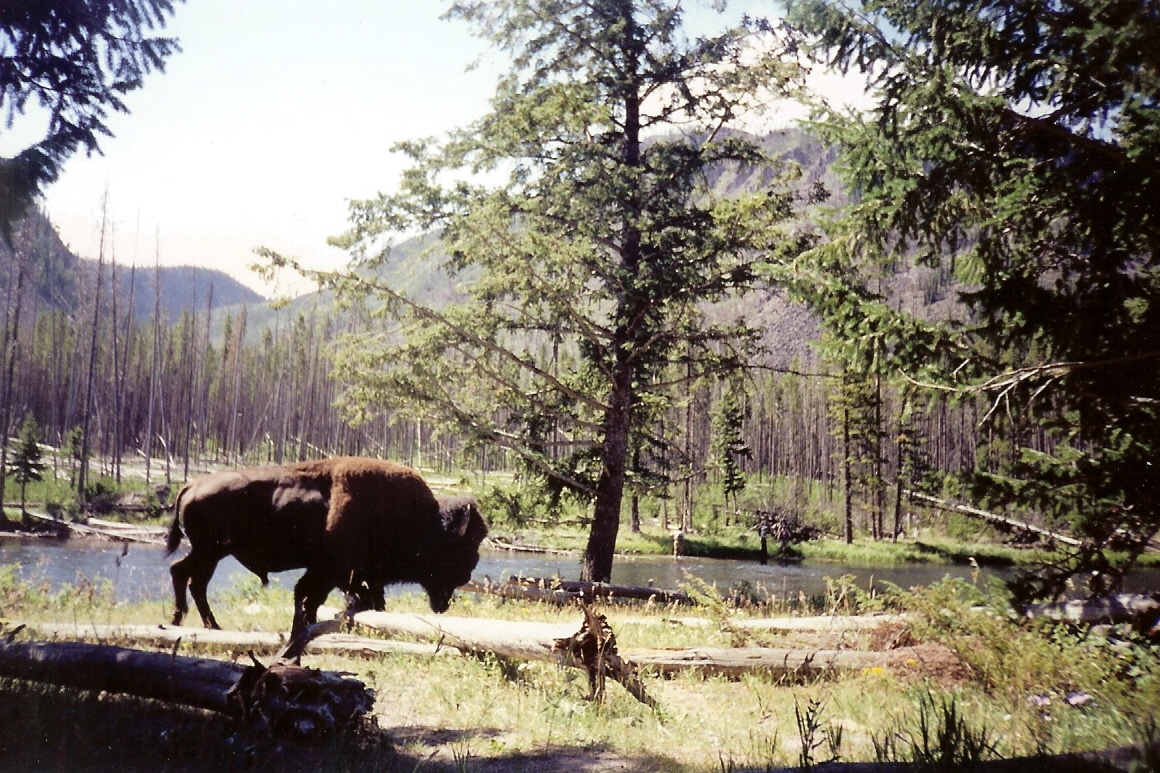
The bison hump is one of the most iconic and misunderstood features in the animal kingdom, a massive muscular mountain that rises from the shoulders of North America’s largest land mammal. When you see a bison standing on the prairie, that hump looks almost geological, like a rolling hill that somehow sprouted legs and fur. But this is no passive mound of fat or bone; it is a powerhouse of biological engineering, a key to survival that has allowed bison to thrive through blizzards, predators, and centuries of near-extinction. Understanding the bison hump means understanding how these animals eat, fight, migrate, and endure, and the truth behind that huge hump is far more fascinating than simple anatomy.
The Anatomy of the Bison Hump: Muscle, Not Fat
Many people assume the bison hump is a storage deposit of fat, similar to a camel’s hump, which can be metabolized for energy during lean times. That assumption is completely wrong. The bison hump is composed almost entirely of muscle, specifically a massive complex of back and neck muscles anchored to the vertebra. The key player is the rhomboideus muscle, along with the splenius and longissimus dorsi, which extend from the skull down the neck and attach to the tall spines of the thoracic vertebrae. These vertebrae are elongated, some reaching over a foot in length, creating a skeletal framework that supports the muscular mass.
In a mature bull, this hump can weigh over 100 pounds (45 kilograms) of pure muscle, and it is this muscle that gives the bison its unmistakable silhouette. Unlike fat, which is soft and insulating, muscle is dense, active tissue that generates force. The hump’s position over the front legs is no accident; it is the center of gravity for an animal that spends most of its life with its head down. When a bison walks, the hump shifts subtly, acting as a counterweight and a lever system that transfers power from the hind legs through the spine to the neck and head.
The Role of the Vertebrae
The elongated spines of the thoracic vertebrae (the bones just behind the neck) are the “tower” that holds the hump up. In a domestic cow, these spines are short, but in a bison, they are dramatically extended, sometimes by 8 to 12 inches. This adaptation is unique among Bovidae, and it is the structural reason why the bison hump looks so pronounced. The muscles wrap around these spines like a corset, and the entire assembly acts as a shock absorber and a powerful lever.
The ligamentum nuchae, a thick elastic ligament that runs from the skull to the hump, also plays a crucial role. This ligament acts like a giant rubber band, supporting the weight of the head without constant muscular effort. When a bison lowers its head to graze, the ligament stretches; when it lifts its head, the ligament snaps back, saving energy. This passive support system is why bison can graze for up to 11 hours a day without suffering neck fatigue, a feat that would be impossible without the hump’s architecture.
Bison Hump as a Snow-Plow for Winter Survival
Perhaps the most critical function of the bison hump is its role in winter foraging. Unlike deer or elk, which paw through snow with their hooves, bison use their massive heads as battering rams to clear snow. The bison hump powers this behavior. When a bison swings its head from side to side in a sweeping arc, it is using the enormous muscles of the hump to generate the force needed to push snow aside. This is not a gentle nudge; a mature bison can clear a path through two to three feet of snow, exposing the dormant grasses and sedges beneath.
This snow-plowing behavior is why bison can remain on the open prairie all winter, while many other ungulates migrate to lower elevations or forested areas where snow is shallower. The hump’s muscle mass is directly proportional to the bison’s ability to survive harsh winters. In Yellowstone National Park, where winter temperatures can drop to -30°F (-34°C) and snow can accumulate to over 60 inches, bison are the only large herbivores that stay on the northern range year-round. Their success is entirely dependent on that hump-powered head-swinging technique.
The efficiency of this snow-plow is remarkable. A bison will often use its head to clear a small patch, take a few bites, then move forward and clear another patch. This creates a “grazing crater” that also benefits other wildlife, such as elk and pronghorn, which will follow bison trails to access exposed forage. The bison hump, therefore, is not just a personal survival tool; it is an ecosystem engineer’s instrument that shapes the winter landscape for entire communities of animals.
Fighting and Dominance: The Hump as a Weapon
During the rut, which occurs from July to September, the bison hump becomes a weapon of mass destruction. Mature bulls engage in violent contests for dominance and mating rights, and the hump is the engine that drives these battles. When two bulls fight, they often charge head-on, clashing their massive skulls and horns with tremendous impact. The sound of these collisions can be heard over a mile away, like a thunderclap on the plains. The hump’s muscles absorb the shock of these impacts, protecting the spine and brain from the violent jarring.
But the hump is also used offensively. Bulls will often push against each other, shoulder to shoulder, in a test of raw strength. The hump provides the pushing power, allowing a bull to shove an opponent backward, sometimes for hundreds of yards. In these shoving matches, the bison hump acts like a built-in bulldozer blade, transferring power from the hind legs through the spine and into the opponent’s body. The bull with the larger, more muscular hump typically wins these contests, which is why females often select dominant males with pronounced humps as mates.
Ritualized Displays and Posturing
Not all fights end in physical contact. Bison often engage in ritualized displays where they stand side-by-side, head-to-tail, and “strutt” to show off their size. The hump is a key visual signal in these displays. A bull with a high, thick hump appears larger and more intimidating, which can deter rivals without a fight. This is a classic example of sexual selection: the hump’s size is an honest signal of genetic fitness, health, and fighting ability. Bulls with larger humps are more likely to pass on their genes, ensuring that the trait continues to be exaggerated over generations.
Interestingly, both male and female bison have humps, but the male’s is significantly larger and more muscular. This sexual dimorphism is directly related to the demands of male-male competition. Females have humps that are sufficient for snow-plowing and general movement, but they do not need the same raw power for fighting. The difference in hump size between the sexes is a clear indicator of its role in reproductive success.
Mobility and Endurance: The Hump in Motion
Despite their massive size, bison are surprisingly agile and fast. They can run at speeds of up to 35 miles per hour (56 kilometers per hour) and can turn on a dime, a maneuver that is often used to evade predators or to circle around a threat. The bison hump is crucial for this agility. The muscles of the hump are attached to the spine and the front legs via a complex system of tendons and connective tissue, allowing the bison to use its hump to adjust its center of gravity rapidly.
When a bison runs, its front legs stretch forward and backward in large arcs, and the hump muscles coordinate these movements. The hump acts like a spring, storing elastic energy during the landing phase of each stride and releasing it during the push-off phase. This spring-like mechanism makes bison incredibly efficient runners for their size, allowing them to cover long distances at a gallop without tiring quickly. This endurance is vital for migration, as bison herds can travel up to 200 miles in search of fresh pasture.
Furthermore, the hump provides stability when bison are navigating rough terrain. They are not just prairie animals; they live in mountain meadows, river valleys, and even high-altitude plateaus. The hump’s muscular mass helps them maintain balance on steep slopes and rocky ground, preventing falls that could be fatal. In Yellowstone, bison are frequently observed climbing steep, snow-covered ridges, using their hump muscles to power their way up inclines that would defeat most other large mammals.
Diet and Digestion: How the Hump Supports a Grazing Lifestyle
Bison are strict herbivores, and their diet consists almost entirely of grasses and sedges. They are grazers, not browsers, meaning they rarely eat shrubs or tree leaves. This diet is low in energy and high in fiber, requiring bison to consume enormous quantities of food. An adult bison can eat up to 30 pounds (14 kilograms) of vegetation per day, and the bison hump is essential to this consumption rate.
The hump’s muscles allow bison to keep their heads down for extended periods, even while walking. This is a unique behavior; most ungulates must stop and raise their heads to chew or scan for predators. Bison, however, can graze continuously while moving forward, using a sweeping side-to-side motion of the head to clip grass. This constant grazing is powered by the hump, which holds the head steady and facilitates the repetitive motion. This efficiency is critical because bison have a slower digestive system than cattle, and they need to process a large volume of forage to extract enough nutrients.
Bison also have a four-chambered stomach, like cattle, but they are more efficient at digesting fibrous plants. They are able to extract more protein and energy from poor-quality forage than domestic cattle, and the hump’s role in facilitating constant grazing is a key part of this advantage. During the summer, bison build up fat reserves, but they also rely on the hump muscles to maintain muscle mass even when food is scarce. Unlike fat, which can be depleted, muscle is preserved as long as the animal can graze at all, meaning the hump is one of the last tissues to be catabolized during starvation.
Habitat and Historical Range: The Hump’s Evolutionary Context
The bison hump evolved over millions of years in response to the unique conditions of the North American grasslands. Bison ancestors, such as the giant bison (Bison latifrons) and the steppe bison (Bison priscus), were even larger than modern bison, with horns spanning up to six feet. These ancient species roamed from Alaska to Mexico, and their humps were likely even more pronounced. The modern bison (Bison bison) is a descendant of these giants, and it has adapted to a changing climate and habitat.
The Great Plains, the primary habitat of the American bison, is a harsh environment characterized by extreme temperature swings, drought, and frequent fires. The bison hump is a direct adaptation to this environment. The ability to plow snow, fight, and run long distances are all survival strategies that emerged in response to the challenges of the plains. Bison are also found in forested areas, such as the boreal forests of Canada, where the hump helps them push through underbrush and navigate deep snow in shaded areas. This adaptability is why bison were once the most numerous large mammal on Earth, with an estimated population of 30 to 60 million animals before European settlement.
Today, bison are confined to a fraction of their historical range, with about 500,000 animals in North America, mostly on commercial ranches and conservation herds. But the bison hump remains a constant feature, a reminder of the species’ evolutionary journey. In places like Wind Cave National Park and Antelope Island State Park, visitors can still see wild bison using their humps to plow snow and fight, behaviors that have remained unchanged for thousands of years.
Conservation and the Future of the Bison Hump
The conservation story of the bison is one of the most dramatic in American history. From a population of tens of millions, bison were hunted to near-extinction by the late 1800s, with fewer than 1,000 animals remaining. The bison hump was part of the reason they were hunted; the hump was considered a delicacy, and the tongue and hump meat were often sold at high prices. The railroad expansion and the U.S. Army’s policy of exterminating bison to control Native American tribes led to the wholesale slaughter of herds.
Conservation efforts in the early 20th century, led by ranchers like Charles Goodnight and organizations like the American Bison Society, saved the species from absolute extinction. Today, bison are considered a conservation success story, but their genetic purity is at risk. Many bison herds have been crossbred with cattle, and only a few herds, such as those in Yellowstone National Park and the Henry Mountains of Utah, are considered genetically pure. These pure herds are vital for preserving the full expression of the bison hump, as cattle hybridization often reduces hump size and alters body conformation.
Ongoing efforts to restore bison to tribal lands and public prairies are focused on maintaining the ecological role of bison, including their snow-plowing behavior and grazing patterns. The bison hump is not just a physical trait; it is a symbol of the species’ resilience and its deep connection to the North American landscape. Protecting bison means protecting the behaviors that the hump enables, from winter foraging to rutting contests, ensuring that future generations can witness the powerful truth of this incredible adaptation.
The Hump’s Relationship with Lifespan and Health
The bison hump also provides insights into the animal’s overall health and lifespan. Bison can live up to 20 years in the wild, and the condition of the hump is a reliable indicator of an individual’s nutritional status. A healthy bison has a firm, well-rounded hump; a sick or starving bison will show a concave or shrunken hump, as the muscles atrophy from lack of use or malnutrition. Wildlife biologists use hump condition as a quick field assessment of herd health, similar to how cattle ranchers assess body condition scores.
Disease can also affect the hump. Brucellosis, a bacterial disease that causes abortion in bison, can weaken animals, leading to muscle wasting and a visible decline in hump size. Conversely, a bison with a large, robust hump is likely to be a dominant, healthy individual that will live longer and reproduce more successfully. This correlation between hump size and longevity has been observed in long-term studies of bison in Yellowstone, where older bulls that maintain their hump mass are more likely to survive harsh winters than younger, smaller-humped individuals.
Furthermore, the hump’s muscle mass provides a metabolic buffer during periods of stress. When food is scarce, bison can break down muscle protein for energy, but they prioritize fat stores first. The hump’s large muscle mass means that even a bison that has lost significant fat can still generate enough power to plow snow and escape predators. This resilience is a key reason why bison have a higher survival rate than many other herbivores during extreme weather events, such as the deep snows of the 1996-97 winter in Yellowstone, which killed an estimated 25% of the elk population but a much smaller percentage of bison.
The Bison Hump in Human Culture and Symbolism
The bison hump has captured the human imagination for millennia. Native American tribes, such as the Lakota, Cheyenne, and Blackfeet, revered the bison as a sacred animal, and the hump was considered the most prized piece of meat. It was often reserved for elders, chiefs, or ceremonial feasts. The hump’s shape was also incorporated into art, clothing, and shelter designs, and the bison itself was a central figure in creation stories and spiritual beliefs. The buffalo jump, a hunting technique where bison were driven off cliffs, was practiced for thousands of years, and the hump’s meat was essential for winter survival.
In modern times, the bison hump remains a potent symbol of the American West. It appears on the Kansas state flag, the U.S. Department of the Interior seal, and the official emblem of the National Park Service. The bison was designated the national mammal of the United States in 2016, a testament to its cultural and ecological significance. The hump is the most recognizable feature of the bison, and it is often the first thing people identify in photographs and artwork. It represents strength, endurance, and the untamed wilderness.
The bison hump also has a place in culinary culture. Bison meat is leaner and higher in protein than beef, and the hump is considered a delicacy by chefs and food enthusiasts. It is often prepared as a roast or steak, prized for its tenderness and rich flavor. This culinary interest has contributed to the economic viability of bison ranching, which in turn supports the conservation of the species. By valuing the hump, we are also valuing the animal that carries it, creating a sustainable incentive for bison preservation.
Conclusion: The Powerful Truth of the Bison Hump
The bison hump is far more than a quirky physical feature; it is a masterpiece of evolutionary engineering that has enabled the bison to survive, thrive, and dominate the North American landscape for over 10,000 years. It is a snow-plow for winter survival, a weapon for dominance, a spring for running, and a reservoir of strength for grazing. Every aspect of the bison’s life, from its diet of tough prairie grasses to its violent rutting battles, is shaped by the powerful muscles that make up that hump. The next time you see a bison, take a moment to appreciate that hump, because it is the physical embodiment of resilience, power, and the wild spirit of the plains.
❓ Frequently Asked Questions
💬 What is the bison hump made of?
The hump is made of massive muscles and bones, specifically the vertebrae with long spines that anchor powerful shoulder and neck muscles. This muscle mass, not fat, gives the hump its size and strength.
💬 Why do bison need such a large hump?
The hump acts as a muscular powerhouse, allowing bison to swing their heavy heads to plow through deep snow in winter and to fight rivals during mating season. It also provides leverage for grazing and lifting their massive heads.
💬 Is the bison hump used for fat storage like a camel's hump?
No, unlike a camel's fat-filled hump, a bison's hump is composed of muscle and bone. Bison store fat elsewhere on their bodies, mainly in a layer over their ribs and back.
💬 Does the hump size differ between male and female bison?
Yes, male bison typically have larger, more pronounced humps than females, as they need extra muscle for dominance battles and mating displays. The hump size also varies with age and overall body condition.