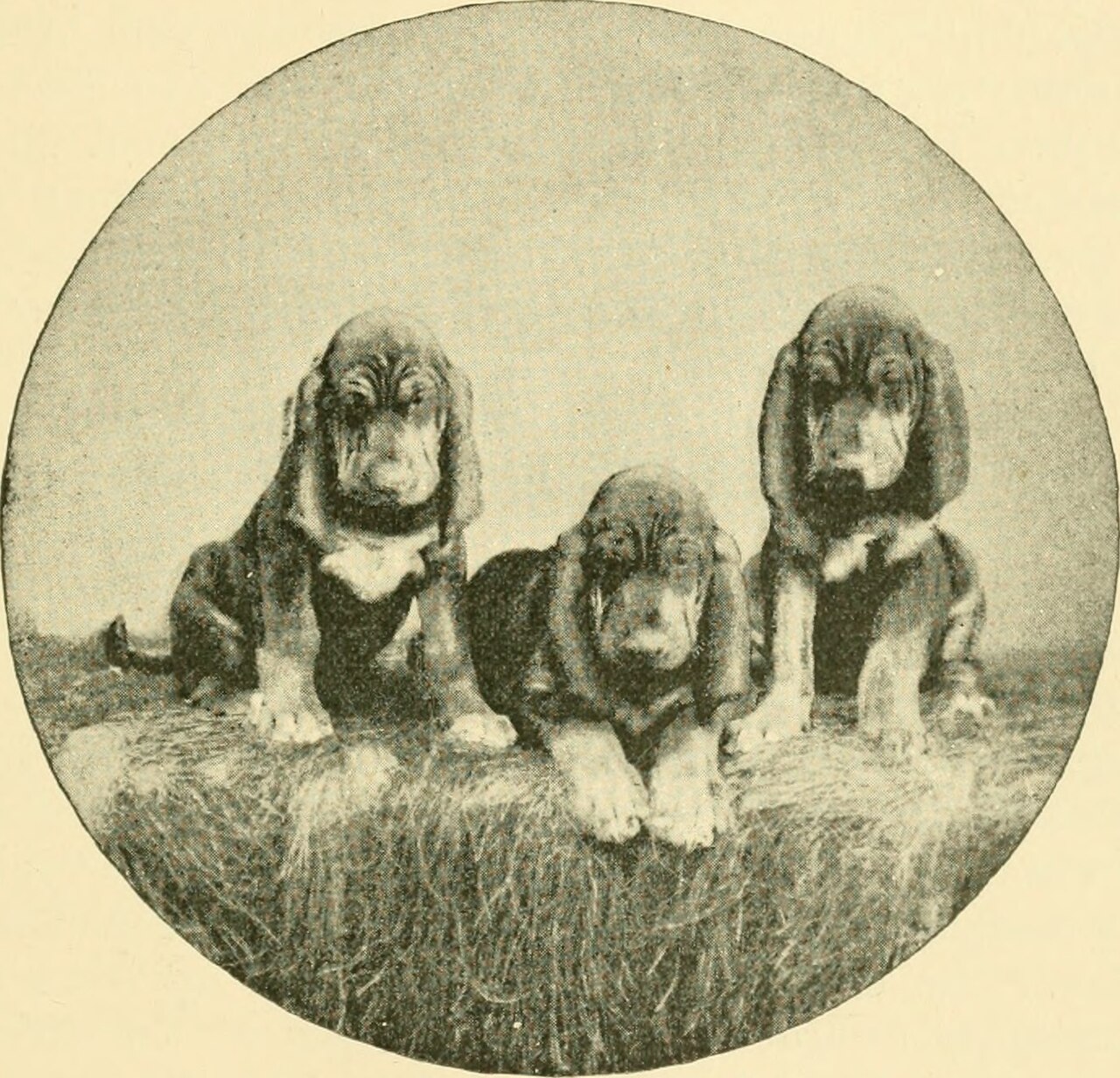
- The Functional Purpose of Bloodhound Wrinkly Skin
- How Wrinkles Enhance Scent Detection
- The Genetics and Evolution Behind Bloodhound Wrinkly Skin
- Comparison with Other Wrinkly Breeds
- Anatomy of the Bloodhound: More Than Just Wrinkled Skin
- The Role of the Occiput and Wrinkles
- Health Considerations for Bloodhound Wrinkly Skin
- Diet and Exercise for Skin Health
- Behavior and Temperament of the Bloodhound
- Real-World Examples of Bloodhound Tracking
- Caring for a Bloodhound’s Wrinkly Skin
- Common Skin Issues and Treatments
- Conclusion: The Remarkable Bloodhound Wrinkly Skin
- ❓ Frequently Asked Questions
The bloodhound’s wrinkly skin is one of the most distinctive features in the canine world, instantly recognizable and endlessly fascinating. This extraordinary breed, with its deep folds and drooping jowls, is not just a marvel of appearance but a masterpiece of biological engineering. The bloodhound wrinkly skin serves a critical, functional purpose that has been honed over centuries, making these dogs unparalleled trackers. In this in-depth article, we will explore the evolutionary, anatomical, and practical reasons behind this unique trait, diving into the science, history, and care that define this remarkable breed.
The Functional Purpose of Bloodhound Wrinkly Skin
The primary reason for the bloodhound’s abundant wrinkles is directly tied to its role as a scent hound. Unlike many other dog breeds, the bloodhound is specifically designed for scent tracking, and its skin plays a vital role in this process. The loose, wrinkled skin helps to trap and hold scent particles, allowing the dog to maintain a continuous olfactory trail. As the bloodhound moves its head from side to side while tracking, the folds of skin create pockets that capture scent from the air and ground, funneling it directly toward the nostrils. This adaptation is so effective that a bloodhound can follow a scent trail that is several days old, a feat few other breeds can match.
Furthermore, the heavy, drooping ears of the bloodhound, which are also part of its wrinkly skin system, serve a similar purpose. When the dog lowers its head to the ground, the long ears sweep forward, stirring up scent particles and directing them toward the nose. Combined with the wrinkled skin on the face and neck, this creates a highly efficient scent-collecting apparatus. The bloodhound’s sense of smell is estimated to be between 10 million and 100 million times more sensitive than a human’s, and its wrinkly skin is a key component in harnessing that power. In fact, bloodhounds have been used in law enforcement for centuries, tracking missing persons, fugitives, and even wildlife with astonishing accuracy.
How Wrinkles Enhance Scent Detection
The mechanism by which bloodhound wrinkly skin aids scent detection is both simple and sophisticated. The loose skin on the face, particularly around the muzzle and neck, creates a series of folds and pockets. As the dog breathes in, these folds act like baffles, slowing down air currents and allowing scent molecules to settle on the moist surfaces of the nose. The bloodhound’s nose is also covered in a thin layer of mucus, which helps dissolve scent particles, making them easier to detect. The wrinkles effectively increase the surface area of the nose and surrounding skin, maximizing the number of olfactory receptors that can be activated.
Additionally, the bloodhound’s drooping lips, or flews, contribute to this process. The flews hang down, creating a sort of funnel that directs air upward toward the nostrils. This is especially important when the dog is tracking on the ground, where the scent is most concentrated. The combination of wrinkles, long ears, and flews makes the bloodhound’s head a highly specialized tool for scent detection, a design that has been refined over hundreds of years of selective breeding.
The Genetics and Evolution Behind Bloodhound Wrinkly Skin
The genetic basis for bloodhound wrinkly skin is rooted in a mutation that affects collagen production and skin elasticity. This mutation, which is also found in other wrinkly breeds like the Shar-Pei and the Bulldog, leads to an overproduction of hyaluronic acid, a substance that helps retain moisture in the skin. In bloodhounds, this results in loose, saggy skin that forms deep wrinkles. However, unlike some other breeds where wrinkles are purely aesthetic, the bloodhound’s wrinkles are a functional adaptation that has been selected for over centuries.
Historically, the bloodhound breed originated in medieval Europe, particularly in Belgium and France, where they were bred by monks and nobility for tracking game and people. The name “bloodhound” is believed to derive from “blooded hound,” meaning a purebred or aristocratic dog, not from an association with blood. These early breeders recognized the value of dogs with loose, wrinkled skin, as they were more effective at following scent trails. Over time, the trait became fixed in the bloodhound’s genetic makeup, resulting in the highly wrinkled dogs we see today.
Comparison with Other Wrinkly Breeds
While several other dog breeds have wrinkly skin, the bloodhound’s wrinkles are unique in their extent and purpose. For example, the Shar-Pei has abundant wrinkles, but these are primarily for protection during dog fights, as the loose skin made it difficult for opponents to grip. The Bulldog’s wrinkles are also partly for protection, but they are more concentrated on the face. In contrast, the bloodhound’s wrinkles are distributed across the entire head and neck, and they are directly linked to the dog’s olfactory abilities. The bloodhound’s wrinkles are also softer and more pendulous, hanging in folds that can be several inches deep, whereas other breeds may have tighter, more compact wrinkles.
Another key difference is the bloodhound’s lifespan, which averages between 10 to 12 years, similar to other large breeds. However, their wrinkly skin requires specific care to prevent health issues like skin infections, which we will discuss later. The bloodhound’s diet also needs to be carefully managed, as obesity can exacerbate skin problems. A typical bloodhound diet consists of high-quality dog food, with adults consuming about 4 to 6 cups of dry food per day, divided into two meals. Their habitat should include a cool, shaded area, as their wrinkles can trap heat, making them prone to overheating.
Anatomy of the Bloodhound: More Than Just Wrinkled Skin
To fully understand the bloodhound’s wrinkly skin, it is essential to appreciate its overall anatomy. The bloodhound is a large breed, with males standing 25 to 27 inches tall at the shoulder and weighing 90 to 110 pounds, while females are slightly smaller at 23 to 25 inches and 80 to 100 pounds. Their bodies are powerful and muscular, built for endurance rather than speed. The head is the most distinctive feature, with a long, deep muzzle and a prominent occiput—the bump on the back of the skull. The skin on the head is so loose that it forms deep furrows over the eyes and forehead, giving the dog a mournful but noble expression.
The bloodhound’s coat is short and dense, providing some protection from the elements, but the skin underneath is what truly sets the breed apart. The wrinkles are most pronounced on the face, neck, and sometimes the shoulders. The ears are extremely long, often reaching the tip of the nose when pulled forward, and they are covered in soft, velvety skin. The tail is long and carried high, often with a slight curve. The bloodhound’s behavior is gentle and affectionate, but they can be stubborn and independent, traits that are typical of scent hounds.
The Role of the Occiput and Wrinkles
The occiput, the bony protuberance on the top of the bloodhound’s skull, is a key anatomical feature that works in tandem with the wrinkly skin. This bump is actually an extension of the skull that provides attachment points for the muscles that control the ears and the skin of the head. The occiput also helps to amplify sound, allowing the bloodhound to hear faint noises, which is useful when tracking. The wrinkles on the forehead and around the eyes are not just for scent detection; they also help to channel sweat and moisture away from the eyes, preventing irritation.
Interestingly, the bloodhound’s skin is also rich in blood vessels, which helps regulate body temperature. When the dog is active, the loose skin allows for greater blood flow to the surface, facilitating cooling through evaporation. This is particularly important for a breed that is often used for long tracking sessions in warm weather. However, this same feature makes them susceptible to heatstroke, so owners must be vigilant about providing shade and water.
Health Considerations for Bloodhound Wrinkly Skin
While the bloodhound’s wrinkly skin is a marvel of evolution, it comes with specific health challenges. The deep folds can trap moisture, dirt, and bacteria, leading to skin infections known as dermatitis. Owners must clean the wrinkles regularly, using a damp cloth and drying them thoroughly to prevent irritation. A common condition is pyoderma, a bacterial infection that causes redness, itching, and a foul odor. If left untreated, it can lead to more serious issues like abscesses or cellulitis. Regular veterinary check-ups are essential, and some owners may need to use medicated wipes or shampoos as a preventive measure.
Another health concern is entropion, a condition where the eyelid rolls inward, causing the eyelashes to rub against the eye. This can be exacerbated by the heavy, wrinkled skin around the eyes. Bloodhounds are also prone to ear infections due to their long, floppy ears, which can trap moisture and debris. The wrinkles on the neck can also develop intertrigo, a skin fold dermatitis that requires careful management. Despite these challenges, with proper care, bloodhounds can live healthy lives. Their lifespan is typically 10 to 12 years, though some may live longer with excellent care.
Diet and Exercise for Skin Health
The bloodhound’s diet plays a crucial role in maintaining healthy skin. A high-quality diet rich in omega-3 and omega-6 fatty acids can help reduce inflammation and keep the skin supple. Foods containing fish oil, flaxseed, or chicken fat are beneficial. Owners should avoid foods with excessive fillers or artificial additives, which can trigger allergies and worsen skin problems. Adult bloodhounds typically need 4 to 6 cups of dry food daily, but this can vary based on activity level and metabolism. It is important to monitor their weight, as obesity can cause the wrinkles to become deeper and more prone to infection.
Exercise is also vital for bloodhounds, as it promotes circulation and helps maintain a healthy weight. However, owners should be cautious about overexertion, especially in hot weather, due to the breed’s sensitivity to heat. Short, frequent walks are better than long, strenuous sessions. Bloodhounds are not high-energy dogs, but they do need daily exercise to prevent boredom and destructive behavior. Their tracking instinct is strong, so they should always be kept on a leash or in a securely fenced area, as they may follow a scent and wander off.
Behavior and Temperament of the Bloodhound
The bloodhound’s wrinkly skin is often associated with its gentle, affectionate nature. Despite their imposing size, bloodhounds are known for being sweet, patient, and good with children. They are pack animals and thrive on human companionship, often forming strong bonds with their families. However, they can be stubborn and independent, which can make training a challenge. Positive reinforcement methods work best, as bloodhounds are sensitive to harsh treatment. Their behavior is also influenced by their strong prey drive, so they may chase small animals if given the chance.
Bloodhounds are vocal dogs, known for their distinctive, deep bay that carries over long distances. This trait was useful for hunters who needed to follow their dogs through dense forests. Today, this vocalization can be a problem in suburban settings, so owners should provide plenty of mental stimulation to reduce excessive barking. Despite their size, bloodhounds are not typically aggressive, but they can be protective of their family. They are also known for their incredible determination when tracking, a trait that has made them invaluable in search and rescue operations. For example, a bloodhound named “Nick Carter” was a famous tracking dog in the early 20th century, credited with helping solve over 500 cases.
Real-World Examples of Bloodhound Tracking
The bloodhound’s wrinkly skin and tracking abilities have been put to the test in countless real-world scenarios. In the United States, bloodhounds are used by law enforcement agencies such as the FBI and local police departments to track missing persons. One famous case involved a bloodhound named “Titan” who tracked a lost child for over 20 miles through rugged terrain in the Appalachian Mountains. The dog was able to follow a scent trail that was more than 48 hours old, leading rescuers directly to the child. Another example is “Polo,” a bloodhound who helped locate a fugitive hiding in a swamp in Florida, using his wrinkled skin to capture scent particles in the humid, dense air.
These examples highlight the practical importance of the bloodhound’s wrinkly skin. Without this adaptation, the breed would not be as effective at scent tracking. The wrinkles allow the bloodhound to work in a variety of environments, from forests to deserts to urban areas. Their ability to follow scent trails over long distances and through challenging conditions is a testament to the power of natural selection and selective breeding.
Caring for a Bloodhound’s Wrinkly Skin
Proper care of the bloodhound’s wrinkly skin is essential for the dog’s health and comfort. The first step is regular cleaning. Owners should use a soft, damp cloth to gently wipe between the wrinkles, paying special attention to the folds around the nose, eyes, and neck. After cleaning, it is crucial to dry the area thoroughly, as moisture can lead to infections. Some owners use a cornstarch-based powder to keep the skin dry, but this should be done sparingly and only after consulting a veterinarian. The frequency of cleaning depends on the dog’s activity level and environment, but a general rule is to clean the wrinkles at least twice a week.
Another important aspect is grooming. While the bloodhound’s coat is short, it does shed moderately, and regular brushing helps remove loose hair and distribute skin oils. Bathing should be done only when necessary, as excessive bathing can strip the skin of its natural oils. Use a gentle, hypoallergenic shampoo recommended by a vet. The ears also need regular attention, as they can trap moisture and debris. Clean the ears with a vet-approved solution and check for signs of infection, such as redness or a bad odor. Finally, maintain a regular schedule of veterinary check-ups to monitor the skin and overall health.
Common Skin Issues and Treatments
Despite diligent care, bloodhounds can still develop skin issues. The most common problems include bacterial infections, yeast infections, and allergies. Symptoms include redness, itching, hair loss, and a foul odor. Treatment typically involves topical or oral antibiotics, antifungal medications, or anti-inflammatory drugs. In severe cases, a vet may recommend a special diet or allergy testing. Owners should also be aware of the signs of heatstroke, which can be exacerbated by the wrinkly skin. Symptoms include excessive panting, drooling, lethargy, and collapse. Immediate cooling measures and veterinary care are essential.
Preventive measures include providing a cool, shaded environment, avoiding strenuous exercise during peak heat, and ensuring constant access to fresh water. The bloodhound’s diet should also include supplements like probiotics and omega fatty acids to support skin health. With proper care, the bloodhound’s wrinkly skin can be managed effectively, allowing the dog to live a happy, active life.
Conclusion: The Remarkable Bloodhound Wrinkly Skin
The bloodhound’s wrinkly skin is far more than a charming quirk; it is a sophisticated adaptation that has made the breed one of the most effective trackers in the animal kingdom. From its role in scent detection to its evolutionary history, every fold and wrinkle serves a purpose. While caring for this unique feature requires dedication, the rewards are immense. Bloodhounds are loyal, gentle, and incredibly capable dogs, and their wrinkly skin is a testament to the power of nature and human ingenuity. Whether you are a potential owner or simply an admirer, understanding the reason behind the bloodhound wrinkly skin deepens our appreciation for this extraordinary breed. With proper care, a bloodhound can be a wonderful companion for 10 to 12 years, bringing joy and fascination to any household.
❓ Frequently Asked Questions
💬 Why do bloodhounds have wrinkly skin?
Bloodhounds have wrinkly skin to help trap scent particles while tracking, as the folds and loose skin around their face and neck direct odors toward their nose. This trait was selectively bred to enhance their extraordinary sense of smell.
💬 Do bloodhounds' wrinkles cause health problems?
Yes, bloodhounds' wrinkles can trap moisture, dirt, and bacteria, leading to skin infections like dermatitis if not cleaned regularly. Owners must gently dry and clean the folds to prevent irritation.
💬 Are bloodhound puppies born with wrinkles?
Bloodhound puppies are born with loose, wrinkly skin that becomes more pronounced as they grow, but they may appear less wrinkled at birth than adults. The skin gradually sags and folds develop over the first few months.
💬 How do bloodhounds use their wrinkles for tracking?
Bloodhounds' wrinkles and long, droopy ears sweep the ground, stirring up and funneling scent particles toward their nose, while the loose skin on their head and neck helps hold smells close for analysis. This allows them to follow even faint or old trails.