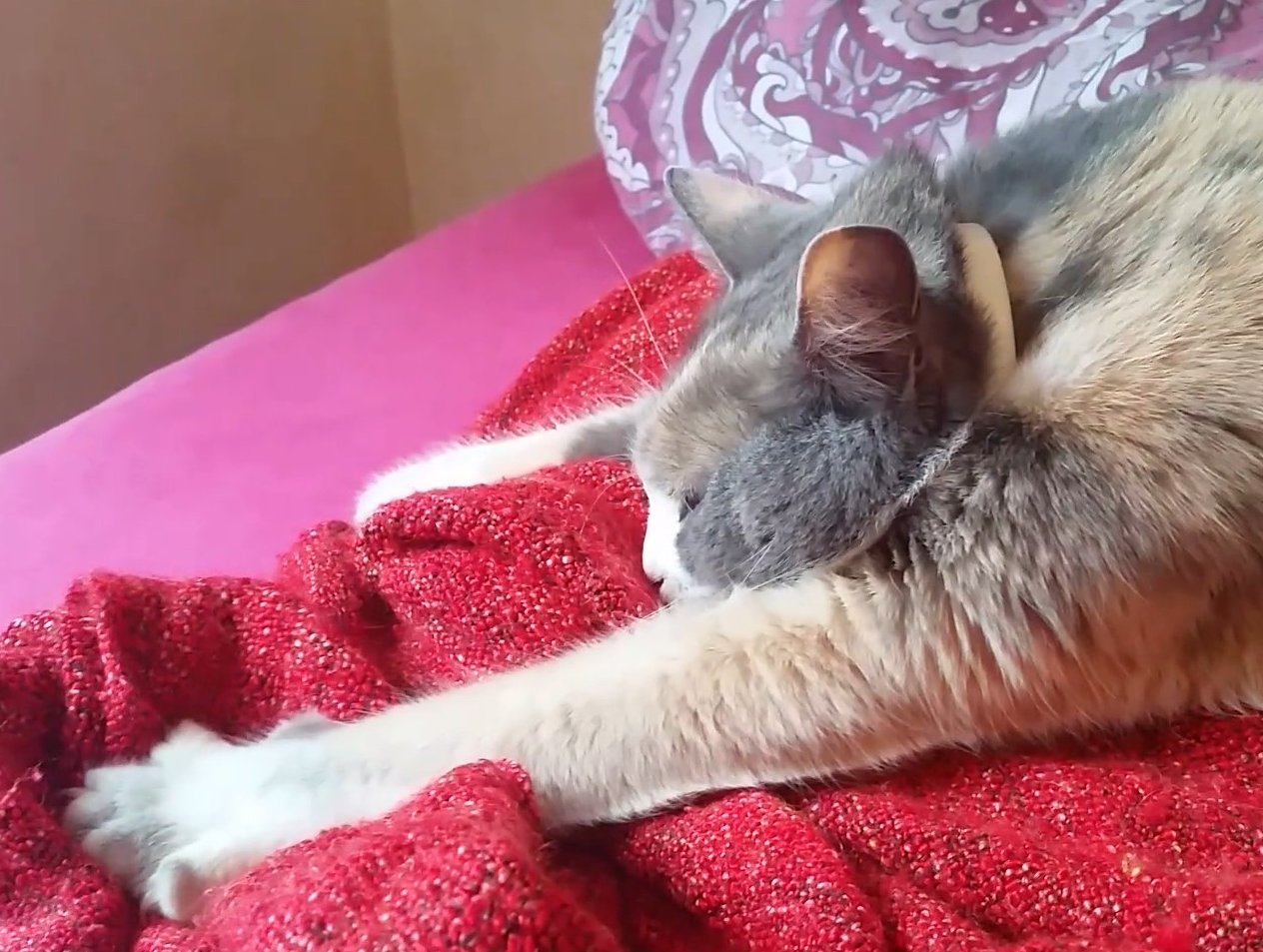
- The Biological Roots of Why Cats Knead
- Milk Let-Down and the Kitten’s First Meal
- The Comfort of the “Kneading” Scent Glands
- Why Adult Cats Knead: From Instinct to Emotion
- Marking Territory with Scent
- Stretching and Muscle Activation
- A Return to Kittenhood Comfort
- The Science Behind the “Making Biscuits” Motion
- Alternating Paw Pressure and Rhythm
- The Role of the “Kneading” Purr
- How to Respond When Your Cat Kneads
- When Kneading Becomes Painful (Claws)
- Encouraging Comfortable Kneading Sessions
- When Kneading Might Signal a Problem
- Excessive Kneading and Obsessive Behavior
- Kneading as a Sign of Discomfort
- The Connection Between Kneading and a Cat’s Wild Ancestors
- Preparing a Sleeping Spot in the Wild
- Territorial Communication Across Generations
- Conclusion: A Beautifully Complex Bond
- ❓ Frequently Asked Questions
Almost every cat owner has experienced the gentle, rhythmic push of paws against a soft blanket, a pillow, or even their own stomach. This peculiar behavior, known as cats knead, is one of the most endearing and mysterious actions in the feline world. While it might look like your cat is making biscuits or preparing a sleeping spot, the truth behind this instinctive motion is far more complex, rooted in biology, psychology, and the very earliest moments of a kitten’s life.
The Biological Roots of Why Cats Knead
To understand why cats knead, we must first travel back to the first hours after birth. The behavior is deeply wired into a kitten’s nervous system and serves a critical survival function during nursing.
Milk Let-Down and the Kitten’s First Meal
When a kitten presses its tiny paws rhythmically against its mother’s belly, it stimulates the mammary glands to release milk. This process, known as milk let-down, is triggered by the pressure and movement. Without this kneading, the flow of milk would be inconsistent. The kitten’s instinct to knead is so strong that it begins almost immediately after birth, often while still attached to the nipple. The motion is accompanied by a soft, high-pitched purr, which encourages the mother to remain still and continue nursing. A typical domestic cat has a gestation period of about 63 to 65 days, and kittens are born blind and deaf, relying entirely on this kneading reflex to feed during their first two weeks of life.
The Comfort of the “Kneading” Scent Glands
Kittens also have scent glands located in the soft pads of their paws. When they knead, they deposit their unique scent onto the mother and the surrounding area. This scent marking serves a dual purpose: it helps the kitten identify its mother and siblings, and it also creates a familiar, comforting environment. This early association between kneading and comfort from the mother is so powerful that it often persists into adulthood.
Why Adult Cats Knead: From Instinct to Emotion
While the primary reason for kneading in kittens is nutritional, adult cats continue the behavior for a variety of emotional and instinctual reasons. The act of kneading often signifies contentment, but it can also indicate other states of mind.
Marking Territory with Scent
As cats mature, the scent glands in their paws become more active. When your adult cat kneads your lap or a favorite blanket, it is not just expressing affection—it is also claiming you as part of its territory. This is a deep-seated feline instinct. In the wild, cats scent-mark their territory to communicate with other cats, and this behavior is a subtle way for your cat to say, “This human is mine.” The scent is undetectable to humans but is a powerful signal to other animals. A cat’s paws contain interdigital glands, and the specific chemical composition of a cat’s scent is unique to each individual, much like a human fingerprint.
Stretching and Muscle Activation
Kneading is also a form of gentle stretching. The alternating pressure of one paw and then the other helps to extend the muscles in the cat’s shoulders, back, and legs. This is particularly common after a long nap. A cat will often knead as it transitions from sleep to wakefulness, using the motion to increase blood flow and loosen tight muscles. The average house cat sleeps between 12 and 16 hours per day, so this stretching behavior is a practical way to prepare the body for movement.
A Return to Kittenhood Comfort
Many adult cats knead when they are feeling particularly safe, happy, or relaxed. This behavior is often accompanied by purring, drooling, or a “milk-treading” motion where the cat pushes its paws in and out. For a cat, kneading is a self-soothing mechanism that triggers the same feelings of security it felt as a nursing kitten. If your cat kneads you while purring loudly, it is a clear sign of trust and deep contentment. Some cats even suckle on a soft blanket or a piece of clothing while kneading, a behavior known as “wool sucking,” which is more common in cats that were weaned too early.
The Science Behind the “Making Biscuits” Motion
The rhythmic, pushing motion of kneading is more complex than it appears. It is not a random paw movement but a precise, alternating pattern that has been studied by animal behaviorists.
Alternating Paw Pressure and Rhythm
Most cats knead with a steady, alternating rhythm—left paw, right paw, left paw. The pressure is applied through the entire pad of the foot, not just the claws. However, many cats will extend and retract their claws slightly during the motion, which can be uncomfortable if they are on your lap. This claw extension is a remnant of the kitten’s need to stimulate the mother’s milk ducts. The rhythm of kneading can vary from a rapid, light tapping to a slow, deep press, depending on the cat’s mood. A contented cat will often close its eyes and maintain a steady, slow rhythm.
The Role of the “Kneading” Purr
Interestingly, the frequency of a cat’s purr—typically between 25 and 150 Hertz—is within a range known to promote bone density and tissue healing. Some researchers believe that the act of kneading, combined with purring, may help a cat maintain physical health. The vibration from the purr may also soothe the cat itself, reinforcing the calming effect of the kneading behavior. This is why you will almost never see a stressed or frightened cat kneading; the behavior is reserved for moments of safety and comfort.
How to Respond When Your Cat Kneads
Understanding why cats knead can help you respond appropriately, whether your cat is kneading your lap, a blanket, or even your pillow. The key is to ensure the experience remains positive for both of you.
When Kneading Becomes Painful (Claws)
If your cat’s claws are sharp, kneading can be painful. Never punish or yell at your cat for kneading, as this can break its trust. Instead, gently trim your cat’s claws on a regular basis—typically every two to three weeks. You can also place a thick blanket or towel on your lap before your cat settles in. If your cat’s claws become too sharp, you can gently place your hand under its paws to provide a barrier without startling it. Another effective method is to gently redirect the kneading to a soft pillow or a folded blanket beside you.
Encouraging Comfortable Kneading Sessions
To make kneading a positive experience, provide your cat with soft, textured surfaces. Fleece blankets, microfiber throws, or even a soft towel can be irresistible to a cat that loves to knead. You can also reward the behavior with gentle praise or a soft stroke. Avoid touching the cat’s paws directly while it is kneading, as this can be overstimulating for some cats. Instead, stroke its back or chin. Remember, kneading is a sign of trust and affection—embrace it as a bonding moment.
When Kneading Might Signal a Problem
While kneading is almost always a normal, healthy behavior, there are rare instances where it can indicate an underlying issue. Being aware of these signs can help you ensure your cat remains happy and healthy.
Excessive Kneading and Obsessive Behavior
If your cat suddenly begins kneading excessively, to the point where it interferes with eating, sleeping, or playing, it could be a sign of stress or anxiety. Cats may engage in repetitive, self-soothing behaviors when they are feeling insecure. A change in the household—such as a new pet, a move, or a new baby—can trigger this. In some cases, excessive kneading combined with wool sucking (suckling on fabric) can indicate that the cat was weaned too early, typically before 8 weeks of age. If the behavior is accompanied by aggression, hiding, or changes in appetite, consult your veterinarian.
Kneading as a Sign of Discomfort
In very rare cases, a cat that kneads excessively on hard surfaces or seems to be in pain while kneading may have a medical issue. For instance, a female cat in heat may knead and tread more frequently as part of her mating behavior. Also, if your cat is kneading and then suddenly stops and looks at its paws, it may have a splinter or a wound. Arthritis in older cats can also make the motion uncomfortable. The average lifespan of an indoor cat is 12 to 18 years, and as they age, their joints may become stiff. If you notice any signs of limping, swelling, or reluctance to knead, a veterinary check-up is advisable.
The Connection Between Kneading and a Cat’s Wild Ancestors
Even though your domestic cat lives a life of comfort, its kneading behavior is directly linked to the survival instincts of its wild ancestors. The African wildcat (Felis lybica), from which all domestic cats are descended, also kneads, though for slightly different reasons.
Preparing a Sleeping Spot in the Wild
In the wild, cats would knead tall grass, leaves, or soft earth to create a comfortable, safe nest for sleeping or giving birth. This motion would flatten the vegetation and help the cat check for hidden dangers like snakes or sharp objects. Your house cat’s instinct to knead a blanket or your lap is a direct echo of this ancient behavior. By kneading, a cat is essentially “preparing” its sleeping area, even if it is already perfectly soft. This is also why many cats circle their chosen spot before settling down—it is another remnant of wild bedding behavior.
Territorial Communication Across Generations
Wild cats also used scent marking from their paw pads to communicate their presence to other cats in the area. This was a non-confrontational way to claim a territory or a food source. When your cat kneads your sofa or your bed, it is performing the same ancestral ritual. The scent it leaves behind is a chemical message that says, “This spot is taken.” This is particularly common in multi-cat households, where cats may knead on the same spots repeatedly to reinforce their territorial claims.
Conclusion: A Beautifully Complex Bond
The question of why cats knead reveals a rich tapestry of instinct, emotion, and biology. From the very first moments of life as a nursing kitten, through to adulthood, this rhythmic motion serves as a powerful tool for survival, comfort, and communication. Whether your cat is “making biscuits” on a soft blanket or kneading your lap with purring contentment, it is sharing a piece of its deepest feline nature with you. Understanding this behavior not only helps you appreciate your cat’s unique personality but also strengthens the bond you share. So the next time your cat settles in for a kneading session, remember: it is not just a quirky habit—it is a language of trust, a whisper of its wild past, and a profound sign that you are its safe place in the world.
❓ Frequently Asked Questions
💬 Why do cats knead?
Cats knead as a natural instinct from kittenhood to stimulate milk flow from their mother, and in adulthood it often signifies comfort, contentment, or a way to mark territory with scent glands in their paws.
💬 Is kneading a sign of happiness in cats?
Yes, kneading is typically a sign of happiness and relaxation, as cats often purr and knead when they feel safe and content, such as when being petted or settling into a cozy spot.
💬 Why does my cat knead and then bite me?
This may indicate overstimulation or a playful reaction, as kneading can build excitement, and the bite is often a gentle warning to stop or a leftover nursing behavior from kittenhood.
💬 Should I stop my cat from kneading?
No, you should not stop kneading as it’s a normal, comforting behavior, but you can place a soft blanket between your cat and your skin if their claws feel uncomfortable.