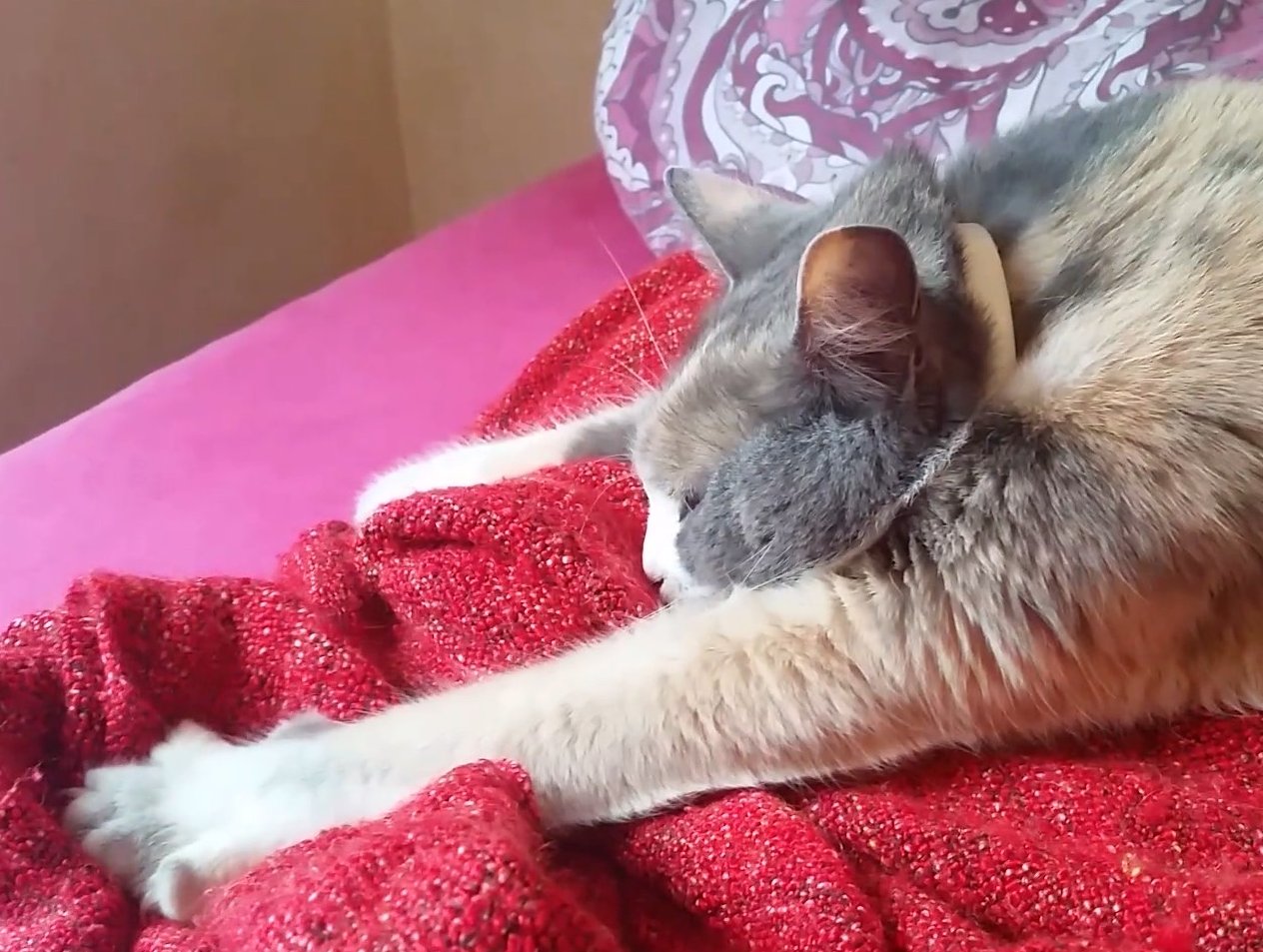
- What Exactly Is Kneading? A Quick Definition
- Why Do Cats Knead? The Kittenhood Origins
- Why Adult Cats Keep Doing It
- Why Do Cats Knead? Comfort, Memory, and Self-Soothing
- The Scent-Marking Secret Behind Those Paws
- The Bed-Making Instinct
- Is Kneading a Sign of Affection?
- Why Some Cats Drool While Kneading
- Why Does Kneading Sometimes Hurt? Managing Those Claws
- Kneading and Purring: A Powerful Combination
- The "Nursing" Blanket Phenomenon
- Kneading Across the Cat Family
- When Kneading Might Signal a Problem
- How to Encourage Healthy Kneading
- Fun Facts About Biscuit-Making
- The Sweet Truth Behind the Biscuits
- ❓ Frequently Asked Questions
If you have ever shared a sofa with a cat, you have probably felt it: those rhythmic, alternating paws pressing into your lap, a blanket, or a pillow, often accompanied by a deep, rumbling purr. It is one of the most endearing behaviors in the animal kingdom, and it raises a question nearly every cat owner eventually asks — why do cats knead? The answer stretches back millions of years, long before cats ever curled up on human furniture, and it weaves together kittenhood instincts, comfort, scent marking, and social bonding into one surprisingly rich story.
What Exactly Is Kneading? A Quick Definition
Kneading — affectionately called "making biscuits," "mashing," or "happy paws" — is the repetitive action of a cat pushing its front paws alternately in and out against a soft surface. The claws often extend and retract with each push, and the motion can be slow and dreamy or fast and intense. Some cats knead with all four paws, some only with the front two, and many drool, purr, or trill while doing it.
The behavior is nearly universal across the domestic cat, Felis catus, which has lived alongside humans for roughly 10,000 years. Domestic cats typically weigh between 8 and 10 pounds (3.6 to 4.5 kilograms), stand about 9 to 10 inches (23 to 25 centimeters) tall at the shoulder, and live an average of 12 to 15 years indoors, with many reaching their early twenties. Kneading shows up in cats of every breed and every size, from a 4-pound Singapura to a 20-pound Maine Coon.
Why Do Cats Knead? The Kittenhood Origins
The most widely accepted explanation for why cats knead begins in the first hours of life. Newborn kittens are born blind, deaf, and entirely dependent on their mother. To stimulate the flow of milk from her mammary glands, they press their front paws against her belly in a steady, alternating rhythm while nursing.
This is not random wriggling. The pressure mimics the let-down reflex that releases milk, and kittens that knead effectively get more to eat. A mother cat typically nurses her litter for about four to eight weeks, though weaning can stretch to ten weeks. During that window, kneading becomes hardwired as a behavior linked to food, warmth, safety, and the presence of mom.
Why Adult Cats Keep Doing It
Once kittens are weaned, they no longer need to stimulate milk — yet the behavior persists. Animal behaviorists believe this is a classic case of neoteny, the retention of juvenile traits into adulthood. Because kneading is paired with such a positive early experience, adult cats return to it whenever they feel safe and content. In a very real sense, a kneading cat is a cat that has decided you are family.
Why Do Cats Knead? Comfort, Memory, and Self-Soothing
Kneading is not only about happy memories. It also functions as a self-soothing mechanism, similar to the way a human might fidget with a stress ball or rock in a chair. The repetitive motion releases tension and appears to calm cats in moments of excitement or mild anxiety.
Watch closely and you will notice the context matters:
- Relaxed kneading: slow, eyes half-closed, loud purring — pure contentment.
- Intense kneading: fast, eyes dilated, sometimes accompanied by drooling — often triggered by a very soft blanket or a favorite person.
- Stress kneading: performed on a hard surface or while pacing — a sign the cat needs reassurance.
Veterinarians note that orphaned kittens raised without a mother often knead more vigorously than mothered kittens, which supports the idea that the behavior carries emotional weight far beyond feeding.
The Scent-Marking Secret Behind Those Paws
There is a practical, biological layer to kneading that many owners overlook. Cats have scent glands between their paw pads, along with glands on their cheeks, chin, and tail base. Every time a cat kneads, it deposits a cocktail of pheromones onto the surface beneath it.
To a cat, this is a form of territorial claiming — but a friendly one. By marking your lap, your bed, or your favorite sweater, the cat is essentially saying, "This is mine, and I am safe here." Because cats rely heavily on smell to navigate their world, a surface that smells like them feels secure. This is one reason cats often knead the same blanket or cushion again and again.
The Bed-Making Instinct
Some researchers link kneading to an ancestral nesting behavior. Wild felids such as African wildcats — the primary ancestor of the domestic cat — trample grass and leaves to flatten a sleeping spot before lying down. The paw-treading motion compresses vegetation, makes a softer bed, and can even disturb insects or snakes hiding beneath. Domestic cats retain this instinct, which is why a cat may knead a pile of laundry before curling up on it.
Is Kneading a Sign of Affection?
Yes — with an important caveat. Kneading is a strong indicator that a cat feels comfortable, but cats express affection differently from dogs. A cat that kneads you is choosing to be near you, to mark you as safe territory, and to engage in a behavior it associates with its earliest bond. In feline terms, that is a significant compliment.
Some cats knead only their favorite person, while others knead every soft surface in the house. There is no universal rule. What matters is the overall picture: relaxed body language, a soft tail, and a purr all point to genuine contentment.
Why Some Cats Drool While Kneading
Excessive drooling during kneading is common and usually harmless. It is thought to be a leftover from nursing, when kittens salivate in anticipation of milk. In older cats, the same trigger — deep relaxation plus the kneading motion — can activate that salivary response. If drooling appears suddenly in a cat that never did it before, however, a veterinary check is wise to rule out dental pain or nausea.
Why Does Kneading Sometimes Hurt? Managing Those Claws
For many owners, the joy of biscuit-making is tempered by sharp claws digging into bare skin or expensive upholstery. The good news is that this problem is entirely manageable without punishing the cat.
- Trim the claws: every two to three weeks, removing just the transparent tip. This dramatically reduces the "pin cushion" effect.
- Add a barrier: place a thick fleece blanket or a dedicated kneading cushion between the cat and your lap.
- Redirect gently: if the cat kneads a forbidden chair, offer a soft cat bed nearby and reward the cat for using it.
- Never scold: punishment confuses cats and can damage the bond that kneading represents.
Soft claw caps, available from most pet stores and applied by a veterinarian or groomer, are another option for cats that knead aggressively.
Kneading and Purring: A Powerful Combination
Kneading frequently pairs with purring, and the two behaviors reinforce each other. A cat's purr is produced by rapid contraction of muscles in the larynx and diaphragm, generating vibrations between roughly 25 and 150 hertz. Studies suggest these low-frequency vibrations may promote healing and reduce stress in both cats and the humans holding them.
When a cat kneads and purrs simultaneously, it is engaging in a full-body expression of security. Many owners report that this combination lowers their own blood pressure and anxiety — a rare case of mutual benefit between species.
The "Nursing" Blanket Phenomenon
Some adult cats knead while sucking on a corner of a blanket, a piece of clothing, or even a person's earlobe. This is called wool-sucking or fabric-sucking, and it is most common in cats separated from their mothers too early, typically before eight weeks of age. Siamese and Burmese cats show a higher incidence of the behavior. It is generally harmless, though a veterinarian should be consulted if a cat swallows fabric, which can cause dangerous intestinal blockages.
Kneading Across the Cat Family
Kneading is not exclusive to house cats. Many small felids exhibit similar trampling behavior, including the serval, the ocelot, and the bobcat. Even large cats such as cheetahs and lions have been observed pressing their paws into soft ground or bedding before resting. Because these species share a common ancestry with the domestic cat, the behavior likely predates domestication by millions of years.
What is unique about domestic cats is how frequently they direct the behavior at humans. Wild felids knead surfaces; house cats knead their people. That shift reflects the deep social bond that has formed between cats and humans over thousands of years of shared living.
When Kneading Might Signal a Problem
Kneading is almost always normal, but a few patterns warrant attention:
- Sudden, frantic kneading on hard surfaces, especially with vocalizing, may indicate pain or anxiety.
- Kneading followed by excessive grooming or hair loss can point to a stress-related skin condition.
- Kneading plus limping or reluctance to walk may indicate paw or joint injury.
- Fabric-sucking that escalates to swallowing requires immediate veterinary evaluation.
In otherwise healthy cats, kneading is a benign and even beneficial behavior. It provides exercise for the front limbs, maintains flexibility in the shoulders, and offers a reliable outlet for emotional expression.
How to Encourage Healthy Kneading
Rather than trying to stop kneading, most experts recommend channeling it. Provide your cat with a designated soft surface — a plush bed, a folded fleece throw, or a "kneading pillow" kept on the sofa. Keep claws trimmed, and reward calm kneading with gentle petting and a soft voice.
If your cat kneads you, consider it an invitation rather than an annoyance. Place a blanket over your lap, let the biscuit factory run, and enjoy one of the clearest signals of trust a cat can offer.
Fun Facts About Biscuit-Making
- The average domestic cat kneads for anywhere from 30 seconds to several minutes per session.
- Kittens begin kneading within minutes of birth, before their eyes open.
- Some cats knead in their sleep, a phenomenon linked to dreaming during REM cycles.
- Male and female cats knead equally; the behavior is not tied to sex or reproductive status.
- A 2019 survey of cat owners found that more than 80 percent reported their cats knead regularly.
The Sweet Truth Behind the Biscuits
So why do cats knead? The behavior is a remarkable blend of instinct and emotion. It begins as a survival mechanism in newborn kittens, becomes a lifelong habit tied to comfort and memory, and matures into a form of scent-marking and social bonding. When your cat presses its paws into your lap, it is not simply making biscuits — it is reaching back to the safest moment of its life and choosing to share that feeling with you.
Understanding this behavior lets owners respond with patience instead of irritation. Trim the claws, add a soft layer, and let the kneading continue. Every push of those paws is a small declaration of trust, and few things in the animal world are sweeter than that.
❓ Frequently Asked Questions
💬 Why do cats knead with their paws?
Kneading is an instinct cats carry from kittenhood, when they pressed their paws against their mother's belly to stimulate milk flow. Adult cats often knead when they feel relaxed, content, and safe, which is why it's commonly called 'making biscuits.'
💬 Does kneading mean my cat is happy?
Usually, yes. Cats most often knead when they're comfortable and relaxed, often while purring, being petted, or settling down to rest. However, some cats also knead when anxious or self-soothing, so read it alongside your cat's overall body language.
💬 Why does my cat knead me and drool?
Kneading on a person is a sign of deep affection and trust, echoing the comfort of nursing as a kitten. The drooling that sometimes comes with it is a leftover reflex from nursing and is generally harmless, though mention it to your vet if it's sudden or excessive.
💬 Should I stop my cat from kneading?
You don't need to stop it, since kneading is normal, healthy behavior and a sign your cat feels secure. If claws hurt, trim them regularly or place a soft blanket between your cat and your lap rather than punishing the behavior.