- The Genetic Blueprint Behind Corgi Short Legs
- Why Did the Mutation Survive? The Herding Advantage
- Comparing the Two Breeds: Pembroke vs. Cardigan
- Understanding Bone Growth and Joint Stress
- Health Implications: The Price of the Dwarf Gene
- Behavioral Traits and the Mind Inside the Low-Slung Body
- Environmental Needs and Adapting Your Home
- Selective Breeding and the Future of the Breed
- Living a Full Life: Exercise and Longevity Tips
- Conclusion: Embracing the Genetic Legacy
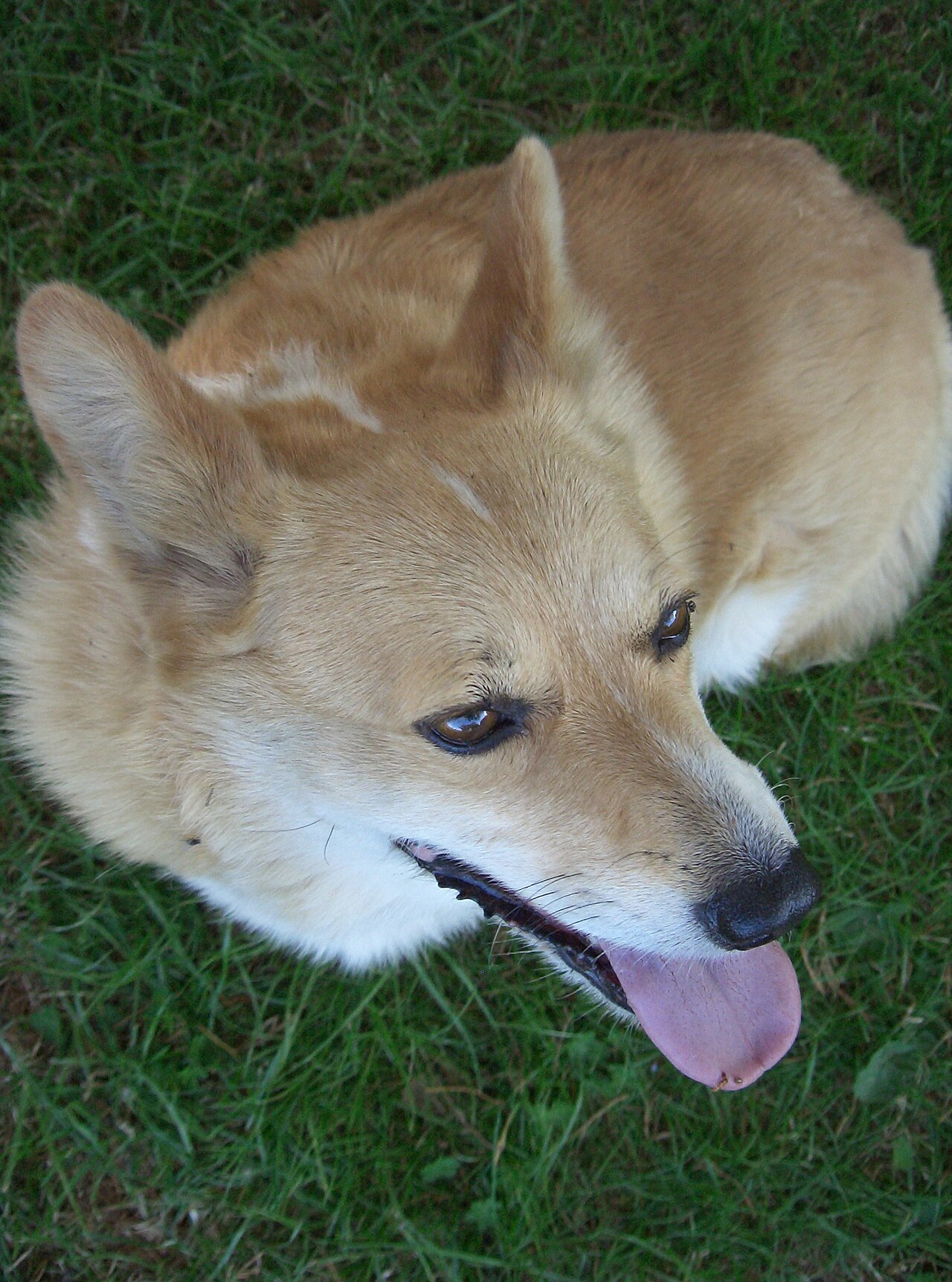
The instantly recognizable silhouette of a Corgi—a long, low body perched atop stubby legs—is one of the most beloved in the dog world, but the genetic truth behind corgi short legs is far more fascinating than a simple quirk of breeding. Those diminutive limbs are the result of a specific, ancient genetic mutation that affects bone growth, a condition known in veterinary science as chondrodysplasia. While this mutation creates the adorable "wiener dog" look that wins hearts worldwide, it is also a powerful example of how selective breeding for a single trait can have profound consequences for a dog's health, mobility, and lifespan. Understanding the precise genetic mechanism—and the difference between the two Corgi breeds—is essential for any owner or admirer who wants to appreciate these dogs fully and care for them responsibly.
The Genetic Blueprint Behind Corgi Short Legs
At the heart of the corgi short legs phenomenon lies a single, dominant genetic mutation affecting a gene called FGF4 (Fibroblast Growth Factor 4). In a normal dog, this gene helps regulate the orderly development of long bones from cartilage templates. However, in Corgis, an extra copy of this gene has been inserted into a different chromosome—a "retrogene" that disrupts normal signaling. This disruption causes the growth plates in the long bones (the radius, ulna, and femur) to prematurely stop producing cartilage, effectively shortening the limbs while leaving the spine and torso to grow at a normal rate. The result is a condition called chondrodysplasia, or disproportionate dwarfism.
This mutation is autosomal dominant, meaning that a dog only needs to inherit one copy of the mutated gene from either parent to exhibit the short-legged phenotype. If a puppy inherits two copies (one from each parent), the condition can be lethal, often leading to miscarriage or severe skeletal deformities. Breeders therefore carefully manage pairings to avoid producing "double-dwarf" puppies, which is why reputable breeders rarely breed two extremely short-legged dogs together without genetic testing. Interestingly, this same FGF4 retrogene mutation is shared by other short-legged breeds, including Dachshunds, Basset Hounds, and Pekingese, but the specific insertion point and its effects are particularly well-documented in the Pembroke and Cardigan Welsh Corgi.
The mutation does not affect the overall size of the dog; it only alters the length of the limbs relative to the body. A typical Pembroke Welsh Corgi stands only 10 to 12 inches (25-30 cm) at the shoulder, yet weighs between 25 and 30 pounds (11-14 kg). This gives them a body-to-leg ratio that is strikingly similar to that of a fox, but with a much heavier bone density. The genetic truth is that these legs are not simply "short" in a cosmetic sense; they are biomechanically engineered by a single gene error that has been preserved for centuries because of its utility in herding cattle.
Why Did the Mutation Survive? The Herding Advantage
To understand why such a dramatic genetic mutation was not eliminated by natural selection, one must look at the historical role of the Corgi in Wales. For over a thousand years, these dogs were bred not as lapdogs, but as working farm dogs tasked with driving cattle. The corgi short legs were not an accident; they were a functional asset. A low center of gravity allowed the dog to dart and weave beneath the kicks of angry cattle, avoiding hooves that would easily crush a taller dog. The short legs also enabled the Corgi to nip at the heels of cows and then drop flat to the ground instantly, making it nearly impossible for the cattle to strike back.
This herding style, known as "heeling," required a dog that was fast, agile, and fearless. The short legs provided a distinct advantage by keeping the dog's vital organs closer to the ground and out of the line of fire. Furthermore, the powerful, slightly bowed forelegs and strong shoulders gave Corgis remarkable turning ability, allowing them to change direction in an instant as cattle shifted. The Cardigan Welsh Corgi, which is slightly larger and has a foxy tail, was used similarly, but often worked in more rugged, rocky terrain where the shorter legs helped them maintain balance on uneven surfaces.
Without the mutation, the Corgi would likely have evolved into a taller, more generic herding dog, similar to a small Collie. But the selective pressure of working with large, aggressive livestock in the Welsh countryside favored the dwarfism gene so strongly that it became fixed in the breed. This is a classic example of how a genetic defect can become a breed standard when it provides a survival or working advantage. The corgi short legs are thus not a modern "designer" trait but an ancient adaptation that helped these dogs earn their keep as indispensable farmhands for centuries.
Comparing the Two Breeds: Pembroke vs. Cardigan
While both the Pembroke and the Cardigan Welsh Corgi share the same fundamental FGF4 mutation, their short legs manifest with subtle differences that are important for potential owners to recognize. The Pembroke Welsh Corgi is the more popular of the two, famously associated with Queen Elizabeth II. Pembrokes have straighter, more refined legs and a shorter, more compact body. Their feet are oval-shaped, and their front legs turn slightly inward, a trait known as "east-west" front, which is considered acceptable within the breed standard. They typically weigh up to 30 pounds and have a lifespan of 12 to 13 years.
The Cardigan Welsh Corgi, on the other hand, is slightly larger and heavier, with a more substantial bone structure. Their legs are also short but tend to be slightly longer relative to their body length, giving them a more "dachshund-like" appearance. Cardigans have a deep chest and their front legs are set wider apart, which provides better stability for their longer spine. They also retain a full, bushy tail, whereas Pembrokes are often born with a natural bobtail or are docked. Both breeds share the same metabolic needs and health risks, but the Cardigan's slightly different leg structure can make them marginally less prone to certain spinal issues, though they are by no means immune.
From a genetic testing standpoint, both breeds carry the same retrogene, and responsible breeders for both lines will use DNA tests to screen for the presence of the FGF4 mutation. The goal is to ensure that no puppy inherits two copies of the gene. It is a common misconception that the two breeds are simply "long-haired" and "short-haired" versions of the same dog; they are, in fact, distinct breeds with separate ancestries, having diverged over 3,000 years ago. However, their convergent evolution for short legs demonstrates how powerful the herding environment was in shaping both breeds' physical forms.
Understanding Bone Growth and Joint Stress
The biomechanics of a short-legged dog are fundamentally different from those of a normal-proportioned canine. In a standard dog, the shock of running and jumping is absorbed by the angles of the shoulder, elbow, and stifle (knee). In a Corgi, these angles are severely altered. The radius and ulna (forearm bones) are often bowed, and the shoulder joint is shallower, which places excessive stress on the elbow and carpal (wrist) joints. This is why Corgis are particularly prone to developing elbow dysplasia and arthritis at a relatively young age, sometimes as early as 3 to 4 years old.
The spine also bears an unusual load. Because the legs are short, the back is forced to act as a suspension system, absorbing more impact during running than it would in a longer-legged dog. Over time, this can lead to intervertebral disc disease (IVDD), a painful condition where the cushioning discs between the vertebrae bulge or rupture. This is the same condition that plagues Dachshunds, and it is a direct consequence of the corgi short legs genetic mutation. Owners must be vigilant about preventing their Corgis from jumping off furniture or climbing stairs, as these activities put explosive pressure on the spine and can trigger a herniated disc.
Health Implications: The Price of the Dwarf Gene
The genetic mutation that gives Corgis their charming appearance is a double-edged sword, and understanding the health implications is crucial for prospective owners. The most significant risk is IVDD, with studies suggesting that over 20% of Corgis will experience some form of disc disease in their lifetime. The short, bowed legs also contribute to a high incidence of hip dysplasia, especially in Cardigans, which are heavier. Additionally, the abnormal gait can lead to premature wear and tear on the patella (kneecap), causing it to slip out of place, a condition known as luxating patella.
Obesity is a severe secondary threat. Because their bodies are long and their legs are short, even a small amount of excess weight places enormous strain on their skeletal system. A Corgi that is just 2-3 pounds overweight is at a significantly higher risk for developing arthritis and exacerbating spinal issues. Owners must be disciplined with portion control, measuring food precisely, and limiting treats. A healthy adult Corgi requires only about 1 to 1.5 cups of high-quality dry food per day, divided into two meals. Their diet should be rich in omega-3 fatty acids to support joint health, and glucosamine supplements are often recommended by veterinarians as a preventative measure from the age of 2.
Despite these risks, many Corgis live long, happy lives. The key is proactive management. Regular, low-impact exercise such as walking on soft grass is excellent, but high-impact activities like frisbee catching or agility jumping should be strictly limited. Swimming is an outstanding alternative, as it provides cardiovascular fitness without jarring the spine. It is also vital to keep their nails trimmed short; long nails force the foot into an unnatural position, which compounds the stress on their already compromised leg joints. With proper care, a Corgi's lifespan typically ranges from 12 to 15 years, and many can maintain good mobility into their senior years.
Behavioral Traits and the Mind Inside the Low-Slung Body
Living with a Corgi means adapting to a personality that is far bigger than its legs. These dogs are exceptionally intelligent, ranking 11th in Stanley Coren's "The Intelligence of Dogs," and they possess a stubborn, independent streak that stems from their herding heritage. They were bred to make decisions on their own while moving cattle, which means they are not always eager to obey commands blindly. This intelligence, combined with their physical limitations, requires a unique approach to training and daily life.
Because their legs are short, Corgis cannot rely on speed to escape danger or to herd effectively in the modern world. Instead, they use their mouths and their bark. A Corgi will often "herd" children or other pets in the household by nipping at their heels, a behavior that must be curbed early through training. They are also notoriously vocal, barking at anything from a leaf blowing by to a visitor at the door. This makes them excellent watchdogs, but it can be a challenge in apartment living.
Despite their low-slung build, Corgis have a surprising amount of stamina. They were bred to work all day on the farm, and they require at least 60 minutes of exercise daily to prevent boredom and destructive behavior. A bored Corgi will resort to chewing furniture, digging, or excessive barking. Mental stimulation is just as important as physical exercise. Puzzle toys, scent work, and obedience training that rewards them with treats or play are essential. They thrive on having a "job," and if you do not provide one, they will create their own—often by organizing your household according to their rules.
Their affectionate nature is a major draw, but it comes with a caveat: they can be bossy and territorial. Early socialization is critical to ensure they are comfortable around other dogs and strangers. They are generally good with children if raised with them, but their herding instinct can cause them to chase and nip at running toddlers. With firm, consistent, and positive reinforcement-based training, they become loyal and devoted companions, often forming an incredibly strong bond with one primary person. They are not a breed for a sedentary owner; they require engagement and activity to be happy.
Environmental Needs and Adapting Your Home
Owning a Corgi requires a home environment that accommodates their unique physical structure. The corgi short legs mean that everyday household items can become obstacles. Stairs are a major hazard; repetitive climbing puts immense strain on the lumbar spine and can lead to premature arthritis or acute disc rupture. It is highly recommended to install ramps or pet stairs next to sofas and beds, or to train your Corgi to use a ramp for car access. If you live in a multi-story home, carrying the dog up and down stairs is the safest option, especially for puppies and senior dogs.
Their living space should also be free of slippery surfaces. Hardwood floors and tile offer no traction, causing the dog's legs to splay out awkwardly, which can pull muscles in the shoulders and hips. Using area rugs or runners in high-traffic zones provides the grip they need to move safely. Outdoors, a securely fenced yard is essential, as Corgis are notorious for their ability to escape and their tendency to chase anything that moves. However, the fence must be checked regularly, as their low center of gravity allows them to dig underneath surprisingly quickly.
Climate is another consideration. Corgis have a thick, double coat that is somewhat water-resistant, designed for the damp, cool Welsh climate. They tolerate cold weather well, but they can overheat quickly in hot, humid environments. Because their legs are short, they are also closer to the hot pavement, which can burn their paw pads rapidly. In summer, walks should be scheduled for early morning or late evening, and they should always have access to shade and fresh water. Their coat sheds heavily twice a year (and moderately year-round), so a high-quality vacuum cleaner and a regular brushing routine of at least three times per week are non-negotiable for a clean home.
Selective Breeding and the Future of the Breed
The future of the Corgi relies on a delicate balance between preserving their iconic appearance and safeguarding their health. The genetic truth is that the same mutation responsible for their charm is also responsible for their fragility. Modern breeders are increasingly utilizing advanced genetic testing to identify carriers of the FGF4 retrogene. By understanding the genetic status of their breeding stock, they can make informed decisions to reduce the incidence of painful skeletal disorders without eliminating the short-legged trait altogether.
There is a growing movement within the veterinary community to encourage breed standard modifications. Some argue that slightly longer legs and a more moderate body length would significantly reduce the incidence of IVDD and hip dysplasia. However, this is met with resistance from traditional breeders who believe that the "low-rider" look is essential to the breed's identity. The American Kennel Club standard for the Pembroke explicitly calls for "short" legs, with the ideal height-to-length ratio being 1 to 1.8. Changing this standard is a contentious issue, but it is a conversation that is gaining momentum as more data emerges about the long-term welfare of these dogs.
For the average owner, the most impactful action is to choose a breeder who prioritizes health over extremes. A reputable breeder will provide health clearances for the parents, including hip scores, elbow evaluations, and DNA tests for the FGF4 gene. They will also be honest about the risks of the breed and will not breed dogs that have exhibited severe spinal issues. Adopting a rescue Corgi is another wonderful option, but it is crucial to be aware that many rescue dogs come with pre-existing joint or back problems that require expensive veterinary care. Insurance for a Corgi is highly recommended, as the cost of treating a herniated disc can easily exceed $5,000.
Living a Full Life: Exercise and Longevity Tips
Despite the genetic limitations, Corgis can lead remarkably active and fulfilling lives if their owners are smart about their care. The key is to focus on duration over intensity. Instead of a 30-minute sprint, aim for a 60-minute leisurely walk that allows the dog to sniff and explore. This provides mental enrichment without the pounding impact of running. Off-leash play in a safe, enclosed area is beneficial, but owners should monitor for excessive twisting and jumping, which can torque the spine.
Weight management is the single most effective way to extend a Corgi's lifespan and quality of life. A lean Corgi with visible waistline and easily felt ribs is much healthier than a chubby one. Feeding a high-quality, age-appropriate diet and using a measuring cup for every meal is essential. Treats should be limited to small, low-calorie options like green beans, carrots, or small pieces of apple. Regular weigh-ins every two weeks can help catch any creeping weight gain before it becomes a problem.
Routine veterinary care is also paramount. Annual check-ups should include a thorough orthopedic examination to detect early signs of arthritis or joint laxity. Many Corgis benefit from starting a joint supplement containing glucosamine and chondroitin by the age of 3, and some may require prescription anti-inflammatory medications as they age. With diligent care, it is not uncommon for a Corgi to reach 15 years of age, maintaining a happy, playful demeanor well into their golden years. The corgi short legs may dictate the physical boundaries of their life, but they do not limit the depth of their loyalty, intelligence, and affection.
Conclusion: Embracing the Genetic Legacy
The genetic truth behind corgi short legs is a story of ancient adaptation, human selection, and inherent vulnerability. This single mutation for chondrodysplasia has given us one of the most charismatic and capable herding dogs in history, but it also demands a high level of responsibility from owners. By understanding that those adorable stubby legs are not just a cosmetic feature but a genetic compromise, we can better appreciate the dog's needs. The corgi short legs are a testament to the power of genetics—a powerful reminder that every adorable trait we love in our pets comes with a biological history and a set of consequences. To love a Corgi is to accept this entire package, and to commit to providing a life that protects their vulnerable spine, manages their weight, and celebrates their incredible spirit. In doing so, we honor the ancient partnership between humans and these remarkable little dogs, ensuring that their joyful bark and determined waddle continue to brighten our lives for generations to come.