- The Myth of Cows Four Stomachs: What Farmers and Biologists Know
- Why Not Just One Stomach Like Humans?
- The Real Reason Cows Evolved Four Stomachs: Survival on Low-Quality Food
- Real-World Examples: How Different Breeds Use Their Four Compartments
- How the Four Compartments Work Together: A Step-by-Step Guide
- The Role of Saliva in the Four-Compartment System
- Common Misconceptions About Cows Four Stomachs
- The Lifespan and Health of the Bovine Digestive System
- Conclusion: Why Understanding Cows Four Stomachs Matters
- ❓ Frequently Asked Questions
The phrase "cows four stomachs" is one of the most common misconceptions in animal biology—cows actually have one stomach with four specialized compartments, a remarkable adaptation that allows them to thrive on a diet of grass and roughage that most mammals cannot digest. Understanding why cows evolved this complex digestive system reveals a fascinating story of evolution, symbiosis, and survival.
The Myth of Cows Four Stomachs: What Farmers and Biologists Know
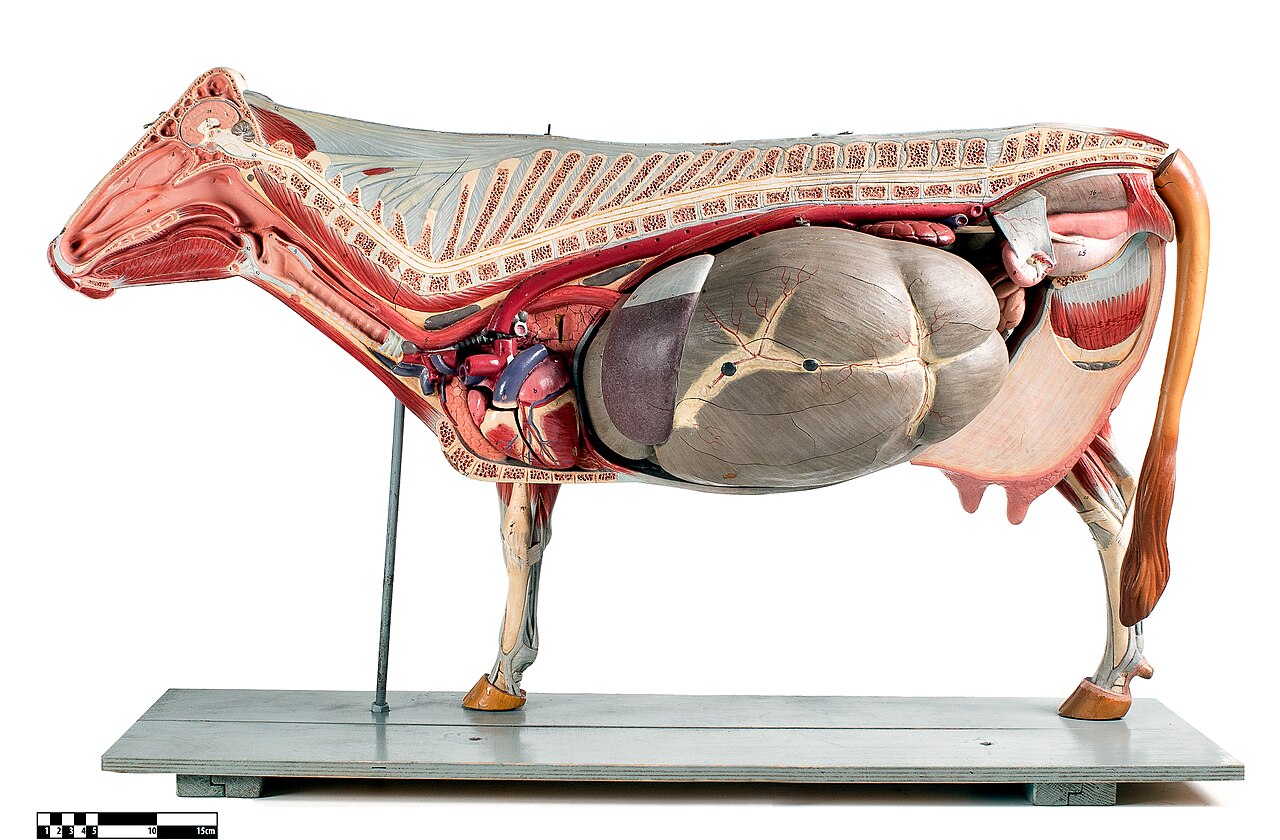
When people say cows have four stomachs, they are referring to the four compartments of the bovine digestive tract: the rumen, reticulum, omasum, and abomasum. Each compartment performs a distinct function in breaking down plant material. The true stomach is the abomasum, which is similar to a human stomach, while the first three compartments are modified sections of the esophagus. This system is called a ruminant digestive system, and it is shared by other grazing animals like sheep, goats, deer, and giraffes.
The rumen is by far the largest compartment, holding up to 40 gallons (150 liters) in an adult dairy cow. It acts as a fermentation vat where billions of bacteria, protozoa, and fungi break down cellulose—the tough fiber in grass—into volatile fatty acids that the cow can absorb for energy. Without these microbes, cows could not extract nutrients from grass. The reticulum, often called the "honeycomb" due to its textured lining, works closely with the rumen to trap foreign objects like nails or wire and to help regurgitate cud for re-chewing.
The omasum, sometimes called the "manyplies" or "butcher's bible" because of its many folds, absorbs water and minerals from the digested material. Finally, the abomasum secretes digestive enzymes and acids to break down proteins and fats, similar to a monogastric stomach. This four-compartment system is not about having multiple stomachs, but about maximizing digestion efficiency in a herbivorous lifestyle.
Why Not Just One Stomach Like Humans?
Humans and other monogastric animals have a simple stomach that secretes acid and enzymes to break down food quickly. However, grass contains cellulose, a complex carbohydrate that requires specialized enzymes to digest. Humans lack these enzymes, which is why we cannot eat grass. Cows, through their symbiotic relationship with microbes, can ferment cellulose over a long period. The four compartments allow for a continuous, slow process: food can be stored in the rumen for up to 48 hours, allowing microbes ample time to break it down before it moves to the omasum and abomasum for final digestion.
The Real Reason Cows Evolved Four Stomachs: Survival on Low-Quality Food
The evolutionary driver behind cows four stomachs is the need to survive on a diet of fibrous, low-nutrient plant material. Ancestral ruminants appeared around 50 million years ago during the Eocene epoch, when forests began to give way to grasslands. Early ungulates that could digest grass had a significant advantage over those that could only eat softer leaves or fruits. The four-compartment stomach allowed these animals to extract maximum energy from grass, which is abundant but hard to digest.
This adaptation also allowed cows to avoid competition with other herbivores. By eating grass, cows could thrive in open plains where other animals could not. The rumen's fermentation process produces methane as a byproduct, which is why cows are a major source of agricultural greenhouse gases—a modern consequence of an ancient evolutionary solution.
Furthermore, the ability to regurgitate and re-chew cud, a behavior called rumination, increases surface area for microbial action. A cow can spend up to eight hours a day chewing cud, which helps break down plant fibers mechanically before they are re-swallowed and re-digested. This process is so efficient that a cow can extract up to 70% of the energy from grass, compared to less than 30% for a non-ruminant herbivore like a horse.
Real-World Examples: How Different Breeds Use Their Four Compartments
Different breeds of cattle have slightly different rumen sizes and fermentation efficiencies based on their diet and habitat. For example, the Highland cow, native to the rugged Scottish Highlands, has a particularly large rumen that allows it to digest coarse, low-quality grasses and heather during harsh winters. In contrast, dairy cows like Holsteins have been selectively bred for high milk production, which requires a highly efficient rumen that can process large amounts of high-quality feed like alfalfa and corn silage. The rumen of a Holstein can process up to 100 pounds (45 kg) of feed per day, producing enough volatile fatty acids to support milk yields of over 10 gallons (38 liters) per day.
Beef breeds like Angus or Hereford have a slightly smaller rumen relative to body size because they are fed energy-dense grains that are easier to digest. However, even grain-fed cattle rely on their four-compartment stomach to handle the fiber in their diet. The average lifespan of a beef cow is 15-20 years, though most are slaughtered much younger, while dairy cows may live 5-7 years in commercial systems due to the metabolic strain of high milk production.
How the Four Compartments Work Together: A Step-by-Step Guide
To understand why cows four stomachs are essential, it helps to trace the path of food through the system. When a cow grazes, it tears grass with its tongue and lower incisors, swallowing it with minimal chewing. The grass enters the rumen and reticulum, where it is mixed with saliva and microbes. The reticulum then contracts, pushing some material back up to the mouth as cud. The cow chews this cud for about one minute per bolus before swallowing again.
After repeated chewing, the particles become small enough to pass through the rumen and into the omasum. Here, water and many minerals are absorbed, reducing the volume of the digesta. The omasum also grinds particles further with its muscular folds. Finally, the digesta enters the abomasum, where hydrochloric acid and enzymes like pepsin break down proteins. This acid kills many of the bacteria that were essential in the rumen, and those bacteria become a source of protein for the cow—a process called microbial protein synthesis.
This entire journey takes 36 to 48 hours for grass-based diets, but can be as short as 24 hours for grain-based diets because grains are easier to digest. The efficiency of this system is why cows can gain weight on pasture alone, while humans would starve on the same diet.
The Role of Saliva in the Four-Compartment System
Cows produce an enormous amount of saliva—up to 50 gallons (190 liters) per day. This saliva is rich in bicarbonate, which buffers the rumen's pH. Without this buffering, the volatile fatty acids produced by fermentation would make the rumen too acidic, killing the microbes. The saliva also contains urea, which is recycled from the blood and provides nitrogen for microbial growth. This recycling of nitrogen is another key adaptation that allows cows to thrive on low-protein grass.
Common Misconceptions About Cows Four Stomachs
Many people believe that cows have four separate stomachs like four chambers in a heart, but this is anatomically incorrect. The four compartments are subdivisions of one stomach, and they are connected in series. Another myth is that cows can eat anything because of their stomachs. In reality, cows are highly specialized herbivores and cannot digest meat, bones, or most human foods. Feeding cows animal byproducts led to outbreaks of bovine spongiform encephalopathy (mad cow disease) in the 1980s and 1990s, which is why such practices are now banned in many countries.
There is also a misconception that all ruminants have four compartments. While most ruminants do, some like the chevrotain (mouse-deer) have a three-compartment stomach. True ruminants like cattle, sheep, goats, deer, antelope, and giraffes all have four compartments, but their relative sizes vary. For example, a giraffe's rumen is smaller relative to body size because it eats leaves rather than grass, which are higher in protein and easier to digest.
The Lifespan and Health of the Bovine Digestive System
A healthy cow's digestive system is crucial for its overall well-being. Common health issues include bloat, which occurs when gas builds up in the rumen and cannot be released, often due to eating too much legume hay or lush pasture. Bloat can be fatal within hours if not treated. Another condition is acidosis, caused by eating too much grain, which lowers rumen pH and kills beneficial microbes. This can lead to laminitis (inflammation of the hooves) and reduced milk production.
In the wild, cows and their ancestors lived in herds on open grasslands, eating a variety of grasses and forbs. Their digestive system evolved to handle this diverse diet. Today, domestic cows are often fed monocultures of corn or soy, which can stress the rumen. Farmers manage this by gradually introducing new feeds and providing buffers like sodium bicarbonate in the diet. The average lifespan of a wild cow or a well-managed domestic cow can be 20 years or more, though most dairy cows are culled after 5-7 years due to declining productivity.
Conclusion: Why Understanding Cows Four Stomachs Matters
The fact that cows have four stomach compartments is not a quirky oddity but a masterpiece of evolutionary engineering. It allows them to convert inedible grass into high-quality meat, milk, and leather, supporting human civilization for thousands of years. By understanding the real reason behind this adaptation, we can better appreciate the complexity of animal biology and the importance of sustainable farming practices that respect the natural digestive process of these remarkable animals. Whether you are a farmer, a student, or simply a curious reader, the story of the cow's stomach is a powerful reminder of how evolution solves the challenge of survival in a competitive world.
❓ Frequently Asked Questions
💬 Do cows really have four stomachs?
Yes, cows have a four-compartment stomach consisting of the rumen, reticulum, omasum, and abomasum, which allows them to digest tough plant material like grass through a process called rumination.
💬 What does each of the four stomachs do?
The rumen ferments food with microbes, the reticulum traps hardware and helps regurgitate cud, the omasum absorbs water and nutrients, and the abomasum functions like a human stomach using digestive enzymes.
💬 Why do cows need four stomachs instead of one?
Cows are herbivores that eat cellulose-rich plants, which are hard to break down; their four-chambered stomach lets them ferment food with bacteria, regurgitate and re-chew it (chewing cud), and extract maximum nutrients.
💬 Can cows digest without chewing cud?
No, chewing cud is essential—it helps physically break down plant fibers in the rumen, allowing microbes to access and ferment the material, which is necessary for nutrient absorption.