- The Genetic Blueprint Behind Dachshund Short Legs
- How Chondrodysplasia Works
- The Role of Selective Breeding
- Evolutionary Purpose: Why Dachshund Short Legs Were a Hunting Advantage
- Digging and Burrowing Efficiency
- Maneuverability in Tight Spaces
- Physical Characteristics Beyond the Legs
- Body Proportions and Weight
- Coat Variations and Adaptation
- Health Implications of Dachshund Short Legs
- Intervertebral Disc Disease (IVDD)
- Joint and Bone Issues
- Behavior and Temperament: The "Big Dog" in a Small Package
- Tenacity and Stubbornness
- Vocal and Protective Nature
- Modern-Day Dachshunds: Adapting to a Life of Leisure
- Exercise Needs for Short Legs
- Diet and Nutrition
- Conclusion: Celebrating the Dachshund's Unique Design
- ❓ Frequently Asked Questions
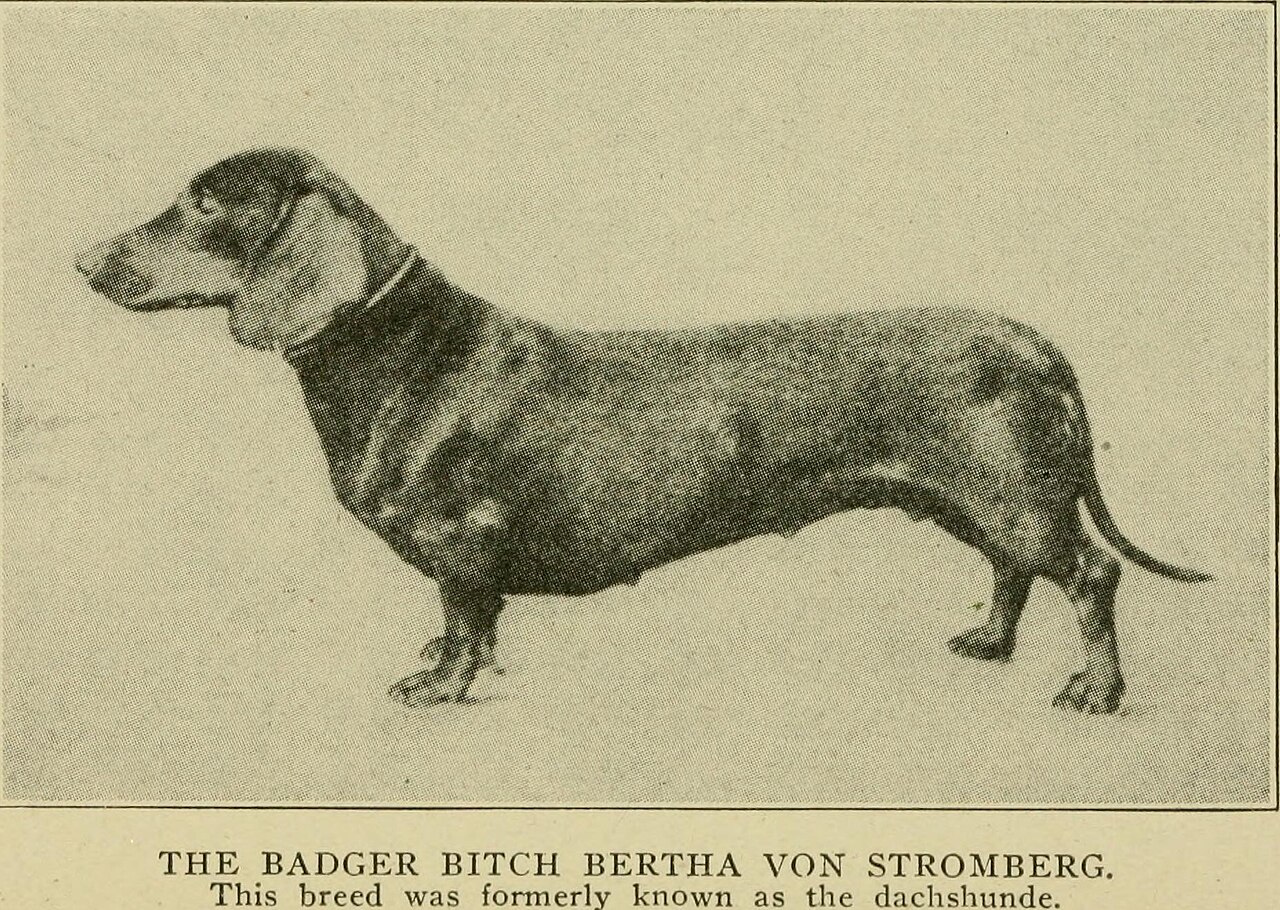
When you picture a wiener dog, the first thing that comes to mind is its unmistakable silhouette: a long, low body perched on disproportionately tiny legs. The dachshund short legs are not just a quirky trait; they are the result of a fascinating genetic mutation that was deliberately preserved through selective breeding. This article explores the scientific, historical, and practical reasons behind those iconic little legs, from their origins as fierce badger hunters to their modern-day role as beloved family pets.
The Genetic Blueprint Behind Dachshund Short Legs
At the heart of the dachshund short legs lies a specific genetic condition known as chondrodysplasia, a form of disproportionate dwarfism. This is the same genetic mechanism that gives other breeds like the Basset Hound, Corgi, and Pekingese their shortened limbs. The mutation affects the FGF4 gene, which is responsible for regulating growth in the long bones of the legs. In dachshunds, a retroviral insertion causes the gene to be overexpressed, halting the elongation of the leg bones while allowing the rest of the body to develop normally.
How Chondrodysplasia Works
In a normal dog, the growth plates at the ends of the long bones (femur, tibia, humerus) gradually lengthen until the puppy reaches maturity. In dachshunds, these growth plates close prematurely, resulting in legs that are about one-third the length of a standard dog of similar weight. This is why a miniature dachshund might stand only 5 to 6 inches tall at the shoulder, while a standard dachshund reaches 8 to 9 inches. Despite their short stature, their paws remain large and paddle-like, which helps them dig effectively—a crucial adaptation for their original job.
The Role of Selective Breeding
This genetic mutation did not appear by accident. German foresters and hunters in the 15th century began selectively breeding dogs that exhibited this trait. They noticed that dogs with shorter legs could more easily enter badger dens without getting stuck. Over generations, breeders favored individuals with the most pronounced shortness, eventually fixing the trait in the breed. Today, all purebred dachshunds carry this mutation, though it is also linked to a higher risk of intervertebral disc disease (IVDD), a serious spinal condition.
Evolutionary Purpose: Why Dachshund Short Legs Were a Hunting Advantage
The original German name for the breed, Dachshund, literally translates to "badger dog." This tells you everything about their intended purpose. The dachshund short legs were not a cosmetic feature; they were a highly functional adaptation for underground hunting. Badgers are formidable opponents—stocky, powerful, and armed with sharp claws and teeth. A dog needed to be long, low, and courageous to face one in its own den.
Digging and Burrowing Efficiency
Dachshunds are natural diggers. Their short, strong legs act like miniature shovels, allowing them to excavate soil quickly. A standard dachshund can dig a tunnel deep enough to follow a badger into its sett. The low center of gravity provided by the short legs also gives them incredible stability when pulling a badger out of its hole. Their large, webbed paws (a trait shared with some other earthdog breeds) further enhance their digging ability. This combination of traits made them indispensable for hunting vermin like badgers, foxes, and even wild boar in packs.
Maneuverability in Tight Spaces
Imagine trying to navigate a narrow, twisting underground tunnel. A dog with long legs would get stuck at the first turn. The dachshund's elongated body and short legs allow it to pivot and twist in confined spaces. Their flexible spine, while a liability for IVDD, was a huge advantage underground, enabling them to change direction quickly. This is why they were also used to flush out rabbits and other small game from their burrows. The breed’s tenacity and loud bark helped hunters locate them when they were underground.
Physical Characteristics Beyond the Legs
The short legs are just one part of a larger physical package that makes dachshunds so distinctive. Their entire body is built for a specific purpose. Understanding these features helps explain why the legs are the length they are.
Body Proportions and Weight
Standard dachshunds typically weigh between 16 and 32 pounds, while miniature dachshunds weigh 11 pounds and under. Their chest is deep and oval-shaped, allowing for ample lung capacity despite the short ribcage. The forelegs are straight and well-boned, with the shoulders sloping backward to allow for a long, reaching stride. Their hindquarters are muscular, providing the power needed to propel themselves forward when digging or pulling. The ratio of body length to height is roughly 2:1, meaning a 12-inch-long dachshund will stand only about 6 inches tall at the shoulder.
Coat Variations and Adaptation
Dachshunds come in three coat types: smooth, longhaired, and wirehaired. Each was developed for different hunting conditions. The smooth coat is low-maintenance and sheds dirt easily, ideal for burrowing. The longhaired coat provides warmth in cold climates, and the wirehaired coat offers protection from thorns and brambles. Regardless of coat type, all dachshunds share the same short legs, a testament to the breed's unified genetic foundation. Their lifespan typically ranges from 12 to 16 years, with miniature varieties often living slightly longer.
Health Implications of Dachshund Short Legs
While the short legs are an endearing feature, they come with significant health challenges. The same genetic mutation that creates the iconic shape also predisposes the breed to serious orthopedic and spinal issues. Responsible owners must be aware of these risks.
Intervertebral Disc Disease (IVDD)
The most common and serious health problem in dachshunds is IVDD. Because their spine is elongated relative to their leg length, the discs between the vertebrae are under constant stress. A simple jump off the couch or a playful tumble can cause a disc to rupture, leading to pain, paralysis, or even loss of bladder control. Studies show that about 25% of dachshunds will experience some form of IVDD in their lifetime. This is directly linked to the breed's short legs and long back. Preventative measures include limiting jumping, using ramps for furniture, and maintaining a healthy weight.
Joint and Bone Issues
The short legs also put extra strain on the joints, particularly the elbows and shoulders. Patellar luxation (dislocated kneecap) is common in miniature dachshunds. Additionally, their heavy bone structure relative to their size means they are prone to arthritis later in life. Obesity is a major concern, as excess weight exacerbates both spinal and joint problems. A healthy diet and controlled exercise are crucial for managing these risks. Owners should consult a veterinarian for a weight management plan if their dachshund exceeds its ideal body condition score.
Behavior and Temperament: The "Big Dog" in a Small Package
Despite their short legs, dachshunds have a personality that is anything but small. They were bred to be fearless, tenacious, and independent—traits that made them excellent hunters but can sometimes be challenging in a family setting. Their behavior is directly linked to their history as earthdogs.
Tenacity and Stubbornness
Dachshunds are famously stubborn. This trait comes from their hunting heritage: a dog that gives up easily would not succeed in dragging a badger from its den. They are intelligent but often choose to ignore commands if they find something more interesting (like a squirrel or a smell). This independent streak requires patient, consistent training from an early age. Positive reinforcement methods work best, as harsh corrections can make them defensive.
Vocal and Protective Nature
Dachshunds are excellent watchdogs. They have a surprisingly loud, deep bark for a small dog, which they use to alert their owners to anything unusual. This trait was also useful for hunters, as the dog's bark helped them locate it underground. They are loyal to their families but can be wary of strangers. Socialization from puppyhood is essential to prevent excessive barking or aggression. They also have a strong prey drive, so they may chase small animals or even children running, due to their instinct to pursue.
Modern-Day Dachshunds: Adapting to a Life of Leisure
Today, most dachshunds are companion animals rather than working hunters. However, their instincts remain strong. Understanding their origins helps owners provide a fulfilling life for their pets, even if they no longer chase badgers.
Exercise Needs for Short Legs
Despite their short legs, dachshunds are energetic dogs. They need daily walks and playtime to burn off energy and maintain a healthy weight. However, their exercise should be carefully managed. High-impact activities like jumping, running on hard surfaces, or climbing stairs can increase the risk of IVDD. Short, frequent walks on soft grass are ideal. Many dachshunds also enjoy scent work or "earthdog" trials, where they can use their natural digging and tracking abilities in a controlled environment.
Diet and Nutrition
A balanced diet is crucial for dachshunds. Their short legs and long back mean that even a small amount of extra weight can put significant strain on their spine. High-quality dog food with controlled calories is recommended. Treats should be limited, and owners should avoid feeding table scraps. The ideal body condition for a dachshund is one where you can easily feel their ribs without a thick layer of fat. Regular weigh-ins at the vet can help monitor their weight.
Conclusion: Celebrating the Dachshund's Unique Design
The dachshund short legs are a remarkable example of how a single genetic mutation, when paired with centuries of selective breeding, can create a dog perfectly adapted to a specific role. From their origins as fearless badger hunters in medieval Germany to their current status as one of the most popular companion breeds worldwide, these little dogs have proven that great things come in small, low-to-the-ground packages. While their short legs present unique health challenges, they also make dachshunds instantly recognizable, endlessly charming, and undeniably functional. Whether they are digging in the backyard, barking at the mailman, or curling up on the couch, dachshunds remind us that evolution and human ingenuity can produce something truly extraordinary.
❓ Frequently Asked Questions
💬 Why do dachshunds have short legs?
Dachshunds have short legs due to a genetic mutation called chondrodysplasia, which causes dwarfism by affecting bone growth in their limbs. This trait was intentionally bred to help them dig into badger dens and hunt underground.
💬 Are dachshund short legs a health problem?
Yes, their short legs can lead to health issues like intervertebral disc disease, because their long spines are prone to strain. Owners should avoid letting them jump from heights or climb stairs to protect their backs.
💬 Do all dachshunds have short legs?
No, there are two size varieties: standard dachshunds have short legs, while miniature dachshunds also have short legs but are smaller overall. However, both types share the same dwarfism trait that gives them their iconic stature.
💬 Can dachshunds run fast with short legs?
Despite their short legs, dachshunds can run quickly over short distances due to their muscular bodies and efficient gait. However, they tire easily and are not built for long-distance running like longer-legged breeds.