- The Genetics Behind Dalmatian Spots
- The Role of Recessive Genes
- Spot Colors: Black, Liver, and Beyond
- How Dalmatian Spots Develop Over Time
- Spot Counts: How Many Is Normal?
- The Blank Side: Why Some Spots Fade
- The Unique Spot Pattern: No Two Dalmatians Are Alike
- The Randomness Explained by Cell Migration
- The Dalmatian's Ancestry: Where Did the Spots Come From?
- From Firehouses to Firemares
- Spotted by Royal Decree
- Health Concerns Linked to Dalmatian Spots
- The Uric Acid Connection
- The Importance of Genetic Screening
- Caring for a Spotted Coat
- Diet and Exercise for a Spotted Athlete
- Famous Dalmatians and Their Spots
- Conclusion: The Surprising Truth About Dalmatian Spots
At the heart of every Dalmatian's charm lies a coat that raises one of the most common questions in dog-dom: what exactly causes dalmatian spots? Unlike the patches of a Holstein cow or the irregular blotches of a Great Dane, the Dalmatian's markings are perfectly round, evenly distributed, and unique to each and every dog. The surprising truth is that these iconic spots are not simply a color pattern—they are the result of a complex genetic queue, a quirk of cellular migration, and an ancient lineage that once sprinted alongside horse-drawn carriages. To truly understand those celebrated spots, we have to look beneath the fur, into the dog's DNA, and back through centuries of history.
The Genetics Behind Dalmatian Spots
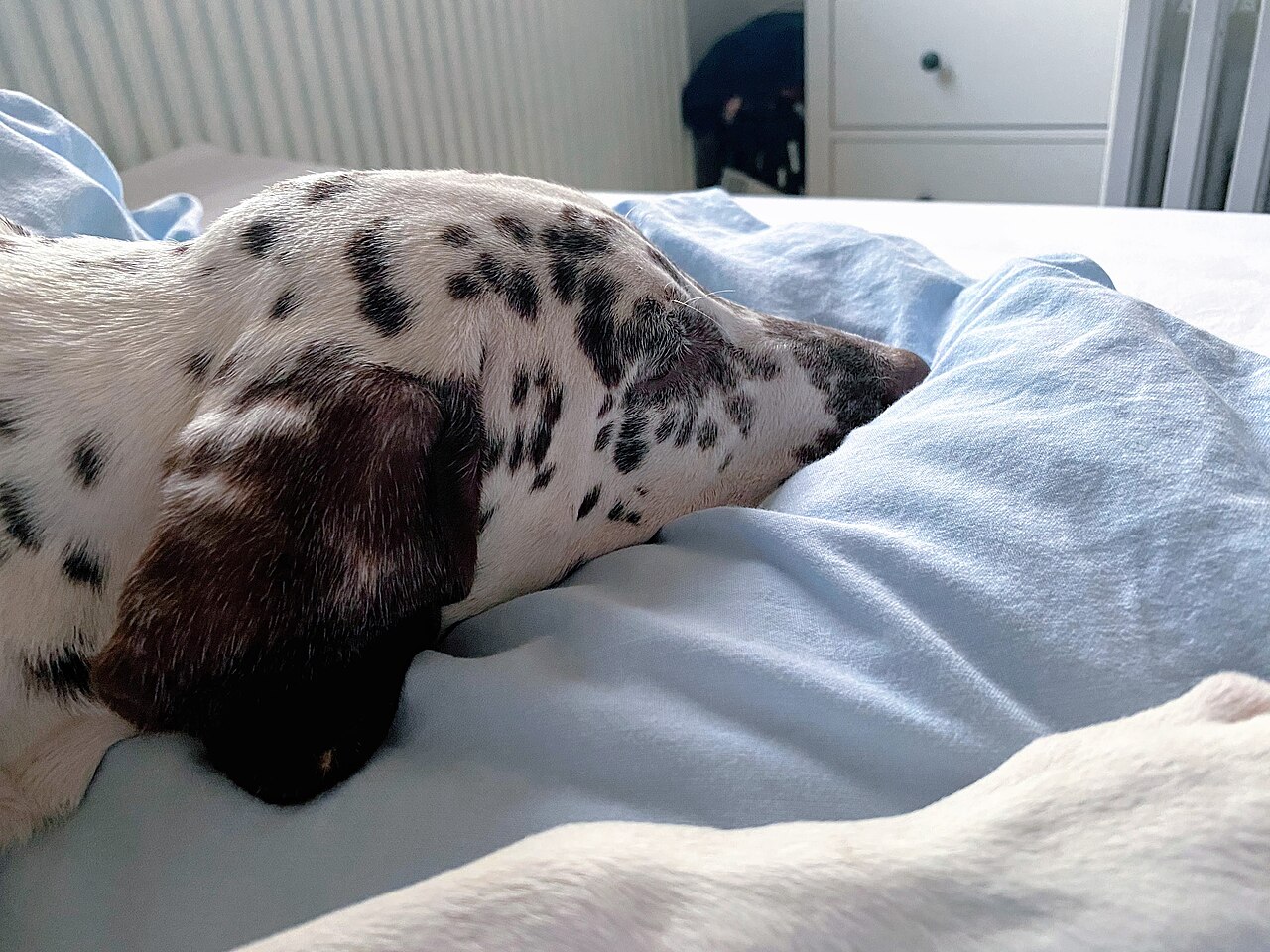
When a Dalmatian puppy is born, it is completely white—there is not a single spot on its entire body. It is only after the first two to four weeks of life that dark specks begin to emerge. This delayed appearance offers the first major clue that dalmatian spots are not a coat color in the usual sense but rather a pattern governed by two separate genetic systems: extreme piebald white and ticking.
The extreme piebald gene (an allele of the S locus) is responsible for the overwhelming white base. In most piebald dogs, this gene suppresses pigment so thoroughly that the coat appears white, with other colors breaking through in large patches. But the Dalmatian carries an additional modifier called the ticking gene (the T locus), which causes tiny islands of pigmented skin to appear within the white areas after birth.
Here is where the biology gets genuinely amazing: the spots are not painted onto the fur. They are the result of melanocytes—the pigment-producing cells of the skin—that fail to reach certain areas during fetal development. In a typical dog, melanocytes spread evenly from the neural crest across the entire body, creating a uniform coat. In a Dalmatian, a genetic mutation slows this migration, and the cells arrive late, dapping the skin in distinct, scattered clusters. Where the melanocytes finally settle, a spot grows. Where they never arrive, the fur stays white.
The Role of Recessive Genes
Dalmatians inherit their spotting pattern from both parents, and the genetic combination is recessive in nature. Breeders who pair two spotted Dalmatians will always produce spotted puppies, but if both parents carry the ticking gene silently, some offspring may be born without any spots—a condition that disqualifies them from the show ring but remains scientifically fascinating. This recessive inheritance explains why so few other breeds display the exact same round, symmetrical spotting.
Spot Colors: Black, Liver, and Beyond
Within the classic black-and-white Dalmatian, the spot color comes from the B locus, which dictates whether the pigment is black (eumelanin) or brown. A dog with two dominant alleles produces black spots, while the recessive form produces the "liver" Dalmatian, whose spots are a warm chocolate brown. Surprisingly, some Dalmatians also carry dilute genes that create lemon, blue, or even brindle spots—though these are considered non-standard by kennel clubs and are often registered as rare oddities. Regardless of color, every spot on a single dog shares the same genetic pigmentation, which is why a black-spotted Dalmatian will never sprout a liver-colored spot later in life.
How Dalmatian Spots Develop Over Time
The life story of an individual Dalmatian's coat is a lesson in patience. A newborn puppy looks like a blank canvas, and many new owners anxiously await the first mark. The first spots usually appear between ten days and one month of age, beginning as faint, pale smudges on the back, head, and legs. By the eighth week, most puppies have clear, recognizable spots, but full development takes considerably longer.
Dalmatians continue to develop new spots until they are about 18 months old. During this period, existing spots darken and enlarge, and entirely new dots can appear in previously blank areas. Even as adults, Dalmatians may develop a slow trickle of new freckle-like spots, particularly on their muzzles and paws. This ongoing development is a direct result of residual melanocyte activity—those late-arriving pigment cells finally reaching their intended destinations years after birth.
Spot Counts: How Many Is Normal?
While there is no single magical number, researchers and enthusiasts estimate that the average Dalmatian carries between 200 and 300 distinct spots across its body. Some heavily marked dogs boast more than 500, while lighter individuals have fewer than 50. The size of the spots varies just as much, from tiny pinpricks to large patches exceeding a centimeter in diameter. Because every spot forms independently from its own cluster of melanocytes, no two Dalmatians—not even littermates—possess the same arrangement.
The Blank Side: Why Some Spots Fade
Owners sometimes report that a spot seems to fade or shrink over time. While the round black marks look solid and permanent, they are actually collections of pigmented cells within the skin, and their visibility can be affected by the hair cycle. As a Dalmatian sheds and regrows its coat, the texture and density of the fur can alter the apparent size of a spot. Sun exposure can also lighten the hairs around a spot, making the boundary less distinct. In rare cases, an older Dalmatian will develop small white hairs within a spot, creating a mottled appearance; this is a normal sign of aging and not a health concern.
The Unique Spot Pattern: No Two Dalmatians Are Alike
If you line up a group of Dalmatians, the sheer variety of their markings is astonishing. Because the melanocytes roam independently and unpredictably, the spots they produce are inherently random in size, shape, and distribution. This randomness is so pronounced that even identical twins—which share the same DNA—will not have matching spots. In fact, breeders often use photographs of the coat pattern as the most reliable way to tell puppies apart after their spots appear.
The spots also follow a standard aesthetic code in the show ring. The American Kennel Club standard requires that Dalmatians have round, well-defined spots that are clearly distributed across the entire body in a symmetrical fashion. Smaller spots are permissible on the head, face, and legs, while larger spots may appear on the body if they remain distinct in outline. A Dalmatian with huge overlapping patches, known as a "blanket," is disqualified, as is a dog with an almost entirely white coat. These judging guidelines highlight the uniformity of the breed standard while paradoxically celebrating the fact that no dog can ever produce an identical pattern twice.
The Randomness Explained by Cell Migration
Scientists who study animal coat patterns often point to the Dalmatian as a textbook example of a "diffusion-driven" pattern, similar to the stripes on a zebra or the rosettes on a leopard. During embryonic development, the melanocytes produce a chemical signal that prevents other melanocytes from settling too close together. This inhibition creates a lateral spacing effect, resulting in the round, evenly spaced dots that define the breed. The exact position of each spot is determined by a combination of cell timing, skin growth, and random chance—making the Dalmatian's coat a literal patchwork of its own developmental history.
The Dalmatian's Ancestry: Where Did the Spots Come From?
No one knows exactly when the Dalmatian first acquired its spotted coat, but the breed is ancient and mysterious. Paintings dating back to the 1600s in what is now Croatia's Dalmatia region show dogs with the same distinctive markings. Historians believe the dogs were originally bred as carriage dogs, tasked with running alongside horses to guard both the passengers and the wagon. Their stamina, agility, and striking appearance made them perfect companions for the nobility of Europe.
The Dalmatian's role as a "coach dog" also shaped the distribution of its spots from an evolutionary perspective. Unlike hunting dogs, which benefited from camouflage, a carriage dog needed to be visible to horse traffic. A white coat with scattered dark spots made the dog unmistakable on the road, reducing the risk of being accidentally kicked or struck. The spots may have also served a social function, allowing stable hands to recognize a specific dog from a distance, much like a natural uniform.
From Firehouses to Firemares
In the 19th century, the Dalmatian found a new job as the unofficial mascot of America's firehouses. The dogs were trained to run in front of the horse-drawn fire wagons, clearing the streets and barking to alert pedestrians. When the horses were otherwise engaged, the Dalmatians kept them calm and loyal, often sleeping in the stables to bond with the animals. This heritage is why the Dalmatian remains the quintessential firehouse dog today—and why many fire departments still keep one as a living emblem of their history.
Spotted by Royal Decree
The breed's aristocratic connections run deep. In the courts of England and France, Dalmatians were known as "English coach dogs" and were often given as gifts between royal families. Queen Victoria famously owned several Dalmatians and exhibited them at the earliest dog shows. This royal patronage ensured the breed's survival and popularity, cementing the spotted coat as a mark of elegance and prestige. A Dalmatian trotting beside a carriage was not just a working dog but a mobile status symbol.
Health Concerns Linked to Dalmatian Spots
While dalmatian spots are visually striking, they also come with a hidden biological cost. The same genetic mutation that affects melanocyte migration can have far-reaching effects on the nervous system, particularly the inner ear. The melanocytes that provide pigment to the coat are the same type of cells that help maintain the ears' fluid balance and hearing function. When these cells fail to migrate into the inner ear during development, deafness results.
Deafness is, tragically, a common issue in the breed. Studies from the University of Pennsylvania and the Dalmatian Club of America have found that approximately 8% to 12% of Dalmatians are bilaterally deaf, and another 22% to 30% are unilaterally deaf—meaning they can hear out of only one ear. Dogs with a higher percentage of white in their coats, especially those with large white patches on the ears, are statistically more likely to have hearing loss. This connection between the spots and hearing is one of the strongest pieces of evidence that the Dalmatian's pattern is not a simple cosmetic trait but a fundamental part of its biology.
The Uric Acid Connection
There is another, less known link between the Dalmatian's unique metabolism and its physical makeup. Dalmatians are the only breed of dog that shares a uric acid transport defect with humans. They lack a functional uric acid transporter in their kidneys and liver, which causes them to excrete higher levels of uric acid in their urine. This makes them prone to forming bladder stones, a painful and sometimes life-threatening condition. While this metabolic quirk is not directly tied to the coat spotting, it is yet another example of how the Dalmatian's genetics differ dramatically from other dogs.
The Importance of Genetic Screening
Responsible breeders now use BAER (Brainstem Auditory Evoked Response) testing to screen puppies for hearing deficits before they are placed in homes. They also test for the DAL gene to identify carriers of the uric acid mutation. Because both the spotting pattern and these health conditions are inherited through complex pathways, breeding decisions must balance aesthetics with wellness. A puppy with flawless spots but poor hearing is still a loving companion, but prospective owners should be aware of the potential challenges and prepare to use hand signals and vibration-based cues for training.
Caring for a Spotted Coat
The Dalmatian's short, dense, glossy coat is surprisingly easy to maintain, but the white fur makes the spots—and any dirt beneath them—highly visible. Dalmatians shed year-round and are considered moderate to heavy shedders. A weekly brushing session with a rubber curry brush or a hound glove will remove loose hairs and distribute the natural oils that keep the coat glossy. During the spring and autumn shedding seasons, owners may need to brush two or three times a week to keep the fur off the furniture.
Bathing is a delicate balancing act. Frequent washing strips the coat of its natural oils and can dull the white base, making the spots look less crisp. Most experts recommend bathing a Dalmatian only once every two to three months, or whenever the dog rolls in something foul. When you do bathe, use a high-quality dog shampoo and follow with a conditioner to keep the white hairs bright. Many owners also use a gentle whitening shampoo once per year to restore the coat's brilliant contrast.
Diet and Exercise for a Spotted Athlete
As an athletic, high-energy breed, the Dalmatian thrives on a diet rich in animal protein, healthy fats, and complex carbohydrates. However, their unique purine metabolism means their diet must be carefully controlled to avoid bladder stones. Organ meats, shrimp, sardines, and other high-purine foods can trigger uric acid spikes and must be avoided. Instead, feed a high-quality commercial dog food formulated for active breeds, and always provide fresh, clean water to encourage frequent urination.
Dalmatians are famously energetic and need at least 60 to 90 minutes of vigorous exercise daily. They excel at running, agility, flyball, and hiking. A tired Dalmatian is a well-behaved Dalmatian; without enough exercise, the breed's natural intelligence can turn to stubbornness and destructive behavior. Their historical role as long-distance runners means they are hardwired to move—and they will happily match your jogging pace for miles, with those famous spots flashing through the sunlight with every stride.
Famous Dalmatians and Their Spots
No discussion of dalmatian spots would be complete without acknowledging the pop-culture icons that made them legendary. The 1956 novel The Hundred and One Dalmatians by Dodie Smith, and Disney's 1961 animated film that followed, introduced the world to Pongo, Perdita, and their fifty-one spotted puppies. The film's portrayal of the Dalmatian as a brave, clever, and fiercely loyal family dog sparked an enormous surge in breed popularity—and an unfortunate wave of impulse purchases that overwhelmed rescue centers for years afterward.
In the 1980s, the Budweiser "Spuds MacKenzie" commercials turned a male Dalmatian named Honey Tree Evil Eye into a global party icon. Spuds was a "party animal" with a life-sized personality, and his spots became a symbol of cool in a decade defined by excess. From the firehouse to Hollywood, the Dalmatian's coat remains an instantly recognizable badge of adventure and loyalty. Even today, the silhouette of a spotted dog is enough to trigger a nostalgic smile in nearly anyone.
Conclusion: The Surprising Truth About Dalmatian Spots
The surprising truth about dalmatian spots is that they are far more than a simple coat color. They are a living map of a dog's cellular development, a genetic accident turned into an iconic breed standard, and a direct window into an animal's health. Each spot represents the journey of pigment cells that traveled, multiplied, and settled at precisely the right moment—and each blank patch of white speaks to a migration that never quite completed. That same biological process connects the breed to its history as a carriage dog, its modern-day status as a beloved family companion, and its unique health challenges. So the next time you gaze at a Dalmatian's patterned coat, remember: you are not just looking at spots. You are looking at millions of tiny biological decisions, etched in color, telling the story of one of the world's most fascinating dogs.