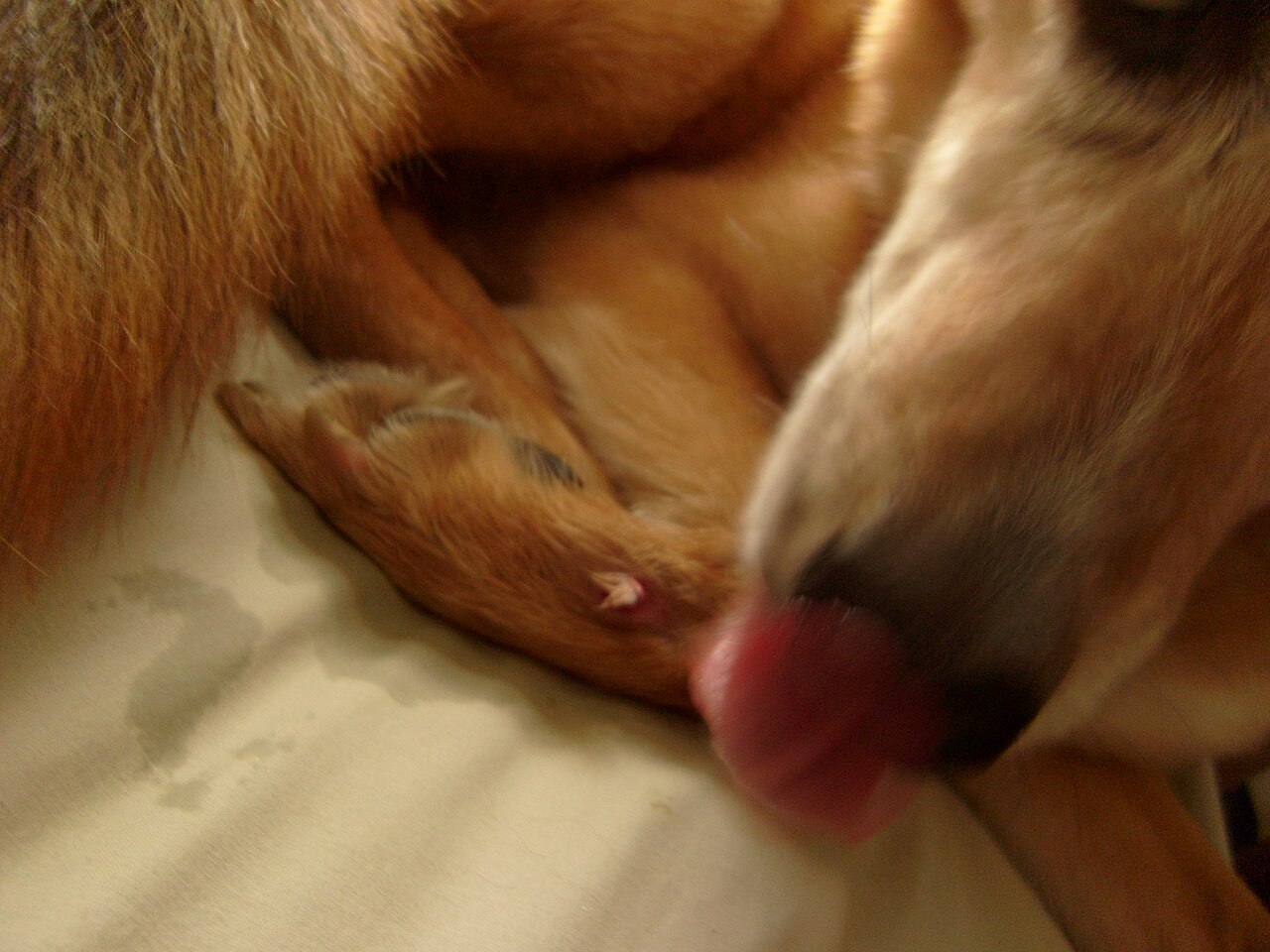
- Dogs Lick Paws: What Counts as Normal Grooming?
- How Much Licking Is Too Much?
- Medical Reasons Dogs Lick Paws: The Itchy Truth
- Allergies: Environmental and Food
- Parasites and Infections
- Pain, Injury, and Foreign Bodies
- Other Medical Causes
- Behavioral Reasons Dogs Lick Paws: When It's in the Mind
- Boredom, Stress, and Anxiety
- Compulsive Disorder and Acral Lick Dermatitis
- Attention-Seeking and Habit
- Breed and Lifestyle Factors That Increase Paw Licking
- How to Tell Why Your Dog Is Licking
- Treatment and Prevention: Helping Your Dog Stop Licking
- Medical Management
- Home Care and Environmental Changes
- Behavioral Support
- When to Call Your Vet
- Final Thoughts: Listening to the Lick
- ❓ Frequently Asked Questions
If you've ever settled onto the couch only to hear a rhythmic slurp-slurp-slurp coming from the other end, you've probably wondered why dogs lick paws so persistently. Occasional paw licking is completely normal grooming behavior — a quick tidy-up after a muddy walk or a soothing lick before sleep. But when the licking becomes frequent, noisy, or focused on one paw, it's your dog's way of telling you something. This article unpacks the full range of reasons behind paw licking, from simple itch relief to medical conditions that need a vet's attention, and gives you a practical framework for figuring out which one applies to your dog.
Dogs Lick Paws: What Counts as Normal Grooming?
Dogs are fastidious self-groomers, and their paws are one of the hardest areas to reach with a tongue — which is exactly why they spend time on them. A healthy dog may lick its paws for a minute or two after coming inside, after eating, or as part of a wind-down routine before sleep. This is the canine equivalent of washing your hands and is nothing to worry about.
To judge whether your dog's licking is normal, watch for these signs of harmless grooming:
- It's brief and scattered — a few licks across multiple paws, not one paw for 20 minutes straight.
- It happens at predictable times — after walks, meals, or before rest.
- The paws look healthy — no redness, swelling, hair loss, or staining.
- It doesn't interrupt life — your dog still plays, eats, and sleeps normally.
The warning signs are equally clear. Red-brown saliva staining (often called "lick stains") on the fur, bald patches between the toes, thickened or discolored skin, a limp, or licking that wakes your dog at night all point to a problem. Some dogs will lick a single paw obsessively for an hour or more, ignoring toys and food — that is never just grooming.
How Much Licking Is Too Much?
Veterinary behaviorists generally flag licking as excessive when it occupies more than a few minutes at a time, occurs more than a few times a day, or causes visible damage to the skin and coat. If you can hear the licking from another room most evenings, it's time to investigate.
Medical Reasons Dogs Lick Paws: The Itchy Truth
The single most common cause of chronic paw licking is itchiness — and in dogs, itchy feet are the number one sign of allergic skin disease. Dogs absorb allergens through their paw pads and thin skin between the toes, so the feet often react first and worst.
Allergies: Environmental and Food
Canine atopic dermatitis, an allergic reaction to environmental substances, affects roughly 10–15% of dogs and typically appears between 6 months and 3 years of age. Common triggers include grass pollen, mold spores, dust mites, and flea saliva. Breeds predisposed to atopic dermatitis include Labrador Retrievers, Golden Retrievers, West Highland White Terriers, French Bulldogs, and Boston Terriers. In these dogs, licking often starts seasonally — spring and fall — before becoming year-round.
Food allergies are less common (roughly 1–2% of dogs) but worth considering, especially if licking is paired with gastrointestinal signs like vomiting or diarrhea. The most common protein culprits are beef, chicken, dairy, and wheat. A vet-guided 8–12 week elimination diet is the only reliable way to diagnose food allergy — over-the-counter "hypoallergenic" foods are not sufficient for diagnosis.
Parasites and Infections
Fleas are a classic cause of paw and lower-leg licking, particularly flea allergy dermatitis, where a single flea bite can trigger intense itching for days. Mites — including Demodex and Sarcoptes — cause mange with severe itching, crusting, and hair loss. Yeast infections (Malassezia) thrive in the warm, moist spaces between toes and produce a musty odor, brownish discharge, and thickened skin. Bacterial infections, often secondary to allergies, cause redness, pustules, and pain.
Pain, Injury, and Foreign Bodies
Dogs lick areas that hurt — it's a self-soothing response. A torn nail, a cut pad, a bee sting, a thorn, or a grass awn lodged between the toes will all prompt focused licking on one paw. Grass awns (foxtail seeds) are especially dangerous: they migrate into tissue and cause abscesses. If your dog licks one paw while limping or holding it up, check for injury and call your vet if you can't find or remove the cause.
Other Medical Causes
Less common but important causes include:
- Arthritis and joint pain — older dogs may lick the paw or leg nearest an aching joint.
- Hormonal disease — hypothyroidism and Cushing's disease can cause skin changes and secondary infections.
- Autoimmune skin conditions — such as pemphigus, which causes crusting on the paw pads.
- Anatomical issues — interdigital cysts and foreign-body granulomas between the toes.
Behavioral Reasons Dogs Lick Paws: When It's in the Mind
Not all paw licking is physical. When medical causes are ruled out, behavior is often the answer — and the two can feed each other in a vicious cycle.
Boredom, Stress, and Anxiety
Licking releases endorphins, the body's natural painkillers, making it genuinely calming. Dogs left alone for long stretches, under-exercised, or living through big changes (a move, a new baby, a loss) may lick their paws as a coping mechanism. Separation-related distress is a common trigger; some dogs begin licking within minutes of their owner leaving.
Compulsive Disorder and Acral Lick Dermatitis
In severe cases, licking becomes a true compulsive behavior — a canine version of a repetitive habit disorder. This can progress to acral lick dermatitis (also called a lick granuloma): a raised, thickened, hairless, often ulcerated lesion usually on the wrist or top of the paw. It's notoriously stubborn because the licking causes tissue damage that itches, which prompts more licking. Large breeds such as Doberman Pinschers, Great Danes, Labrador Retrievers, and German Shepherds are overrepresented, and the condition can require both medical and behavioral treatment over months.
Attention-Seeking and Habit
If licking reliably earns attention — even scolding — some dogs learn to repeat it. Others simply develop a habit that becomes self-reinforcing. Breaking these patterns requires patience, enrichment, and consistent redirection rather than punishment.
Breed and Lifestyle Factors That Increase Paw Licking
Some dogs are simply built for more paw trouble. Breeds with heavy, folded skin around the toes — Bulldogs, French Bulldogs, Pugs, and Shar-Peis — trap moisture and warmth, creating ideal conditions for yeast and bacteria. Spaniels and retrievers with long, feathered feet collect burrs, seeds, and moisture. Dogs who spend hours on hot pavement or rough terrain may develop pad injuries that prompt licking.
Lifestyle matters too. A working Border Collie with two hours of daily activity has far less idle time to lick than a bored apartment dog with a single 20-minute stroll. Grooming habits count as well: dogs whose feet stay wet after baths or rainy walks are more prone to interdigital infections, and dogs with overgrown nails may lick paws irritated by awkward walking posture.
How to Tell Why Your Dog Is Licking
Your veterinarian is the only one who can definitively diagnose the cause, but you can gather useful clues at home. Try these steps:
- Check the paws closely. Look between the toes and at the pads for redness, swelling, cuts, foreign objects, or discharge. Smell the feet — a musty, corn-chip odor often signals yeast.
- Note the pattern. One paw or all four? Seasonal or year-round? Worse after walks, after meals, or when left alone?
- Review diet and parasite prevention. Note what your dog eats and whether flea, tick, and mite prevention is current.
- Track triggers. Record when licking happens — after grass exposure, during storms, or when you leave the house.
- Video it. A short clip of the behavior helps your vet enormously.
Your vet will likely start with a physical exam, skin cytology (examining cells under a microscope), and a fungal culture. Allergy testing, elimination diets, and bloodwork may follow if needed.
Treatment and Prevention: Helping Your Dog Stop Licking
Treatment depends entirely on the cause, but a combination approach works best for most dogs.
Medical Management
Allergies are managed with allergen avoidance, medicated shampoos, and — for moderate to severe cases — prescription medications such as Apoquel (oclacitinib) or Cytopoint injections, which target the itch pathway directly. Infections require appropriate antibiotics or antifungals, often for 3–4 weeks. Parasites are treated with vet-prescribed preventives. Painful conditions like arthritis need pain management. Never use human antihistamines or creams on your dog without veterinary guidance — some ingredients, including zinc oxide and certain steroids, are toxic to dogs.
Home Care and Environmental Changes
- Wipe paws after walks with a damp cloth to remove pollen and irritants, then dry thoroughly — moisture between toes invites infection.
- Keep nails trimmed and paw fur clipped short to improve airflow and reduce trapping of debris.
- Use an Elizabethan collar or booties during flare-ups to break the lick-itch cycle and let skin heal.
- Wash bedding weekly in hot water to reduce dust mites and dander.
- Keep parasite prevention current year-round, as fleas and mites are common culprits.
Behavioral Support
For stress or compulsive licking, increase daily exercise and mental enrichment — puzzle feeders, scent games, training sessions — and address the source of anxiety. Calming aids, pheromone diffusers, and, in serious cases, behavior-modifying medication prescribed by a vet behaviorist can help. Reward calm behavior and never punish licking; punishment increases anxiety and worsens the problem.
When to Call Your Vet
See a veterinarian promptly if your dog's licking is accompanied by limping, swelling, bleeding, a bad smell, hair loss, or changes in appetite or behavior. Also seek help if licking persists despite home care, if your dog licks obsessively to the point of skin damage, or if the behavior starts suddenly in a previously unaffected dog. Early intervention is especially important for acral lick dermatitis, which becomes much harder to treat the longer it goes on.
Final Thoughts: Listening to the Lick
Paw licking is one of the most common complaints veterinarians hear, and for good reason — it can mean anything from a satisfying post-walk cleanup to an underlying allergy, infection, injury, or anxiety disorder. The key is pattern recognition: know what normal grooming looks like, watch for changes, and act early when something seems off. With a careful eye, a good relationship with your vet, and a little detective work, you can uncover the itchy truth behind your dog's habit and get those paws — and your evenings — back to normal.
❓ Frequently Asked Questions
💬 Is it normal for dogs to lick their paws?
Occasional light licking, especially after walks or before settling down, is normal grooming behavior. Constant or intense licking that leaves paws red, stained, or hairless is not normal and usually signals an underlying problem.
💬 What causes excessive paw licking in dogs?
Common causes include allergies (food, environmental, or flea), skin infections, contact irritants, injuries or foreign objects, dry skin, and pain or arthritis. Anxiety and boredom can also drive compulsive licking, so a vet visit helps narrow it down.
💬 How can I stop my dog from licking its paws?
First identify the cause with your vet rather than just blocking the behavior; treating allergies, infections, or pain is the real fix. In the meantime, rinse paws after walks, keep them dry, use a cone or booties if needed, and add enrichment to reduce boredom licking.
💬 When should I take my dog to the vet for paw licking?
See a vet if licking is frequent or persistent, or if you notice redness, swelling, hair loss, discharge, limping, or an odor. These signs point to infection, allergy, or pain that needs proper diagnosis and treatment.