- The Anatomy Behind Why Do Dogs' Noses Get Wet
- The Role of Mucus and Glands
- Why the Nose Feels Cool to the Touch
- Why Do Dogs' Noses Get Wet? The Scent-Tracking Superpower
- How Moisture Captures Scent Molecules
- The Jacobson's Organ and the Lick-and-Sniff Cycle
- Why Some Dogs' Noses Are Wetter Than Others
- When a Dry Nose Is and Isn't a Problem
- Normal Causes of a Dry Nose
- When to See a Vet
- The Nose Knows: How Wet Noses Help Dogs Navigate the World
- Scent Discrimination and Memory
- The Sniffing Advantage
- Common Myths and Misconceptions About Wet Noses
- Keeping Your Dog's Nose Healthy
- The Bottom Line on Wet Noses
- ❓ Frequently Asked Questions
If you've ever wondered why do dogs' noses get wet, you're not alone—it's one of the most common questions pet owners ask, and the answer is far more fascinating than the simple assumption that your dog just licked their snout. That glistening, cool-to-the-touch nose is actually the product of an intricate biological system that helps dogs navigate and understand their world in ways humans can barely imagine. From a thin layer of mucus that captures scent molecules to a specialized network of blood vessels and glands, the wet nose is a precision instrument. In this article, we'll dig into the science behind the shine, explore why some noses are wetter than others, examine when a dry nose is actually a concern, and uncover the surprising ways a dog's nose rivals the most advanced technology we've ever built.
The Anatomy Behind Why Do Dogs' Noses Get Wet
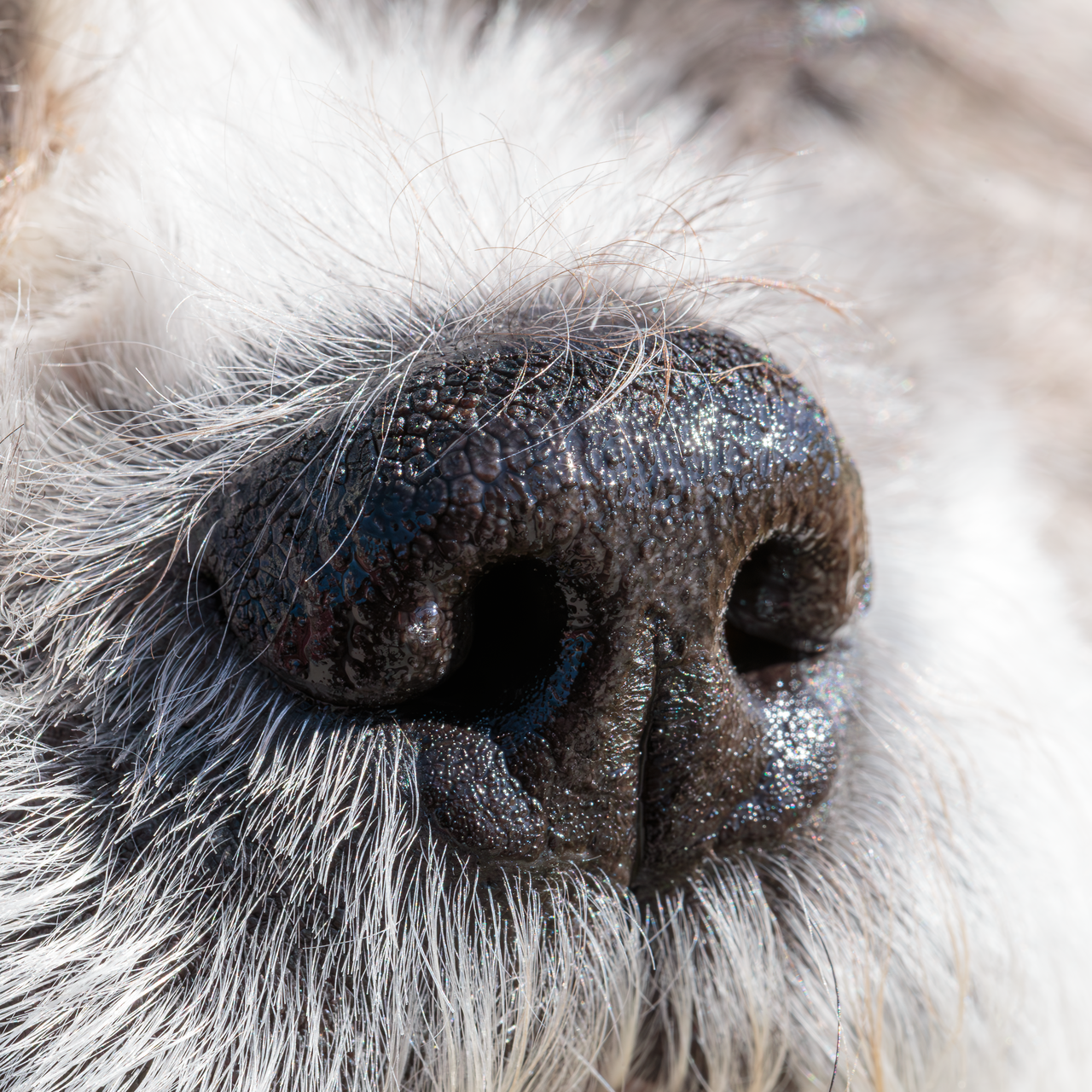
To understand the wet nose, you first need to understand what's happening on its surface. A dog's nose is covered in a thin film of mucus produced by glands in the nasal tissue, and this moisture is constantly replenished and redistributed. The nose leather itself—technically called the rhinarium—is a tough, textured pad packed with nerve endings and tiny pores. It's not just a decorative feature; it's a functional surface designed to stay damp.
The Role of Mucus and Glands
The mucus layer on a dog's nose serves several purposes at once. It traps scent particles from the air, dissolving them so they can be detected by the olfactory receptors inside the nasal cavity. Without moisture, scent molecules would simply bounce off the surface rather than being captured and analyzed. Dogs also have specialized glands near the nostrils and along the nasal passages that secrete fluid continuously, keeping the exterior of the nose slick and receptive.
Interestingly, the moisture isn't just for smelling. It also helps regulate temperature. As air passes over the wet nose, evaporation cools the surface, which helps dogs dissipate heat—though panting remains their primary cooling mechanism. The nose acts as a small but useful secondary radiator.
Why the Nose Feels Cool to the Touch
That cool sensation you feel when your dog nuzzles your hand is a byproduct of evaporation. As moisture evaporates from the nose surface, it draws heat away, leaving the rhinarium several degrees cooler than the surrounding skin. This is why a healthy dog's nose often feels noticeably chilly, especially in a breeze or in dry air. It's a sign that the moisture layer is actively working.
Why Do Dogs' Noses Get Wet? The Scent-Tracking Superpower
The most compelling explanation for the wet nose is scent detection. Dogs are famously olfactory athletes, and their noses are built for it. A dog's sense of smell is estimated to be anywhere from 10,000 to 100,000 times more sensitive than a human's, depending on the breed and the specific odor being detected. The wet surface is a critical part of that capability.
How Moisture Captures Scent Molecules
When a dog sniffs, air is drawn in through the nostrils and over the mucus-coated nasal tissues. Scent molecules dissolve into the mucus and are then detected by millions of receptor cells lining the nasal cavity. A dog has roughly 300 million olfactory receptors compared to about 6 million in humans—a difference that explains why a dog can detect a single drop of a substance in billions of drops of water. The wet nose essentially acts as a scent trap, and the constant moisture keeps the trap functioning at peak efficiency.
The Jacobson's Organ and the Lick-and-Sniff Cycle
Dogs have a second scent-processing system called the vomeronasal organ, or Jacobson's organ, located in the roof of the mouth. When a dog licks their nose, they're not just cleaning it—they're transferring scent molecules from the wet nose to the mouth, where they can be analyzed by this secondary system. This is especially important for detecting pheromones, which carry information about other animals' reproductive status, health, and identity. The lick-and-sniff cycle is a continuous loop that keeps the nose moist and the information flowing.
Why Some Dogs' Noses Are Wetter Than Others
Not every dog has the same level of nose moisture, and that's completely normal. Several factors influence how wet a dog's nose appears at any given moment.
- Breed anatomy: Brachycephalic breeds like pugs and French bulldogs often have shorter nasal passages and different gland structures, which can affect moisture levels. Sighthounds like greyhounds sometimes have drier noses due to their lean body composition and lower glandular activity.
- Age: Puppies tend to have very wet noses because their glands are highly active and they're constantly exploring. Senior dogs may have slightly drier noses as glandular activity naturally declines.
- Hydration and environment: A dog that's well-hydrated and living in a humid climate will typically have a wetter nose than one in a dry, heated home during winter.
- Activity level: After a vigorous run or an intense sniffing session, a dog's nose may be wetter due to increased blood flow and glandular activity.
- Individual variation: Just like humans have different skin types, dogs have different nose types. Some dogs simply produce more mucus than others.
It's also worth noting that dogs don't have sweat glands on their noses the way humans do on their skin. The moisture comes from mucus glands and from licking, not from perspiration. So if you see a dog licking their nose frequently, they're actively managing their scent-detection equipment.
When a Dry Nose Is and Isn't a Problem
There's a persistent myth that a dry nose automatically means a sick dog. In reality, a dry nose is often perfectly normal and can be caused by something as simple as waking up from a nap, lying near a heater, or spending time in a dry climate. Dogs don't produce moisture at a perfectly constant rate, and the nose can dry out temporarily for dozens of harmless reasons.
Normal Causes of a Dry Nose
Many dogs wake up with a dry nose because moisture production slows during sleep. Exposure to wind, sun, or indoor heating can also dry the surface. Some dogs naturally have drier noses than others, and a dry nose alone is not a reliable indicator of illness. Veterinarians generally advise looking at the whole dog—appetite, energy, behavior, and other symptoms—rather than fixating on nose moisture.
When to See a Vet
That said, certain nose changes do warrant attention. Persistent dryness accompanied by cracking, bleeding, or crusting could indicate a skin condition, an autoimmune issue, or dehydration. A nose that suddenly becomes excessively wet with discharge, especially if the discharge is thick, colored, or accompanied by sneezing, coughing, or lethargy, should be evaluated by a veterinarian. Dogs with conditions like pemphigus, a serious autoimmune disease, can develop painful lesions on the nose. If you notice a change in your dog's nose that persists for more than a few days or is accompanied by other symptoms, a vet visit is the right call.
The Nose Knows: How Wet Noses Help Dogs Navigate the World
A dog's wet nose is part of a sensory system that shapes how they experience reality. Dogs use their noses to identify friends and strangers, track animals, find food, detect danger, and even read the emotional states of other dogs and humans. The moisture layer is the foundation of that ability.
Scent Discrimination and Memory
Dogs can distinguish between extremely similar odors—a skill that makes them invaluable in detection work. Trained detection dogs can identify explosives, narcotics, agricultural contraband, and even certain diseases. Medical detection dogs have been shown to sniff out some cancers and low blood sugar episodes with impressive accuracy. All of this depends on a nose that stays wet enough to capture and hold scent molecules long enough for analysis.
The Sniffing Advantage
Dogs don't just inhale and exhale through the same pathway the way humans do. They have a split airflow system that allows them to exhale through the sides of their nostrils while inhaling through the front, creating a continuous stream of new scent molecules without pushing the old ones away. This is why dogs can sniff rapidly—up to five or six times per second—without losing track of a scent trail. The wet nose surface is essential to this process, capturing molecules as they flow past.
Common Myths and Misconceptions About Wet Noses
The internet is full of claims about what a wet or dry nose means, and many of them are misleading. Let's clear up a few of the most common misconceptions.
- Myth: A wet nose means a healthy dog. While a wet nose is typical, it's not a diagnostic tool. A dog can be seriously ill with a perfectly wet nose, and a healthy dog can have a dry nose.
- Myth: A dry nose means a fever. There's no reliable link between nose moisture and body temperature. If you suspect a fever, use a thermometer, not a nose test.
- Myth: Dogs sweat through their noses. Dogs don't have sweat glands on their noses. The moisture comes from mucus glands and licking, not perspiration.
- Myth: You should apply petroleum jelly to a dry nose. While some pet owners do this, it's not necessary for most dogs and can interfere with scent detection. If the dryness is severe or persistent, consult your vet rather than self-treating.
Understanding these myths helps you make better decisions about your dog's health and avoids unnecessary worry—or worse, missed warning signs.
Keeping Your Dog's Nose Healthy
Most dogs maintain healthy noses without any intervention. Regular grooming, access to fresh water, and protection from extreme weather are usually sufficient. In cold, dry winters, a humidifier in the home can help prevent excessive dryness. Avoid letting your dog stick their nose into harsh chemicals, cleaning products, or hot surfaces. If your dog is prone to dry noses, a vet-approved nose balm can provide relief, but it should be used sparingly and only when needed.
It's also wise to check your dog's nose during routine health exams. Look for symmetry, normal texture, and the absence of sores, discharge, or unusual color changes. A healthy nose should be free of deep cracks and should not bleed. Any persistent change is worth mentioning to your veterinarian, even if it seems minor.
The Bottom Line on Wet Noses
So why do dogs' noses get wet? The answer is a combination of biology, behavior, and brilliant evolutionary design. A thin layer of mucus, constantly replenished by specialized glands and redistributed by licking, creates a scent-trapping surface that helps dogs decode a world rich with olfactory information. The wet nose is cool to the touch because evaporation is doing its quiet work, and it's wetter or drier depending on breed, age, environment, and activity level. While a dry nose isn't automatically a red flag, persistent changes or accompanying symptoms deserve a vet's attention. Ultimately, that shiny snout is more than a cute feature—it's a window into how dogs experience the world, one scent molecule at a time. Next time your dog nudges you with a wet nose, you'll know exactly what's going on behind that glistening surface.
❓ Frequently Asked Questions
💬 Why do dogs' noses get wet?
A dog's nose is usually wet because of a thin layer of mucus secreted by glands inside the nose, plus moisture from licking and from tears draining through the tear ducts. This film helps capture scent molecules so the dog can smell better.
💬 Is a dry nose a sign my dog is sick?
Not by itself—a dry nose is normal after waking up, in hot or dry weather, or with age, and many healthy dogs simply have drier noses. It only matters if it comes with other signs like lethargy, loss of appetite, vomiting, or crusting and discharge.
💬 Should I be worried if my dog's nose is always wet?
A consistently wet nose is completely normal and is how most dogs' noses work. It's worth a vet check only if the wetness is excessive, runny with colored discharge, or accompanied by sneezing, breathing trouble, or nosebleeds.
💬 Does a wet nose help dogs smell better?
Yes—the moisture traps and dissolves scent molecules so they reach the scent receptors, and dogs also lick their noses to refresh this layer. Research suggests this wet film helps dogs detect and distinguish odors more effectively.