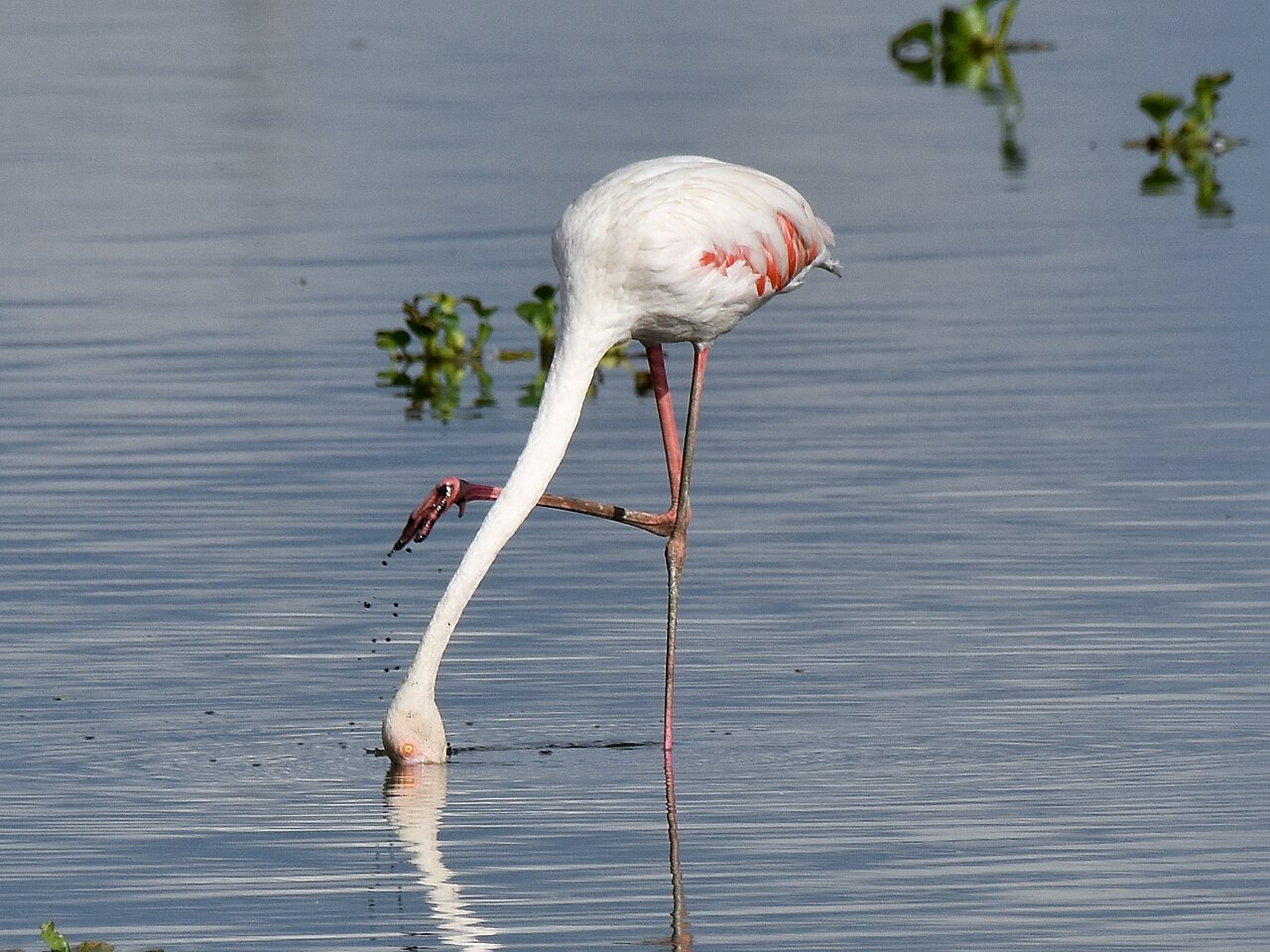
- Why Flamingos Stand One Leg: The Thermoregulation Theory
- Evidence from Field Studies
- Comparison with Other Birds
- The Muscle Fatigue and Stability Hypothesis
- How the Locking Mechanism Works
- Energy Savings in the Wild
- Is It Just for Resting? The Sleep Connection
- Brain Activity and Balance
- Comparison with Other Sleeping Postures
- Social and Environmental Factors
- Weather and Habitat Influence
- Does It Help with Digestion or Preening?
- The Role of Feather Maintenance
- Myths and Misconceptions
- The Role of Age and Experience
- Conclusion: The Real Reason Flamingos Stand on One Leg
- ❓ Frequently Asked Questions
Flamingos stand on one leg for hours at a time, a behavior that has fascinated scientists and casual observers alike. The question of why flamingos stand one leg is not just a quirky trivia point—it reveals a fascinating blend of physics, biology, and evolutionary adaptation. These iconic pink birds are found in tropical and subtropical regions across the world, from the Caribbean to Africa, South America, and parts of Europe. Their habitat includes shallow lakes, lagoons, and coastal mudflats where they feed on algae, brine shrimp, and other small aquatic organisms. Adult flamingos typically stand about 3 to 5 feet tall and weigh between 4 and 8 pounds, depending on the species. Their distinctive coloration comes from carotenoid pigments in their diet, which are absorbed and deposited in their feathers. But the one-legged stance remains one of their most puzzling traits. In this article, we will explore the real reasons behind this behavior, drawing on scientific research, field observations, and comparative biology.
Why Flamingos Stand One Leg: The Thermoregulation Theory
The most widely accepted explanation for why flamingos stand one leg is thermoregulation—specifically, conserving body heat. Flamingos often wade in water that is cooler than their body temperature, which averages around 104°F (40°C). Standing in cold water for extended periods can cause significant heat loss through their legs, which are long and thin with a high surface-area-to-volume ratio. By tucking one leg up against their body, they reduce the amount of exposed skin to the water, cutting heat loss by roughly half. This theory is supported by research showing that flamingos are more likely to stand on one leg in cooler water temperatures. For example, a study published in the journal *Zoo Biology* observed captive flamingos and found that the frequency of one-legged standing increased as water temperature dropped below 77°F (25°C). In their natural habitats, such as the alkaline lakes of East Africa or the salt flats of the Caribbean, water temperatures can vary dramatically from day to night, making this adaptation particularly useful.
Evidence from Field Studies
Field researchers have documented that flamingos in cooler climates or during colder seasons exhibit the one-legged posture more often. In the high-altitude lakes of the Andes, where temperatures can dip near freezing, flamingos of the Andean species (*Phoenicoparrus andinus*) are often seen standing on one leg for prolonged periods. Conversely, in warmer tropical environments like the Galápagos Islands, flamingos are more likely to stand on both legs. This correlation between temperature and posture strongly supports the thermoregulation hypothesis. Additionally, when flamingos stand on one leg, they often switch legs periodically, which helps prevent one limb from getting too cold while allowing the other to warm up against the body.
Comparison with Other Birds
Flamingos are not alone in this behavior. Many other long-legged wading birds, such as herons, egrets, and storks, also frequently stand on one leg. This suggests a convergent evolutionary solution to a common problem: heat loss through uninsulated limbs. For instance, great blue herons (*Ardea herodias*) are often seen standing on one leg in cold water, and studies have shown that they can reduce heat loss by up to 30% using this posture. Flamingos, however, take this to an extreme, sometimes remaining on one leg for hours without apparent fatigue.
The Muscle Fatigue and Stability Hypothesis
Another compelling reason why flamingos stand one leg involves biomechanics and energy efficiency. Contrary to what might seem intuitive, standing on one leg may actually require less muscular effort than standing on two legs for a flamingo. This is due to a unique "passive locking" mechanism in their joints. Flamingos have a specialized anatomical adaptation in their hip and knee joints that allows them to lock their leg into place without active muscle contraction. When a flamingo shifts its weight onto one leg, the joint naturally locks, creating a stable tripod-like support system with the bird’s body and the locked leg. This passive stance reduces muscle fatigue, enabling the bird to stand for long periods without tiring. A 2017 study from the Georgia Institute of Technology used high-speed video and force plates to analyze flamingo cadavers and live birds, revealing that the locked leg can support the bird’s entire weight with minimal muscular activity. The researchers found that the joint’s stability actually increased when the bird was sleeping or relaxed, suggesting that the posture is more efficient than standing on two legs.
How the Locking Mechanism Works
The flamingo’s leg contains a specialized arrangement of bones, tendons, and ligaments. When the leg is fully extended and the body is positioned correctly, the joint reaches a "dead point" where the weight of the bird pushes the bones into a stable configuration. This is similar to how a human can stand with locked knees, but in flamingos, the mechanism is far more robust and can be maintained for hours. The locked leg also allows for slight swaying movements that help maintain balance, much like a tightrope walker uses a pole. This passive stability means that even when sleeping, flamingos do not fall over, as their locked leg acts as a rigid support.
Energy Savings in the Wild
In the wild, flamingos spend up to 30% of their day standing in water while feeding, preening, or resting. Energy conservation is critical for these birds, which have high metabolic demands due to their large size and active lifestyle. By using the one-legged stance, they can reduce muscular effort by an estimated 20-30% compared to standing on both legs. This energy-saving strategy is particularly important during breeding season when flamingos need extra energy for courtship displays, nest building, and raising chicks. For example, lesser flamingos (*Phoeniconaias minor*) in the Rift Valley lakes of East Africa often stand on one leg for hours during the heat of the day, conserving energy for feeding in the cooler evening hours.
Is It Just for Resting? The Sleep Connection
Many people observe flamingos standing on one leg while sleeping or resting, leading to the question of whether this posture is primarily a sleep aid. Indeed, flamingos often tuck their head under a wing while balancing on one leg, entering a state of unihemispheric slow-wave sleep (USWS). In USWS, one half of the brain remains alert while the other half rests, allowing the bird to maintain balance and monitor for predators. The one-legged stance likely facilitates this sleep mode by reducing the need for constant muscle adjustments. A study of captive flamingos at the San Diego Zoo found that birds sleeping on one leg had longer periods of uninterrupted sleep compared to those on two legs, suggesting that the locked leg provides a more stable platform for rest. In their natural habitats, such as the mudflats of the Yucatán Peninsula or the salt pans of Namibia, flamingos often form large flocks where individuals sleep on one leg while others remain alert. This communal vigilance allows the entire group to rest more efficiently.
Brain Activity and Balance
Electroencephalogram (EEG) studies in birds have shown that during USWS, the brain hemisphere controlling the standing leg remains more active than the resting half. This may allow the flamingo to make subtle adjustments to its balance without fully waking. The locked joint reduces the need for these adjustments, making the one-legged stance ideal for sleep. In fact, flamingos have been observed to sleep for up to 10 hours per day, much of it on one leg, which underscores the importance of this posture for their rest cycles.
Comparison with Other Sleeping Postures
While many birds sleep on both legs, flamingos are among the few that routinely use a one-legged posture for rest. Ducks and geese, for instance, often sleep on one leg in water but switch to two legs on land. Flamingos, however, use the one-legged stance in both water and on land, suggesting that it is a deeply ingrained behavior. This contrasts with birds like pigeons, which sleep on two legs with their heads tucked, relying on a different balance mechanism.
Social and Environmental Factors
The one-legged stance is not just a solitary behavior—it can also be influenced by social dynamics and environmental conditions. Flamingos are highly social birds that live in colonies ranging from a few hundred to over a million individuals. In these dense groups, the one-legged posture may help reduce crowding and maintain spacing. When thousands of flamingos stand on one leg, they take up less lateral space, allowing more birds to fit into a given area without jostling. This is particularly important at nesting sites, where space is limited. Additionally, the posture may serve as a visual signal to other flock members. For example, a flamingo standing on one leg may indicate that it is relaxed and not threatening, helping to reduce aggression within the colony. In the Caribbean, where American flamingos (*Phoenicopterus ruber*) breed in large colonies on islands like Inagua, the one-legged stance is often seen during non-breeding periods when birds are resting and socializing.
Weather and Habitat Influence
Environmental factors such as wind speed, humidity, and water depth also affect the frequency of the one-legged stance. On windy days, flamingos may stand on one leg to reduce their profile and avoid being blown over. In shallow water, the posture helps keep their feathers dry, as wet feathers can lead to heat loss and reduced buoyancy. Flamingos are also known to stand on one leg more often in murky or muddy water, possibly to avoid getting their legs stuck or to reduce contact with potential pathogens. In the saline lakes of Bolivia, where water is often alkaline and caustic, the one-legged stance may minimize exposure to harsh chemicals.
Does It Help with Digestion or Preening?
Some researchers have proposed that the one-legged stance may aid in digestion or preening, though these theories are less supported than the thermoregulation and stability hypotheses. Flamingos have a specialized filtering system in their beaks to strain food from water, and they often feed while standing on two legs. However, after feeding, they may switch to one leg to allow their digestive system to work more efficiently. The posture could help align the body in a way that facilitates the movement of food through the esophagus and gizzard. Similarly, preening—the act of cleaning and oiling feathers—is often done on one leg, as it allows the bird to reach more areas of its body with its beak. In the Galápagos Islands, researchers observed that flamingos spent an average of 15 minutes preening after feeding, often on one leg, which suggests a functional link. However, these benefits are likely secondary to the primary reasons of heat conservation and energy efficiency.
The Role of Feather Maintenance
Flamingos have specialized feathers that are coated with oils from the uropygial gland, which helps them repel water and maintain buoyancy. Preening on one leg may reduce the risk of damaging these feathers by minimizing contact with wet or muddy surfaces. In the wild, where flamingos often nest on mud mounds, keeping feathers dry is critical for insulation and flight capability. The one-legged stance allows the raised leg to be preened more thoroughly, as it is free from water and debris.
Myths and Misconceptions
Despite the scientific evidence, several myths about why flamingos stand one leg persist. One common misconception is that they do it to conserve energy by reducing muscle use, which is actually true but often oversimplified. Another myth is that they stand on one leg to avoid sinking into mud, but flamingos have webbed feet that distribute their weight well, and they rarely sink even on two legs. A third myth is that the posture is a sign of illness or injury, but healthy flamingos do it routinely. In fact, flamingos that stand on two legs for extended periods may be stressed or cold, while those on one leg are often relaxed. Zoo keepers and wildlife biologists use this behavior as an indicator of a flamingo’s well-being—birds that frequently stand on one leg in warm conditions are generally healthy and content. For example, at the Singapore Zoo, where temperatures are consistently warm, flamingos still occasionally stand on one leg, but less frequently than in cooler climates, debunking the idea that it is solely a heat-conservation response.
The Role of Age and Experience
Young flamingos, or chicks, rarely stand on one leg until they are several months old, supporting the idea that the behavior is learned or develops with age. Chicks have shorter legs and higher surface-area-to-volume ratios, so they lose heat more quickly and may benefit less from the posture. As they mature, they gradually adopt the one-legged stance, suggesting that it is an adaptive behavior refined through experience. In captive breeding programs, such as those at the Wildfowl and Wetlands Trust in the UK, keepers have observed that hand-reared flamingos take longer to develop the posture than parent-reared birds, indicating a social learning component.
Conclusion: The Real Reason Flamingos Stand on One Leg
In summary, the real reason why flamingos stand one leg is a combination of thermoregulation, energy efficiency, and passive stability. The primary driver is heat conservation, as the posture reduces heat loss in cool water, but the unique locking mechanism in their joints makes it an effortless and stable stance. This behavior also facilitates sleep, reduces muscle fatigue, and may have social and environmental benefits. While myths persist, scientific research has consistently pointed to these practical, adaptive functions. Next time you see a flock of flamingos poised like pink statues on one leg, you can appreciate the elegant efficiency of their design—a perfect blend of physics and biology honed by millions of years of evolution. Whether in the wilds of Africa or a zoo exhibit, this iconic posture is a testament to nature’s ingenuity.
❓ Frequently Asked Questions
💬 Do flamingos stand on one leg to conserve body heat?
Yes, that's a key reason. By tucking one leg up against their body, they reduce heat loss through their unfeathered legs, helping them stay warm in cold water.
💬 Is it easier for flamingos to balance on one leg?
Surprisingly, yes. Studies suggest flamingos can balance on one leg with little muscular effort due to a passive locking mechanism in their joints, making it more stable than standing on two legs in some cases.
💬 Do flamingos stand on one leg to sleep?
Yes, they often sleep or rest while standing on one leg. This posture helps them conserve energy and maintain balance, even when they are dozing off.
💬 Why don't flamingos fall over when standing on one leg?
Flamingos have a unique anatomical adaptation where their leg joints lock into place, requiring minimal muscle activity to stay upright. This passive stability allows them to stand on one leg for hours without tiring.