- The Mechanics of Why Frogs Croak
- Why Size Matters in Frog Calls
- The Primary Reason Frogs Croak: Mating Calls
- Competition and Chorusing Behavior
- Territorial Defense: Another Reason Frogs Croak
- Size and Dominance in Territorial Calls
- Alarm Calls and Distress Signals
- Alarm Calls in Group Living
- Environmental Factors That Influence Croaking
- Seasonal Variations in Croaking
- Unique Croaking Behaviors Across Species
- Frogs That Don't Croak
- The Surprising Truth: Frogs Croak for More Than Mating
- Conclusion: The Voice of the Amphibian World
- ❓ Frequently Asked Questions
When you think of a warm spring evening near a pond, the sound that often comes to mind is the familiar chorus of frogs croak. This iconic call is more than just background noise—it is one of nature's most sophisticated communication systems. In this article, we will uncover the surprising truth behind why frogs croak, revealing a world of romance, rivalry, and survival hidden in every ribbit.
The Mechanics of Why Frogs Croak
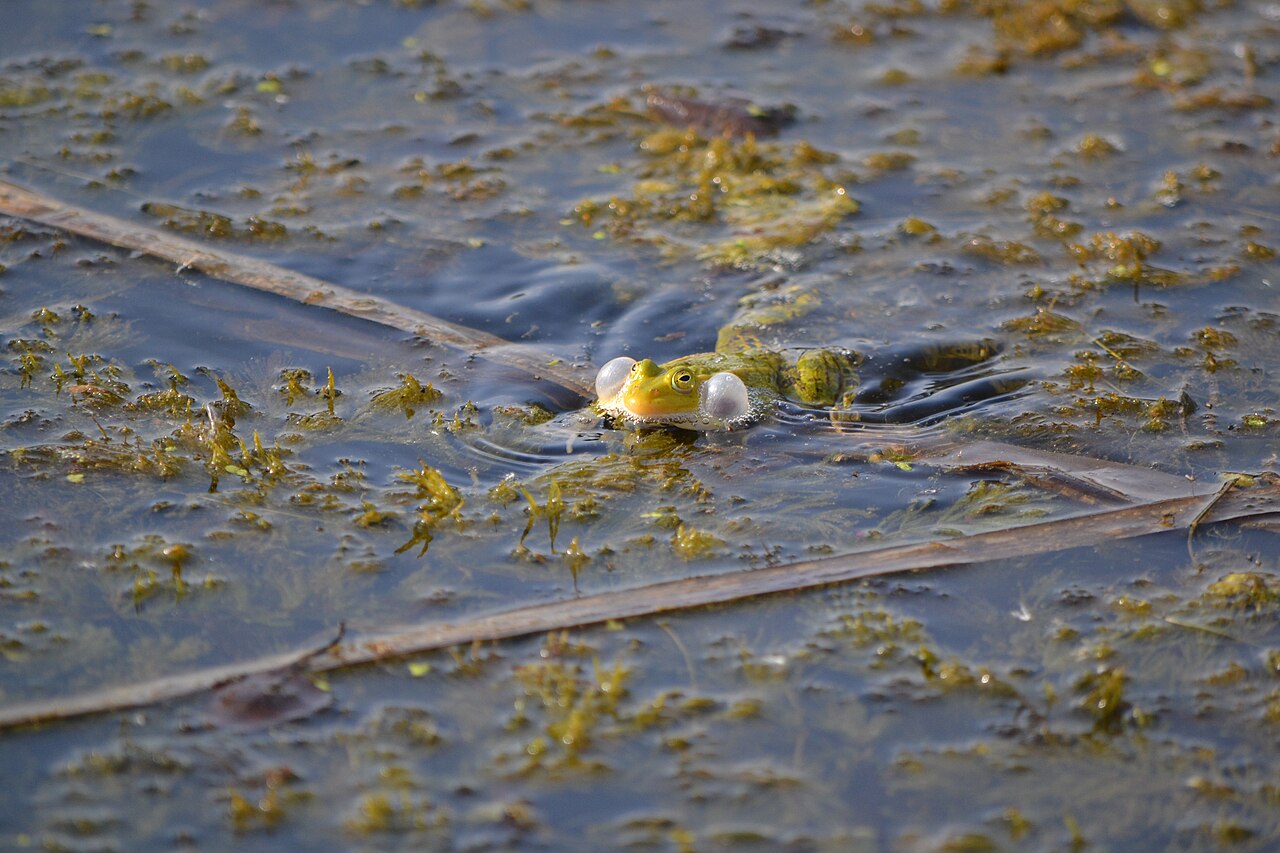
To understand why frogs croak, we first need to explore how they produce sound. Unlike mammals, which use vocal cords in the larynx, frogs have a specialized voice box called the larynx, but their real secret lies in the vocal sac. This elastic pouch of skin, located under the chin or on the sides of the throat, amplifies sound like a natural speaker.
When a frog calls, it forces air from its lungs over the vocal cords, causing them to vibrate. The air then fills the vocal sac, which resonates and magnifies the sound. This process allows even a tiny frog, such as the 1.5-inch spring peeper (Pseudacris crucifer), to produce a call that can be heard up to a mile away. The pitch and rhythm of the call vary by species—for example, the American bullfrog (Lithobates catesbeianus) produces a deep, resonant "jug-o-rum" that can last up to two seconds, while the green tree frog (Hyla cinerea) emits a short, nasal "queenk-queenk."
Why Size Matters in Frog Calls
The size of a frog directly influences its call. Larger frogs, like the bullfrog, have longer vocal cords and larger vocal sacs, producing lower-frequency sounds. Smaller frogs, such as the 0.5-inch Cuban tree frog (Osteopilus septentrionalis), create higher-pitched chirps. This relationship helps females assess a male's size and fitness during mating season.
The Primary Reason Frogs Croak: Mating Calls
The most common and loudest reason frogs croak is to attract mates. During breeding season, which varies by climate (typically spring in temperate regions and rainy season in the tropics), male frogs gather at breeding sites like ponds, marshes, or slow-moving streams. Each species has a unique advertisement call that females recognize.
For instance, the male wood frog (Lithobates sylvaticus) produces a duck-like quacking sound, while the male Pacific tree frog (Pseudacris regilla) repeats a two-note "ribbit." Females are drawn to calls that indicate a healthy, genetically fit male. Research shows that females prefer males with longer, louder, or more complex calls, as these traits often correlate with better survival skills and larger body size.
Competition and Chorusing Behavior
Male frogs often form choruses, calling simultaneously to attract females. This behavior, seen in species like the spring peeper and the gray tree frog (Hyla versicolor), creates a cacophony that can be deafening—reaching up to 90 decibels, equivalent to a lawnmower. However, within a chorus, males may adjust their call timing to avoid overlapping, a tactic called "call alternation." This ensures each male's call is distinct, giving him a better chance of being noticed.
Territorial Defense: Another Reason Frogs Croak
Not all croaks are romantic. Frogs croak also to defend their territory from rival males. After establishing a calling site—such as a lily pad or a submerged log—a male will aggressively warn intruders with a distinct "encounter call." This call is often shorter, harsher, and more rapid than the advertisement call.
For example, the male green frog (Lithobates clamitans) produces a single, explosive "gunk" sound when another male approaches too closely. If the intruder does not retreat, a physical fight may ensue, involving wrestling and biting. In captivity, studies have shown that male frogs can recognize individual neighbors by their calls, reducing unnecessary aggression. This territorial behavior is most intense during peak breeding season, when competition for females is highest.
Size and Dominance in Territorial Calls
Larger males often have deeper calls, which signal dominance and deter smaller rivals. In the bullfrog, for instance, a male with a lower-frequency call is more likely to win a territorial dispute without a fight. This acoustic intimidation saves energy and reduces injury risk.
Alarm Calls and Distress Signals
Surprisingly, frogs croak not only for reproduction and territory but also to warn of danger. When a frog is grabbed by a predator—such as a snake, heron, or raccoon—it often emits a high-pitched "distress call." This sudden, loud scream can startle the predator, giving the frog a chance to escape.
For example, the northern leopard frog (Lithobates pipiens) produces a piercing shriek when captured. This call may also attract secondary predators, like larger birds, which could attack the original predator and inadvertently free the frog. In some species, such as the wood frog, distress calls are accompanied by the release of a foul-smelling skin secretion, further discouraging predators.
Alarm Calls in Group Living
Some frogs, like the poison dart frogs of Central and South America (Dendrobatidae), use alarm calls to warn nearby frogs of approaching threats. These calls are typically soft and rapid, allowing the group to flee or hide. This cooperative behavior is rare among amphibians but highlights the complex social lives of certain species.
Environmental Factors That Influence Croaking
The timing and frequency of frogs croak are heavily influenced by environmental conditions. Frogs are ectothermic, meaning their body temperature depends on the environment, so they tend to call more actively in warm, humid weather. Ideal calling temperatures range from 15°C to 25°C (59°F to 77°F) for most temperate species.
Rainfall is a major trigger. Many frogs, like the spadefoot toad (Scaphiopus holbrookii), emerge from underground after heavy rains to breed, calling furiously for just a few days. Humidity also affects call propagation; sound travels farther in moist air, making nighttime calling more effective. Light levels matter too—most frogs are nocturnal and call after dusk to avoid daytime predators and reduce water loss.
Seasonal Variations in Croaking
In temperate regions, breeding seasons are short. The wood frog, for example, calls for only 2–3 weeks in early spring, often during the first warm rain. In contrast, tropical frogs, such as the red-eyed tree frog (Agalychnis callidryas), may call year-round, with peaks during the rainy season. Lifespan also plays a role; short-lived species (e.g., spring peepers, which live 2–3 years) call more intensely than long-lived ones (e.g., bullfrogs, which can live 8–10 years).
Unique Croaking Behaviors Across Species
Around the world, different frog species have evolved remarkable variations in why and how frogs croak. The male túngara frog (Engystomops pustulosus) of Central America adds a "chuck" sound to its call to attract females, but this also attracts bat predators. This trade-off between reproduction and survival is a classic example of evolutionary pressure.
The Japanese tree frog (Hyla japonica) uses a "rain call" to predict weather changes, while the male Darwin's frog (Rhinoderma darwinii) of Chile carries tadpoles in its vocal sac, producing muted calls to avoid harming them. The most extreme example may be the male coquí frog (Eleutherodactylus coqui) of Puerto Rico, which calls so loudly (up to 100 decibels) that it can cause hearing damage in humans if heard up close.
Frogs That Don't Croak
Not all frogs croak. Some species, like the wrinkled ground frog (Gastrotheca cornuta), produce only soft clicks or whistles. Others, like the Cape rain frog (Breviceps gibbosus) of South Africa, lack vocal sacs entirely and rely on visual displays or chemical signals. These adaptations are rare but show the diversity of frog communication.
The Surprising Truth: Frogs Croak for More Than Mating
While the primary reason frogs croak is to find a mate, the full picture is far richer. Croaking serves multiple functions: attracting females, defending territory, warning of predators, and even communicating environmental conditions. Each call is a finely tuned signal shaped by millions of years of evolution.
For instance, a study of the strawberry poison dart frog (Oophaga pumilio) revealed that males use different calls to court females versus to threaten rivals. Females, in turn, can distinguish between these calls and respond accordingly. This complexity suggests that frog communication is more sophisticated than once thought.
Moreover, croaking plays a vital ecological role. Frog calls help biologists monitor populations and assess ecosystem health. A decline in calling activity can indicate pollution, habitat loss, or climate change. For example, in the Sierra Nevada, the declining population of the mountain yellow-legged frog (Rana muscosa) has been tracked through acoustic monitoring.
Conclusion: The Voice of the Amphibian World
In summary, why frogs croak is a question with many layers. From the mechanical marvel of the vocal sac to the evolutionary drama of mate selection and survival, each croak tells a story. Whether it is the romantic serenade of a spring peeper, the territorial growl of a bullfrog, or the desperate scream of a leopard frog, these sounds are a vital part of the natural world. Next time you hear a chorus of frogs on a warm night, listen closely—you are hearing the surprising truth of amphibian life, played out in real time.
❓ Frequently Asked Questions
💬 Why do frogs croak at night?
Frogs croak at night primarily to attract mates and establish territory, as cooler, darker conditions reduce their risk of dehydration and predators, making it safer to call out.
💬 Do all frogs croak?
No, not all frogs croak; some species, like the wood frog, produce softer quacks or chirps, while others are nearly silent, using alternative vocalizations or visual signals.
💬 What does a frog's croak mean?
A frog's croak typically signals a male advertising his presence to females for mating, but it can also serve as a warning to rival males or a distress call when threatened.
💬 Why do frogs stop croaking suddenly?
Frogs stop croaking suddenly when they sense danger, such as a predator or human footsteps, as silence helps them avoid detection and survival.