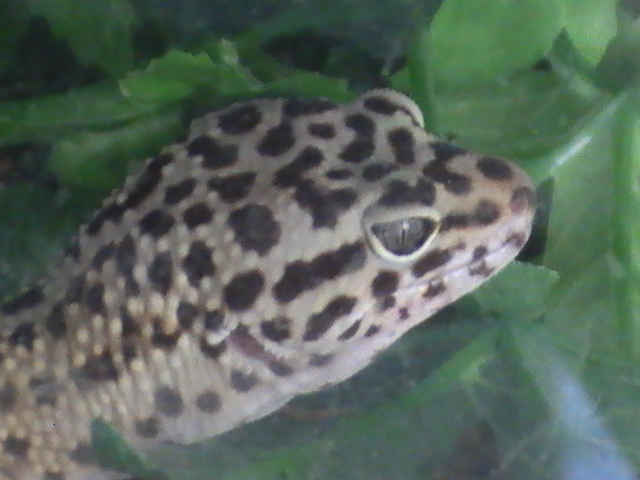
- What Exactly Is Happening When Geckos Lick Their Eyeballs?
- Which Geckos Do It Most?
- Why Geckos Lick Eyeballs: The Core Reasons
- 1. Cleaning the Spectacle
- 2. Moisturizing the Eye
- 3. Removing Shed Skin
- 4. Sensory Feedback
- 5. A Response to Irritation
- The Anatomy Behind the Behavior
- The Spectacle: A Built-In Windshield
- The Tongue: A Precision Tool
- The Absence of Eyelids
- Real Examples From the Wild and the Terrarium
- Common Myths and Misconceptions
- Myth: The Gecko Is Tasting Its Own Tears
- Myth: It Is a Sign of Illness
- Myth: Only Pet Geckos Do It
- Myth: It Means the Gecko Is Sad or Stressed
- How to Support Healthy Eye Grooming in Pet Geckos
- Why Evolution Favored This Strange Strategy
- A Note on Convergent Evolution
- Frequently Asked Questions
- Do all geckos lick their eyeballs?
- Is eye licking painful for the gecko?
- How often do geckos lick their eyes?
- Can a gecko survive without licking its eyes?
- What should I do if my gecko licks its eye constantly?
- The Bizarre Truth, Summed Up
- ❓ Frequently Asked Questions
If you have ever watched a leopard gecko in a terrarium, you may have witnessed one of the strangest sights in the animal kingdom: geckos lick their eyeballs. The animal slowly curls its flexible tongue up and out of its mouth, sweeps it across the surface of one eye, and then repeats the process on the other side. It looks comical, almost like a reflex gone wrong, but it is actually a precise, purposeful behavior that has evolved over millions of years. In this article, we will unpack the real science behind this bizarre habit, explain why it matters for the gecko's survival, and clear up some of the myths that circulate online.
What Exactly Is Happening When Geckos Lick Their Eyeballs?
The behavior is exactly what it sounds like. A gecko extends its tongue, presses it against the cornea, and drags it across the eye to remove dust, grit, and debris. The tongue is long, flexible, and surprisingly dexterous, and many gecko species can reach both eyes with it in a single grooming session. Owners of pet geckos often describe the motion as a slow, deliberate "sweep" rather than a quick flick.
What makes this so unusual is that most vertebrates, including humans, rely on eyelids and tear ducts to keep the eye clean. Geckos do not have that luxury. Virtually all geckos belong to the infraorder Gekkota, and the vast majority of them lack movable eyelids entirely. Instead, their eyes are covered by a transparent, fixed membrane called a spectacle, brille, or eye cap. This clear scale protects the eye like a built-in windshield, but it also traps dust, pollen, and skin flakes that would normally be washed away by blinking and tears.
The tongue, therefore, becomes the gecko's washcloth. By licking the spectacle, the gecko physically wipes away anything stuck to the surface. It is a simple solution to a problem that eyelids would normally solve, and it works remarkably well.
Which Geckos Do It Most?
Not every gecko licks its eyes with the same enthusiasm. Species with fully fused, transparent eye caps are the most committed groomers. The leopard gecko (Eublepharis macularius) is a famous exception in one respect — it actually has movable eyelids — but it still licks its eyes regularly to clear debris. Other frequent eye-lickers include the crested gecko (Correlophus ciliatus), the tokay gecko (Gekko gecko), and the day geckos of the genus Phelsuma, which are among the most colorful lizards on Earth.
By contrast, some gecko groups, such as the eyelash geckos and certain ground-dwelling species, rely more on eyelid movement and less on tongue grooming. The behavior is not universal, but it is widespread enough that anyone who keeps geckos will eventually see it.
Why Geckos Lick Eyeballs: The Core Reasons
When people ask why geckos lick eyeballs, the honest answer is that there is no single reason. The behavior serves several overlapping functions, and different species may weight those functions differently.
1. Cleaning the Spectacle
The most obvious purpose is hygiene. The eye cap is a living scale, and like any scale it accumulates dirt. In the wild, geckos crawl through leaf litter, squeeze into rock crevices, and hunt in dusty environments. Fine particles settle on the eye surface, and if they are not removed, they can cloud vision or irritate the underlying cornea. Licking clears the surface and restores sharp eyesight, which is critical for an animal that hunts by sight.
2. Moisturizing the Eye
Geckos cannot cry in the mammalian sense. They lack the tear-producing glands and drainage system that keep human eyes wet. Their saliva, however, is a ready source of moisture. When a gecko licks its eye, it leaves behind a thin film of saliva that lubricates the spectacle and prevents it from drying out. This is especially important in arid species such as the Mediterranean house gecko (Hemidactylus turcicus) and various desert-dwelling geckos, which live in environments where water is scarce and evaporation is rapid.
3. Removing Shed Skin
Geckos shed their skin periodically, often in patches rather than in one piece. Bits of old skin can cling to the eye cap, and if left in place they can create a rough, opaque layer that impairs vision. Eye licking helps dislodge these flakes. In captivity, keepers sometimes notice a gecko licking its eye repeatedly just before or after a shed, which supports this explanation.
4. Sensory Feedback
The tongue is packed with sensory receptors. By touching the eye surface, a gecko may be gathering information about the condition of the eye cap — whether it is clean, dry, or damaged. Some researchers have suggested that this tactile feedback helps the gecko decide whether more grooming is needed. It is a bit like running your finger over a surface to check whether it is smooth or gritty.
5. A Response to Irritation
Sometimes eye licking is a sign that something is wrong. If a gecko licks its eye far more often than usual, or if the eye looks cloudy, swollen, or weepy, it may be reacting to an irritant, an infection, or a piece of stuck shed. In pet geckos, this can indicate a vitamin A deficiency, which affects the health of the eye and skin. Persistent eye licking is therefore worth monitoring.
The Anatomy Behind the Behavior
To understand why geckos lick eyeballs so effectively, it helps to look at the anatomy involved.
The Spectacle: A Built-In Windshield
The spectacle is a modified scale that covers the eye. It is transparent, tough, and fused to the surrounding skin, which is why geckos with spectacles cannot blink. The structure is similar in function to a contact lens, but it is permanently attached. Because it is part of the skin, it sheds along with the rest of the body, and it must be kept clean at all times.
The Tongue: A Precision Tool
Gecko tongues are not just for eating. They are muscular, highly mobile, and often tipped with a sticky surface. In species that lick their eyes, the tongue can be extended and maneuvered with great accuracy. The tip is soft enough not to scratch the spectacle but firm enough to wipe away debris. Some geckos can even reach the corners of the eye, where dust tends to collect.
The Absence of Eyelids
Most geckos have lost the ability to blink because their eyelids have fused into the spectacle. This is an evolutionary trade-off: the eye is better protected from physical damage, but it can no longer be cleaned by blinking. The tongue compensates for that loss. Species that retain eyelids, such as the leopard gecko, still lick their eyes, but they can also blink and may rely less on the tongue.
Real Examples From the Wild and the Terrarium
The behavior shows up in a wide range of settings, from tropical rainforests to suburban walls.
- Leopard geckos are native to the dry grasslands and deserts of Afghanistan, Pakistan, and northwestern India. They are crepuscular, meaning they are most active at dawn and dusk, and they are popular pets. A leopard gecko may lick its eyes several times a day, especially after a meal or a shed.
- Crested geckos come from the rainforests of New Caledonia, where they live in trees and shrubs. They have fully fused eye caps and lick their eyes frequently to keep them moist in humid but debris-rich environments.
- Tokay geckos are among the largest geckos, reaching 10 to 12 inches (25 to 30 centimeters) in total length. They are native to Southeast Asia and are known for their loud "to-kay" call. They are also vigorous eye-lickers.
- Mediterranean house geckos are small, about 4 to 5 inches (10 to 13 centimeters) long, and have spread across the world by hitchhiking on ships and cargo. They are often seen on walls at night, hunting insects under porch lights, and they lick their eyes to clear dust and pollen.
- Day geckos of the genus Phelsuma, such as the Madagascar giant day gecko, are diurnal and rely heavily on vision to hunt. Their bright colors and active lifestyles make their eye-licking behavior easy to observe in captivity.
In each case, the behavior is tied to the same underlying need: keeping a fixed, transparent eye surface clean and functional.
Common Myths and Misconceptions
Because the behavior looks so odd, it has attracted a fair amount of misinformation.
Myth: The Gecko Is Tasting Its Own Tears
Some people assume that geckos lick their eyes to drink tears or to get salt. There is no evidence for this. Geckos do not produce tears in the way mammals do, and the tongue is used for cleaning and moistening, not for extracting nutrients from the eye.
Myth: It Is a Sign of Illness
Occasional eye licking is completely normal. It only becomes a concern when it is excessive, when the eye looks abnormal, or when the gecko shows other signs of poor health, such as lethargy, loss of appetite, or difficulty shedding. In those cases, a veterinarian experienced with reptiles should be consulted.
Myth: Only Pet Geckos Do It
Wild geckos lick their eyes just as often, if not more, because they face more dust, dirt, and debris than captive animals. The behavior is innate, not learned from humans or other geckos.
Myth: It Means the Gecko Is Sad or Stressed
There is no scientific basis for linking eye licking to emotion. It is a maintenance behavior, similar to a cat grooming its fur or a bird preening its feathers.
How to Support Healthy Eye Grooming in Pet Geckos
If you keep geckos, you can help them keep their eyes in good condition.
- Provide a clean enclosure. Dust, loose substrate, and stagnant air can all contribute to eye irritation. Spot-clean the tank regularly and replace soiled bedding.
- Maintain proper humidity. Most geckos need a humidity gradient, with a moist hide for shedding. Low humidity can dry out the eye cap and lead to stuck shed.
- Offer a balanced diet. Vitamin A deficiency is a common cause of eye problems in reptiles. Feed a variety of appropriately gut-loaded insects and use a reputable calcium and vitamin supplement.
- Avoid dusty substrates. Fine sand and powdery bedding can stick to the spectacle. Many keepers prefer paper towel, tile, or a soil-based mix that holds moisture without producing dust.
- Watch for warning signs. Cloudy eyes, swelling, discharge, or constant licking warrant a closer look. If the gecko cannot open its eye or if the spectacle looks damaged, seek veterinary advice.
- Do not try to clean the eye yourself. The spectacle is delicate. Attempting to wipe it with a cotton swab or cloth can cause injury. Let the gecko do its own grooming, and address underlying husbandry issues instead.
With the right setup, most geckos will keep their eyes clean without any intervention. The behavior is a normal part of their daily routine, and seeing it is a sign that your gecko is comfortable enough to groom.
Why Evolution Favored This Strange Strategy
At first glance, licking your own eye seems like an awkward solution. Why would evolution favor a tongue over an eyelid? The answer lies in the gecko's lifestyle and evolutionary history.
Geckos are small, nocturnal, and often live in tight spaces. A fixed, transparent eye cap protects the eye from scratches and abrasions as the animal squeezes through cracks and brushes against rough surfaces. Eyelids, by contrast, are more vulnerable to injury and require complex muscles and glands to function. By fusing the eyelids into a single protective scale, geckos gained durability at the cost of blinking. The tongue evolved as a low-cost replacement, allowing the animal to clean and moisten the eye without sacrificing protection.
This trade-off has been remarkably successful. Geckos are one of the most diverse and widespread groups of lizards, with more than 1,500 species found on every continent except Antarctica. Their ability to thrive in environments ranging from rainforests to deserts is partly due to adaptations like the spectacle and the grooming behavior that keeps it functional.
A Note on Convergent Evolution
Geckos are not the only animals with fused eyelids. Snakes, many skinks, and some other lizards have independently evolved similar structures. In each case, the animals have also evolved ways to keep the eye clean, whether through tongue grooming, specialized scales, or other mechanisms. This is a classic example of convergent evolution, where unrelated lineages arrive at similar solutions to similar problems.
Frequently Asked Questions
Do all geckos lick their eyeballs?
No. The behavior is most common in geckos with fully fused eye caps. Species with movable eyelids, such as the leopard gecko, may still lick their eyes but do so less often. Some geckos rely more on blinking and tear production.
Is eye licking painful for the gecko?
No. The tongue is soft and the spectacle is tough. The behavior is a normal, gentle grooming action, not a sign of discomfort.
How often do geckos lick their eyes?
It varies by species and environment. Some geckos lick their eyes a few times a day, while others may do it only when they encounter dust or during a shed. In dusty or dry conditions, the frequency increases.
Can a gecko survive without licking its eyes?
In the short term, yes, but over time the eye cap would accumulate debris and could dry out, leading to vision problems and infection. Eye grooming is an important part of the gecko's daily maintenance.
What should I do if my gecko licks its eye constantly?
First, check the enclosure for dust, low humidity, or stuck shed. If the behavior persists or the eye looks abnormal, consult a reptile veterinarian. Constant eye licking can be a sign of irritation or infection.
The Bizarre Truth, Summed Up
The truth behind why geckos lick their eyeballs is both simple and elegant. These lizards have traded eyelids for a fixed, transparent eye cap that protects their vision but cannot clean itself. The tongue steps in as a multi-purpose tool, wiping away dust, applying moisture, and dislodging shed skin. What looks like a bizarre quirk is actually a finely tuned survival behavior, refined over millions of years and still visible today in living rooms, rainforests, and desert rocks around the world. The next time you see a gecko sweep its tongue across its eye, you are watching evolution at work — a small, strange, and wonderfully effective solution to a problem most animals never have to face.
❓ Frequently Asked Questions
💬 Why do geckos lick their eyeballs?
Many geckos, especially species without eyelids like leopard geckos, lick their eyes to clean off dust and debris and to keep the surface moist. The tongue acts as a built-in windshield wiper since they can't blink or wipe their eyes with their hands.
💬 Is it normal for a gecko to lick its eyes?
Yes, it's completely normal and healthy behavior for many gecko species, particularly those with transparent scales over their eyes instead of movable eyelids. You may see it more often when your gecko is shedding or if its enclosure is dusty or dry.
💬 Do all geckos lick their eyeballs?
No, this behavior is most common in geckos that lack eyelids, such as leopard geckos, crested geckos, and other species with a clear spectacle covering the eye. Geckos that have functional eyelids, like many day geckos, blink instead and rarely need to lick their eyes.
💬 What does it mean if my gecko licks its eyes constantly?
Frequent eye licking can signal a problem such as low humidity, dusty substrate, an eye infection, or stuck shed irritating the eye. If it happens very often or you notice swelling, discharge, or cloudiness, check your humidity levels and consult an exotic vet.