- The Mechanics Behind the Hummingbirds Hover Ability
- A Wingbeat Like No Other
- Powering the Hover: A High-Octane Metabolism
- Why Hovering is Essential for the Hummingbirds Hover Ability
- Feeding from Tubular Flowers
- Competing for Territory and Mates
- Anatomical Adaptations That Enable Hovering
- Lightweight Skeletons and Powerful Muscles
- Specialized Vision and Brain Processing
- Energy Conservation: Torpor and Feeding Strategies
- Entering Torpor to Save Energy
- Feeding Preferences and Flower Selection
- Evolutionary Origins of the Hummingbirds Hover Ability
- From Perching to Hovering
- Comparison with Other Hovering Animals
- Lifespan and Behavioral Impacts of Hovering
- Short but Intense Lives
- Social Behavior and Communication
- Conclusion: The Marvel of the Hummingbirds Hover Ability
The hummingbirds hover ability is one of nature’s most astonishing feats, allowing these tiny birds to defy gravity and remain suspended in mid-air with pinpoint precision. Unlike most birds, which rely on forward momentum to stay aloft, hummingbirds can hover in place for extended periods, sipping nectar from flowers as if frozen in time. This unique skill is not just a party trick; it is a masterful adaptation driven by specialized anatomy, high-energy demands, and a lifestyle that revolves around constant foraging. From the mechanics of their wings to the speed of their metabolism, the truth behind why hummingbirds hover reveals a world of biological engineering that rivals any human invention.
The Mechanics Behind the Hummingbirds Hover Ability
A Wingbeat Like No Other
The secret to the hummingbirds hover ability lies in its wing structure and motion. Unlike most birds, which flap their wings up and down, hummingbirds rotate their wings in a figure-eight pattern. This motion generates lift on both the forward and backward strokes, allowing the bird to remain stationary. On average, a ruby-throated hummingbird beats its wings about 50 to 60 times per second during normal flight, but this rate can spike to over 200 beats per second during courtship dives. The wings themselves are incredibly flexible, with a ball-and-socket joint at the shoulder that permits an extraordinary range of motion—up to 180 degrees of rotation. This flexibility enables the bird to tilt its body and adjust its wing angle, making hovering possible even in gusty winds.
Powering the Hover: A High-Octane Metabolism
Hovering is an energy-intensive activity, requiring more oxygen per gram of body weight than any other bird or mammal. A hummingbird’s heart can beat up to 1,260 times per minute, and its respiratory system is highly efficient, pulling oxygen from the air during both inhalation and exhalation. To sustain this, hummingbirds consume up to half their body weight in nectar each day, visiting hundreds of flowers in a single foraging session. For example, the Anna’s hummingbird, which lives along the Pacific coast, must feed every 10 to 15 minutes to avoid starvation. This high metabolic rate is supported by a diet rich in simple sugars, which are rapidly converted into energy. Without this constant fuel, the hummingbirds hover ability would be impossible.
Why Hovering is Essential for the Hummingbirds Hover Ability
Feeding from Tubular Flowers
Hovering is not just a display of agility; it is a practical necessity for feeding. Many of the flowers hummingbirds rely on, such as trumpet creepers, bee balms, and fuchsias, have deep, tubular shapes that are inaccessible to perching birds. By hovering, hummingbirds can insert their long, needle-like bills—up to 4 inches in some species—into the flower’s corolla without needing to land. This allows them to reach nectar that bees and butterflies cannot, giving them access to a rich, exclusive food source. In return, hummingbirds act as effective pollinators, transferring pollen from flower to flower as they feed. This mutualistic relationship has evolved over millions of years, with flowers developing colors and shapes that specifically attract hummingbirds, such as bright red and orange hues.
Competing for Territory and Mates
Hovering also plays a critical role in social interactions. Male hummingbirds often hover in front of females during courtship displays, showcasing their iridescent plumage and performing elaborate dives. For instance, the male Allen’s hummingbird will hover at a low angle, then shoot upward in a U-shaped arc, creating a sharp whistle with its tail feathers. Hovering allows them to maintain eye contact and adjust their position quickly, making them appear more attractive. Additionally, hummingbirds are highly territorial, defending feeding sites from other birds and insects. A hovering hummingbird can dart sideways, backward, or upward to chase off intruders, using its agility to protect a patch of flowers that may yield up to 1,000 calories per day—a vital resource in its high-energy lifestyle.
Anatomical Adaptations That Enable Hovering
Lightweight Skeletons and Powerful Muscles
A hummingbird’s skeleton is remarkably lightweight, accounting for only about 5% of its total body weight. The bones are hollow and fused in key areas, reducing mass without sacrificing strength. The pectoral muscles, which power the wings, make up about 25% to 30% of the bird’s body weight—a proportion far greater than in most birds. These muscles are densely packed with mitochondria, the powerhouses of cells, allowing for sustained, rapid contractions. The supracoracoideus muscle, which lifts the wing, is also highly developed, enabling the figure-eight motion that generates lift on both strokes. This muscular configuration is unique among birds and is the primary reason why hummingbirds can hover while other birds, like swifts or swallows, cannot.
Specialized Vision and Brain Processing
Hovering requires split-second adjustments to maintain stability, and hummingbirds have exceptional vision to support this. Their eyes are among the largest relative to body size of any vertebrate, and they can perceive a wider spectrum of colors than humans, including ultraviolet light. This allows them to track moving flowers and detect subtle changes in position. The brain processes visual information at an incredible speed, with neurons firing up to 100 times per second. This rapid processing enables hummingbirds to make micro-adjustments to their wing angle and body tilt, keeping them steady even when feeding from flowers that sway in the breeze. Without this neural speed, the hummingbirds hover ability would be far less precise.
Energy Conservation: Torpor and Feeding Strategies
Entering Torpor to Save Energy
Given the immense energy cost of hovering, hummingbirds have evolved a remarkable survival strategy: torpor. At night, when they cannot feed, hummingbirds can lower their metabolic rate by up to 95%. Their body temperature drops from around 104°F to as low as 48°F, and their heart rate slows to just 50 beats per minute. This state of suspended animation allows them to conserve precious energy until dawn. For example, the calliope hummingbird, the smallest bird in North America, regularly enters torpor during cold nights in the Rocky Mountains. Without this adaptation, the hummingbirds hover ability would be unsustainable, as they would need to feed continuously to avoid starvation.
Feeding Preferences and Flower Selection
Hummingbirds are not indiscriminate feeders; they have evolved to prefer flowers with high nectar concentrations, typically between 15% and 30% sugar. They also learn to avoid flowers that have been recently emptied, using memory and spatial awareness to maximize efficiency. A single hummingbird may visit over 1,000 flowers per day, each stop lasting only a few seconds. During these brief visits, the bird hovers with incredible control, extending its tongue—which is forked and fringed—to lap up nectar at a rate of up to 13 licks per second. This rapid feeding is essential because a hovering hummingbird burns calories at a rate that would exhaust a human marathon runner. In fact, if a human were to burn energy at the same rate as a hovering hummingbird, they would need to consume over 150,000 calories per day.
Evolutionary Origins of the Hummingbirds Hover Ability
From Perching to Hovering
The hummingbirds hover ability did not appear overnight; it evolved over tens of millions of years. Fossil evidence suggests that early hummingbirds, dating back to the Eocene epoch (around 50 million years ago), were more like swifts, with longer wings and less specialized flight. Over time, as flowering plants diversified, hummingbirds adapted to feed on nectar, developing shorter, more powerful wings and a unique shoulder joint. The evolution of the figure-eight wing stroke likely occurred in response to the need for precise control in tight spaces, such as dense forests. Today, there are over 360 species of hummingbirds, all of which can hover to some degree, though some, like the giant hummingbird of South America, hover less frequently due to their larger size.
Comparison with Other Hovering Animals
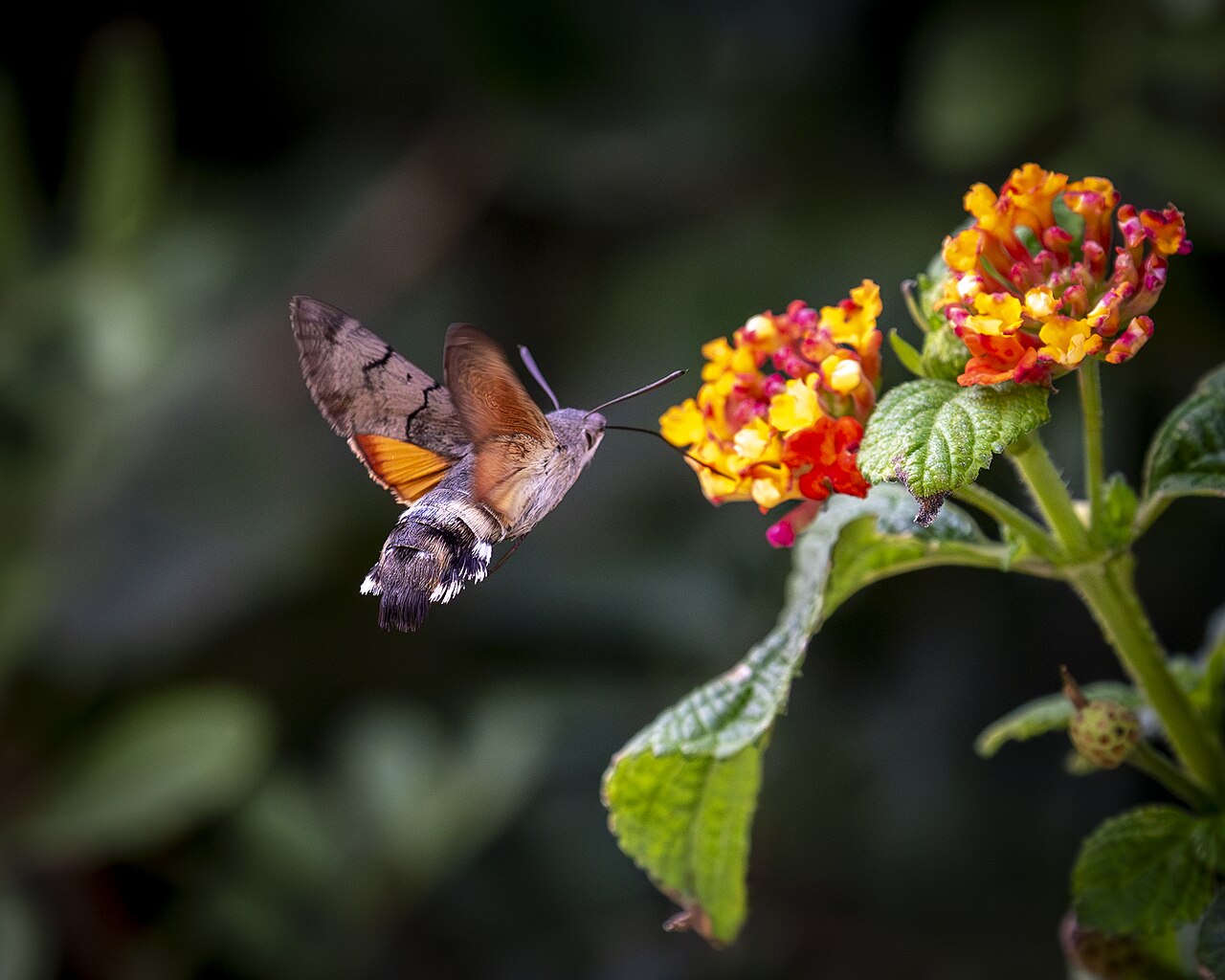
While hovering is rare in the bird world, it is not unique to hummingbirds. Some insects, like bees and hawk moths, also hover to feed from flowers. However, hummingbirds are the only vertebrates capable of sustained hovering flight. Unlike bees, which rely on rapid wing vibrations, hummingbirds use their powerful muscles and flexible joints to generate lift. This evolutionary convergence demonstrates the selective pressure for hovering as a feeding strategy, but hummingbirds have taken it to an extreme, combining it with high intelligence, long-distance migration, and dazzling displays. For instance, the ruby-throated hummingbird migrates 500 miles across the Gulf of Mexico, a journey that requires fat reserves built up from months of hovering and feeding.
Lifespan and Behavioral Impacts of Hovering
Short but Intense Lives
Despite their high-energy lifestyle, hummingbirds can live surprisingly long lives. The average lifespan is 3 to 5 years, but some individuals, like banded ruby-throated hummingbirds, have been recorded living up to 9 years. This longevity is remarkable given the physical demands of hovering, which places immense strain on the heart, lungs, and muscles. To compensate, hummingbirds have evolved efficient repair mechanisms and a diet rich in antioxidants from nectar. However, the constant activity means that most hummingbirds die from predation, collisions, or starvation rather than old age. For example, a sudden cold snap can kill hundreds of hummingbirds if they cannot find enough food to maintain their hovering ability.
Social Behavior and Communication
Hovering also influences social behavior beyond courtship. Hummingbirds use hovering as a means of communication, often performing aggressive displays to warn off rivals. These displays involve hovering in place while fanning tail feathers and flashing iridescent throat patches, known as gorgets. The angle of light can make these colors appear to change, creating a visual signal that other hummingbirds interpret. Some species, like the broad-tailed hummingbird, produce a trilling sound with their wings during hovering, which serves as an acoustic cue. This combination of visual and auditory communication helps maintain territories and reduces physical conflict, which could be costly in terms of energy.
Conclusion: The Marvel of the Hummingbirds Hover Ability
The hummingbirds hover ability is a triumph of evolution, blending biomechanics, metabolism, and behavior into a single, breathtaking skill. From the figure-eight wing stroke that generates lift on both strokes to the high-octane metabolism that fuels it, every aspect of a hummingbird’s life is shaped by this unique form of flight. Hovering allows them to access exclusive food sources, defend territories, and perform elaborate courtship displays, all while consuming energy at a rate that would be unsustainable for most other animals. Whether you are watching a ruby-throated hummingbird hover at a feeder in your backyard or observing a giant hummingbird in the Andes, the truth is clear: hovering is not just a trick—it is the key to their survival. So the next time you see a hummingbird suspended in mid-air, remember that you are witnessing one of nature’s most remarkable adaptations, a testament to millions of years of evolution and the relentless drive to thrive in a competitive world.