- The Anatomy of a Marvel: What Exactly Is a Narwhal Tusk?
- The Sensory Superhighway
- The Dominant Theory: The Narwhal Tusk Purpose as a Sensory Organ
- Evidence from the Deep
- Beyond Sensing: The Role of the Tusk in Mating and Social Status
- The Cost of a Giant Tooth
- Habitat and Diet: Life in the Icy Crystal Labyrinth
- Debunking Old Myths: The Tusk Is Not a Weapon or an Ice Pick
- Predators and Vulnerability
- The Social Whale: How Tusks Influence Narwhal Behavior
- Climate Change and the Future of the Tusk
- Conclusion: The Icy Truth Revealed
- ❓ Frequently Asked Questions
For centuries, the narwhal tusk purpose has been one of the most debated mysteries in marine biology, a puzzle wrapped in Arctic ice and Viking legend. When you picture a narwhal, you likely imagine a medium-sized whale with a single, spiraled lance protruding from its head like a mythical unicorn’s horn. But this “horn” is not what it seems, and the truth behind why narwhals grow it is far stranger and more fascinating than the old tales of sea serpents or magical cures. In this deep dive, we will separate fact from folklore, exploring the anatomy, behavior, and icy environment that shape the life of the “unicorn of the sea.”
The Anatomy of a Marvel: What Exactly Is a Narwhal Tusk?
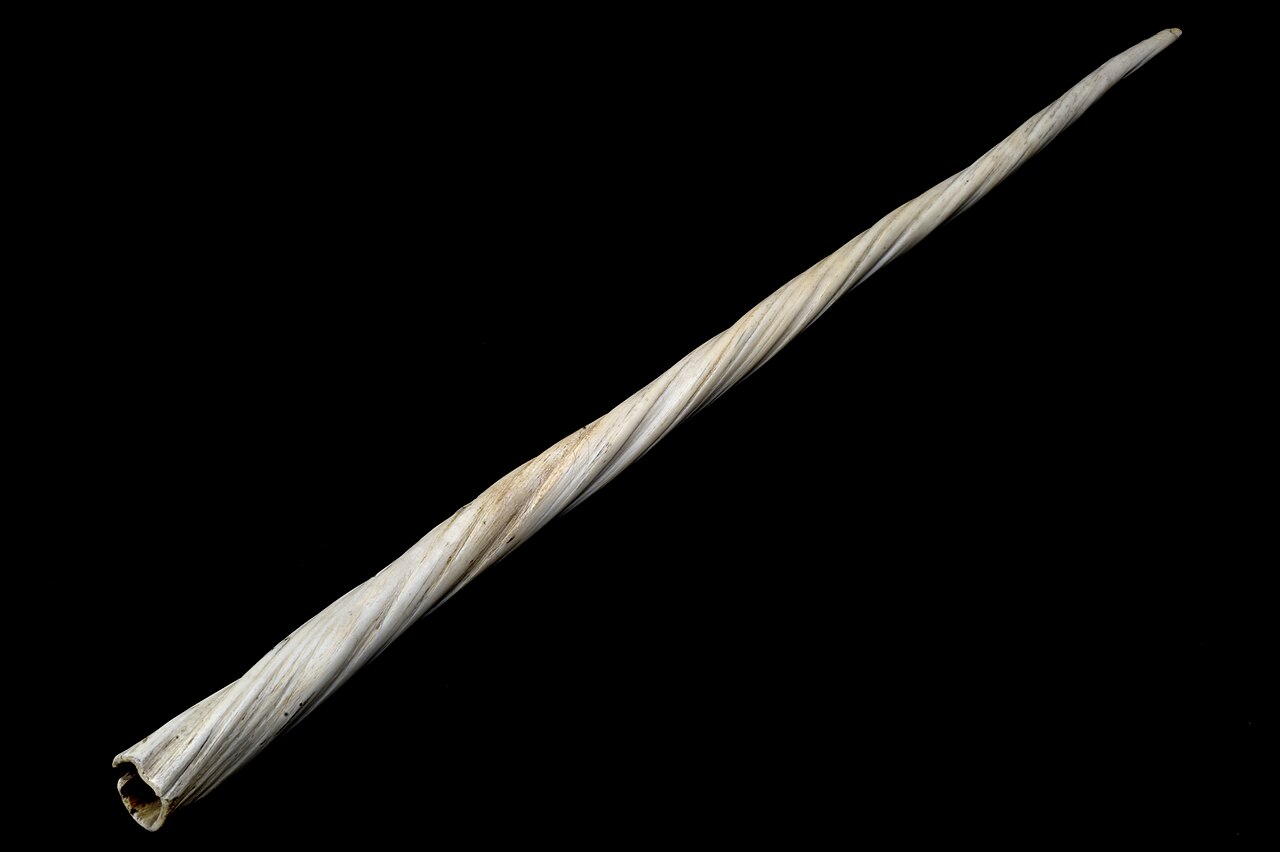
To understand the narwhal tusk purpose, you first have to dismantle the myth that it is a horn. A narwhal’s tusk is actually an oversized, elongated canine tooth — specifically, the upper left tooth — that erupts through the upper lip and spirals counter-clockwise as it grows. In males, this tooth can reach astonishing lengths of up to 8 to 10 feet (2.4 to 3 meters) and weigh over 22 pounds (10 kilograms). That means the tusk can account for roughly one-third of the animal’s total body length, which typically ranges from 13 to 18 feet (4 to 5.5 meters) excluding the tusk.
Unlike human teeth, which are hard on the outside and soft inside, the narwhal tusk is reversed in a crucial way: the cementum (the outer layer) is relatively soft, while the interior is riddled with millions of tiny, open tubules that connect to the central pulp. This isn’t a solid bone; it’s a highly sensitive sensory organ. In fact, the entire surface of the tusk is covered in nerve endings that are directly exposed to seawater. Imagine having a tooth that can “feel” the ocean — that’s the starting point for understanding its true function.
Interestingly, not all narwhals have tusks. Roughly 15% of females grow a smaller, less spiraled tusk, and a rare few males can grow two tusks (a double-tusked narwhal is a biological anomaly, with the second tusk being the right canine). Most females, however, remain tuskless for life, which immediately tells us that the tusk is not essential for basic survival like feeding or breathing — otherwise, all females would have them.
The Sensory Superhighway
Early anatomists thought the tusk was a solid rod, but a landmark study in 2014 by marine biologist Martin Nweeia revealed the truth. The tusk’s outer layer is covered in a cementum that is porous, and the inner dentin is packed with millions of nerve canals that carry blood and sensory fibers. When the tusk is bathed in seawater, these nerves can detect subtle changes in temperature, pressure, salinity, and even the presence of certain chemicals. This makes the tusk a dynamic environmental probe, not a static weapon.
The Dominant Theory: The Narwhal Tusk Purpose as a Sensory Organ
If you ask modern cetacean biologists for the leading explanation of the narwhal tusk purpose, the majority will point to sensory perception, not combat. The evidence is compelling. The exposed nerve tubules allow the narwhal to “taste” the water around it, detecting gradients in salt concentration that could help it find cracks in sea ice or locate prey like Arctic cod and halibut. In the dark, months-long polar winter, when sunlight barely kisses the horizon, visual hunting is nearly impossible. The tusk becomes a biological flashlight, scanning the environment for the chemical signatures of food or the pressure changes caused by moving water.
Researchers have also observed narwhals performing a behavior called “tusking” — not as a fight, but as a gentle crossing and rubbing of tusks. For years, this was assumed to be male-on-male combat, like deer locking antlers. But high-definition drone footage from the Canadian High Arctic shows that tusking is often slow, deliberate, and involves individuals of different sexes. The rubbing likely allows two narwhals to exchange information about water conditions, or it could serve as a form of social bonding, akin to a handshake that reads the other’s health and stress levels through chemical cues.
Think of it this way: the tusk is a giant, externalized tooth that acts like a second brain for the ocean. It allows a narwhal to sense freezing temperatures before it swims into a dead-end ice pocket, or to detect the subtle electrical impulses of a frightened fish hiding in the sediment. This is not a weapon; it’s a highly evolved survival tool for one of the most extreme habitats on Earth.
Evidence from the Deep
In controlled studies, scientists have placed narwhals in tanks and introduced varying salt concentrations. The narwhals responded by altering their heart rate and swimming patterns in response to the changes, proving that the tusk’s nerves are actively processing environmental data. Furthermore, the tusk’s tip is the most sensitive part, with the highest density of nerve endings. This makes sense evolutionarily — the tip is the first part to encounter new water, new prey, or new obstacles.
Beyond Sensing: The Role of the Tusk in Mating and Social Status
While sensory perception explains the “how” of the tusk’s daily use, it doesn’t fully explain the dramatic size difference between males and females. This is where sexual selection steps in. The narwhal tusk purpose is also deeply tied to reproduction and social hierarchy. Male narwhals grow tusks that are, on average, twice as long as those of the rare tusked females. This is a classic sign of a sexually selected trait — a feature that evolves not for survival, but for winning mates.
In the cold, murky waters of Baffin Bay and the Greenland Sea, visual displays are limited. But a long, unbroken tusk is a clear advertisement of a male’s genetic fitness, his age, his diet, and his ability to avoid breakage over a lifetime that can span 50 years. A broken tusk is a death sentence for that male’s reproductive success, as it never regrows. Therefore, males with longer, intact tusks signal that they are strong, resilient, and experienced.
During the mating season in late winter and early spring, males will often cross tusks in what looks like a fencing match. However, unlike true combat, these encounters rarely result in injury. Instead, they appear to be a measurement of length and girth. The male with the longer tusk “wins” the display, gaining access to females without risking a physical fight. The tusk is a billboard, not a sword.
The Cost of a Giant Tooth
Growing a 10-foot sensory organ is biologically expensive. It requires diverting calcium and phosphorus from the rest of the skeleton, and it creates hydrodynamic drag, making the narwhal slightly slower and less agile. This cost is justified only if the tusk dramatically increases reproductive success. For females, who invest heavily in pregnancy and nursing, such a costly ornament is less advantageous, which explains why they evolved to be mostly tuskless. They save the energy for calf-rearing.
Habitat and Diet: Life in the Icy Crystal Labyrinth
To fully appreciate the narwhal tusk purpose, you must understand the narwhal’s home. Narwhals are exclusively Arctic whales, inhabiting the fjords and offshore waters of Canada, Greenland, Norway, and Russia. They are deep divers, plunging to depths of up to 4,900 feet (1,500 meters) — deeper than any other marine mammal — in search of food. Their primary diet consists of Greenland halibut, Arctic cod, squid, and shrimp. Unlike their close relatives, the beluga whales, narwhals do not have a broad, flexible neck; their neck vertebrae are fused, meaning they must turn their entire body to look around.
This is where the tusk’s sensory ability becomes lifesaving. In the winter, narwhals live under pack ice that can be several meters thick. They must constantly find “leads” — narrow cracks in the ice — to surface and breathe. If they misjudge and swim under a closed ice sheet, they will drown. The tusk allows them to detect pressure changes and temperature gradients from a distance, helping them navigate these frozen mazes. It is essentially a blind person’s cane, but for a 1,600-pound (725 kg) whale swimming in near-total darkness.
Their lifespan is equally remarkable. Narwhals can live for 50 to 90 years, and recent studies using amino acid dating on the lens of their eyes suggest some individuals may exceed 100 years. This longevity means that a single tusk must remain functional for nearly a century, enduring the constant wear of saltwater, ice, and occasional impacts.
Debunking Old Myths: The Tusk Is Not a Weapon or an Ice Pick
For hundreds of years, sailors and naturalists believed the narwhal tusk purpose was to spear fish or to break through ice from below. Both theories are now thoroughly debunked. Narwhals have no teeth inside their mouths — adults are completely toothless except for the tusk and a second, embedded vestigial tooth. They feed by suction, drawing prey into their mouths and swallowing them whole. They cannot chew, and they certainly cannot use a long, delicate tusk to stab a fast-moving fish.
The ice-breaking theory is equally flawed. Narwhals use the tops of their heads, not their tusks, to break through thin ice when they need to breathe. The tusk is too slender and brittle to withstand the force of punching through thick sea ice. In fact, narwhals are known to die by getting their tusks trapped in ice or entangled in fishing gear. The tusk is a liability in these situations, not a tool. It is a sensory device, and like all sensitive devices, it is fragile.
Historically, the tusk was sold as “unicorn horn” in medieval Europe, fetching prices ten times their weight in gold. It was ground into powder and used as a poison antidote or to cure plague. While the monetary value was immense, the biological reality is far more practical. The tusk is not magical medicine; it’s a complex, living tooth that provides the narwhal with a sixth sense for surviving the most hostile ocean on the planet.
Predators and Vulnerability
Narwhals have few natural predators. Polar bears occasionally catch them at breathing holes, and orcas (killer whales) will hunt them in open water. But the greatest threat is human activity — climate change reducing sea ice, noise pollution from ships, and hunting by indigenous communities who rely on narwhals for subsistence. The tusk’s sensitivity to pressure changes also makes narwhals incredibly susceptible to stress. When they hear ship sonar or feel the vibrations of a boat engine, they panic and dive too deeply, which can cause decompression sickness, or “the bends,” leading to fatal injury.
The Social Whale: How Tusks Influence Narwhal Behavior
Narwhals are highly social animals, living in groups of 10 to 100 individuals, though large aggregations of over 1,000 have been seen during summer migrations. These pods are matriarchal, led by older females who know the migration routes. Within these groups, the tusk plays a crucial role in communication. The narwhal tusk purpose extends beyond individual sensing; it facilitates group coordination.
When narwhals gather, they often align themselves parallel to each other, touching tusks or rubbing them against another whale’s back. This likely allows them to share information about water temperature and salinity, which is vital when the pod is deciding where to migrate for the summer. A pod led by a tusked female might have better environmental awareness, leading to higher survival rates for her group.
Calves are born without tusks, and the tusk does not begin to erupt until the male is about 2 to 3 years old. It grows slowly, adding about 1 centimeter of length per month. Young males will often practice “tusking” with older males, learning the social rules and perhaps calibrating the sensitivity of their new organ. This is not aggression; it is education. The tusk is a tool for social cohesion, helping narwhals maintain the tight bonds necessary for coordinated hunting and predator avoidance.
Climate Change and the Future of the Tusk
The future of the narwhal tusk is uncertain, as global warming rapidly alters the Arctic ecosystem. Narwhals are considered one of the most sensitive marine mammals to climate change because they are so specialized. They rely on seasonal sea ice for protection from orcas and for access to their preferred prey. As ice retreats, orcas are moving further north, encroaching on narwhal territory. In response, narwhals are being forced into deeper, colder pockets of water, which may stress their populations.
There is also concern that rising water temperatures affect the sensory function of the tusk. If the tusk is primarily used to detect temperature gradients, then a warmer, more uniform ocean might make it harder for narwhals to find the thermal cues they need to locate prey. Researchers are currently studying whether narwhals are adapting by altering their diving patterns or if they are suffering from increased energetic costs.
Conservation efforts are focused on protecting critical narwhal habitats, particularly the wintering grounds in Baffin Bay and the summering fjords of Northern Canada. Indigenous co-management programs, like those in Nunavut, ensure sustainable hunting quotas that do not threaten the population’s long-term viability. The narwhal is not currently endangered, with an estimated population of 80,000 to 100,000 individuals, but it is classified as “Near Threatened” by the IUCN due to the rapid pace of Arctic change.
Conclusion: The Icy Truth Revealed
So, why do narwhals have tusks? The icy truth is that the narwhal tusk purpose is multifaceted, but it is fundamentally a sensory organ, a social instrument, and a badge of reproductive fitness — not a weapon. This extraordinary tooth is a biological marvel, packed with millions of nerves that allow a whale to see through darkness and ice using chemistry and pressure. It is a delicate, living antenna that has allowed narwhals to thrive in the Arctic for millennia, navigating a world that would crush or freeze most other creatures. The tusk is not the horn of a mythical unicorn; it is the most sophisticated environmental sensor in the animal kingdom, a testament to the power of evolution to solve the most extreme challenges. As we continue to study these elusive whales, we are only beginning to understand the full depths of what their iconic spirals can tell us — not just about the narwhals themselves, but about the health of the rapidly changing Arctic ocean they call home.
❓ Frequently Asked Questions
💬 What is the main purpose of a narwhal's tusk?
The tusk is primarily a sensory organ, packed with millions of nerve endings that help narwhals detect changes in water temperature, pressure, and salinity—essentially acting like an underwater antenna to find food and navigate.
💬 Do narwhals use their tusks for fighting or hunting?
While males may occasionally clash tusks to establish dominance or compete for mates, the tusk is not used for hunting or stabbing prey; narwhals feed by sucking up fish like Arctic cod, using their mouths instead.
💬 Are all narwhals born with tusks?
No, only males typically grow long tusks (which are actually elongated teeth), while most females either lack them or grow a much shorter, less prominent one—though rare cases of females with tusks do exist.
💬 Can a narwhal survive if it breaks its tusk?
Yes, narwhals can survive a broken tusk, but it's risky because the tusk is highly innervated, so a fracture can cause pain and increase infection risk; however, the animal can still feed and live without it.