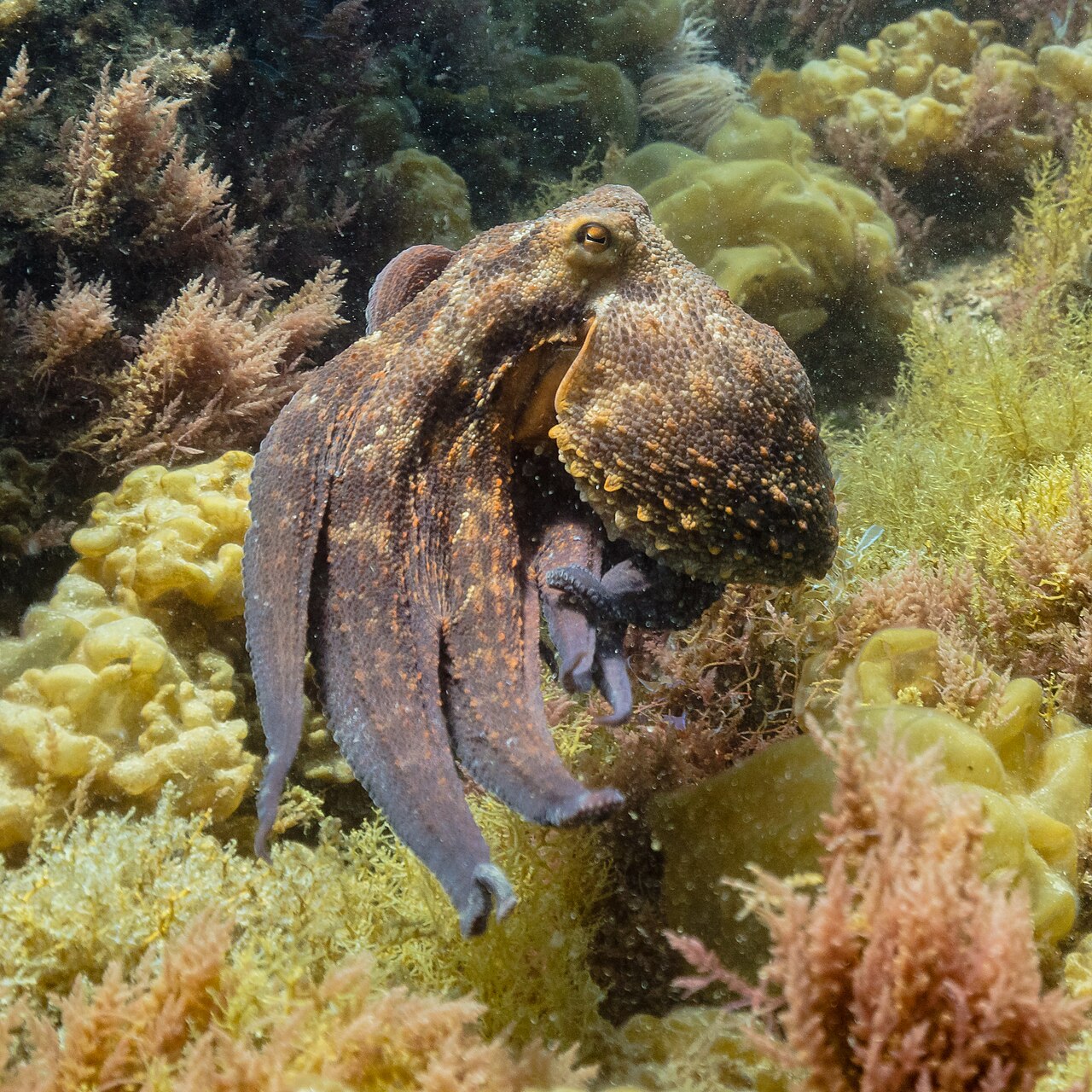
- The Shocking Truth About the Octopus Three Hearts System
- Anatomy of a Three-Hearted Cephalopod
- The Role of the Aorta and Arteries
- Why One Heart Is Not Enough for an Octopus
- Blood Pressure and the Cost of Blue Blood
- How the Three Hearts Power Jet Propulsion and Camouflage
- The Circulatory Link to Chromatophores
- Comparing the Octopus Three Hearts to Other Animals
- Temperature and Heart Rate
- The Lifespan Trade-Off: Why Three Hearts Mean a Short Life
- Senescence: The Programmed Shutdown
- Conclusion: The Price of Intelligence and Agility
- ❓ Frequently Asked Questions
When you first hear about the octopus three hearts system, it sounds like a bizarre biological quirk, but the truth is far more fascinating than a simple anatomical oddity. These intelligent cephalopods have evolved a circulatory system that is uniquely suited to their high-energy, predatory lifestyle, and understanding why they need three hearts reveals a masterclass in evolutionary engineering. While the idea of multiple hearts might seem like a superpower, it actually comes with a significant set of trade-offs that shape the entire life of an octopus, from its jet-propelled swimming to its short, intense lifespan.
The Shocking Truth About the Octopus Three Hearts System
The octopus three hearts arrangement is not a random mutation; it is a direct response to the animal's blood chemistry. Unlike vertebrates, which use iron-based hemoglobin to carry oxygen (giving blood its red color), octopuses use a copper-based protein called hemocyanin. This copper-based molecule is less efficient at binding oxygen than hemoglobin, especially in cold, low-oxygen environments. To compensate for this inefficiency, the octopus's body requires a much higher volume of blood and a higher blood pressure to deliver sufficient oxygen to its muscles.
To achieve this, the octopus evolved a system where one central heart handles systemic circulation while two additional, smaller hearts act as boosters. The two branchial hearts are located at the base of each gill, and their sole job is to pump blood through the gills for gas exchange. After the blood is oxygenated, it returns to the single systemic heart, which then pumps it out to the rest of the body. This two-stage pumping system ensures that the blood reaches the gills with enough force and then gets a second push to travel the rest of the distance.
However, there is a catch. The hemocyanin in octopus blood is also highly sensitive to temperature and pH levels. When an octopus is stressed or swimming vigorously, its blood becomes more acidic, which reduces the hemocyanin's ability to carry oxygen. This is why you will often see an octopus resting after a burst of activity—its circulatory system simply cannot sustain prolonged, high-intensity exertion without a recovery period.
Anatomy of a Three-Hearted Cephalopod
To truly appreciate the octopus three hearts design, you must look at the entire cardiovascular layout. The systemic heart is the largest of the three and is located in the main body cavity, near the reproductive organs. This heart is responsible for pumping oxygenated blood to all the organs, arms, and brain. It is a muscular, multi-chambered organ that beats at a rate of roughly 30 to 40 beats per minute, depending on the water temperature.
The two branchial hearts are smaller and sit directly beneath the gills. These hearts are often called "gill hearts" because they are essentially pumps dedicated to pushing deoxygenated blood through the delicate capillaries of the gills. This is a critical function because the gills are not efficient at absorbing oxygen from water; they require a high-pressure, high-volume flow to extract enough oxygen to sustain the octopus's active metabolism.
The Role of the Aorta and Arteries
From the systemic heart, blood is pushed into the anterior and posterior aortas, which branch out into a complex network of arteries. One of the most remarkable features of this system is that the arteries in the arms have local contractile vessels, meaning the arms themselves can help pump blood back to the heart. This is vital because octopus arms are incredibly long and flexible, and a single heart would struggle to circulate blood to the tips of all eight arms, especially when they are stretched out over a large area.
Interestingly, when an octopus loses an arm, the blood vessels in the stump constrict rapidly to prevent blood loss. The arm, once detached, still contains a significant amount of nerve tissue and can even react to stimuli for a short period, but without the central pumping action of the three hearts, it quickly dies.
Why One Heart Is Not Enough for an Octopus
The question of "why" comes down to energy demand. An octopus is a predator that relies on explosive movement, camouflage, and complex problem-solving. It needs a constant supply of oxygen to fuel its large brain and its powerful, flexible muscles. A single heart, like the one found in a fish or a human, would not be able to generate enough pressure to push blood through the entire body while also ensuring that the gills receive adequate flow.
In a typical vertebrate, the heart pumps blood to the gills or lungs, and then the same heart pumps it to the rest of the body. This is a serial system. In an octopus, the system is parallel in the sense that the branchial hearts are dedicated exclusively to the gills, while the systemic heart is dedicated to the rest of the body. This separation prevents the back-pressure that would occur if one heart had to do both jobs simultaneously.
Blood Pressure and the Cost of Blue Blood
Octopuses have some of the highest blood pressures recorded in the animal kingdom. The systemic heart can generate pressures of over 60 mmHg, which is comparable to that of many vertebrates. However, this high pressure comes at a cost. The vessels must be thick and resilient, and the heart muscles themselves are prone to wear and tear. This is one of the reasons why octopuses have relatively short lifespans—their cardiovascular system is working at maximum capacity, and it simply degrades over time.
Furthermore, the hemocyanin molecule is large and floats freely in the blood plasma, rather than being enclosed in red blood cells. This increases the blood's viscosity, making it thicker and harder to pump. The three hearts are essentially working against a thick, syrupy fluid, which explains why they need to beat so powerfully and why the octopus cannot afford to be sluggish.
How the Three Hearts Power Jet Propulsion and Camouflage
One of the most energy-intensive activities for an octopus is jet propulsion. When an octopus wants to move quickly, it contracts its mantle and forcefully expels water through a siphon. This requires a massive burst of muscular energy, and the three hearts must work in perfect sync to supply the muscles with oxygen. During a jetting sequence, the systemic heart rate increases dramatically, and the branchial hearts pump faster to keep the gills oxygenated.
However, this is also when the system becomes most fragile. The high pressure and rapid muscle contractions produce lactic acid, which lowers the blood's pH. As mentioned earlier, hemocyanin loses its oxygen-binding ability in acidic conditions. This creates a "catch-22" situation: the octopus needs to move fast to escape a predator, but the very act of moving fast reduces the oxygen-carrying capacity of its blood. As a result, octopuses are sprinters, not marathon runners. They will jet a short distance and then settle to the seafloor, breathing heavily to flush out the acid and restore the pH balance.
The Circulatory Link to Chromatophores
Camouflage also relies heavily on the circulatory system. The chromatophores—the pigment-filled sacs in the skin—are controlled by tiny muscles. These muscles require a constant supply of oxygen to expand and contract the sacs, allowing the octopus to change color and texture in milliseconds. Without the high-pressure blood flow from the three hearts, the octopus would not be able to control its camouflage effectively, making it vulnerable to predators and unable to ambush prey.
Comparing the Octopus Three Hearts to Other Animals
It is tempting to think that three hearts make an octopus superior to other animals, but the reality is that it is a specialized adaptation, not a universal advantage. For example, the giant Pacific octopus (Enteroctopus dofleini) can weigh up to 50 kilograms (110 pounds) and have an arm span of over 4.3 meters (14 feet). This enormous size requires an immense circulatory effort. In contrast, a blue whale, which is far larger, has a single heart that weighs as much as a small car. The whale's heart works efficiently because its blood is iron-based and much more efficient at carrying oxygen.
Other cephalopods, like squids and cuttlefish, also have three hearts, but their systems are tuned for a slightly different lifestyle. Squids are more streamlined and rely heavily on jet propulsion for long-distance migration, whereas octopuses are benthic (bottom-dwelling) and prefer to crawl. The octopus's hearts are not necessarily stronger than a squid's, but they are adapted for a more flexible, maneuverable body.
Temperature and Heart Rate
Water temperature has a profound effect on the octopus three hearts. In cold water, the metabolic rate slows, and the hearts beat slower. In warm water, the hearts beat faster to meet the increased oxygen demand. However, if the water gets too warm, the hemocyanin becomes less stable, and the octopus can suffer from hypoxia, even with three hearts working overtime. This is why many octopus species are found in cooler, deeper waters and why climate change poses a significant threat to their survival.
The Lifespan Trade-Off: Why Three Hearts Mean a Short Life
Perhaps the most tragic consequence of the octopus three hearts system is its link to a short lifespan. Most octopuses live for only 1 to 2 years, and some deep-sea species may live up to 3 or 4 years, but none live as long as many fish or mammals. The relentless wear and tear on the cardiovascular system, combined with the high metabolic cost of pumping thick, copper-based blood, leads to premature aging.
Furthermore, the reproductive process is often terminal. After a female octopus lays her eggs, she stops eating and devotes all her energy to guarding and aerating the eggs. During this time, her hearts continue to beat, but her body begins to shut down. She will often die shortly after the eggs hatch, a phenomenon known as semelparity. The male octopus also dies shortly after mating, as his body essentially shuts down due to the exhaustion of his circulatory and digestive systems.
Senescence: The Programmed Shutdown
This rapid aging is not just a side effect of physical exertion; it is also a programmed biological process. The optic glands, which are analogous to the pituitary gland in humans, secrete a hormone that triggers senescence. This hormone causes the octopus to lose its appetite, become disoriented, and eventually stop feeding. The hearts, though still beating, are no longer able to sustain the body, and the octopus essentially starves to death. This is a stark contrast to animals like lobsters, which can live for decades and continue to grow.
Conclusion: The Price of Intelligence and Agility
The octopus three hearts are a testament to the incredible adaptability of life on Earth. They are not a design flaw or a random evolutionary accident; they are the necessary infrastructure for an animal that is both a master of disguise and a cunning hunter. The copper-based blood is less efficient, but it works perfectly in the cold, oxygen-poor waters of the deep ocean where many octopuses live. The three hearts allow for a high-pressure, high-volume circulatory system that fuels the octopus's complex brain and lightning-fast reflexes.
However, this extraordinary system is not without its costs. The high pressure damages the vessels over time, the thick blood strains the heart muscles, and the inability to sustain prolonged aerobic activity means the octopus must live a life of short bursts and long rests. In the end, the three hearts are a beautiful, tragic compromise—a way for an animal to be incredibly smart and agile, but only for a brief, brilliant flash of time. So the next time you see an octopus in an aquarium, take a moment to appreciate the silent, tireless beating of its three hearts, working in perfect harmony to keep one of the ocean's most remarkable creatures alive.
❓ Frequently Asked Questions
💬 Why do octopuses have three hearts?
Octopuses have three hearts because their copper-based blood is less efficient at carrying oxygen than iron-based blood, so they need extra pumping power to deliver enough oxygen to their bodies. Two branchial hearts push blood through the gills to pick up oxygen, while a systemic heart pumps it to the rest of the body.
💬 Do all three octopus hearts beat at the same time?
No, the two branchial hearts beat in sync to send blood to the gills, but the systemic heart beats at a different rhythm. When an octopus swims, the systemic heart actually stops beating, which is why they prefer crawling—swimming is exhausting and quickly tires them out.
💬 What happens to an octopus's hearts when it swims?
When an octopus swims, its systemic heart stops beating, and the branchial hearts work harder, causing a rapid drop in oxygen delivery. This makes swimming physically taxing, so octopuses typically crawl along the seafloor instead of jetting through the water.
💬 Can an octopus survive if one of its hearts fails?
An octopus cannot survive if its systemic heart fails, as it's essential for pumping blood to all organs, but losing one branchial heart may be survivable temporarily since the other branchial heart can partially compensate. However, any heart failure severely reduces oxygen supply, making survival unlikely in the wild.