- What Are Pangolin Scales Made Of?
- Are Pangolin Scales Hard or Flexible?
- The Surprising Truth Behind Pangolin Scales as a Defense Mechanism
- Scales as a Sensory and Thermoregulatory Tool
- Scales vs. Teeth: How Eating Ants Made Pangolins Scaly
- The "Sticky Spit" Feeding Trick
- Habitat, Behavior, and the Daily Life of an Armored Insectivore
- Lifespan, Reproduction, and the Peculiar Piggyback Ride
- The Dark Side of Pangolin Scales: The Trafficking Crisis
- Poaching Methods and the Chilling Efficiency of the Hunt
- What Happens if Pangolins Lose Their Scales?
- Can Pangolin Scales Ever Be Replaced by Science?
- Conclusion: The Surprising Truth Deserves Our Protection
- ❓ Frequently Asked Questions
Pangolin scales are one of the most extraordinary evolutionary inventions in the animal kingdom, yet they are also the very reason this harmless mammal has become the most trafficked animal on Earth. At first glance, a pangolin looks like a walking pinecone or perhaps a reptilian oddity, but these eight species of scaly mammals are actually gentle, toothless insectivores that have perfected a defense strategy over 80 million years in the making. To truly understand why pangolins have scales, we need to peel back the layers of biology, behavior, and heartbreaking conservation reality—and the truth is far more surprising than a simple suit of armor.
What Are Pangolin Scales Made Of?
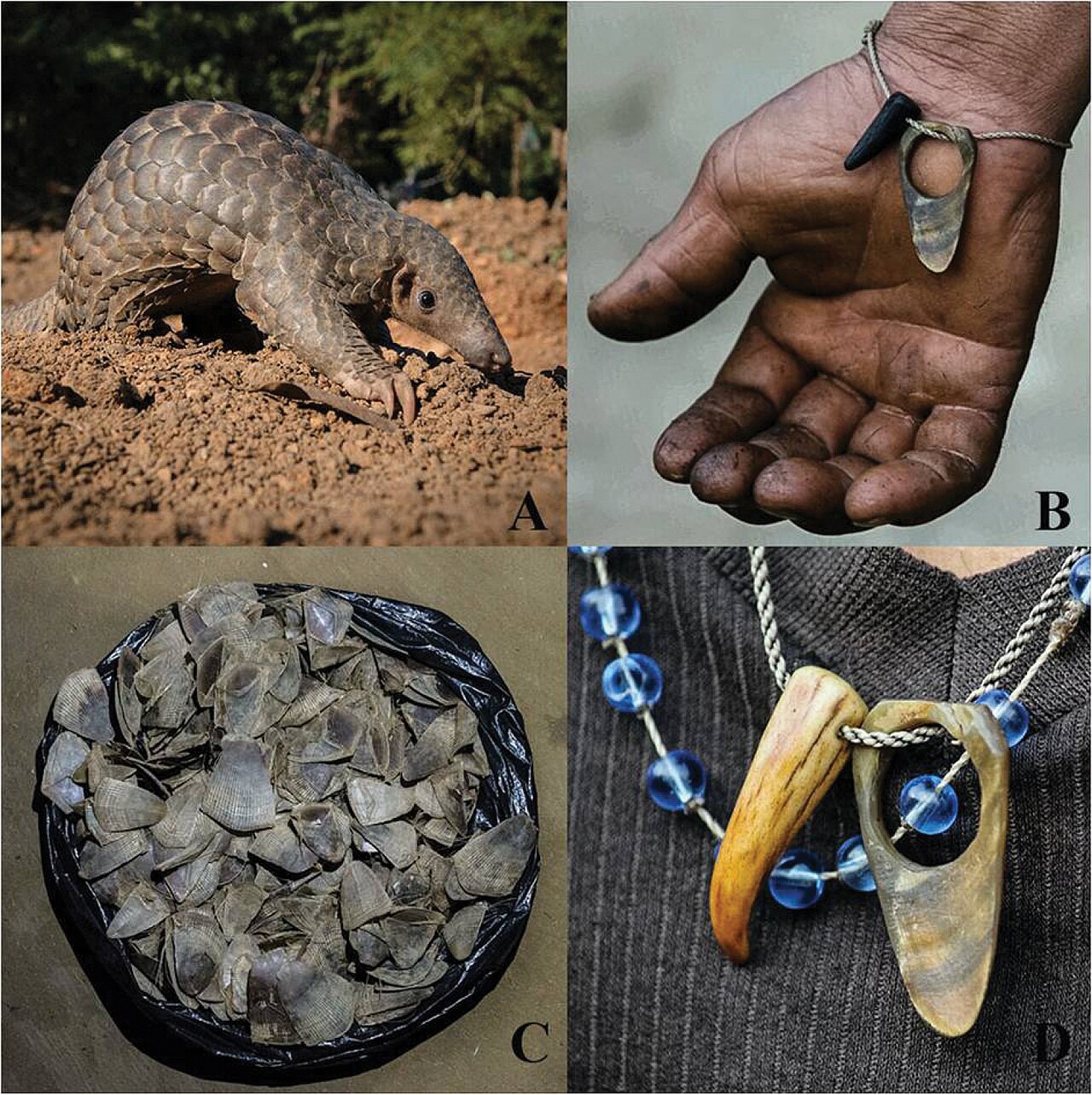
Many people assume pangolin scales are made of bone, keratinized skin plates, or even something akin to reptile scales. The surprising truth is that pangolin scales are made of keratin—the exact same protein that forms human fingernails, hair, and rhinoceros horns. This makes them structurally closer to a giant fingernail than to the bony plates of an armadillo or the overlapping scales of a snake.
Each scale is composed of densely packed keratin fibers that grow from the dermis layer of the skin. A mature pangolin may carry between 300 and 1,000 scales, depending on its species and size. The largest species, the giant ground pangolin (Smutsia gigantea), can weigh up to 40 kilograms (88 pounds) and bears massive, heavy scales that can each measure over 10 centimeters long. In contrast, the smallest species, the long-tailed pangolin (Phataginus tetradactyla), has remarkably slender, lightweight scales that allow it to move freely through the forest canopy.
The scales themselves are arranged in overlapping rows, much like roof tiles, and they cover the entire upper body, tail, and outer surfaces of the limbs. The underside, face, and inner limbs remain soft and fur-covered, a crucial detail that shapes how pangolins defend themselves. Unlike reptile scales, which are shed periodically, pangolin scales grow continuously throughout the animal's life, and they are regularly worn down through contact with soil, bark, and prey.
Are Pangolin Scales Hard or Flexible?
Despite their rigid appearance, pangolin scales are surprisingly flexible. Each individual scale is anchored to the skin by a muscular base, allowing the pangolin to raise, rattle, and even rotate its scales at will. This muscular control is essential for defense, as it lets the animal transform from a relaxed, grazing insectivore into a razor-edged fortress in seconds. The outer surface of each scale is extremely hard and resistant to puncturing, while the inner edge remains softer and more pliable, striking a perfect balance between protection and mobility.
The Surprising Truth Behind Pangolin Scales as a Defense Mechanism
The most obvious reason pangolins have scales is simple: defense. But the way these scales function in real-life predator encounters reveals a much deeper evolutionary story. When threatened, a pangolin does not run. It does not fight. Instead, it rolls into a tight, impenetrable ball, tucking its vulnerable face and soft belly safely inside while exposing only the sharp, reinforced edges of its scales outward.
This rolling defense is so effective that even large predators like lions, leopards, and hyenas are typically baffled by it. The scales are slick and angled, making it nearly impossible for a predator to get a firm grip. The pangolin also has powerful muscles in its back and tail that clamp the curled body into a locked position—once fully rolled, a human cannot pull a pangolin flat with bare hands. In some species, the tail is so strong that the animal can use it as a cutting whip, lashing out with sharp scale edges to injure an attacker's nose or paws.
Scales as a Sensory and Thermoregulatory Tool
Defense is not the only job these remarkable structures perform. Pangolin scales also play a role in sensory perception and temperature regulation. The muscular bases of the scales are rich in nerve endings, giving the pangolin an acute awareness of touch and vibration through its armor. This is vital for a nocturnal animal that relies heavily on smell and feel to navigate in the dark.
Thermoregulation is equally important. Pangolins have a relatively low metabolic rate and are prone to heat loss because they lack a thick fat layer. The scales act as a barrier against heat and cold, while tiny air pockets between the scales provide insulation. In cooler weather, pangolins raise their scales slightly to trap a layer of warm air close to the skin; in hot weather, they flatten the scales to release heat more efficiently. This passive climate-control system is a brilliant, underappreciated function of pangolin scales.
Scales vs. Teeth: How Eating Ants Made Pangolins Scaly
Here is where the story gets genuinely surprising: pangolins have scales in large part because they evolved to eat ants and termites, and that diet eliminated their teeth. Pangolins are the only mammals in the world that are completely toothless. Instead of chewing, they swallow their prey whole, relying on a specialized stomach lined with keratinized spines and small ingested stones to grind up insects.
Losing their teeth changed the pangolin's entire body plan. Without teeth to fight or defend themselves, they needed another form of protection—and evolution delivered scales. This connection between diet and armor is a classic example of how a single ecological niche can reshape an animal's anatomy. The ant-eating lifestyle also dictated the pangolin's physical build: powerful forelimbs with massive curved claws for ripping open termite mounds, a long conical snout, and a tongue that can extend up to 40 centimeters (16 inches) in larger species.
The tongue is another marvel. When not in use, it retracts into a sheath that extends all the way down the chest cavity, past the heart and lungs. This allows the pangolin to probe deep into insect galleries without ever exposing its face to angry soldier ants. A pangolin can consume up to 70 million insects per year, making it an incredibly effective natural pest controller. In fact, a single adult pangolin eats more than 70 million ants and termites annually, which protects countless hectares of forest and cropland from insect damage.
The "Sticky Spit" Feeding Trick
The pangolin's feeding method is deceptively simple. It tears open a nest with its claws, then inserts its long, sticky tongue, which is coated in thick, adhesive saliva produced by enlarged salivary glands. The tongue flicks in and out rapidly, sometimes up to 160 times per minute, sweeping up insects along with gravel and dirt. That swallowed grit assists digestion in the muscular, gizzard-like stomach, allowing a toothless mammal to process crunchy exoskeletons with ease.
Habitat, Behavior, and the Daily Life of an Armored Insectivore
The eight pangolin species are split into four African and four Asian species, each adapted to a different habitat. African species include the ground-dwelling giant ground pangolin and the Cape pangolin, which roam savannas and woodlands, as well as the arboreal white-bellied and black-bellied pangolins, which prefer dense rainforests. The Asian species—the Chinese, Sunda, Indian, and Philippine pangolins—inhabit a mix of tropical forests, grasslands, and agricultural landscapes.
Pangolins are predominantly nocturnal. During the day, they shelter in burrows dug with their powerful claws, in hollow trees, or under dense vegetation. The giant ground pangolin creates burrows that can be over 3 meters deep, complete with a nesting chamber lined with leaves. These burrows are so well-engineered that they are reused by dozens of other species—including porcupines, jackals, and monitor lizards—earning pangolins the nickname "ecosystem engineers." A single pangolin may maintain several burrows across its home range, which can span up to 20 square kilometers for males, while females typically occupy smaller territories.
Pangolins are solitary creatures, interacting with one another only to mate. They communicate through scent marking, leaving secretions from glands near the tail to signal their presence. They also use their scales to communicate: when disturbed, a pangolin will produce a loud rattling sound by vibrating its scales against one another, a behavior that often deters predators before a physical confrontation even begins.
Lifespan, Reproduction, and the Peculiar Piggyback Ride
Pangolins have a surprisingly long lifespan for mammals of their size, living up to 20 years in the wild and occasionally over 30 years in captivity with proper care. They reproduce slowly, with females giving birth to a single pup after a gestation of roughly five to seven months, depending on the species. The newborn pangolin's scales are initially soft and pale, hardening within a few days. For the first few months of life, the pup rides on its mother's back, clinging to her scales and the base of her tail. When threatened, the mother curls around the pup, wrapping it in her own coiled body so that the young animal is completely hidden within her armored sphere.
This extended maternal care means pangolin populations grow very slowly. A female typically raises only one pup every one to two years, and many pups do not survive to adulthood. This low reproductive rate is a critical reason why pangolins are so vulnerable to extinction: they simply cannot rebound quickly from heavy poaching.
The Dark Side of Pangolin Scales: The Trafficking Crisis
As remarkable as pangolin scales are for the animal itself, they have also become the mammal's greatest curse. Pangolin scales are highly prized in traditional medicine, particularly in parts of Asia, where they are mistakenly believed to cure anything from arthritis to asthma, promote lactation, or improve blood circulation. There is no scientific evidence for any of these claims—the scales are composed entirely of keratin, the same protein as human nails, which the body cannot even digest when consumed. Despite this, demand remains enormous, fueling a brutal illegal trade.
Between 2017 and 2020, law enforcement seized an estimated 250,000 pangolins worth of scales and meat annually. In 2019 alone, a single shipment intercepted in Singapore contained approximately 14 tons of pangolin scales, representing an estimated 17,000 dead animals. All eight pangolin species are now listed under CITES Appendix I, the highest level of international protection, yet illegal trafficking continues to devastate wild populations. The Asian species are already critically endangered, and African populations are declining rapidly as traffickers shift their focus to the African continent to supply Asian markets.
Poaching Methods and the Chilling Efficiency of the Hunt
Pangolins are tragically easy to poach. Their primary defense—rolling into a ball—is completely ineffective against humans, who can simply pick them up. Hunters often use trained dogs to locate pangolins in their burrows or on the forest floor, then scoop them up and carry them away. Because pangolins are nocturnal and shy, they rarely pose any threat, making them helpless victims of the global wildlife trade. The meat is also consumed as a luxury bushmeat in some African and Asian countries, meaning the scales are not the only product fueling the slaughter.
What Happens if Pangolins Lose Their Scales?
The idea of a pangolin without scales is not merely a biological curiosity—it is a conservation nightmare. Loss of scales in the wild is functionally impossible; the scales are permanently anchored and grow throughout life. But if pangolins were to lose their scales through evolution, they would lose their primary defense against predators, their thermoregulatory shield, and their means of communication during threats. They would become slow, toothless, insect-eating mammals with no way to protect themselves in a world of leopards, hyenas, and human hunters.
More poetic than the question of physical defense is the ecological chain reaction. Pangolins are highly vulnerable to extinction, and their disappearance would ripple through ecosystems. By consuming billions of ants and termites, pangolins keep insect populations in check, directly benefiting farmland and forests. They also turn over vast quantities of soil through their burrowing, improving aeration and nutrient cycling. Losing pangolins would degrade these ecosystem services, affecting countless other species that depend on healthy soil and balanced insect populations.
Can Pangolin Scales Ever Be Replaced by Science?
Some conservationists have explored the possibility of using synthetic keratin substitutes or farmed pangolins to reduce demand for wild scales. However, pangolins are notoriously difficult to keep in captivity—they suffer extreme stress, develop ulcers, and rarely reproduce outside their natural habitat. As of recent reports, only a handful of zoos worldwide have successfully bred pangolins, and survival rates in captivity remain poor. A synthetic alternative might one day reduce the trade in wild scales, but it cannot undo the damage already done to wild populations, nor can it replace the living, breathing ecosystem engineers that are disappearing at an alarming rate.
Conclusion: The Surprising Truth Deserves Our Protection
The surprising truth behind pangolin scales is that they are far more than simple armor. They are a masterpiece of evolutionary engineering—a keratin-based system that shields, senses, regulates, and communicates, all while enabling a unique way of life built around the humblest of diets. Pangolin scales are the reason these animals survived for millions of years, and they are also the reason they are being driven to extinction today. Every part of a pangolin, from its ant-sweeping tongue to its prehensile tail and its astonishing scales, tells a story of specialized evolution. If we lose that story, we lose an irreplaceable chapter of Earth's natural history. The next time you hear about pangolin scales in the news, remember what they truly represent: not a medicine, not a trophy, but a living treasure that deserves far better than the fate we have handed it.
❓ Frequently Asked Questions
💬 Why do pangolins have scales?
Pangolins have scales primarily for defense. When threatened, they curl into a tight ball, and their tough, overlapping scales act as armor that most predators cannot bite through.
💬 Are pangolin scales made of keratin?
Yes, pangolin scales are made of keratin, the same protein found in human hair, fingernails, and rhino horns. Despite their tough appearance, they are not bone or teeth.
💬 Do pangolins shed their scales?
No, pangolins do not shed their scales like snakes shed skin. Their scales grow continuously throughout their lives and are gradually worn down from use, but they are not molted.
💬 Are pangolin scales used in traditional medicine?
Yes, pangolin scales are used in traditional Asian medicine and folk remedies, but they have no proven medicinal value. The scales are made of keratin, which offers no chemical benefit when consumed or applied.