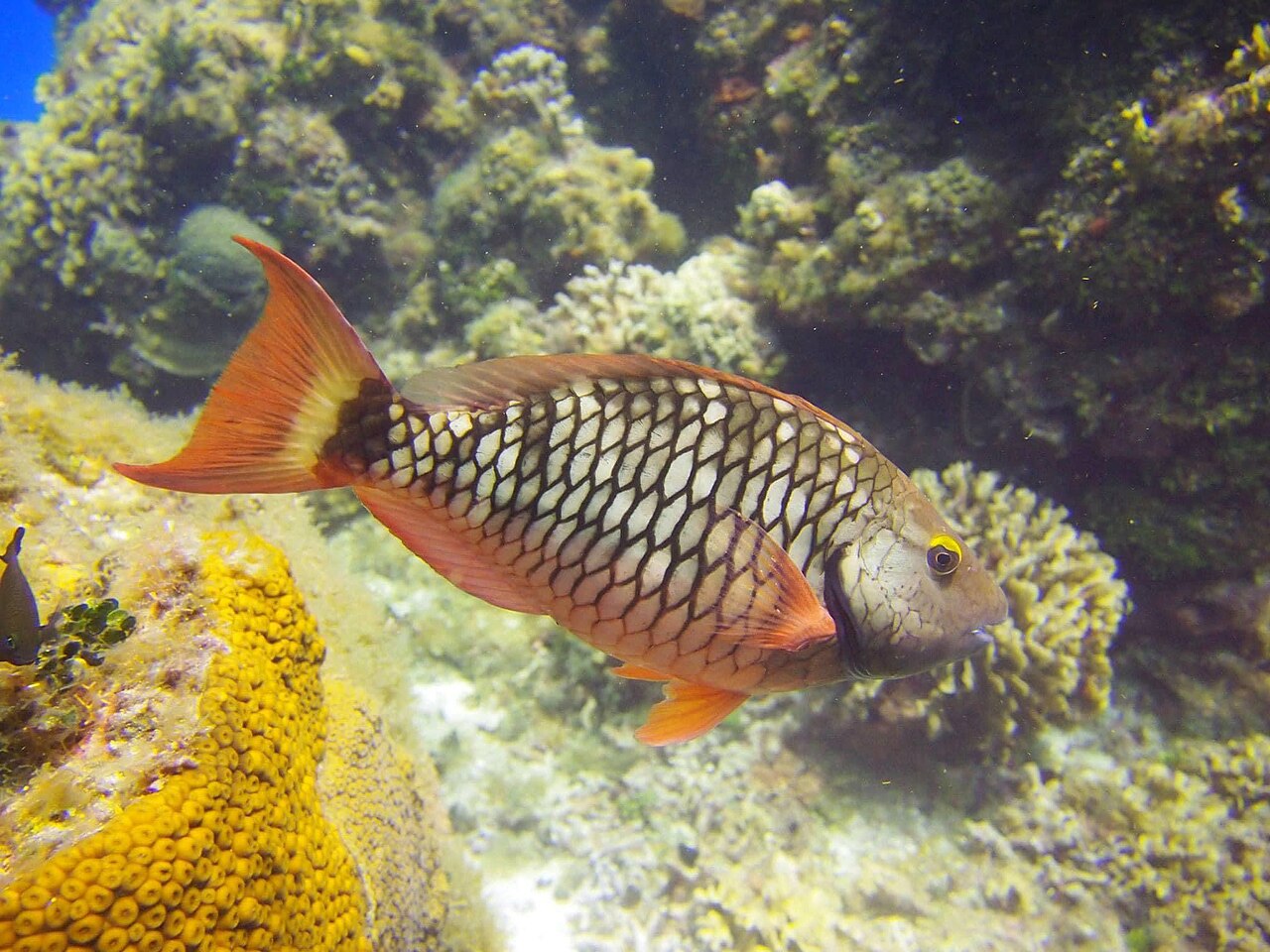
- What Exactly Is Parrotfish Poop Sand?
- The Biological Process of Sand Creation
- The Massive Scale of Parrotfish Poop Sand Production
- How a Reef Builds a Beach
- Why Do Parrotfish Eat Rocks and Coral? (The Diet of a Sand Factory)
- The Biological Purpose Behind Bioerosion
- The Ecological Importance of Parrotfish Poop Sand
- ❓ Frequently Asked Questions
Have you ever walked along a pristine tropical beach, feeling the soft, white sand beneath your toes, and wondered where it actually comes from? The surprising truth is that much of this paradise is literally parrotfish poop sand, created in the digestive tracts of colorful, beaked fish that methodically chomp their way through coral reefs. These underwater architects work around the clock, transforming solid rock into the idyllic beaches we associate with tropical splendor. It's a biological process that is equal parts fascinating, humbling, and a little bit gross—proof that some of the most beautiful things on Earth have surprisingly humble origins.
What Exactly Is Parrotfish Poop Sand?
To understand parrotfish poop sand, you first have to understand the dietary habits of the Indian and Pacific Oceans' most colorful residents. Parrotfish are herbivores, but they don't just graze on soft, leafy seaweed. Their diets consist primarily of microscopic algae that grow in dense mats on the surface of hard coral, dead coral skeletons, and rocks. To get to these nutritious algae, parrotfish use their distinctive, fused beak-like teeth—a feature that gives them their name—to scrape, gouge, and bite directly into the rocky substrate.
When a parrotfish takes a bite, it does not just swallow the soft algae. It inevitably swallows a mouthful of crushed calcium carbonate that makes up the coral skeleton. This is the crucial starting point of the sand-making process. The fish's digestive system is perfectly adapted to handle this rocky meal. It extracts the organic nutrients from the algae and the tiny coral polyps, then grinds the inorganic calcium carbonate components into a fine paste using a set of powerful grinding teeth located deep in its throat.
The Biological Process of Sand Creation
The mouth beak is only the beginning. While human teeth grind food in the mouth, parrotfish have a second set of jaws called the pharyngeal mill, located in their throat. These pharyngeal teeth are strong, fused plates that act like a heavy-duty mortar and pestle, crushing coral fragments into minuscule grains. This mechanical digestion is essential; without it, the sharp coral fragments would not break down, and the fish could not extract the digestible organisms inside the pores of the rock.
After the organic matter is absorbed by the intestine, the ground-up calcium carbonate—now perfectly smooth and sand-sized—travels through the digestive tract and is expelled from the fish. The result is a steady stream of fine, white sand that rains down onto the coral reef floor. The grains are usually between 0.5 and 1.0 millimeters in diameter, which is exactly the same size as typical beach sand. It is a remarkably efficient system: the parrotfish feeds, nourishes itself, and in the process, converts biologically built coral skeletons into mineral sediments.
The Massive Scale of Parrotfish Poop Sand Production
The sand-making capacity of a single parrotfish is nothing short of extraordinary. The scale of parrotfish poop sand generation varies by species and body size, but the sheer volume these fish produce is a major geological force. A single adult parrotfish can generate anywhere from 70 to 450 kilograms (154 to 990 pounds) of sand each year, depending on its species. The largest species of them all, the enormous bumphead parrotfish (Bolbometopon muricatum), which can grow up to 1.3 meters (4 feet) long and weigh over 45 kilograms (100 pounds), is one of the most prolific producers of sand in the ocean.
Recent ecological studies have attempted to quantify their impact. In the Maldives, researchers estimated that parrotfish are responsible for producing roughly 70% of the sand found on the country's famous white-sand beaches. They do this by biting off massive chunks of coral reefs, and researchers have documented that a single large bumphead parrotfish can excrete nearly a ton of sand in a single year. To put that in perspective, a single individual can produce enough sand over its 15 to 20-year lifespan to fill a sizable pickup truck.
How a Reef Builds a Beach
The process of creating beaches is slow but relentless. During the day, parrotfish feed continuously, often taking hundreds of bites per hour. Each bite removes a little bit of coral structure, and while the fish ingests the algae, the spent calcium carbonate is pushed out through the fish's intestines. Over time, ocean currents sweep this freshly produced sand away from the reef, carrying it towards shorelines. Because the sand is composed of calcium carbonate, it is lighter and more rounded than continental silica sand, giving tropical beaches their characteristically dazzling white color.
- Bumphead Parrotfish (Bolbometopon muricatum): Can produce over 450 kg (990 lbs) of sand annually.
- Stoplight Parrotfish (Sparisoma viride): A common Caribbean species that produces roughly 200 kg (440 lbs) of sand each year.
- Queen Parrotfish (Scarus vetula): A major sand contributor in Atlantic reefs, with individual production often exceeding 150 kg (330 lbs) per year.
Why Do Parrotfish Eat Rocks and Coral? (The Diet of a Sand Factory)
If you watch a parrotfish feeding on a reef, it looks like it is simply biting the coral head, swallowing huge chunks of stone. This behavior, known as bioerosion, is the most important mechanism for sand production in the marine world. However, the parrotfish does not feed on rocks for the sake of consuming stone. It is hunting for the hidden bounty that lives inside the rock: the symbiotic algae, known as zooxanthellae, and the living coral polyps that line the pores and cavities of the calcium carbonate structure.
Scientists refer to this diet as herbivorous scraping, but it is much more destructive up close. The parrotfish's beak teeth are fused together into a powerful chisel that can leave prominent scrape marks in the coral structure. After the parrotfish breaks off a chunk of rock, it crushes it in its pharyngeal mill to release the nutrient-rich organic material. The organic nutrients are digested in the stomach and intestines, while the indigestible mineral components—the "rock"—are simply passed out the other end as sand. Without this constant ingestion of coarse material, the parrotfish would starve, as the algae alone is low in nutritional value.
The Biological Purpose Behind Bioerosion
From a biological perspective, the parrotfish is simply foraging for a meal. The act of swallowing sand is an unavoidable byproduct of their dietary strategy. However, this behavior plays a vital role in managing the reef ecosystem. Coral reefs grow excessively without parrotfish, and the outward growth of coral can eventually interfere with water circulation. Parrotfish control this growth rate. They keep the coral structures in check, clearing out dead coral and making room for new, living coral polyps to establish themselves. They are, in essence, the gardeners of the reef, pruning back the coral to ensure the entire ecosystem stays young and healthy.
Furthermore, the digestive journey works like a natural rock tumbler. The combination of the pharyngeal mill's grinding pressure and the digestive enzymes in the fish's stomach smooths and rounds the jagged coral fragments. The sand that is excreted is not sharp, crushed rubble; it is polished, smooth, and perfectly uniform, which is what makes it so pleasant to walk on. It is a complete transformation from sharp and rugged living rock to pleasant and inviting beach sand.
The Ecological Importance of Parrotfish Poop Sand
Beaches are not static landforms; they are constantly eroding and rebuilding. The ecological importance of parrotfish poop sand goes far beyond just replenishing the sand on tourist beaches. This sand is a crucial component of continuous reef-to-island sediment transport systems. Without the parrotfish, many tropical islands would not exist in their current forms. The sand they produce is the primary source of sediment for white-sand beaches throughout the tropics. Small South Pacific islands, for instance, often have their entire shoreline shaped by the sand produced on their adjacent reefs. If the parrotfish population collapses, the sand supply stops, and the beaches will begin to wash away, leaving nothing behind but rubble and
❓ Frequently Asked Questions
💬 Why do parrotfish poop sand?
Parrotfish eat algae and small organisms from coral and rocks, grinding them with their beak-like teeth. The indigestible calcium carbonate and rock fragments pass through their digestive system and come out as fine sand. This process is essential for reef erosion and creating sandy beaches.
💬 How much sand does a parrotfish produce in a year?
A single parrotfish can produce up to 200 pounds (about 90 kilograms) of sand per year. Depending on the species and size, larger fish produce even more. That's why they're called 'sand factories' of the reef.
💬 Is parrotfish poop really the same as beach sand?
Yes, much of the sand on tropical beaches is actually parrotfish waste. The calcium carbonate from corals and shells is ground down into fine grains during digestion. However, it may mix with other materials like shells and minerals over time.
💬 How do parrotfish eat coral without hurting themselves?
Parrotfish have strong fused beak-like teeth and powerful throat teeth that grind the coral and rock into fine particles. They scrape algae from the coral surface, and stones pass through their digestive tract safely. Their guts are specially adapted to process sharp fragments.