- When Scientists Thought the Platypus Was a Hoax
- Meet the Monotremes: A Mammalian Family Tree Anomaly
- The Great Divergence
- A Genetic Treasure Trove
- How the Platypus Lays Eggs: A Rare Glimpse Inside the Burrow
- The Secret Nursery
- The Eggs Themselves
- Hatching and Milk Pores
- Why Do Platypuses Lay Eggs? The Evolutionary Logic
- The Genetic Roots of Egg-Laying
- Costly or Clever? Energetics of an Egg
- The Venomous, Electric, Egg-Laying Hunter
- Electrolocation: The Sixth Sense
- What's on the Menu?
- Beware the Spur
- Growing Up: From Puggle to Aquatic Predator
- Conservation: Protecting an Ancient Lineage in a Modern World
- The Timeless Enigma of the Egg-Laying Mammal
- ❓ Frequently Asked Questions
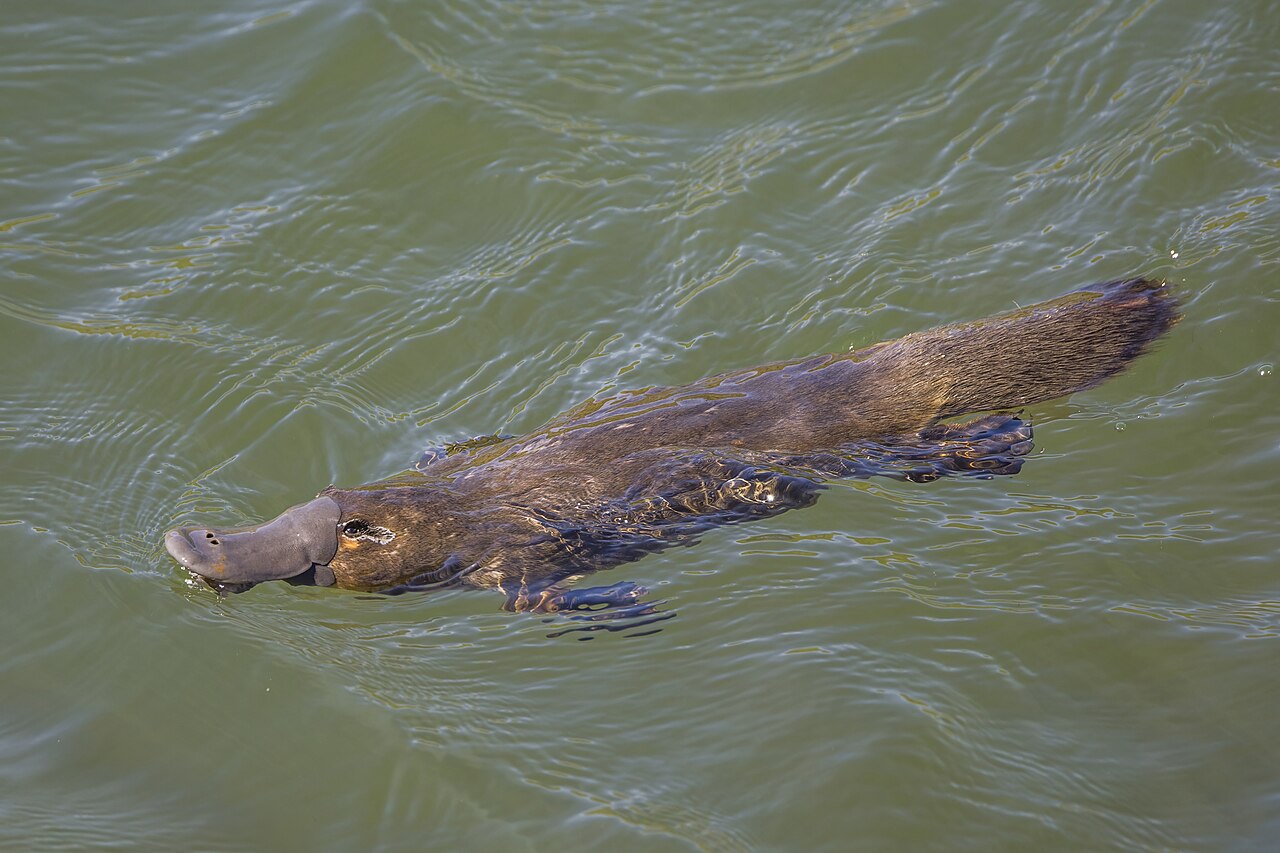
The platypus lays eggs, and that single biological fact has fascinated, baffled, and occasionally enraged scientists ever since the first preserved specimens reached Europe in the late 18th century. Even today, after two centuries of intense study, this semiaquatic mammal remains one of the most bizarre creatures on the planet—a fuzzy, duck-billed, beaver-tailed, spider-walking, venomous, egg-laying enigma wrapped in fur. But why exactly does a mammal lay eggs at all? The answer takes us on a journey deep into evolutionary history, through the wild world of genetics, and into the quiet riverbanks of eastern Australia where this living fossil continues to defy everything we thought we knew about modern animals.
When Scientists Thought the Platypus Was a Hoax
It is impossible to understand the platypus without appreciating the shock it caused when it was first introduced to the scientific world. In 1798, British naturalist George Shaw was sent a specimen from New South Wales, Australia. He examined it closely, expecting to find where the "duck bill" had been carefully stitched onto a furry, otter-like body. He found no stitches. He then took scissors and cut the pelt, searching for wires or taxidermy tricks underneath. There were none. The animal was utterly, uncomfortably real.
Shaw published the first formal description in 1799, naming it Ornithorhynchus anatinus (roughly, "bird-snouted duck-like creature"). Yet even he struggled to accept its existence, writing at one point that he had "almost doubted the testimony of my own eyes." This confusion rapidly spread throughout European scientific circles. Could this be a mammal? It had fur. It appeared to feed its young milk. But it laid eggs—or did it? For decades, no one could confirm the egg-laying habit because the animals were so secretive, and because early zoologists assumed such an outlandish claim must have been fabricated by "natives" or settlers with a penchant for practical jokes.
Eventually, in 1884, a young English zoologist named William Hay Caldwell journeyed to Australia with money from the Royal Society of London. After months of searching, Caldwell famously sent a telegram back to England early one morning that read simply: "Monotremes oviparous, ovum meroblastic." In other words: the platypus lays eggs, and those eggs divide in a way that resembles reptile cells, not mammalian ones. It was one of the most important messages in zoological history—a one-sentence telegram that overthrew the neat division between birds, reptiles, and mammals.
Meet the Monotremes: A Mammalian Family Tree Anomaly
To understand why the platypus lays eggs, we must first place it in its evolutionary context. The platypus belongs to a group called monotremes, which is one of the three major living lineages of mammals. The other two are marsupials (think kangaroos and koalas) and placentals (think humans, dogs, and whales).
- Monotremes: 5 living species (4 echidna species and the platypus) that lay eggs and possess a single opening, called a cloaca, for reproduction, urination, and defecation.
- Marsupials: Give birth to highly underdeveloped young that finish developing in a pouch.
- Placentals: Nourish their young inside the mother via a placenta, giving birth to relatively developed offspring.
The name "monotreme" literally means "single hole," referencing that primitive cloaca. Both the platypus and echidnas share this feature, along with fur, milk production, and a low body temperature compared with other mammals—typically around 32°C (90°F) rather than the 37°C (99°F) we are used to.
The Great Divergence
Genomic analyses have revealed that the monotremes split away from the marsupial-mammal common ancestor roughly 166 million to 190 million years ago, during the Jurassic period—when dinosaurs dominated the planet. That means the monotreme lineage is far older than the kangaroo or the wolf. In evolutionary terms, the platypus did not "fail" to evolve into a placenta; rather, it represents a separate branch that has been perfecting its own unique survival strategy for nearly 200 million years.
A Genetic Treasure Trove
The platypus genome, fully mapped in 2008, cemented its status as an evolutionary hybrid. It possesses approximately 18,500 genes, a similar number to humans, but with key differences that explain its biology. For example, it has 10 sex chromosomes (5 X and 5 Y in males), arranged like a necklace during cell division. This bizarre system demonstrates that the sex chromosomes found in all living mammals were still in a state of flux when monotremes split from our lineage. It also explains why early scientists found reproductive studies so confounding—the platypus simply does not conform to the neat XY/XX model we learn in school.
How the Platypus Lays Eggs: A Rare Glimpse Inside the Burrow
So, exactly how does the platypus lays eggs? The process is every bit as strange and secretive as the animal itself. The breeding season is short and seasonal, typically occurring between June and October, depending on latitude. With her courtship season over, the female begins a herculean construction project.
The Secret Nursery
Unlike ducks, which lay eggs in open nests, female platypuses dig elaborate burrows into the banks of rivers and creeks. These nesting tunnels can be 5 to 30 metres (16 to 98 feet) long, often with side branches—some filled with dirt to block predators—before terminating in a chamber lined with damp leaves, reeds, and grasses. The female uses her broad, flat tail to carry nesting material, clamping vegetation between her tail and belly.
The Eggs Themselves
Within the insulated nest, the female lays between one and three eggs (occasionally four), each roughly 15 to 17 millimetres (0.6 to 0.7 inches) in diameter—about the size of a small marble. Her eggs are nothing like a chicken's brittle, white shells. Instead, they are leathery and yellowish-white, much like reptile eggs, with a soft and pliable shell that allows moisture and gas exchange with the surrounding damp nesting material.
Once laid, the female curls her body around the clutch, pressing them to her belly to keep them warm. She rarely leaves the burrow during the entire incubation period of 10 to 14 days, losing significant body weight during this time.
Hatching and Milk Pores
When the hatchlings emerge, they are utterly helpless—blind, without fur, and less than 2.5 centimetres (1 inch) long. But each tiny puggle (the official name for a baby platypus) has a secret weapon: an egg tooth and a fleshy caruncle on its snout, used to slice through the leathery shell from the inside. Within a matter of days, these temporary structures fall away.
Now here is one of the most unusual parts of monotreme biology: the mother does not have nipples. Instead, milk is secreted from several dozen modified sweat glands on her abdomen, forming patches of milk on her belly. The puggles lick, lap, and suck these milk-soaked fur patches, ingesting a complex milk rich in antibiotics and proteins that protects them during their early development. The mother nurses her young for roughly three to four months, during which the puggles grow rapidly, developing the characteristic bill and sleek, waterproof pelt that will serve them for life.
Why Do Platypuses Lay Eggs? The Evolutionary Logic
Understanding that the platypus lays eggs today requires accepting that egg-laying is not a "regression" or a "mistake"—it is an ancient ancestral trait that this lineage never lost. Our own mammalian ancestors, dating back to the late Permian and Triassic periods, more than 250 million years ago, were egg-layers. The first mammals were essentially lumpy, furry reptiles that laid soft-shelled eggs. When the monotreme lineage split from the line leading to marsupials and placentals, one branch kept egg-laying, while the rest eventually evolved live birth. Why remain an egg-layer?
The Genetic Roots of Egg-Laying
Recent research on the platypus genome has revealed that the molecular machinery behind egg production is ancient. In 2021, a groundbreaking study showed that the platypus contains three vitellogenin (Vtg) genes—genes responsible for creating egg yolk. These genes are also found in birds, reptiles, and fish, but in marsupials and placentals, they have been completely inactivated or deleted over evolutionary time. The monotremes, however, retained this full genetic toolkit, meaning their eggs develop relatively quickly and efficiently using the ancient vertebrate pathway.
What stopped the platypus from evolving live birth? One suggestion comes from the immune system. Live birth requires a complex suppression mechanism so that the mother's immune system does not attack the embryo as a foreign object. Placental mammals developed extensive "immune tolerance" mechanisms to achieve this. Monotremes, retaining the more ancestral immune system, likely simply never developed those viral-like genes (endogenous retroviruses) that half-marsupials and placentals co-opted to protect their pregnancies. Without those genetic proteins, a developing fetus inside the uterus would be attacked and destroyed, making live birth impossible. Egg-laying was not a choice; it was the only viable route for this lineage.
Costly or Clever? Energetics of an Egg
From an ecological standpoint, egg-laying has its advantages. Producing a small number of leathery eggs requires less continuous metabolic energy than maintaining a long gestation. A female platypus can invest her energy in foraging for the brief incubation period before returning to a highly active, independent life. Additionally, because the eggs are laid in burrows, the mother retains the freedom to move and hunt between nursing sessions. In the wild, a platypus forages up to 12 hours a day to meet its enormous caloric needs, and a flexible reproductive system is likely a key to survival in the harsh, unpredictable floods and droughts of Australian waterways.
The Venomous, Electric, Egg-Laying Hunter
Once you get past the egg-laying, the adult platypus only continues to be bizarre. It is a top aquatic predator, but it hunts with a highly specialized toolkit that no other mammal possesses.
Electrolocation: The Sixth Sense
One of the most astonishing features of the platypus is its bill, which is not hard like a bird's beak but instead soft, leathery, and packed with around 40,000 electroreceptors and 60,000 mechanoreceptors. When the platypus dives, it closes its eyes, ears, and nostrils completely, relying entirely on these sensory receptors. Underwater, the bill detects the faint electric fields generated by the muscle contractions of its prey.
This sense is so precise that the platypus can detect a single shrimp at a distance of several centimetres, even buried beneath silt, gravel, or leaves. It sweeps its head back and forth in a quick, side-to-side motion while swimming, essentially "seeing" the world through electrical pulses. This hunting style is typical of nocturnal and crepuscular activity—platypuses hunt at dusk, night, and dawn, avoiding the heat of the Australian summer days.
What's on the Menu?
Their diet is protein-rich and exclusively carnivorous. A typical adult will consume daily meals of:
- Freshwater shrimp and yabbies (small crayfish)
- Aquatic insect larvae (especially mayfly and caddisfly)
- Earthworms and annelid worms
- Occasionally small fish and tadpoles
The average adult weighs 0.7 to 2.4 kilograms (1.5 to 5.3 pounds), with males running significantly larger than females. They can live for 12 to 20 years in the wild, and there is a documented record of a captive female living to age 24 at a Melbourne wildlife park.
Beware the Spur
Male platypuses are one of the very few venomous mammals. On each hind leg, they possess a sharp, keratinous spur roughly 15 millimeters long, connected to a venom gland in the thigh. During the breeding season, testosterone spikes cause these glands to produce a potent cocktail of defensin-like peptides, nerve growth factors, and proteins. The venom is not lethal to humans, but victims who have been "spurred" describe immediate, searing pain followed by excruciating swelling that does not subside for weeks. In one famous case, a man was struck in the hand and endured pain so severe that even morphine provided little relief—yet his pain radiated for months. For male platypuses, this venom is a weapon used in fierce courtship battles, where competing males wrestle and slash each other with these spurs, often leaving deep, permanent wounds.
Growing Up: From Puggle to Aquatic Predator
Despite their bizarre reproductive biology, platypuses are devoted parents. Following the nursing period, the mother remains in the burrow with her puggles until they are approximately Four months old. At this stage, their fur has thickened to a waterproof coating, and their eyes have opened fully.
The first excursions into the water are tentative, but the young are born instinctive swimmers. Their front feet are oversized, webbed webs that extend far beyond the toes—the "duck bill" of the swim stroke. When walking on land, the webbing folds backward, exposing strong claws for burrowing. It is this combination that gives them their strangely amateurish, waddling gait.
Over the following months, the young platypuses gradually disperse from their mother's home range. They become fully independent by around one year of age, and they reach sexual maturity at about two years old. Each platypus generally establishes its own territory along a stretch of river, which can be up to several kilometres long. In an interesting quirk of behavior, captive studies have shown that platypuses have excellent spatial memory, allowing them to return to the same foraging grounds year after year.
Conservation: Protecting an Ancient Lineage in a Modern World
While the IUCN currently lists the platypus as Least Concern, this status conceals dangerous local declines. The species has disappeared entirely from some South Australian waterways, and researchers have estimated that populations in the eastern states have plummeted by 30 to 50 percent in the last century due to habitat destruction, introduced predators like foxes, and severe drought.
Platypuses are exquisitely sensitive to water pollution. Because they sit at the top of the invertebrate food chain, they bioaccumulate heavy metals and industrial chemicals in their tissues. In a 2019 survey, scientists found that Melbourne's platypus populations had dangerously high levels of microplastics in their gut contents—microplastics that originated from our discarded synthetic clothing fibers. They are also threatened by invasive crayfish species, which outcompete their prey, and by drowning in illegal fishing nets and traps.
In response, Australian researchers have launched several citizen-science projects, such as the platypusCONSERVE initiative and the "Platy Project" app, which allows locals to record sightings and report the health of their river systems. Conservation groups have also pushed for better riparian fencing to protect riverbanks from cattle, which collapses the burrow systems that platypuses rely on for nesting and shelter.
The Timeless Enigma of the Egg-Laying Mammal
Why do platypuses lay eggs? The answer is not that they are imperfect or "half-evolved." Instead, the platypus is a testament to the staggering diversity of evolutionary pathways on Earth—a lineage that took a different fork nearly 200 millions years ago and never looked back. It has retained the ancient reptilian egg, the low body temperature, and the venomous spurs, while simultaneously evolving the most sophisticated electrosensory system in the animal kingdom and inventing its own way to nurse its young. Every time science attempts to box it in, the platypus breaks free. It remains one of the strongest arguments for protecting biodiversity simply because it exists—a reminder that nature will always hold surprises, and that the most obvious answer to "why" is often "because evolution had another plan."
❓ Frequently Asked Questions
💬 Why do platypuses lay eggs even though they are mammals?
Platypuses are monotremes, an ancient group of mammals that retains the reptilian trait of egg-laying. Unlike placental or marsupial mammals, they evolved to reproduce this way and never developed live birth.
💬 Are platypuses the only mammals that lay eggs?
No, platypuses share this trait with echidnas (spiny anteaters), which are also monotremes. Together, these are the only living mammals that lay eggs.
💬 How do baby platypuses get milk if they hatch from eggs?
Platypus mothers produce milk and secrete it through pores on their belly, and the hatchlings lap it up from the fur. They do not have nipples.
💬 Where does a platypus lay her eggs and how long do they take to hatch?
The female platypus lays her eggs in a sealed nesting burrow at the end of a tunnel. The eggs hatch after about 10 to 14 days of incubation.