- The Evolution and Purpose of Porcupine Quills
- How Quills Differ Between Species
- The Anatomy of Porcupine Quills: More Than Just Spikes
- Quill Density and Growth
- The Surprising Role of Porcupine Quills in Communication
- Diet, Habitat, and Lifespan: The Porcupine's Daily Life
- Behavioral Adaptations for Survival
- Porcupine Quills and Human Interaction
- Interesting Facts About Porcupine Quills
- Conclusion: The Remarkable Versatility of Porcupine Quills
- ❓ Frequently Asked Questions
Porcupine quills are one of nature's most iconic and misunderstood defense mechanisms, but the surprising truth about why porcupines have these sharp, barbed spines goes far beyond simple self-protection. While most people assume quills are merely for stabbing predators, their evolution, structure, and function reveal a fascinating story of adaptation that includes communication, temperature regulation, and even survival strategies unique to the world's second-largest rodent.
The Evolution and Purpose of Porcupine Quills
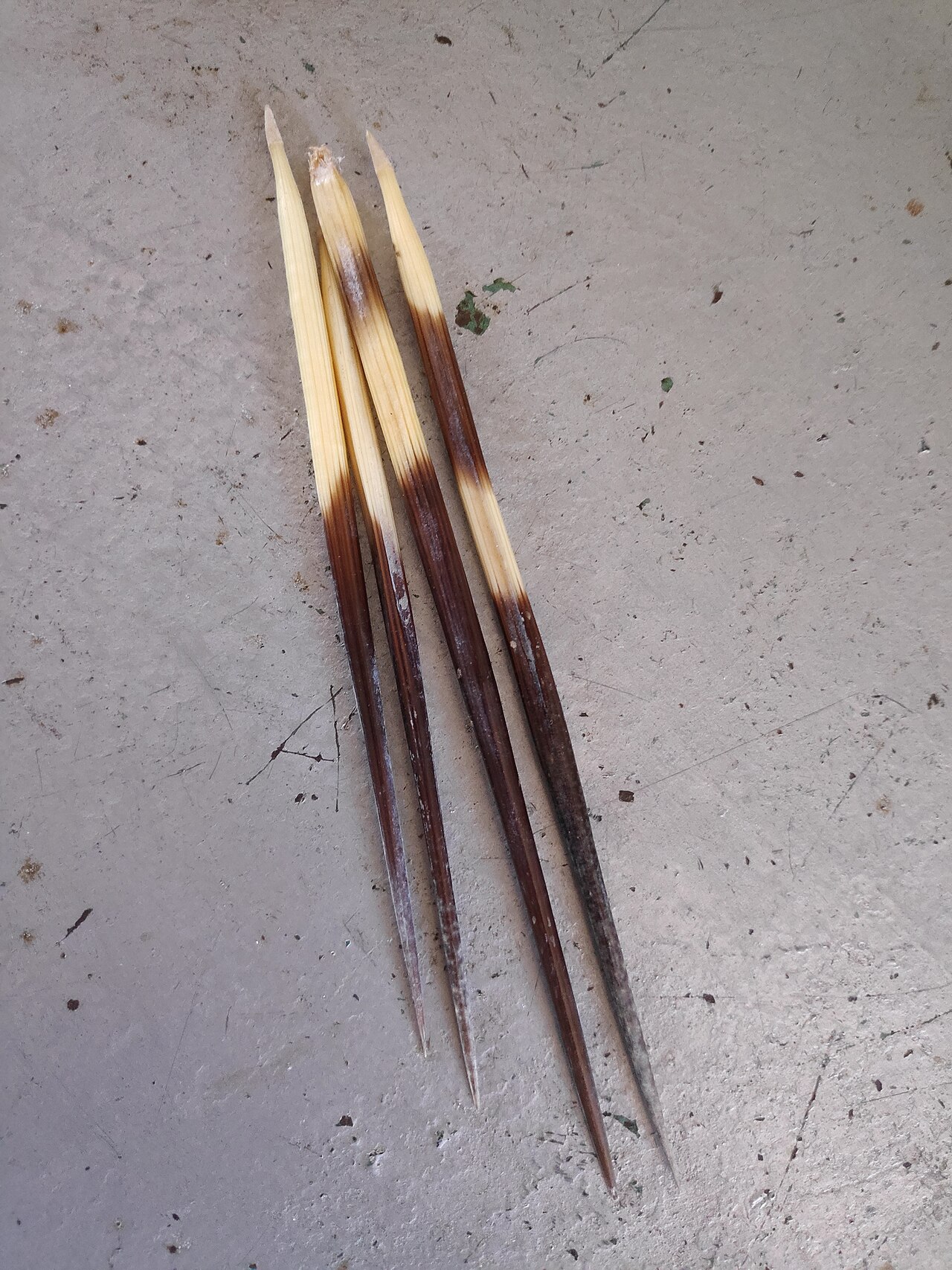
Porcupine quills are modified hairs made of keratin, the same protein found in human fingernails and hair. These specialized structures first appeared in ancestral rodents over 30 million years ago. The primary evolutionary driver was predation pressure—porcupines are slow-moving, solitary animals that cannot outrun or outclimb most predators. Unlike hedgehogs, which have shorter, stiffer spines, porcupine quills are longer, thinner, and equipped with microscopic barbs that make them exceptionally difficult to remove once embedded.
But survival isn't the only reason porcupines evolved quills. In many species, quills serve as a visual deterrent. When threatened, a porcupine will raise and rattle its quills, creating a hissing sound that warns predators to stay away. This behavior, combined with the sudden appearance of a spiky silhouette, often convinces predators to seek easier prey. The North American porcupine (Erethizon dorsatum) has around 30,000 quills covering its body, each measuring up to three inches long. In contrast, the African crested porcupine (Hystrix cristata) boasts quills that can reach 14 inches in length, making it one of the most imposing rodents on the planet.
How Quills Differ Between Species
There are two main families of porcupines: Old World porcupines (family Hystricidae) found in Africa, Europe, and Asia, and New World porcupines (family Erethizontidae) native to the Americas. Old World porcupines have quills that are grouped in clusters and are often banded with black and white, creating a striking visual pattern. New World porcupines have quills that are more evenly distributed and can be mixed with fur, giving them a softer appearance until they are raised. Despite these differences, all porcupine quills share a common design: a sharp tip, a hollow shaft, and overlapping scales that act like fishhooks when lodged in flesh.
The Anatomy of Porcupine Quills: More Than Just Spikes
Understanding why porcupine quills are so effective requires a closer look at their structure. Each quill consists of a hard outer cortex and a spongy inner core. The tip is needle-sharp and often coated with a natural antibiotic substance that helps prevent infection if a porcupine accidentally injures itself. The barbs, which are microscopic backward-pointing scales, are the key to their effectiveness. When a quill penetrates skin, these barbs catch on muscle fibers and tissue, making removal painful and difficult. This design ensures that even if a predator manages to grab a porcupine, it will likely end up with a mouthful of quills that work their way deeper over time.
Interestingly, porcupine quills are not always rigid. They can be relaxed and lie flat against the body when the animal is calm. Muscles at the base of each quill allow the porcupine to raise them instantly when threatened. This muscular control is so precise that a porcupine can aim its quills toward a specific threat. Contrary to popular myth, porcupines cannot "shoot" their quills. Instead, the quills detach easily upon contact, which is why an attacking animal often ends up with multiple quills embedded in its face or paws.
Quill Density and Growth
A healthy adult porcupine has approximately 30,000 quills covering its back, sides, and tail. The tail quills are especially important for New World porcupines, which use their muscular tails to slap predators. Each quill grows from a follicle and is replaced periodically. When a quill is lost, a new one begins growing within days. The growth rate is slow, taking several months to reach full length. Porcupines also have guard hairs and underfur mixed with their quills, which provide insulation—a crucial adaptation for species living in cold climates like the North American porcupine, which inhabits forests from Canada to Mexico.
The Surprising Role of Porcupine Quills in Communication
Beyond defense, porcupine quills play a vital role in social interactions. During mating season, male porcupines use their quills to impress females. A male will approach a female with his quills lowered and make soft vocalizations, but if she is not receptive, she may raise her quills and emit a warning growl. This non-verbal communication helps prevent unnecessary fights. Additionally, mother porcupines use their quills to communicate with their young. A baby porcupine, called a porcupette, is born with soft, flexible quills that harden within hours. The mother will gently nuzzle her offspring, and the baby's quills will lie flat, signaling comfort and safety.
In some species, such as the African crested porcupine, quills are used in territorial displays. When two males compete for dominance, they will raise their crests and rattle their hollow tail quills, which produce a distinctive sound. This auditory signal can be heard from several meters away and often resolves disputes without physical contact. The quills themselves also carry scent glands in some species, allowing porcupines to mark their territory by rubbing against trees or rocks.
Diet, Habitat, and Lifespan: The Porcupine's Daily Life
Porcupines are herbivores with a diet that varies by region. North American porcupines primarily eat tree bark, leaves, buds, and stems, with a particular fondness for the inner bark of conifers. In winter, they rely heavily on bark, which can cause significant damage to trees. African crested porcupines, on the other hand, are more opportunistic and will eat roots, fruits, grains, and occasionally carrion. They are known to raid agricultural fields, making them a nuisance in some areas. Porcupines have a slow metabolism and spend up to 15 hours a day resting, often in trees or rock crevices.
Porcupines are found in a wide range of habitats, from tropical rainforests to deserts and temperate forests. The North American porcupine is the only species that lives in cold climates and is an excellent climber, using its strong claws and prehensile tail to navigate branches. African crested porcupines are primarily terrestrial and dig burrows, which they may share with other animals like warthogs. Lifespan varies: in the wild, porcupines live 5 to 10 years, but in captivity, they can reach 15 to 20 years. Their main predators include fishers, bobcats, coyotes, wolves, and great horned owls, all of which have developed specialized techniques to avoid quills.
Behavioral Adaptations for Survival
Porcupines are solitary and nocturnal, which reduces their risk of encountering predators. They are also known for their strong sense of smell and hearing, which help them detect danger. When threatened, a porcupine will first try to flee or climb a tree. If cornered, it will turn its back to the attacker, raise its quills, and lash its tail. The tail quills are particularly dangerous because they are loosely attached and can be driven into a predator's face with a powerful swing. This behavior is so effective that many predators learn to avoid porcupines after a single painful encounter.
Porcupine Quills and Human Interaction
Humans have long been fascinated by porcupine quills. Indigenous peoples in North America used them for decoration, weaving them into clothing, baskets, and ceremonial objects. The quills were dyed with natural pigments and flattened to create intricate patterns. In some cultures, porcupine quills were believed to have medicinal properties, and they were used in traditional remedies for pain and inflammation. Today, porcupine quills are still used in some jewelry and crafts, although ethical considerations have led to a decline in their use.
Unfortunately, porcupines often come into conflict with humans. Dogs are frequent victims of quill encounters, as they may try to attack a porcupine out of curiosity or instinct. Removing quills from a dog is a painful process that often requires veterinary assistance, as the barbs can cause the quills to migrate deeper into the tissue. In rare cases, quills can puncture internal organs or blood vessels, leading to serious complications. For this reason, it is important to keep pets away from porcupines and to seek professional help if an encounter occurs.
Interesting Facts About Porcupine Quills
- Porcupine quills are hollow, which makes them lightweight and buoyant. This helps porcupines swim if necessary.
- The barbs on a quill are so effective that scientists have studied them for medical applications, such as developing better surgical staples and adhesives.
- Newborn porcupettes have soft, flexible quills that harden within a few hours after birth, protecting them from predators without harming the mother during delivery.
- A single porcupine can lose hundreds of quills in a defensive encounter, but they will regrow over several months.
- The African crested porcupine's quills can be up to 14 inches long and are often used in traditional ceremonies and as musical instruments.
Conclusion: The Remarkable Versatility of Porcupine Quills
The surprising truth about porcupine quills is that they are far more than simple weapons. They are a multifunctional tool that has evolved over millions of years to provide defense, communication, and even social bonding. From the microscopic barbs that ensure a predator's lasting regret to the hollow shafts that aid in swimming, every aspect of the porcupine quill is a testament to the ingenuity of natural selection. Whether you encounter a porcupine in the wild or simply admire its quills from a distance, understanding the depth of their purpose reveals a creature that is not just spiky, but truly remarkable. So the next time you see a porcupine, remember: those quills are not just for protection—they are a masterpiece of evolution, shaped by millions of years of survival.
❓ Frequently Asked Questions
💬 Are porcupine quills sharp enough to hurt predators?
Yes, porcupine quills are extremely sharp—each one has a microscopic barbed tip that easily pierces skin and makes removal painful, deterring predators like coyotes, bobcats, and even bears.
💬 Can porcupines shoot their quills at enemies?
No, porcupines cannot shoot their quills; this is a common myth. Instead, they release quills by swatting their tail or backing into a threat, causing the loosely attached quills to detach on contact.
💬 Why do porcupine quills have barbs?
The barbs at the tips of quills anchor them deeper into an attacker's tissue, making extraction more difficult and painful. This evolutionary design increases the quill's effectiveness as a defense, as the barbs also cause the quill to migrate inward if not removed quickly.
💬 Do porcupine quills grow back if they are lost?
Yes, porcupines continuously grow new quills to replace any that are shed or lost during defense. A healthy adult porcupine can have up to 30,000 quills at any time, ensuring they always have a full arsenal.