- The Anatomy of Pufferfish Inflation: How It Actually Works
- The Role of Water vs. Air
- Spines and Toxins: The Dual Defense System
- Why Do Pufferfish Inflate? The Real Reasons Beyond Defense
- Predator Deterrence: The Classic Explanation
- Surprising Social and Reproductive Uses
- Unexpected Role in Feeding and Foraging
- The Evolutionary Trade-Offs of Pufferfish Inflation
- Energy Costs and Recovery
- Physical Vulnerability During and After Inflation
- Impact on Lifespan and Reproduction
- Real Examples of Pufferfish Inflation in Action
- The Porcupine Pufferfish (Diodon holocanthus)
- The Green Spotted Pufferfish (Tetraodon nigroviridis)
- The Saddle Pufferfish (Canthigaster valentini)
- Common Misconceptions About Pufferfish Inflation
- Myth: Pufferfish Inflate Only When Attacked
- Myth: All Pufferfish Are Poisonous
- Myth: Pufferfish Can Inflate Indefinitely
- Conservation and Human Impact on Pufferfish Inflation
- Threats from Bycatch and Aquarium Trade
- Climate Change and Habitat Loss
- Conclusion: The Enduring Mystery of Pufferfish Inflation
- ❓ Frequently Asked Questions
Pufferfish inflation is one of the most iconic and bizarre defensive behaviors in the animal kingdom, turning a slow-swimming, unassuming fish into a spiny, balloon-like sphere that few predators dare to swallow. While the image of a puffed-up pufferfish is instantly recognizable, the real reasons behind this dramatic transformation go far beyond simple self-defense, involving complex anatomy, chemical warfare, and evolutionary trade-offs. In this article, we’ll dive deep into the science, behavior, and surprising facts behind why pufferfish inflate, exploring the true motivations and mechanisms that make this one of nature’s most effective—and misunderstood—survival strategies.
The Anatomy of Pufferfish Inflation: How It Actually Works
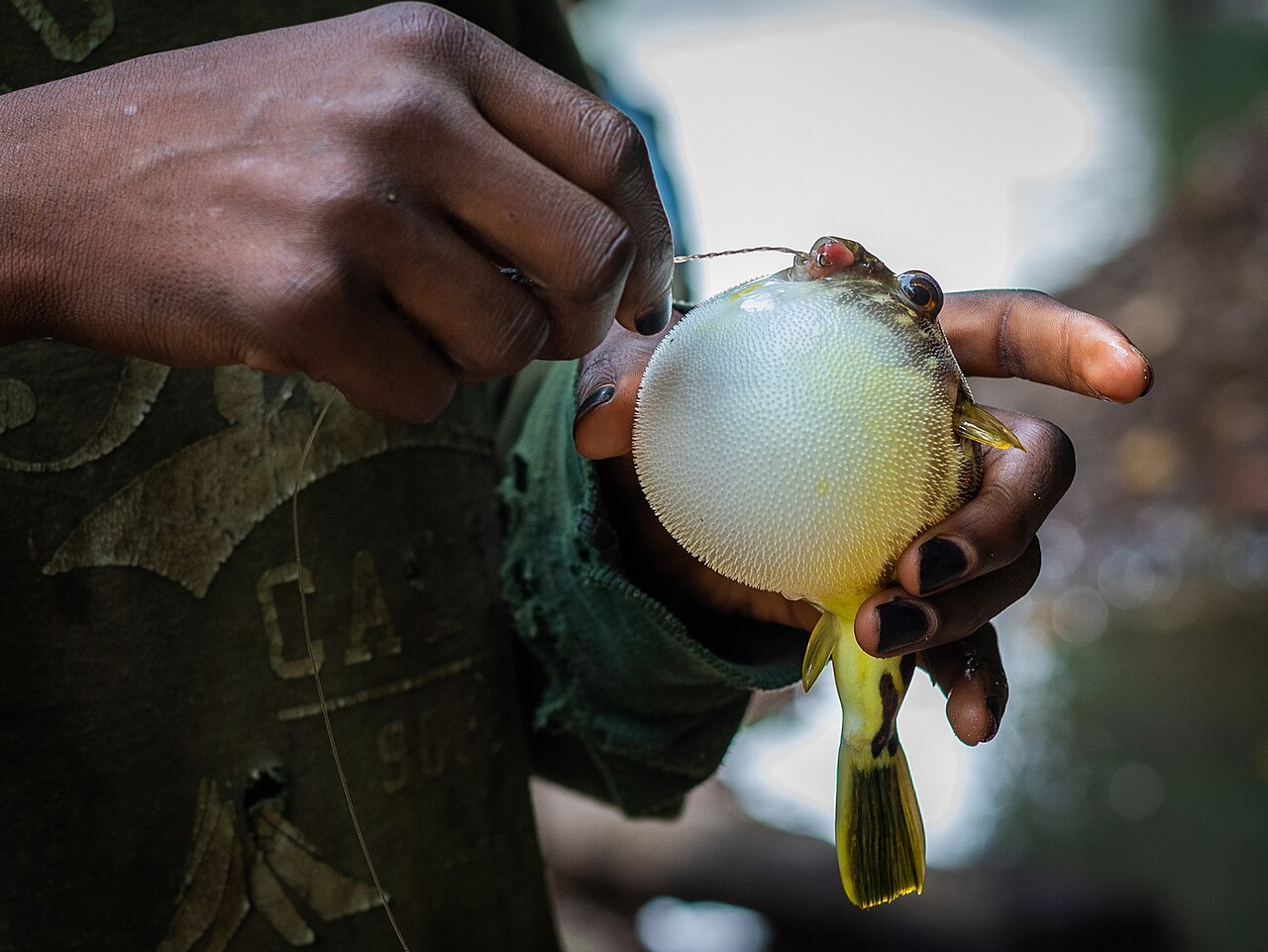
To understand why pufferfish inflate, you first need to appreciate the remarkable anatomical adaptations that make the process possible. Unlike most fish, pufferfish lack several key bones, including pelvic and rib bones, which allows their bodies to expand dramatically. Their skin is highly elastic, and their stomachs are specially designed to stretch up to 100 times their original volume. When threatened, the pufferfish quickly gulps water (or air, if near the surface) into its stomach, causing its body to swell into a rigid sphere. This process is not a simple puffing up; it involves coordinated muscle contractions and the rapid closing of a specialized valve to prevent water from escaping. The entire inflation can occur in less than a second, a speed that often startles predators and buys the pufferfish precious time.
The Role of Water vs. Air
In their natural aquatic habitat, pufferfish inflation primarily uses water, which is denser and provides a more stable, rounded shape. However, when pufferfish are caught by fishermen or handled out of water, they often inflate with air instead. This is dangerous for the fish because air cannot be expelled as easily as water, and it can lead to internal damage or death if the fish cannot deflate properly. In the wild, pufferfish typically deflate by expelling water through their mouths and gills, returning to their normal shape within minutes. Some species, like the giant freshwater pufferfish (Mola mola relatives are not pufferfish; the largest true puffer is the giant freshwater puffer Carinotetraodon lorteti up to 30 cm), can remain inflated for up to an hour if necessary, though most deflate quickly once the threat passes.
Spines and Toxins: The Dual Defense System
Inflation alone is not the only weapon in a pufferfish’s arsenal. Most species have sharp, erectile spines that lie flat against their skin when relaxed but protrude outward when the fish inflates. These spines, which are modified scales, make the pufferfish a spiky, unappetizing mouthful. Even if a predator manages to bite down, the spines can lodge in the predator’s mouth or throat, causing injury or forcing the predator to release the fish. Additionally, many pufferfish species accumulate tetrodotoxin (TTX), a potent neurotoxin up to 1,200 times more lethal than cyanide. This toxin is concentrated in the skin, liver, ovaries, and intestines, making the pufferfish not only physically challenging to eat but also chemically deadly. The combination of inflation, spines, and toxicity creates a layered defense that is remarkably effective against most natural predators, including sharks, dolphins, and large fish.
Why Do Pufferfish Inflate? The Real Reasons Beyond Defense
While self-defense is the primary and most obvious reason for pufferfish inflation, there are several other surprising motivations that drive this behavior. Understanding these reasons gives us a fuller picture of the pufferfish’s life and ecology.
Predator Deterrence: The Classic Explanation
The most straightforward reason for pufferfish inflation is to avoid being eaten. When a pufferfish senses a threat—such as a barracuda, moray eel, or large grouper—it inflates to become too large for the predator to swallow. This is especially important because pufferfish are slow swimmers, with a maximum speed of only about 1-2 mph. Their small fins and rounded bodies make them poor at escaping fast predators. By inflating, they essentially become a living, spiky ball that is difficult to grip, bite, or swallow. Many predators, after a few failed attempts, simply give up and seek easier prey. This strategy is so effective that some pufferfish species rarely need to flee, relying instead on their inflatable defenses to survive.
Surprising Social and Reproductive Uses
Recent research has revealed that pufferfish inflation is not always a response to danger. In some species, males inflate during courtship displays to attract females. The enlarged body and prominent spines may signal health, strength, and genetic fitness to potential mates. For example, the white-spotted pufferfish (Arothron hispidus) has been observed inflating and performing elaborate swimming patterns during mating season. Additionally, inflation can be used as a territorial display to intimidate rival males or to establish dominance within a group. In captivity, pufferfish have been known to inflate when they feel stressed by tank mates or changes in water quality, suggesting that the behavior can also be a general stress response.
Unexpected Role in Feeding and Foraging
While not as common, some pufferfish use inflation to aid in feeding. The star pufferfish (Arothron stellatus), for instance, may inflate slightly to dislodge prey from crevices or to create a suction effect that helps them capture small crustaceans and mollusks. By expanding their body cavity, they can generate a powerful vacuum that pulls in food. This behavior is rare and less dramatic than full-blown defensive inflation, but it highlights the versatility of the pufferfish’s unique anatomy. In general, pufferfish are carnivorous, feeding on algae, small invertebrates, and hard-shelled prey like clams and snails, which they crush with their powerful beak-like teeth.
The Evolutionary Trade-Offs of Pufferfish Inflation
Pufferfish inflation is not without costs. The ability to inflate comes with significant evolutionary trade-offs that shape the pufferfish’s entire lifestyle and biology.
Energy Costs and Recovery
Inflation requires a massive expenditure of energy. The rapid gulping of water and the muscular effort to maintain a spherical shape can be exhausting for a pufferfish. After inflating, the fish often appears lethargic and may need several minutes to recover normal breathing and swimming. This energy cost means that pufferfish cannot inflate repeatedly without risking exhaustion. In the wild, they typically reserve inflation for genuine emergencies. Laboratory studies have shown that pufferfish that inflate frequently experience higher metabolic rates and lower growth rates compared to those that rarely inflate. This trade-off explains why pufferfish are not constantly inflated—it is a last-resort strategy, not a default state.
Physical Vulnerability During and After Inflation
Ironically, while inflation protects against predators, it also makes pufferfish more vulnerable in some ways. An inflated pufferfish is essentially immobile; it cannot swim effectively and may float awkwardly in the water column, making it an easy target for opportunistic predators that can bite around the spines. Some predators, like tiger sharks and killer whales, have learned to bite pufferfish from the side or to swallow them whole before they fully inflate. Additionally, if a pufferfish inflates with air (common when caught by fishermen), it cannot deflate quickly and may become stranded on the surface, unable to dive to avoid predators or find food. In extreme cases, air inflation can cause internal injuries, such as ruptured stomachs or damaged organs, leading to death.
Impact on Lifespan and Reproduction
The energy demands of inflation may also affect pufferfish lifespan, which varies widely by species. Small pufferfish, like the dwarf pufferfish (Carinotetraodon travancoricus), live only 2-3 years, while larger species, like the giant pufferfish (Mola mola is a sunfish; the largest true puffer is the giant freshwater puffer up to 30 cm), can live 10-15 years. Frequent inflation could shorten lifespan by increasing metabolic stress and reducing energy available for growth and reproduction. Interestingly, pufferfish that live in predator-rich environments tend to have thicker skin and more robust spines, suggesting that inflation has driven natural selection for more durable defenses. In captivity, where predators are absent, pufferfish rarely inflate and may even lose some of their inflation capacity over time.
Real Examples of Pufferfish Inflation in Action
To bring these concepts to life, let’s look at specific pufferfish species and how they use inflation in their natural habitats.
The Porcupine Pufferfish (Diodon holocanthus)
One of the most famous examples is the porcupine pufferfish, which is actually a member of the closely related porcupinefish family (Diodontidae). These fish have exceptionally long, sharp spines that are permanently erect, even when not inflated. When threatened, they inflate to make their spines stand out even more, creating a formidable barrier. Porcupine pufferfish are found in tropical and subtropical waters worldwide, often hiding in caves or under ledges during the day. They can grow up to 40 cm (16 inches) in length and are known to be curious and intelligent, often interacting with divers. Their inflation is so effective that they have few natural predators; only large sharks and dolphins occasionally prey on them.
The Green Spotted Pufferfish (Tetraodon nigroviridis)
This small, popular aquarium species (reaching about 10 cm or 4 inches) is a freshwater pufferfish that inflates readily when stressed. In the wild, it inhabits brackish waters in Southeast Asia, where it feeds on snails and crustaceans. Green spotted pufferfish are notorious for their aggressive temperament and will inflate at the slightest provocation, whether from a tank mate or a human hand. Their inflation is accompanied by a distinctive hissing sound as they expel water from their gills. In captivity, owners must be careful not to startle them, as repeated inflation can lead to health problems. This species also carries tetrodotoxin, making them dangerous to handle without caution.
The Saddle Pufferfish (Canthigaster valentini)
Also known as the Valentini pufferfish or saddleback pufferfish, this small (up to 10 cm) marine species is found on coral reefs. It is known for its striking black and white saddle-like markings and its ability to inflate into a perfect sphere. Unlike larger pufferfish, the saddle pufferfish is a slow swimmer that relies heavily on camouflage and inflation for protection. It feeds primarily on algae and small invertebrates. Its inflation is often triggered by the approach of larger fish, such as triggerfish or lionfish. Interestingly, the saddle pufferfish is also known to mimic other fish when not inflated, blending in with its surroundings to avoid detection.
Common Misconceptions About Pufferfish Inflation
Despite its popularity, pufferfish inflation is surrounded by myths and misunderstandings that are worth clearing up.
Myth: Pufferfish Inflate Only When Attacked
While defense is the main reason, pufferfish also inflate during courtship, territorial disputes, and stress responses. In captivity, they may inflate due to poor water quality, sudden changes in temperature, or even boredom. Some species, like the dwarf pufferfish, inflate frequently as part of their natural behavior, even when no threat is present.
Myth: All Pufferfish Are Poisonous
Not all pufferfish contain tetrodotoxin. The toxin is produced by bacteria that accumulate in the fish’s body through their diet, and not all species harbor these bacteria. For example, the smooth pufferfish (Lagocephalus laevigatus) is generally non-toxic, though it still has spines and inflates. However, it is safest to assume that all pufferfish are potentially toxic, as even non-toxic species can carry harmful bacteria or parasites.
Myth: Pufferfish Can Inflate Indefinitely
Pufferfish cannot stay inflated for long periods. The average inflation lasts only 30 seconds to 5 minutes, depending on the species and the threat. Prolonged inflation can lead to oxygen deprivation, muscle fatigue, and internal damage. In the wild, pufferfish deflate as soon as the threat passes, often returning to normal within a minute.
Conservation and Human Impact on Pufferfish Inflation
Human activities are affecting pufferfish populations and their ability to use inflation effectively. Overfishing, habitat destruction, and pollution are all taking a toll on these unique fish.
Threats from Bycatch and Aquarium Trade
Pufferfish are often caught as bycatch in commercial fishing operations, and their inflation response can be fatal when they are brought to the surface. The rapid change in pressure causes them to inflate with air, which they cannot expel, leading to death. Additionally, pufferfish are popular in the aquarium trade, but many species are difficult to keep due to their specialized diets and need for pristine water quality. The green spotted pufferfish is one of the most commonly traded species, but many die within months due to improper care. Conservation efforts focus on sustainable harvesting and educating aquarists about the specific needs of pufferfish.
Climate Change and Habitat Loss
Rising ocean temperatures and acidification are damaging coral reefs, which are critical habitats for many pufferfish species. Warmer waters can also affect the bacteria that produce tetrodotoxin, potentially altering the toxicity of pufferfish populations. Mangrove destruction and coastal development are reducing the brackish water habitats that species like the figure-eight pufferfish (Tetraodon biocellatus) rely on. Protecting these environments is essential for the long-term survival of pufferfish and their unique inflation behavior.
Conclusion: The Enduring Mystery of Pufferfish Inflation
Pufferfish inflation remains one of the most fascinating and effective survival strategies in the animal world. From its roots in predator deterrence to its surprising roles in reproduction and feeding, this behavior is a testament to the power of evolutionary adaptation. While we have uncovered many secrets behind why pufferfish inflate, new discoveries continue to emerge, such as the recent finding that some species use inflation to communicate with each other. As we learn more, we gain a deeper appreciation for these remarkable fish and the delicate balance of life in the oceans. Whether you encounter a pufferfish on a coral reef or in an aquarium, you can now understand the complex reasons behind its dramatic transformation—a true marvel of nature that never fails to captivate.
❓ Frequently Asked Questions
💬 Is it true that pufferfish inflate to scare away predators?
Yes, inflation is primarily a defense mechanism to make the pufferfish appear larger and more intimidating to predators, often combined with displaying spines.
💬 Does inflating hurt or harm the pufferfish?
Inflation can be stressful and potentially harmful for pufferfish, as it stretches their skin and organs; repeated inflation may lead to injury or death.
💬 How do pufferfish inflate their bodies so quickly?
Pufferfish rapidly suck in water (or air when out of water) into their highly elastic stomachs, which expands like a balloon, a process aided by specialized muscles and lacking ribs.
💬 Can pufferfish inflate out of water, and is it safe?
Yes, they can inflate with air if removed from water, but this is dangerous because they cannot easily expel the air, leading to stress, organ damage, or suffocation.