- The Genetic Secret Behind Sphynx Cats Hairless
- Why the Mutation Persists
- How the Sphynx Cats Hairless Breed Came to Be
- The Difference Between Sphynx and Other Hairless Cats
- Life Without a Fur Coat: The Practical Reality
- Skin Care and Grooming: The "Bald" Cat Paradox
- Health, Lifespan, and Unique Physical Traits
- Physical Characteristics Beyond the Skin
- The Exceptional Personality of the Sphynx
- Are They Truly Hypoallergenic?
- The Cost and Commitment of Owning a Sphynx
- The Surprising Truth: A Conclusion
- ❓ Frequently Asked Questions
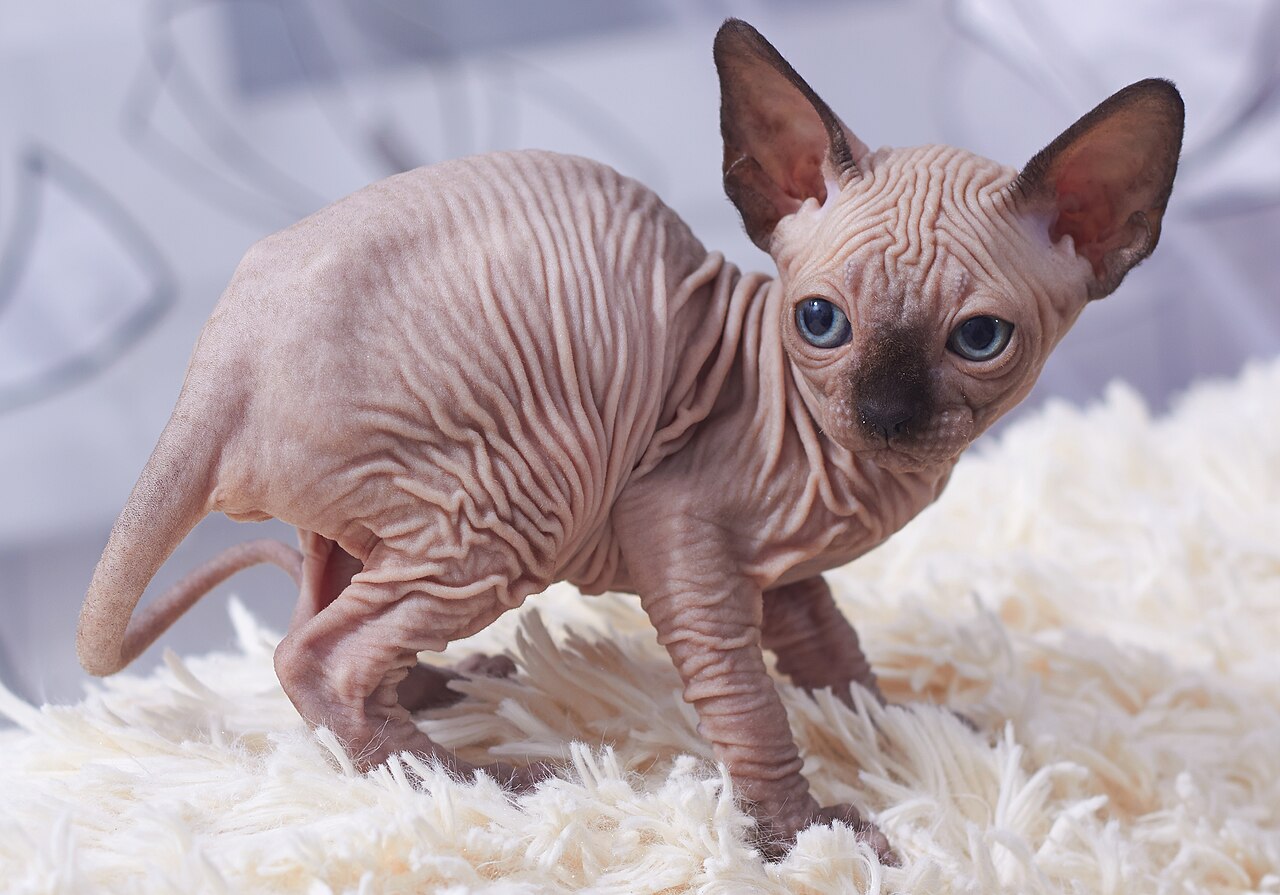
The mystery of the Sphynx cats hairless appearance is one of the most frequently asked questions in the feline world, and the surprising truth involves a spontaneous genetic mutation, not centuries of deliberate breeding by ancient civilizations as many myths suggest. While these wrinkly, warm-to-the-touch felines look like they come from another planet, their lack of fur is a natural, albeit rare, accident of nature that has been carefully preserved and refined by dedicated breeders over the last sixty years. Understanding why these cats look the way they do requires delving into genetics, skin physiology, and the unique lifestyle that comes with being a "bald" cat in a world designed for the furry.
The Genetic Secret Behind Sphynx Cats Hairless
At the heart of the Sphynx's bare appearance is a specific, naturally occurring genetic mutation. Unlike some other hairless breeds, such as the Devon Rex, which has a different genetic anomaly, the Sphynx carries a recessive gene known as HR (for hairless). For a kitten to be born without fur, it must inherit this defective gene from both parents. If a kitten inherits only one copy of the gene, it will be born with a normal, full coat of fur, but will act as a carrier for the trait.
The mutation specifically affects the production of keratin, a protein essential for hair shaft formation. In a Sphynx, the hair follicles are present and functional, but they produce a fine, peach-fuzz-like down that is often invisible to the naked eye and too short to be considered fur. The follicles essentially "shut down" early in the development cycle, preventing the hair from growing to a normal length. This means the cat is not truly 100% bald but covered in a microscopic velvety texture, which feels remarkably similar to a warm suede or a heated peach.
Why the Mutation Persists
In the wild, a hairless mutation would be a death sentence. Without fur, a cat would struggle to regulate body temperature, making it vulnerable to hypothermia in cold climates and sunburn in hot ones. However, in the controlled environment of human homes and catteries, this mutation is not only survivable but highly prized. The persistence of the Sphynx cats hairless trait is entirely dependent on human intervention, as breeders intentionally select for this genetic quirk to maintain the breed standard.
How the Sphynx Cats Hairless Breed Came to Be
Contrary to popular legend, the Sphynx did not originate in ancient Egypt, despite the breed's name and its resemblance to feline statues from that era. The modern history of the breed began in 1966 in Toronto, Canada, when a domestic shorthair cat gave birth to a black and white hairless kitten named Prune. This kitten was the result of a natural, spontaneous genetic mutation. Breeders recognized the potential for a new breed and began outcrossing Prune to normal-coated cats, then breeding the offspring back to each other to produce more hairless kittens.
However, the early breeding program faced significant challenges. The gene pool was incredibly small, leading to health issues and high kitten mortality. Many of the original lines died out. It wasn't until the 1970s that the breed was successfully re-established using new hairless kittens found in Minnesota and Canada, which were then crossed with Devon Rex cats to broaden the gene pool. This outcrossing introduced the distinctive "Rex" curl in the whiskers and the characteristic wide-set, lemon-shaped eyes we see today, while solidifying the hairless trait.
The Difference Between Sphynx and Other Hairless Cats
It is easy to confuse a Sphynx with other hairless breeds, but they are genetically distinct. The Bambino is a cross between a Sphynx and a Munchkin (resulting in short legs), while the Peterbald originates from Russia and carries a different dominant hairless gene. The Donskoy (also from Russia) has a dominant mutation, meaning only one copy of the gene is needed for the cat to be hairless. The Sphynx is unique because its hairlessness is recessive and relies on a completely different genetic pathway than these other breeds.
Life Without a Fur Coat: The Practical Reality
Living without fur dramatically alters a Sphynx's physiology and daily care routine. The most significant change is in their metabolism. Because they lack insulation, Sphynx cats burn significantly more calories to maintain their core body temperature of around 100 degrees Fahrenheit (38 degrees Celsius). Consequently, they have voracious appetites and require a high-quality, calorie-dense diet to sustain their energy levels. Owners often report that a Sphynx will eat two to three times more than a typical domestic cat of the same size.
This high metabolism also means they are perpetually seeking heat. You will rarely find a Sphynx lounging in the middle of a cold room; instead, they gravitate toward sunny windowsills, laptop keyboards, heating vents, and, most importantly, the warm laps of their owners. They are notorious for burrowing under blankets and sleeping in bed with their humans, often acting as a living, breathing hot water bottle. In colder climates, owners frequently invest in cat sweaters or heated beds to keep their pets comfortable.
Skin Care and Grooming: The "Bald" Cat Paradox
Ironically, the Sphynx requires more grooming than a furry cat, not less. Since there is no coat to absorb the natural skin oils (sebum), these oils accumulate on the skin's surface. Over time, this residue can build up, leaving the cat feeling greasy, attracting dirt, and potentially causing skin infections or acne. To prevent this, Sphynx cats require regular bathing—typically once a week or every other week—using a gentle, hypoallergenic cat shampoo designed for sensitive skin.
Beyond bathing, the grooming routine involves specific attention to the ears and nails. Because the ears lack hair, they produce an excessive amount of earwax that must be cleaned out weekly to prevent infections. The nails also require frequent trimming, as the lack of fur allows the claws to grow longer and more curved without the friction of a coat to wear them down. This high-maintenance grooming schedule is a critical commitment for any prospective owner.
Health, Lifespan, and Unique Physical Traits
The lifespan of a Sphynx cat is typically between 12 and 15 years, which is comparable to other purebred cats, though some individuals can live into their late teens with excellent care. While they are generally healthy, the breed is predisposed to a few specific genetic conditions due to their limited gene pool. The most concerning is Hypertrophic Cardiomyopathy (HCM), a form of heart disease that affects the heart muscle. Responsible breeders screen their breeding cats for this condition to reduce the risk of passing it on to kittens.
Another common issue is a condition called Hereditary Myopathy, which affects muscle function and can cause weakness or tremors. Additionally, because of their lack of fur, they are more susceptible to sunburn, making it essential to keep them indoors and limit their exposure to direct sunlight. Despite these potential health hurdles, the breed is known for its robustness and resilience when provided with proper nutrition and veterinary care.
Physical Characteristics Beyond the Skin
Beyond their lack of fur, Sphynx cats have several other distinctive physical features. They have a wedge-shaped head with prominent cheekbones and large, lemon-shaped eyes that can be any color. Their ears are exceptionally large and wide at the base, giving them an alert, bat-like appearance. They have a long, slender neck and a muscular, medium-sized body with a rounded, "pot-bellied" abdomen, which is a normal characteristic, not a sign of obesity. The skin itself is wrinkled, especially around the head, neck, and shoulders, and they come in a wide variety of colors and patterns because their skin pigmentation mirrors what their fur would have looked like.
The Exceptional Personality of the Sphynx
Owners often describe the Sphynx as a "part dog, part monkey, part child, and part cat." Their personality is as distinctive as their appearance. They are highly social, affectionate, and extremely people-oriented. They do not like being left alone for long periods and will follow their owners from room to room, seeking attention and interaction. They are known for their acrobatic abilities, jumping to high shelves and cabinets, and their curious, mischievous nature. They are also incredibly intelligent and can be easily trained to perform tricks, play fetch, or walk on a harness.
This high level of intelligence and social dependency means they thrive in homes with other pets or where someone is around most of the day. They are not a breed for someone who works long hours and wants a low-maintenance pet. A bored Sphynx can become destructive, opening cabinets, knocking items off shelves, or turning on taps. Their desire for warmth also makes them incredibly cuddly and affectionate, often resting their cold noses against their owner's neck or wrapping themselves around a shoulder like a scarf.
Are They Truly Hypoallergenic?
One of the biggest misconceptions about the Sphynx is that they are completely hypoallergenic. While it is true that they do not shed fur, the primary allergen for most cat allergy sufferers is a protein called Fel d 1, which is found in a cat's saliva, urine, and sebaceous (skin) glands. Since Sphynx cats produce this protein in their skin and saliva just like any other cat, they can still trigger allergic reactions. However, because they lack fur to trap and spread the allergen throughout the home, the amount of airborne dander is significantly reduced. Many allergy sufferers find they can tolerate a Sphynx better than a furry cat, but it is not a guarantee. Regular bathing can help reduce the allergen load further.
The Cost and Commitment of Owning a Sphynx
Owning a Sphynx is a significant financial and time commitment. The initial purchase price from a reputable breeder typically ranges from $1,500 to $3,000 or more, depending on pedigree and location. However, the ongoing costs are what truly add up. Their high metabolism means a higher monthly food bill, and their grooming requirements necessitate regular purchases of specialized shampoos, ear cleaners, and wipes. They also require more frequent vet visits for skin and ear checks, and the genetic health screenings for HCM can add to the overall cost of care.
Prospective owners must be prepared for the unique demands of the breed. The constant need for warmth means your home must be maintained at a comfortable temperature, and you will likely need to invest in heated cat beds and sweaters. The weekly bath routine is non-negotiable, and the accumulation of skin oils can leave stains on fabrics and furniture if not managed properly. However, for those who can meet these demands, the reward is an incredibly loving, entertaining, and loyal companion that forms an unbreakable bond with its human family.
The Surprising Truth: A Conclusion
The true origin of the Sphynx is a testament to the power of genetic accident and human dedication. The breed we know today is not an ancient relic but a modern creation, born from a natural mutation in Canada and refined through careful breeding to overcome early hurdles. The Sphynx cats hairless look is not a defect but a unique adaptation that demands a specialized lifestyle, from a high-calorie diet to regular skincare. Above all, these "bald" cats have proven that a lack of fur does not mean a lack of personality, offering their owners a warmth and affection that is far more profound than any coat could provide.
❓ Frequently Asked Questions
💬 Are Sphynx cats truly 100% hairless?
No, they aren't completely hairless. Sphynx cats have a fine, soft down (like peach fuzz) that gives them a suede-like texture, but it's so short and sparse that they appear bald to the naked eye.
💬 Is the Sphynx's hairlessness caused by a genetic mutation?
Yes, it's a natural genetic mutation affecting the keratin gene, which controls hair growth. Breeders selectively bred this mutation to create the modern Sphynx, but the gene is recessive, so both parents must carry it to produce hairless kittens.
💬 Do Sphynx cats need special care because they have no fur?
Absolutely. Without fur, they lack insulation and sun protection, so they need warm clothing, limited sun exposure, and frequent bathing to remove oil buildup that would normally be absorbed by hair. They also need regular ear cleaning since they produce more earwax.
💬 Are Sphynx cats hypoallergenic?
Not really. While they shed less fur, allergies are usually triggered by the Fel d 1 protein found in their saliva, skin, and dander, which Sphynx cats still produce. Some people with mild allergies may react less, but they aren't truly hypoallergenic.