- What Exactly Is a Starfish?
- Water-Powered Bodies
- Why Do Starfish Regrow Arms? The Core Reasons
- 1. Escape from Predators
- 2. Recovery from Injury
- 3. Accidental and Intentional Fission
- 4. Investment in Long-Term Survival
- How Starfish Regrow Arms: The Biology Step by Step
- The Wound Seals First
- A Blastema Forms
- Patterning and Positional Memory
- Timeline of Regrowth
- Real Examples of Starfish Regrow Arms in the Wild
- The Common Sea Star (Asterias rubens)
- The Ochre Sea Star (Pisaster ochraceus)
- The Crown-of-Thorns Starfish
- The Comet Sea Star (Linckia spp.)
- Why Starfish Can't Always Regrow Everything
- The Central Disc Is Critical
- Energy Costs
- Environmental Stress
- Disease
- How Scientists Study Starfish Regeneration
- Common Myths About Starfish Regeneration
- Myth: Any Piece of a Starfish Grows Into a New Starfish
- Myth: Starfish Regrow Arms Instantly
- Myth: Starfish Are Fish
- Frequently Asked Questions
- Can a starfish regrow its head?
- How long does it take for a starfish to regrow an arm?
- Do starfish feel pain when they lose an arm?
- What eats starfish?
- Conclusion: A Survival Superpower Built Into the Body Plan
- ❓ Frequently Asked Questions
Starfish are among the most recognizable animals in the ocean, but the trait that truly sets them apart is their ability to starfish regrow arms — sometimes several at once, and sometimes an entire body from a single limb. This isn't a rare fluke or a one-off trick. Regeneration is woven into the basic biology of these animals, and understanding how and why it works reveals one of the most remarkable survival strategies in the sea.
What Exactly Is a Starfish?
Starfish — more accurately called sea stars, since they aren't fish at all — are marine invertebrates belonging to the class Asteroidea within the phylum Echinodermata. That phylum also includes sea urchins, sand dollars, sea cucumbers, and brittle stars. Roughly 1,900 to 2,000 living species of sea stars have been described, and they occupy virtually every marine environment on Earth, from tropical coral reefs to the abyssal plains more than 6,000 meters (about 20,000 feet) below the surface.
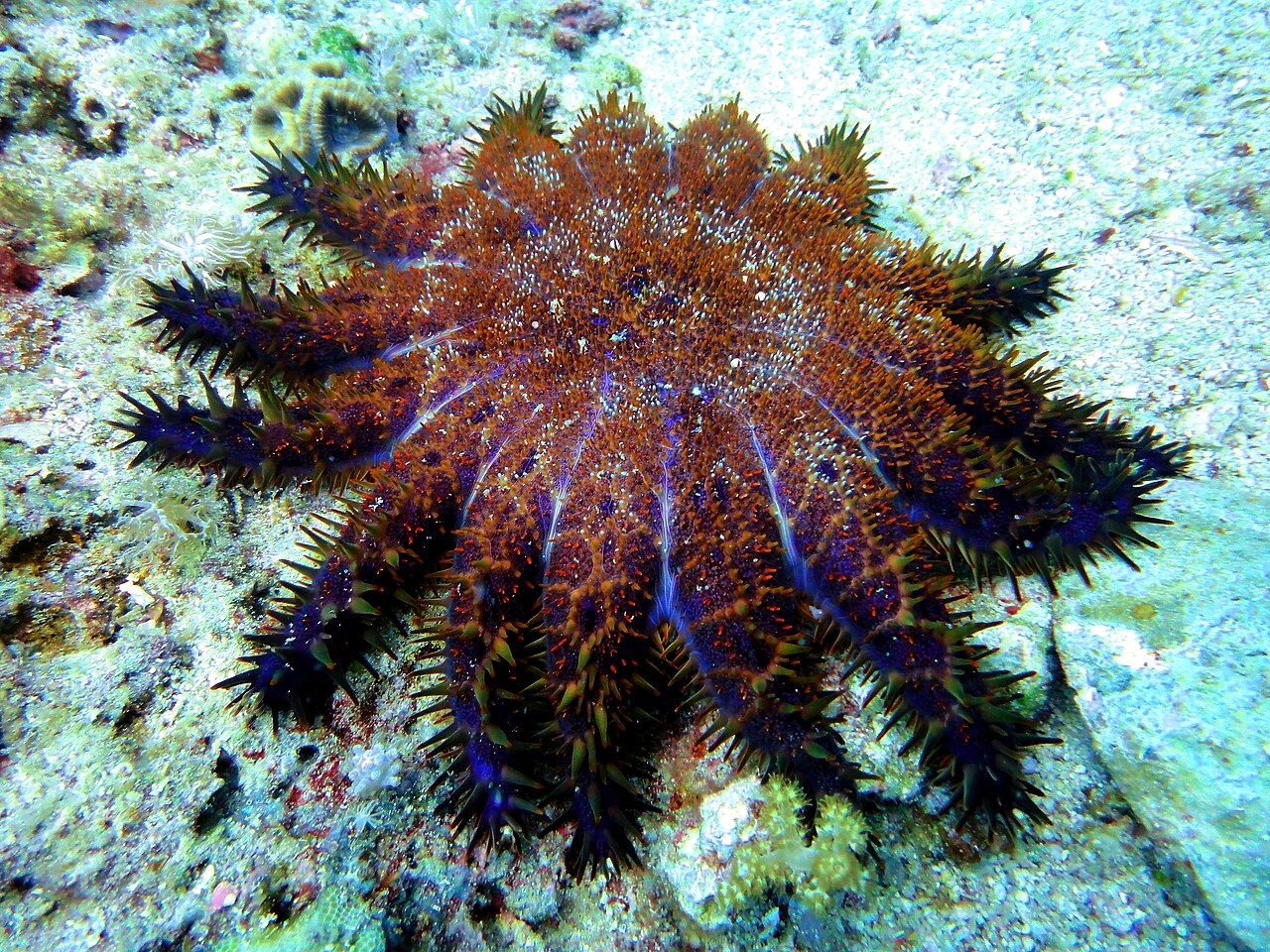
Most sea stars have five arms radiating from a central disc, but the family is far more varied than that familiar shape suggests. The sunflower sea star (Pycnopodia helianthoides) of the northeastern Pacific can have 20 or more arms and reach a diameter of up to one meter (about three feet), making it one of the largest and fastest-moving sea stars known. At the other extreme, some species are barely a centimeter across. The crown-of-thorns starfish (Acanthaster planci), a notorious coral predator on the Great Barrier Reef, typically has 12 to 19 arms and can span 25 to 35 centimeters.
Water-Powered Bodies
Sea stars don't have a brain or a centralized nervous system in the way mammals do. Instead, they operate with a nerve ring around the mouth and radial nerves running down each arm. They move using a water vascular system: seawater is drawn in through a sieve-like plate called the madreporite, then pumped through a network of canals into hundreds of tiny tube feet on the underside of each arm. These tube feet work like miniature hydraulic suction cups, allowing the animal to walk, cling to rocks, and pry open prey.
This hydraulic system is also central to how sea stars feed. Many species, such as the common Asterias rubens of the North Atlantic, prey on mussels and clams. The sea star grips the shell with its tube feet, applies steady tension for minutes or hours until the mollusk tires, and then everts its stomach out through its mouth and into the shell to digest the soft tissue externally.
Why Do Starfish Regrow Arms? The Core Reasons
Regeneration exists because it pays off in evolutionary terms. For a slow-moving, largely defenseless animal that lives in a world full of predators, the ability to lose a body part and survive is a major advantage.
1. Escape from Predators
Many predators grab sea stars by an arm. If a fish, crab, sea otter, or bird seizes a limb, the sea star can shed that arm — a process called autotomy — and crawl away with its remaining body intact. The lost arm becomes a distraction while the sea star escapes into a crevice. This is directly comparable to a lizard dropping its tail, and it serves the same purpose.
2. Recovery from Injury
Sea stars are frequently damaged by storms, wave action, rocks, boat propellers, and encounters with fishing gear. Because they can't heal a severed limb the way a vertebrate heals a bone, they replace it entirely. A damaged arm that isn't fully lost can often be repaired in place.
3. Accidental and Intentional Fission
Some species reproduce asexually by splitting their central disc, a process called fission. Each half then regenerates the missing portion. The comet sea star (Linckia species, found in the Indo-Pacific) is famous for this. It can also reproduce from a single detached arm — provided a piece of the central disc is attached. This is a form of cloning: the resulting animals are genetically identical to the parent.
4. Investment in Long-Term Survival
Sea stars can live a long time. Some species, including certain cold-water sea stars, are estimated to survive 20 to 35 years or more in the wild. An animal with decades of potential reproductive life has strong evolutionary incentive to invest in repairing its body rather than dying from a single injury.
How Starfish Regrow Arms: The Biology Step by Step
Regeneration in sea stars is not simple scar tissue formation. It is a controlled process of rebuilding complex anatomy, including bones (ossicles), muscles, nerves, tube feet, and digestive glands.
The Wound Seals First
When an arm is lost, the sea star rapidly contracts muscles around the wound and seals it. In many species, this happens within minutes to hours. The animal stops bleeding — sea stars don't have blood in the vertebrate sense; they use filtered seawater as their circulatory fluid — and prevents infection from entering.
A Blastema Forms
Next, cells near the wound site dedifferentiate — meaning they revert from specialized types back into a more flexible, stem-cell-like state. These cells accumulate into a mass called a blastema. The blastema acts as a construction zone, and the cells within it proliferate and then re-differentiate into whatever tissues are needed: ossicles, connective tissue, nerve cords, and the water vascular canals.
Patterning and Positional Memory
The most striking part is that the new arm grows with the correct orientation, length, and internal structure. The sea star's nervous system and the remnants of the radial nerve in the stump appear to carry positional information — a kind of internal map that tells the regenerating tissue where it is and what it should become. This is why a sea star that loses an arm near the disc regrows a full arm, not a partial or misaligned one.
Timeline of Regrowth
Regeneration speed depends heavily on species, water temperature, and food availability. Warm water speeds up metabolism, so tropical species often regenerate faster than polar ones.
- Small species in warm water: a lost arm can be substantially regrown in a few weeks to two months.
- Mid-sized temperate species: three to six months is typical for a fully functional arm.
- Large cold-water species: regeneration can take a year or longer.
- Full body from a fragment: the comet sea star may take many months to over a year to rebuild an entire animal from an arm plus disc fragment.
During regeneration, the sea star often grows a small "bud" arm first, which then lengthens. For a period, the animal looks visibly lopsided, with one short arm among full-length ones. Those uneven arms are one of the easiest ways to spot a sea star that has recently survived a predator attack.
Real Examples of Starfish Regrow Arms in the Wild
Different species demonstrate regeneration in different ways, and researchers have documented the process across a wide range of habitats.
The Common Sea Star (Asterias rubens)
Found in the northeastern Atlantic and Baltic Sea, this five-armed species is a classic subject for regeneration studies. It feeds mainly on mussels and other bivalves and is frequently found with one or two arms shorter than the rest — clear evidence of past injury and ongoing regrowth. It typically grows to 10–30 centimeters across and can live for several years.
The Ochre Sea Star (Pisaster ochraceus)
This purple-and-orange sea star of the North American Pacific coast is a keystone predator, controlling mussel populations on rocky shores. It has five arms and can reach 25 centimeters. Following the devastating sea star wasting disease outbreak that began in 2013, researchers documented extensive arm loss and regeneration in surviving individuals — the ability to regrow arms may have helped some populations persist.
The Crown-of-Thorns Starfish
This coral-eating species is notable for both its many arms and its regenerative capacity. Because it is a major threat to coral reefs, control programs have sometimes attempted to physically remove or injure individuals. Regeneration complicates these efforts: an animal cut into pieces can, in some cases, produce multiple new sea stars, which is why physical fragmentation is a risky control method.
The Comet Sea Star (Linckia spp.)
Named for the comet-like shape it takes on while regrowing, this Indo-Pacific sea star can regenerate an entire body from a single arm if a portion of the central disc is attached. It also reproduces by fission. The result is a population that can expand without any need for a mate — a useful trait for a slow-moving animal that may be widely dispersed.
Why Starfish Can't Always Regrow Everything
Regeneration is powerful, but it has limits, and those limits are important for understanding why the trait hasn't made sea stars invincible.
The Central Disc Is Critical
For most species, an arm without any part of the central disc cannot survive. The disc contains the mouth, the stomach, and the nerve ring — the essential hub of the animal. Without it, the arm has no way to eat or coordinate a new body. The comet sea star is a partial exception, but even it typically needs at least a small fragment of the disc.
Energy Costs
Building a new arm requires protein, calcium carbonate for ossicles, and a great deal of metabolic energy. A sea star that has just lost an arm may grow more slowly, reproduce less, or be more vulnerable to starvation. In food-poor environments, regeneration can stall.
Environmental Stress
Pollution, ocean acidification, and warming water can impair regeneration. Ocean acidification is a particular concern: sea stars build their internal ossicles from calcium carbonate, and more acidic seawater makes that mineral harder to precipitate. Studies on sea star larvae and juveniles have shown reduced growth and skeletal development under acidified conditions, which may slow arm regrowth as well.
Disease
Sea star wasting disease, which affected more than 20 species along the Pacific coast of North America, causes lesions, arm loss, and often death. While regeneration can replace lost arms, it cannot outpace a systemic infection that is destroying tissue faster than the animal can rebuild it.
How Scientists Study Starfish Regeneration
Sea stars have become a valuable model organism for regeneration research. Because they are relatively easy to keep in tanks, produce large numbers of eggs, and regenerate reliably, they offer a window into how animal tissues can be rebuilt from scratch.
Researchers use techniques such as:
- Gene expression analysis to identify which genes switch on during blastema formation.
- Cell lineage tracking to determine which cell types contribute to new tissue.
- Comparative studies across species with different regenerative abilities, to pinpoint what makes some sea stars better at regrowth than others.
- Developmental comparisons to see whether regeneration reuses the same genetic programs as embryonic development.
Findings from sea star research have broader implications. Understanding how dedifferentiation and positional memory work in sea stars could eventually inform human medicine, particularly research into wound healing, tissue repair, and regenerative therapies. Sea stars are not going to give us regrown human limbs any time soon, but they are helping scientists understand the fundamental rules that govern whether and how complex tissues can be rebuilt.
Common Myths About Starfish Regeneration
Because regeneration is so dramatic, it has attracted plenty of misinformation. A few clarifications are worth making.
Myth: Any Piece of a Starfish Grows Into a New Starfish
This is false for most species. A detached arm without part of the central disc usually dies. Only certain species, such as Linckia sea stars, can regenerate a whole body from an arm, and even they generally need a fragment of the disc attached.
Myth: Starfish Regrow Arms Instantly
Regrowth takes weeks to months, sometimes over a year, depending on species and conditions. The process is gradual and energy-intensive, not instantaneous.
Myth: Starfish Are Fish
Sea stars are echinoderms, not fish. They have no backbone, no gills in the fish sense, and no fins. The name "starfish" is a historical misnomer, which is why scientists prefer "sea star."
Frequently Asked Questions
Can a starfish regrow its head?
Sea stars don't have a head in the vertebrate sense. Their sensory and feeding structures are distributed around the central disc and along the arms. When a sea star regrows an arm, it also regrows the associated nerve tissue, tube feet, and digestive glands within that arm.
How long does it take for a starfish to regrow an arm?
It varies widely. Small tropical species may regrow a functional arm in a few weeks to two months. Temperate species often take three to six months. Large cold-water species may need a year or more for full regrowth.
Do starfish feel pain when they lose an arm?
Sea stars have a diffuse nervous system without a brain, and their capacity for pain perception is not well understood. They do respond to injury with withdrawal reflexes and protective behaviors, but scientists generally avoid making direct comparisons to vertebrate pain.
What eats starfish?
Predators include sea otters, crabs, large fish, seabirds, and other sea stars. Sea otters in particular are known to prey on sea stars, and arm loss is a common result of failed predation attempts.
Conclusion: A Survival Superpower Built Into the Body Plan
The ability to regrow arms is one of the clearest examples of how evolution shapes animals around the specific dangers they face. Sea stars are slow, soft-bodied, and often exposed on rocks and reefs where predators are abundant. Losing an arm and surviving is far better than dying to defend it, and the capacity to rebuild that arm — sometimes within months — turns a potentially fatal injury into a temporary setback.
What makes the phenomenon even more impressive is the precision involved. Regrowing an arm is not just filling a gap; it is rebuilding ossicles, nerves, tube feet, and digestive tissue in the correct arrangement. The same biological machinery that builds a sea star embryo is repurposed throughout adult life. For scientists, that makes sea stars a living laboratory for understanding regeneration. For anyone who has ever found a lopsided sea star on a beach, it is a reminder that some of the ocean's most ordinary-looking animals are quietly performing feats of repair that vertebrates, including humans, can only dream about.
❓ Frequently Asked Questions
💬 How long does it take for a starfish to regrow an arm?
It typically takes several months to a year, depending on the species, the size of the arm lost, and environmental conditions like food availability and water temperature.
💬 Can a starfish survive if it loses all its arms?
No, a starfish cannot survive if it loses all its arms because it needs at least part of its central disc and some arms to feed, move, and breathe.
💬 Do starfish regrow arms for reproduction?
Some species, like the crown-of-thorns starfish, can reproduce asexually by splitting their body in two, and each half regenerates the missing parts to form a new starfish.
💬 Is regrowing arms painful for starfish?
Starfish do not have a brain or a complex nervous system, so they likely do not experience pain the way humans do, but they do have a stress response to injury.