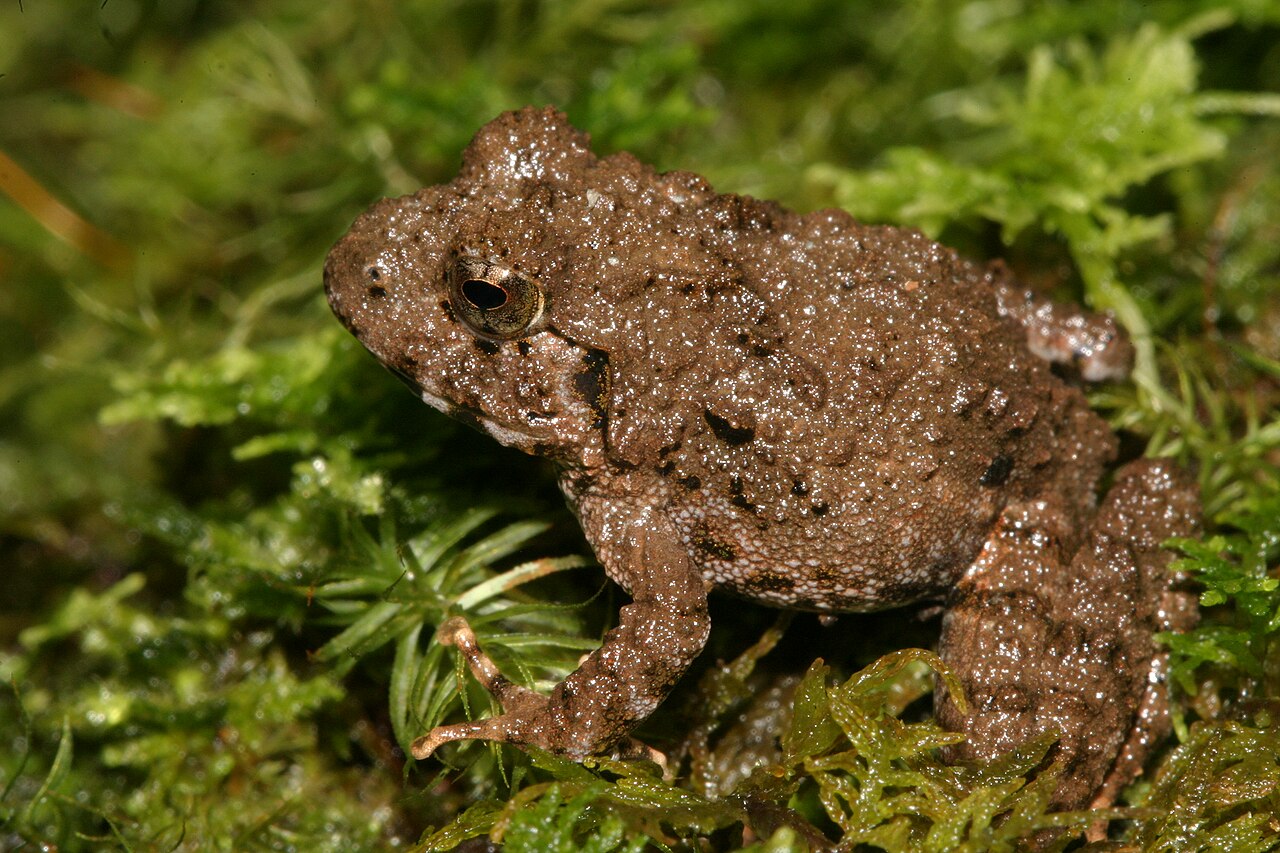
- What Exactly Is Toad Bumpy Skin Made Of?
- Warts, Glands, and Granular Tissue
- Why Toad Bumpy Skin Is a Survival Superpower
- Defense Against Predators
- Camouflage and Crypsis
- Water Retention and Burrowing
- Common Myths About Toad Bumpy Skin
- Do Toads Give You Warts?
- Are Toads Poisonous to Touch?
- Are All Bumpy Amphibians Toads?
- How Toad Skin Compares to Frog Skin
- A Quick Comparison
- Real Toads, Real Facts
- Common Toad (Bufo bufo)
- American Toad (Anaxyrus americanus)
- Cane Toad (Rhinella marina)
- Spadefoot Toads
- What Toads Eat and How They Live
- Why Toads Are Important
- Conservation and the Future of Toads
- The Warty Truth: Bumps Are Built for Survival
- ❓ Frequently Asked Questions
The question of why toads have such famously rough, bumpy skin has puzzled and fascinated people for centuries — and the answer is far more interesting than the old myth about warts. Toad bumpy skin is not a disease, not a sign of age, and definitely not something you can catch by touching one. It is a highly functional, carefully evolved feature that helps toads survive in some of the toughest environments on Earth. In this article, we will dig into the anatomy, biology, and behavior behind those warts, separate fact from folklore, and explain why a toad's skin may be its single most important survival tool.
What Exactly Is Toad Bumpy Skin Made Of?
To understand the bumps, you first need to understand the skin itself. A toad's skin is not the same as a mammal's. It is thin, permeable, and richly supplied with blood vessels and glands. Unlike our own skin, it allows water and gases to pass in and out of the body. That permeability is a double-edged sword: it lets toads absorb moisture and even breathe through their skin, but it also makes them vulnerable to drying out and to absorbing toxins from the environment.
The bumps on a toad's back and sides are formed by clusters of specialized skin glands embedded in the dermis, the inner layer of the skin. These glands sit just beneath the surface and push the skin upward, creating the characteristic wart-like texture. The most famous of these are the parotoid glands, two large, raised lumps located just behind the eyes and above the shoulders. These are not random bumps — they are the toad's chemical defense factories.
Warts, Glands, and Granular Tissue
What we casually call "warts" are technically granular glands. Each one is a small sac filled with a milky or whitish secretion. When a toad feels threatened, muscles around these glands can contract and squeeze the secretion onto the skin's surface. The result is a slippery, foul-tasting, and sometimes toxic coating that convinces predators to spit the toad out and look for an easier meal.
The larger bumps are usually concentrated on the back, shoulders, and legs — the areas most likely to be grabbed by a hungry snake, bird, or raccoon. This is not a coincidence. Evolution has placed the toad's chemical weapons exactly where they are most needed.
Why Toad Bumpy Skin Is a Survival Superpower
If you compare a toad to a frog, the difference in texture is striking. Frogs tend to have smooth, moist, slippery skin. Toads have dry, warty, leathery skin. That contrast reflects two very different lifestyles, and the bumpy skin is central to the toad's approach.
Defense Against Predators
The primary function of those bumps is defense. Many toad species, including the common toad (Bufo bufo) and the American toad (Anaxyrus americanus), produce toxins known as bufotoxins and bufogenins from their granular glands. These compounds can cause vomiting, irritation, and in some cases cardiac effects in predators that bite or swallow them.
Not every toad is highly toxic. The cane toad (Rhinella marina), native to Central and South America but introduced to Australia and elsewhere, is one of the most notorious. Its parotoid glands can exude a potent milky toxin that has killed domestic dogs and even crocodiles that tried to eat it. The bumps, in other words, are not decorative — they are loaded weapons.
Even the texture itself helps. A bumpy, dry surface is harder for a predator to grip than smooth, slimy skin. When a snake strikes, the toad's rough skin and inflated body can make it difficult to swallow. Some toads also puff themselves up with air when threatened, making themselves look larger and harder to handle.
Camouflage and Crypsis
Bumpy skin also breaks up the toad's outline. In dappled light, on leaf litter, or against rough bark, a warty texture creates small shadows and highlights that mimic the surrounding environment. This is a form of camouflage called crypsis. A smooth-skinned animal reflects light in a more uniform way and can stand out; a bumpy one blends in.
Many toads take this further with color patterns that match their habitat. The American toad, for example, is usually brown, olive, or reddish with darker spots, while the oak toad (Anaxyrus quercicus) of the southeastern United States is smaller and more patterned to match sandy soils and pine woods.
Water Retention and Burrowing
One of the most underrated functions of bumpy skin is water management. Toads are generally more terrestrial than frogs and often live in drier habitats — gardens, grasslands, forests, and even deserts. Their skin is thicker and less permeable than a frog's, which reduces water loss. The bumps and folds increase surface area slightly and create micro-textures that can trap a thin film of moisture.
Many toads are also burrowers. The spadefoot toads (family Scaphiopodidae), for instance, have hardened, shovel-like structures on their hind feet that let them dig backward into the soil. Their bumpy skin helps them pack dirt and retain moisture while underground. During dry periods, some species enter a state called estivation, slowing their metabolism and waiting out the heat in a burrow until rain returns.
Common Myths About Toad Bumpy Skin
Let us clear up the folklore, because misinformation about toads is widespread and can lead to unnecessary fear — or worse, cruelty toward these harmless and beneficial animals.
Do Toads Give You Warts?
No. This is probably the most persistent animal myth in the English-speaking world. Warts on humans are caused by human papillomaviruses (HPVs), which are species-specific. A toad's bumps are glands, not viral lesions, and they cannot infect you. You cannot catch warts from a toad, a frog, or any other amphibian.
Are Toads Poisonous to Touch?
For most people, handling a toad is safe if you wash your hands afterward. The toxin is primarily a defense against being eaten, not touched. However, the secretion can irritate eyes, mouths, and broken skin. It is important to avoid touching your face after handling a toad, and to keep dogs and cats from mouthing them. Some large species, like the cane toad, should be handled with gloves or not at all.
Are All Bumpy Amphibians Toads?
Not exactly. "Toad" is a common name rather than a strict scientific category. Many frogs have bumpy skin, and some toads are relatively smooth. The true toads belong to the family Bufonidae, which includes over 600 species worldwide. But the word "toad" is also used for unrelated amphibians that happen to look and behave in similar ways — a good example of convergent evolution.
How Toad Skin Compares to Frog Skin
Putting a frog and a toad side by side reveals how different their survival strategies are. Frogs typically have smooth, moist skin and long hind legs built for jumping and swimming. They usually live near water or in humid environments. Toads have dry, bumpy skin, shorter legs, and a more squat body. They are walkers and hoppers rather than leapers, and they can tolerate drier conditions.
This is not a matter of one being "better." Both are successful designs. Frogs rely on speed, moisture, and often aquatic habitats. Toads rely on camouflage, chemical defense, and toughness. The bumpy skin is the visible signature of that toughness.
A Quick Comparison
- Skin texture: Frogs — smooth and moist; toads — dry and bumpy.
- Habitat: Frogs — often aquatic or damp; toads — more terrestrial, including dry areas.
- Movement: Frogs — long jumps; toads — short hops or walking.
- Defense: Frogs — escape and camouflage; toads — toxins and inflation.
- Eggs: Frogs — usually laid in clusters in water; toads — laid in long strings in water.
Real Toads, Real Facts
To appreciate the bumpy skin fully, it helps to know some of the animals that wear it. Here are a few notable toads and what makes them remarkable.
Common Toad (Bufo bufo)
Found across Europe, western Asia, and North Africa, the common toad can grow to about 15 centimeters (6 inches) in length, with females larger than males. It lives in woodlands, gardens, and hedgerows, and it returns to ancestral breeding ponds each spring. Common toads can live for 10 to 12 years in the wild, and some individuals have reached 40 years in captivity. Their bumpy skin is usually brown or olive, and their parotoid glands are prominent.
American Toad (Anaxyrus americanus)
Common in eastern North America, the American toad grows to roughly 5 to 9 centimeters (2 to 3.5 inches). It eats a wide range of invertebrates, including beetles, ants, slugs, and worms. Its call is a long, high-pitched trill that can last up to 30 seconds. The skin is covered in warts, and the parotoid glands are oval-shaped.
Cane Toad (Rhinella marina)
The cane toad is one of the largest toads in the world, reaching up to 24 centimeters (9.4 inches) and weighing over a kilogram (2.2 pounds). Native to the Americas, it was introduced to Australia in 1935 to control sugarcane beetles — a decision that became one of the most famous ecological disasters in history. Its toxic skin has harmed native predators, and its spread continues to be a major conservation issue.
Spadefoot Toads
Spadefoot toads are not true bufonids, but they are called toads because of their appearance and habits. They live in arid regions of North America and Europe, spending most of the year underground. When heavy rain falls, they emerge to breed in temporary pools, sometimes completing the entire process in a matter of days.
What Toads Eat and How They Live
Toads are carnivorous. They eat insects, spiders, worms, slugs, snails, and other small invertebrates. Larger species may take small vertebrates, including mice and smaller frogs. Most toads are ambush predators: they sit still, wait for prey to come close, and then flick out a sticky tongue to capture it.
Their daily lives are often nocturnal or crepuscular, meaning they are most active at dusk and at night. During the day, they hide under logs, stones, leaf litter, or in burrows. This behavior helps them avoid predators and conserve water — another way their tough, bumpy skin supports their lifestyle.
Breeding usually happens in spring or after heavy rains. Females lay eggs in water, often in long gelatinous strings. Tadpoles hatch and develop into small toadlets, which then leave the water and begin their terrestrial lives. Depending on the species, toads may live 5 to 15 years in the wild, with some reaching much older ages in captivity.
Why Toads Are Important
Toads are valuable allies for gardeners and farmers. A single adult toad can eat thousands of insects over a season, including pests like beetles and slugs. They are also food for snakes, birds, and mammals, making them an important link in food webs. Their permeable skin makes them sensitive to pollution, so healthy toad populations are often a sign of a healthy environment.
Conservation and the Future of Toads
Like many amphibians worldwide, toads are facing serious threats. Habitat loss, pollution, climate change, and disease — particularly the fungal infection chytridiomycosis — have caused declines in many species. The International Union for Conservation of Nature (IUCN) lists numerous toad species as vulnerable, endangered, or critically endangered.
Because toads depend on both aquatic and terrestrial habitats, they are especially vulnerable to changes in land use. Draining ponds, paving over fields, and using pesticides can wipe out local populations. Road mortality is another major issue, particularly during spring migrations when thousands of toads cross roads to reach breeding sites.
There are ways to help. Building a small garden pond, leaving leaf litter and log piles, avoiding pesticides, and participating in local "toad patrol" groups can all make a difference. These simple actions support the animals whose bumpy skin has evolved to survive so many challenges — and they remind us that even the warts have a purpose.
The Warty Truth: Bumps Are Built for Survival
Toad bumpy skin is one of nature's most misunderstood features. What looks like a defect is actually a sophisticated system of glands, toxins, camouflage, and water management. The bumps defend against predators, help toads blend into their surroundings, and allow them to thrive in habitats where smooth-skinned amphibians would quickly dry out. The old story about getting warts from a toad is not just false — it obscures the real wonder of how these animals survive. Next time you see a toad sitting quietly in the garden, take a closer look. Those bumps are not flaws. They are armor, camouflage, and chemistry, all rolled into one remarkable animal.
❓ Frequently Asked Questions
💬 Are toad bumps actually warts?
No, the bumps on a toad's skin are not warts in the human sense and cannot be caught from touching a toad. They are raised glands and thickened skin, not viral growths. Touching a toad won't give you warts.
💬 Can you get warts from touching a toad?
No, you cannot get warts from a toad. Human warts are caused by human papillomaviruses, which are completely different from anything on a toad's skin. The old myth likely comes from the wart-like appearance of the bumps.
💬 What are the bumps on a toad's skin for?
The bumps are mostly poison glands and thickened, keratinized skin that help protect the toad. Some glands, like the parotoid glands behind the eyes, release toxins that deter predators. The bumpy texture also helps camouflage them against rough ground.
💬 Do all toads have bumpy skin?
Most true toads (family Bufonidae) have noticeably bumpy, dry skin, but the amount of bumpiness varies by species. Some toads are relatively smooth, and a few frogs are bumpy too, so skin texture alone isn't a perfect way to tell them apart.