- Step One: Rule Out Medical Causes for Cat Pooping Outside Litter Box
- Gastrointestinal Distress and Diarrhea
- Arthritis and Mobility Issues
- Cognitive Dysfunction Syndrome (CDS)
- Litter Box Aversion: The #1 Reason for Cat Pooping Outside Litter Box
- The Size and Shape of the Box
- Litter Substrate Preferences
- Cleanliness and Depth
- Territorial and Stress-Related Fecal Marking
- Multi-Cat Household Dynamics
- Environmental Stress and Routine Changes
- The "Dirty Laundry" Syndrome
- Negative Associations and Learned Avoidance
- Reconditioning the Cat
- How to Clean and Neutralize Accident Spots Effectively
- The Proper Cleaning Protocol
- Blocking Off Re-Offending Areas
- Practical Solutions and Behavioral Modification Techniques
- The "Box in a Box" and Location Strategy
- Routine and Enrichment
- When to Seek Professional Help
- Conclusion: Patience is Your Greatest Tool
- ❓ Frequently Asked Questions
Dealing with a cat pooping outside litter box is one of the most frustrating and confusing issues a pet owner can face, but it is also one of the most common behavioral problems in feline companions. Unlike urinating outside the box, which often signals a urinary tract infection, fecal accidents are frequently rooted in deeply ingrained instincts, environmental stressors, or medical conditions that demand a detective’s eye. Before you lose your temper or consider rehoming your furry friend, understand that your cat is not being “bad” or spiteful; they are communicating distress in the only language they know. This guide will walk you through every possible cause, from medical emergencies to litter box preferences, and provide actionable, step-by-step solutions to restore harmony in your home.
Step One: Rule Out Medical Causes for Cat Pooping Outside Litter Box
The very first call you should make is to your veterinarian. Many pet owners waste weeks trying behavioral modifications when the root cause is a painful physical ailment. Cats are masters at hiding pain, and defecating outside the box is often a cry for help. If your cat associates the litter box with pain, they will begin to avoid it entirely, seeking out softer, cooler, or more secluded spots to relieve themselves.
Gastrointestinal Distress and Diarrhea
If your cat has sudden diarrhea, the urgency can make it impossible for them to reach the litter box in time. Conditions like inflammatory bowel disease (IBD), food allergies, or parasitic infections like Giardia can cause explosive, unpredictable bowel movements. A cat with chronic constipation may also strain painfully in the box, then associate that pain with the box itself, leading them to poop elsewhere. Track your cat’s stool consistency. If you see mucus, blood, or undigested food, a vet visit is non-negotiable.
Arthritis and Mobility Issues
Older cats, especially those over ten years old, frequently suffer from osteoarthritis. A standard litter box with high sides can be a painful hurdle for a stiff-jointed cat. Imagine trying to climb a wall every time you need the bathroom. If your cat has arthritis, they may stand at the edge of the box and poop right outside it because stepping inside hurts. Look for signs like hesitancy to jump, reduced grooming, or a stiff gait. The solution here is a low-entry litter box, ideally one with a cut-out front, placed on the same floor level your cat spends most of their time.
Cognitive Dysfunction Syndrome (CDS)
For senior felines, cognitive decline is similar to Alzheimer’s in humans. Cats with CDS often forget their litter box location or the proper elimination routine. They may wander into a room, look confused, and simply squat. If your cat is over 15 years old and shows other signs like vocalizing at night, staring at walls, or sleeping at odd hours, this could be the culprit. In this case, you must increase the number of litter boxes and place them in highly visible, easily accessible areas, even if that means putting one in your hallway.
Litter Box Aversion: The #1 Reason for Cat Pooping Outside Litter Box
If your vet gives your cat a clean bill of health, the next suspect is the litter box itself. Cats are incredibly fastidious creatures, and if the box fails their high standards, they will vote with their paws. The rule of thumb is to have one litter box per cat, plus one extra. So, if you have two cats, you need three boxes. But quantity isn't enough; the quality of the box and substrate matters just as much.
The Size and Shape of the Box
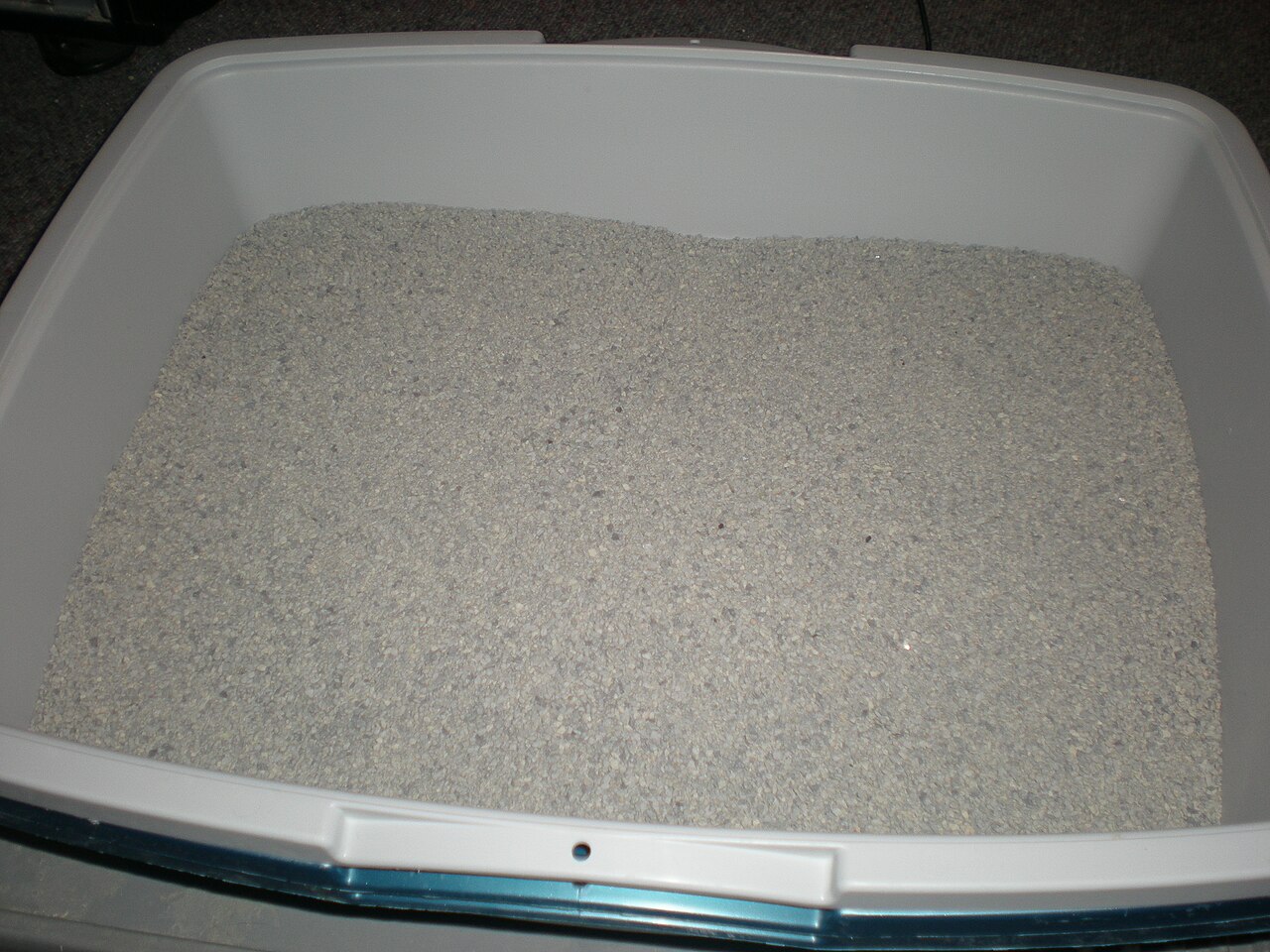
Most commercial litter boxes are simply too small for adult cats. A cat needs enough room to turn around, dig, and squat comfortably. A good rule is that the box should be at least 1.5 times the length of your cat from nose to tail base. If you have a large breed like a Maine Coon, a standard 18-inch box is a torture chamber. Consider using a large storage tote (with the lid cut off) as a DIY litter box. Covered boxes are a common trigger for pooping outside the box because they trap odor and make the cat feel trapped, especially if they are being bullied by another cat. Always opt for an open, high-sided, spacious box.
Litter Substrate Preferences
Cats have strong preferences for texture. Most cats prefer fine-grained, clumping, unscented litter that mimics the soft sand or soil of their wild ancestors. If you recently switched from clay to pine pellets or added a strong lavender scent, your cat may rebel. A study by the Cornell Feline Health Center found that most cats prefer unscented clumping litter with a particle size similar to sand. Offer a buffet of options: place two boxes side-by-side, one with your old litter and one with the new, and see which one they choose.
Cleanliness and Depth
You would not want to use a toilet that hasn't been flushed in three days, and your cat feels the same way. You should scoop solid waste at least once daily, but if you are dealing with a finicky cat, scoop twice. Deep clean the entire box with mild soap and warm water weekly—never use ammonia-based cleaners, as they smell like urine to a cat and encourage them to mark that spot again. Keep the litter depth between 2 and 3 inches. Too little litter prevents digging; too much can make the paw-feel unpleasant.
Territorial and Stress-Related Fecal Marking
Unlike urine marking (spraying), which is usually vertical, fecal marking is almost always horizontal. If your cat is pooping in prominent places like your bed, the middle of the living room floor, or in front of a door, they are likely marking their territory. This is particularly common in multi-cat households where resources are scarce or where a new cat has been introduced.
Multi-Cat Household Dynamics
If you have more than one cat, you have a social hierarchy at play. A submissive cat may be “ambushed” by a dominant cat on their way to the litter box. If the dominant cat sits near the box and blocks the path, the submissive cat will avoid the box entirely and poop in a “safe” zone instead. Watch your cats’ interactions near the litter area. If you see hissing, staring, or chasing, you need to separate resources. Place litter boxes in different rooms, not side-by-side. A dominant cat can guard two boxes in the same room, but they cannot guard boxes in different rooms simultaneously.
Environmental Stress and Routine Changes
Cats are creatures of habit, and any disruption can trigger a bout of pooping outside the box. A new baby, a move to a new house, new furniture, or even a change in your work schedule can cause anxiety. In the wild, a stressed cat might use feces to “comfort” themselves by spreading their scent in familiar areas. If you recently moved, set up the litter box in a quiet, low-traffic area first, and gradually move it to your desired location over a period of weeks. Using a synthetic feline facial pheromone diffuser (like Feliway) in the room where the accidents occur can significantly reduce stress-related marking.
The "Dirty Laundry" Syndrome
Sometimes, cats choose to poop on soft, absorbent surfaces like piles of laundry, rugs, or bath mats. This is often a texture preference issue. If your cat consistently poops on your bath mat, they may find the soft texture more comfortable than the hard litter. The solution is to temporarily remove all rugs and mats from the house, or turn them upside down so the rough backing is exposed. Once the cat is consistently using the litter box for a month, you can slowly reintroduce the rugs.
Negative Associations and Learned Avoidance
Sometimes, the problem isn't the box itself, but a traumatic event that occurred near the box. If your cat was startled by a loud noise (like a washing machine kicking on) while using the box, they may have developed a phobia. Similarly, if you have ever punished your cat for an accident by rubbing their nose in it or yelling, you have created a severe negative association. Cats do not understand punishment; they only understand that you are a threat. This fear can generalize to the litter box area, making them avoid it at all costs.
Reconditioning the Cat
To break this cycle, you must completely reset the environment. Move the litter box to a new, quiet location that the cat has never associated with fear. Use a brand-new box, not a scrubbed version of the old one. If you have to reuse the old box, replace it. Introduce a completely new type of litter. Then, start a “treat jackpot” routine: every time you see your cat sniffing or walking near the new box, toss a high-value treat inside it. This rewires their brain to associate the box with positive outcomes rather than fear.
How to Clean and Neutralize Accident Spots Effectively
If you can still smell the accident, your cat will still go there. Cats have an olfactory sense that is roughly 14 times stronger than a human’s. Standard household cleaners, especially bleach, do not eliminate the uric acid and bacteria in feces and urine. In fact, bleach contains chlorine, which can react with ammonia in urine to create a smell that attracts cats back to the spot.
The Proper Cleaning Protocol
You must use an enzymatic cleaner specifically designed for pet waste (look for products with live enzymes that break down proteins). First, remove the solid waste. Then, saturate the area thoroughly with the enzymatic cleaner—do not just spray a mist; you need to soak the area down to the padding or subfloor if it's carpet. Let it air dry completely. Do not use a steam cleaner, as the heat will set the protein stain permanently. For hard floors, use a 50/50 vinegar and water solution after the enzymatic cleaner to neutralize any residual odor.
Blocking Off Re-Offending Areas
While the smell is being neutralized, you need to physically block the area. Move furniture over the spot, place aluminum foil on the floor (cats hate the texture and sound), or use a motion-activated air spray canister (like Ssscat) to startle the cat away from the area. For vertical surfaces, apply double-sided sticky tape to the baseboards. This is not a punishment; it’s a management strategy to break the habit loop while you fix the underlying issue.
Practical Solutions and Behavioral Modification Techniques
Once you have addressed the medical, environmental, and litter box issues, you should proactively encourage the correct behavior. The goal is to make the litter box the most appealing place in the house to do business.
The "Box in a Box" and Location Strategy
Place litter boxes in quiet, low-traffic areas where the cat has a clear line of sight to escape routes. Avoid placing them next to their food and water bowls—cats are instinctively driven to eliminate far away from their eating area. If your cat is pooping near a specific door or window, they might be reacting to seeing outdoor cats. Block the view with frosted window film or close the blinds. Consider adding a second box in the exact spot where they have been having accidents, then gradually move it a few inches per day toward the desired permanent location.
Routine and Enrichment
A bored cat is a stressed cat. Ensure your cat has ample vertical space (cat trees), scratching posts, and interactive play sessions. A tired cat is less likely to engage in anxiety-based marking. Schedule playtime before feeding to mimic the natural hunt-catch-eat cycle. This reduces cortisol levels and promotes a sense of calm and security.
When to Seek Professional Help
If you have tried all the above for four to six weeks and the behavior persists, it is time to consult a board-certified veterinary behaviorist or a certified cat behavior consultant. They can create a tailored modification plan and may prescribe anti-anxiety medications like fluoxetine or gabapentin, which are often life-savers for severe cases of stress-induced inappropriate elimination.
Conclusion: Patience is Your Greatest Tool
Resolving the issue of cat pooping outside litter box is rarely a quick fix; it is a process of elimination. You must be a veterinarian, a detective, and an interior designer all at once. Remember that your cat is not acting out of malice. They are simply trying to survive in a world that sometimes feels overwhelming. By methodically ruling out medical pain, optimizing the litter box environment, reducing stress, and thoroughly cleaning accidents, you can solve this puzzle. Celebrate small victories, never punish your cat for accidents, and know that with consistency and empathy, you can guide your feline friend back to proper bathroom etiquette. Your bond with your cat will be stronger for having navigated this challenge together.
❓ Frequently Asked Questions
💬 Why is my cat suddenly pooping outside the litter box?
Sudden changes often signal a medical issue like urinary tract infections, constipation, or arthritis, so a vet check is essential first. If health is ruled out, stress, a dirty box, or a change in litter type or location could be the culprit.
💬 How do I stop my cat from pooping on the carpet?
Clean the area thoroughly with an enzymatic cleaner to remove all scent, then make the spot less appealing with aluminum foil or a citrus spray. Also, ensure the litter box is scooped daily, placed in a quiet spot, and consider adding a second box if you have multiple cats.
💬 What does it mean if my cat poops right next to the litter box?
This often indicates the box is too small, too dirty, or has an uncomfortable texture, or the cat has mobility issues like arthritis that make stepping in difficult. Try a larger, low-sided box with unscented, fine-grain litter and keep it spotless.
💬 Can stress cause a cat to poop outside the litter box?
Yes, stress from changes like moving, a new pet or baby, or even rearranged furniture can trigger inappropriate elimination. Provide hiding spots, maintain a routine, and use pheromone diffusers to help your cat feel safe.