- The Proboscis Monkey Nose: A Profile of an Extreme Feature
- Basic Facts and Habitat
- The Proboscis Monkey Nose and the Theory of Sexual Selection
- The Role of Testosterone
- Why a Big Nose Amplifies the Proboscis Monkey Call
- The Physics of a Fleshy Resonator
- Female Choice: What the Big Nose Signals to Mates
- Nose Size and Dominance
- The Surprising Link Between the Nose and Body Heat
- Trade-offs of the Big Nose
- The Female Proboscis Monkey Nose: A Signal of Fertility
- Conservation: Protecting the Future of the Proboscis Monkey
- Conclusion: A Masterpiece of Natural Selection
- ❓ Frequently Asked Questions
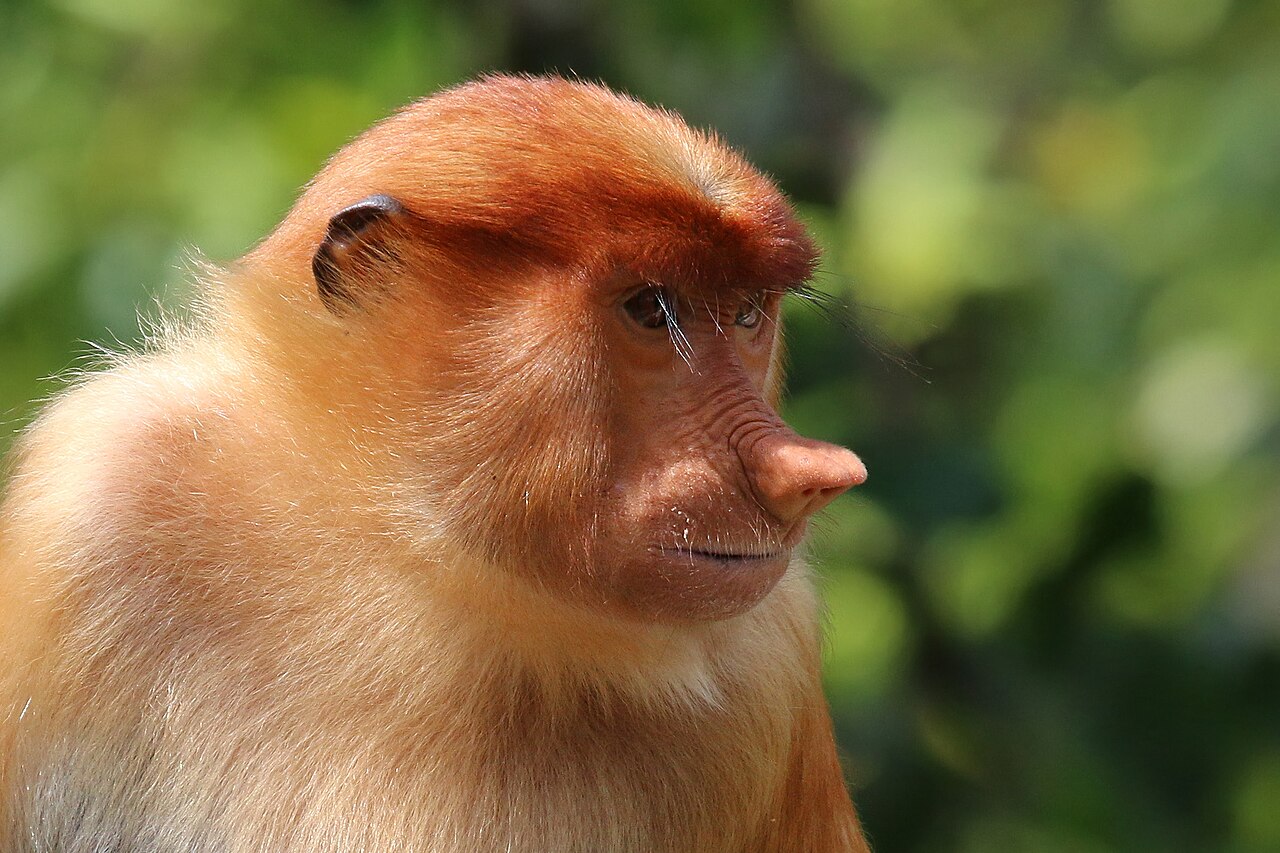
The proboscis monkey nose is one of the most striking and bizarre adaptations in the entire animal kingdom, a fleshy, pendulous appendage that has fascinated scientists and casual observers alike since it was first described by Western naturalists in the 19th century. Found exclusively on the island of Borneo, this endangered primate (Nasalis larvatus) sports a nose so large in males that it can exceed 7 centimeters (2.8 inches) in length, hanging down over the mouth and forcing the animal to push it aside with its hand just to eat. But why would evolution produce such an extravagant facial feature? The answer is not simple vanity; it is a complex cocktail of sexual selection, acoustic physics, and biological signaling that reveals how deeply interconnected an animal's anatomy is with its social life and survival.
The Proboscis Monkey Nose: A Profile of an Extreme Feature
Before diving into the evolutionary "why," it is essential to understand exactly what we are dealing with. The proboscis monkey nose is not just a slightly enlarged organ; it is a biological marvel of disproportionate size. In adult males, the nose is a large, fleshy, elongated organ that droops over the mouth, sometimes reaching lengths of 7 to 10 centimeters. It is so heavy that it has a distinct bulbous tip, and in some individuals, it resembles a small, overripe cucumber attached to the face. Females also have larger-than-average noses compared to other primates, but theirs are far more modest, typically pointing slightly upward or outward rather than hanging down.
The nose's size is a prime example of a sexually dimorphic trait—a characteristic that differs dramatically between the sexes. In this species, the males are also significantly larger overall, weighing up to 24 kilograms (53 pounds) compared to the females' 12 kilograms (26 pounds). This disparity points immediately to a reproductive function, as such traits usually evolve under intense pressure to secure mates. The nose is composed of erectile tissue, which means it can swell and change dimensions slightly with blood flow, particularly when the animal is excited, agitated, or during mating displays.
Basic Facts and Habitat
These monkeys are endemic to Borneo, meaning they are found nowhere else on Earth. They are highly specialized for a life in the coastal mangrove forests and riverine lowland forests. This habitat choice is crucial; they are never found far from water. They are strong swimmers, thanks to partially webbed fingers and toes—an aquatic adaptation that further cements their unique evolutionary path. Their diet consists primarily of leaves, unripe fruits, and seeds, which are tough to digest and require a specialized, multi-chambered stomach similar to that of a cow or a goat to break down. This leafy diet is low in nutrients, which explains why they spend a significant portion of their day resting and digesting, much like other folivores. Their lifespan in the wild is estimated to be around 20 to 25 years, though habitat loss poses a constant threat.
The Proboscis Monkey Nose and the Theory of Sexual Selection
When Charles Darwin first encountered descriptions of the proboscis monkey, he was puzzled by the nose's apparent uselessness. It did not help the animal find food, defend against predators, or fly. Darwin eventually categorized it under his theory of sexual selection, arguing that such traits evolve because they increase an individual's chances of mating, even if they come at a cost to survival. The giant nose is a classic "exaggerated ornament," similar to the peacock's tail or the antlers of an Irish elk. These ornaments do not help the animal survive; if anything, they make life harder. A giant nose is a physical burden, gets in the way of eating, and could potentially be grabbed by a predator.
However, the very fact that an animal can survive and thrive despite carrying such a cumbersome appendage is what makes the nose so valuable as a signal. This is the crux of the "handicap principle," a concept that refines Darwin's original idea. By sporting a massive, impractical nose, a male proboscis monkey is essentially advertising to females: "I have such excellent genes and such robust health that I can afford to waste energy growing this ridiculous organ and still outcompete other males and avoid predators." The nose acts as a reliable indicator of genetic fitness, hormonal health, and overall vitality, because only a truly fit individual can maintain it.
The Role of Testosterone
The growth of the nose is directly linked to testosterone levels. Like the antlers of a deer or the mane of a lion, the proboscis monkey nose requires high levels of testosterone to develop fully. A male with low testosterone will have a smaller nose, indicating lower fertility or dominance. Therefore, when a female looks at a male's nose—and she does spend considerable time inspecting them—she is not just admiring his looks; she is reading a biological report on his health and reproductive potential. This is a powerful selective pressure that pushes nose size to extreme lengths over evolutionary time, generation after generation.
Why a Big Nose Amplifies the Proboscis Monkey Call
While visual signaling is crucial, the proboscis monkey nose may serve an even more practical and immediately critical function: acoustic amplification. In the dense, dark, and visually obstructed environment of the Bornean mangrove, staying in contact with your group is a matter of life and death. There is little point in being able to see a huge nose if you cannot see the monkey attached to it. Sound travels better than light through the thick foliage, and the proboscis monkey has evolved a sophisticated vocalization system that relies heavily on its nose.
Males produce a series of loud, resonant calls, often described as a nasal "honk" or a distinctive "kreech-kreech" sound, which is used to warn off rival males and to announce their presence to females. Scientists who have studied the acoustics of these calls believe that the large nasal cavity acts as a resonance chamber, fundamentally altering the sound that is produced. The nose increases the volume, lowers the pitch, and adds a distinctive quality to the call that makes it carry much further through the forest.
The Physics of a Fleshy Resonator
Think of a musical instrument. A violin is louder and richer in tone than a tin whistle because its larger body vibrates and amplifies the air passing through it. Similarly, the proboscis monkey nose is like a natural trumpet. The inflated, hollow nasal passages allow for greater vibration, creating a deeper, harsher, and more resonant sound. This means a male with a huge nose does not just look like a bigger, stronger individual; he actually sounds like one. The call provides honest information about his body size and fighting ability to competitors far away, potentially preventing dangerous physical confrontations. A male with a small nose cannot fake a deep, booming call, and thus he is less likely to challenge a dominant male or attract a mate from a distance. The nose and the voice are inextricably linked, making the organ a vital tool for social communication.
Female Choice: What the Big Nose Signals to Mates
The visual and acoustic signals produced by the nose culminate in one primary outcome: attracting a female. In many polygynous species, where a single male guards a harem of females, the pressure to be chosen is immense. The proboscis monkey lives in these harems, typically consisting of one dominant male, several females, and their offspring. The resident male must constantly defend his position against bachelor males who challenge him. The females in these groups have a say in who leads them, and they are notoriously picky about their leader's physical attributes.
Studies have shown that female proboscis monkeys show a distinct preference for males with larger noses. When presented with visual models or when choosing between males, they are more likely to approach and remain with the male whose nose is more exaggerated. This is not just about aesthetics; it is about security. A male with a large nose is likely to be older, larger, more dominant, and have superior resistance to parasites and disease. By choosing him, a female secures a mate who can better protect her offspring from infanticide and predation.
Nose Size and Dominance
There is also a strong correlation between nose size and social rank. The alpha male in a troop almost always has the largest nose. When males fight, they do not simply rely on brute force; they perform aggressive displays that include shaking their heads, stretching their lips, and, crucially, showing off their noses. During these confrontations, the nose can become engorged with blood, making it swell and appear even more massive. This visual "size inflation" is a bluffing tactic used to intimidate rivals. If a smaller-nosed male sees his opponent's nose balloon, he may back down, perceiving a superior opponent, avoiding a dangerous fight that could injure both parties. The nose, therefore, is a social regulator, helping to establish a hierarchy without constant physical violence.
The Surprising Link Between the Nose and Body Heat
Interestingly, recent research has suggested that the proboscis monkey nose may have yet another function beyond social signaling: thermoregulation. This hypothesis offers an alternative or complementary explanation for why the nose evolved to be so large, particularly in the hot, humid climate of Borneo. The nose is rich in blood vessels and is highly vascularized. This network of blood vessels allows the monkey to lose excess body heat through the nose, much like how dogs pant or elephants use their large ears.
When the monkey is overheated, blood flows into the nose, where the heat can dissipate into the surrounding air. This evaporative cooling effect is a clever adaptation for an animal that lives in an equatorial climate with temperatures regularly exceeding 30°C (86°F). The larger the nose, the larger the surface area available for heat exchange. This would mean that a big nose provides a physiological advantage, helping the monkey maintain a stable core body temperature while expending energy searching for food.
Trade-offs of the Big Nose
However, this theory is not without its challenges. The nose is relatively rigid and fleshy, not as thin and well-suited for heat exchange as an elephant's ear. Moreover, the monkeys live in the shade of the mangroves and often rest during the hottest part of the day. While thermoregulation might be a contributing factor, most experts agree that it is not the primary driver. It is likely a case of "exaptation"—the nose initially evolved partly to help cool the animal, but once it became a favored trait by females, sexual selection took over, driving it to an extreme size that goes beyond what is physiologically optimal. Nevertheless, the thermoregulatory benefit helps to offset some of the costs of carrying such a large appendage, making it a classic example of a trade-off in evolution.
The Female Proboscis Monkey Nose: A Signal of Fertility
It is easy to focus entirely on the male's nose, but we must not overlook the female's. While the female nose is smaller, it is still disproportionately large compared to other monkey species, and it plays a role in social and sexual dynamics. The size and shape of the female's nose are believed to signal her reproductive status. In many primates, females exhibit physical changes during their estrous cycles to advertise fertility to males. For proboscis monkeys, the nose may serve this function.
When a female is ready to mate, her nose may become more swollen or reddish in color, indicating to males that she is receptive. This is a subtle but crucial form of communication. Additionally, the female's nose size can indicate her age and overall health. Older, more experienced females with larger noses may have higher social standing within the harem and be more successful at protecting their resources. For the male, choosing a female with a healthy nose likely means he will be mating with a female of good genetic stock who can successfully raise his offspring. Therefore, the nose is not just a male ornament; it is a bidirectional signaling mechanism that is integral to the species' entire social structure.
Conservation: Protecting the Future of the Proboscis Monkey
Understanding the biological and evolutionary reasons behind the proboscis monkey nose makes the conservation crisis facing this species even more poignant. They are currently classified as Endangered on the IUCN Red List, with population numbers declining rapidly. Their primary threat is, unsurprisingly, habitat loss. The mangrove forests and riverine habitats they depend on are being cleared at alarming rates for oil palm plantations, aquaculture, and human settlement. As the forests disappear, the monkeys are forced into fragmented pockets of habitat, which are often too small to support viable populations.
Hunting is also a significant threat. While they are protected by law, they are still poached for food in some areas, and young monkeys are captured for the illegal pet trade. The proboscis monkey's inability to live comfortably away from water and its highly specialized diet make it extremely difficult to relocate or keep in captivity outside of a few dedicated conservation centers. The loss of these monkeys would mean the loss of one of the most extraordinary examples of evolutionary adaptation on the planet. The same nose that has fascinated scientists for centuries is putting them at a disadvantage in the face of rapid environmental change, as they simply cannot adapt quickly enough to a world being destroyed by human activity. Conservation efforts are focused on protecting the remaining peat swamp and mangrove forests, establishing wildlife corridors to connect fragmented populations, and engaging local communities in sustainable ecotourism initiatives that place a monetary value on the living monkeys.
Conclusion: A Masterpiece of Natural Selection
The proboscis monkey nose stands as one of the most extreme examples of sexual selection operating in the natural world, a clear reminder that evolution does not strive for comfort or convenience, but for reproductive success. What appears to us as a comical overgrowth is, for the monkey, a badge of honor, a tool for communication, and a guarantee of survival. From the sound of its honking call, which is shaped and amplified by that massive nasal cavity, to the subtle signals of health and dominance it sends to females and rivals, the nose is central to every aspect of its social life. It demonstrates beautifully how a single organ can become a multi-functional instrument for life. As we continue to study these remarkable primates, we gain deeper insight into the forces that shape biodiversity, but we also face the sobering responsibility of ensuring that these magnificent animals—and their incredible noses—do not vanish from the forests of Borneo forever. The proboscis monkey nose is not just an anatomical curiosity; it is a flagship for the entire fragile ecosystem that it calls home, a testament to what is lost when we fail to protect the natural world.
❓ Frequently Asked Questions
💬 Why do proboscis monkeys have such big noses?
The large nose of male proboscis monkeys is a result of sexual selection, meaning females prefer males with bigger noses. A bigger nose also amplifies their nasal calls, which helps males attract mates and assert dominance.
💬 Do female proboscis monkeys have big noses too?
Female proboscis monkeys have smaller, upturned noses that are much less prominent than those of males. The size difference is a key example of sexual dimorphism, with the male's large nose playing a role in mating displays.
💬 Does a proboscis monkey's nose keep growing with age?
Yes, in males the nose continues to grow throughout their lifetime, often extending down past their mouth. Older males typically have the largest noses, which signals their age and status to females and rivals.
💬 Can proboscis monkeys breathe or eat normally with such a large nose?
Yes, their nose does not block breathing or eating, as the nasal passages are still functional. In fact, the large nose may help warm and humidify the air in their humid swamp and riverine habitats, though this is secondary to its role in mating.