- The Genetic Mutation Behind Sphynx Cats Hairless
- How the KRT71 Gene Works
- Recessive Inheritance Explained
- Historical Origins of the Sphynx Breed
- Key Historical Milestones
- Physical Characteristics Beyond the Hairless Trait
- Skin Texture and Color Variations
- Health and Care Implications of Being Hairless
- Diet and Sun Protection
- Common Health Concerns
- Behavioral Traits of Sphynx Cats
- Energy Levels and Exercise Needs
- Comparing Sphynx Cats to Other Hairless Breeds
- Genetic Diversity and Breeding Ethics
- Conclusion: The Marvel of the Sphynx’s Genetic Makeup
- ❓ Frequently Asked Questions
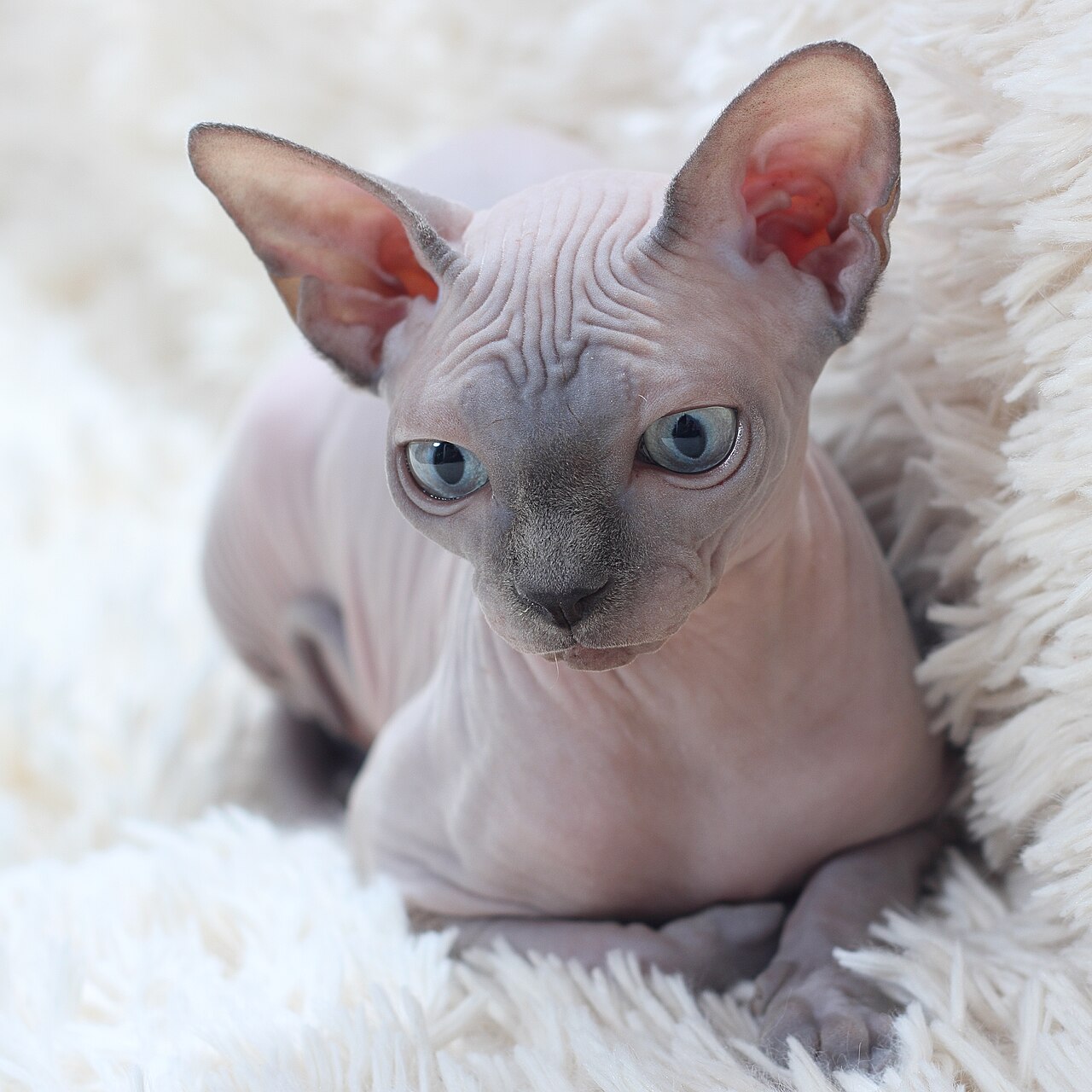
The striking, hairless appearance of Sphynx cats hairless is the result of a specific, naturally occurring genetic mutation that affects the development of hair follicles, making them one of the most recognizable and fascinating feline breeds in the world. Unlike many other cat breeds developed through selective breeding for coat patterns or body type, the Sphynx’s lack of fur is directly tied to a single gene, known as the hairless gene (hr), which has been studied extensively by geneticists and veterinarians alike. This article delves into the genetic truth behind why Sphynx cats are hairless, exploring the science, the breed’s history, and the implications for their health and care.
The Genetic Mutation Behind Sphynx Cats Hairless
The primary reason Sphynx cats are hairless lies in a recessive genetic mutation in the keratin 71 (KRT71) gene. This gene is crucial for the production of keratin, a structural protein that forms hair, skin, and nails. In Sphynx cats, the mutation disrupts the normal growth cycle of hair follicles, preventing the development of a full coat. Instead of producing thick, insulating fur, the follicles produce a fine, downy fuzz—often described as peach fuzz—that is barely visible to the naked eye. This mutation is autosomal recessive, meaning a kitten must inherit two copies of the defective gene (one from each parent) to express the hairless trait. If a cat inherits only one copy, it will have a normal coat but can pass the gene to its offspring.
How the KRT71 Gene Works
The KRT71 gene is part of a family of genes responsible for hair shaft formation. In normal cats, this gene ensures that hair follicles produce robust, structured hairs. In Sphynx cats, the mutation leads to a truncated or malformed keratin protein, which cannot properly assemble into hair fibers. As a result, the follicles produce only short, weak, and often broken hairs that do not emerge fully from the skin. This is why Sphynx cats appear bald but often have a soft, suede-like texture to their skin when touched.
Recessive Inheritance Explained
To understand why Sphynx cats are relatively rare, consider the genetics. If two Sphynx cats (both homozygous for the mutation) are bred, all kittens will be hairless. However, if a Sphynx is bred with a cat carrying the gene but not expressing it (a heterozygous carrier), approximately half the kittens will be hairless, and half will have normal coats. This recessive nature means that breeders must carefully manage breeding programs to avoid health issues while preserving the hairless trait.
Historical Origins of the Sphynx Breed
The Sphynx breed as we know it today originated in the 1960s in Ontario, Canada, when a domestic cat gave birth to a hairless kitten named Prune. This spontaneous mutation was the foundation of the breed. However, the modern Sphynx’s genetic makeup has been refined through selective breeding with other short-haired cats, such as the Devon Rex, to ensure genetic diversity and overall health. The breed was officially recognized by major cat registries in the 1970s and 1980s, and today, Sphynx cats are known for their affectionate, playful, and extroverted personalities.
Key Historical Milestones
- 1966: First hairless kitten, Prune, born in Ontario, Canada.
- 1970s: Breeding programs begin using Devon Rex cats to expand the gene pool.
- 1983: The breed is accepted for championship status by The International Cat Association (TICA).
- 2002: The Cat Fanciers’ Association (CFA) grants full championship status.
Physical Characteristics Beyond the Hairless Trait
While the lack of fur is the most obvious feature, Sphynx cats have several other distinctive physical traits that are linked to their genetic makeup. They have a medium-sized, muscular body with a rounded abdomen, often described as “pot-bellied.” Their heads are wedge-shaped with prominent cheekbones, large lemon-shaped eyes, and oversized ears that are wide at the base. The skin is wrinkled, particularly around the shoulders, forehead, and legs, which adds to their unique appearance. Adult Sphynx cats typically weigh between 6 to 12 pounds, with males being larger than females. Their lifespan averages 8 to 14 years, though with excellent care, some can live into their late teens.
Skin Texture and Color Variations
Because Sphynx cats lack fur, their skin color and patterns are directly visible. They can come in any coat color or pattern, including solid, tabby, tortoiseshell, and pointed (like Siamese). The skin is often described as warm to the touch due to the absence of insulating fur, and it can feel like soft suede or chamois. Their skin also produces more oil than that of furred cats, as the oil normally distributed by the coat accumulates on the skin’s surface.
Health and Care Implications of Being Hairless
The genetic mutation that makes Sphynx cats hairless also influences their health and care requirements. Without fur, they lose body heat more quickly and are prone to sunburn, so they need to be kept indoors and protected from direct sunlight. They also require regular bathing—typically once a week—to remove excess skin oils that can lead to skin infections like acne or dermatitis. Their large ears need frequent cleaning to prevent wax buildup. Additionally, Sphynx cats are prone to certain health conditions, including hypertrophic cardiomyopathy (a form of heart disease) and hereditary myopathy, which are linked to their limited gene pool.
Diet and Sun Protection
Because Sphynx cats have a higher metabolic rate to maintain body heat, they often require a diet higher in calories than furred cats. A high-quality, protein-rich cat food is essential. Owners should also apply pet-safe sunscreen to their cat’s skin if they are exposed to windows or outdoors for short periods. In colder climates, Sphynx cats enjoy wearing sweaters or being cuddled under blankets to stay warm.
Common Health Concerns
- Hypertrophic Cardiomyopathy (HCM): A genetic heart condition common in the breed; regular veterinary screenings are recommended.
- Skin Issues: Acne, yeast infections, and sunburn due to lack of fur.
- Dental Problems: Sphynx cats are prone to periodontal disease; regular teeth brushing is advised.
Behavioral Traits of Sphynx Cats
Sphynx cats are known for their highly social, affectionate, and playful nature. They are often described as “dog-like” because they follow their owners around, greet them at the door, and enjoy being involved in all household activities. They are intelligent and can learn tricks, but they also have a mischievous streak. Sphynx cats crave human companionship and do not do well if left alone for long periods, making them ideal for families or individuals who spend a lot of time at home. They are also known to be good with children and other pets, including dogs.
Energy Levels and Exercise Needs
These cats are moderately to highly energetic and require daily play sessions to burn off energy. Interactive toys, puzzle feeders, and climbing structures are excellent for keeping them mentally and physically stimulated. Without adequate stimulation, they may become bored and develop destructive behaviors like scratching furniture.
Comparing Sphynx Cats to Other Hairless Breeds
While the Sphynx is the most famous hairless cat breed, it is not the only one. Other breeds with similar genetic mutations include the Peterbald (Russian origin), the Donskoy (also Russian), and the Ukrainian Levkoy. Each has a different genetic basis for its hairlessness. For instance, the Donskoy’s hairlessness is caused by a dominant gene, while the Sphynx’s is recessive. The Bambino is a cross between a Sphynx and a Munchkin, resulting in short legs and a hairless body. Understanding these genetic differences is crucial for breeders to maintain health and avoid inherited diseases.
Genetic Diversity and Breeding Ethics
Because the Sphynx’s gene pool is relatively small, ethical breeders prioritize outcrossing with other breeds, such as the Devon Rex or Cornish Rex, to introduce genetic diversity and reduce the risk of inherited health issues. Responsible breeders also screen their cats for HCM and other genetic conditions before breeding.
Conclusion: The Marvel of the Sphynx’s Genetic Makeup
The hairless appearance of Sphynx cats is a testament to the power of a single genetic mutation and the careful work of dedicated breeders. The recessive KRT71 gene mutation not only explains why Sphynx cats are hairless but also shapes their unique care needs, health considerations, and endearing personalities. While they may require extra attention in terms of warmth, skincare, and diet, their affectionate and playful nature makes them beloved companions for those willing to meet their needs. Understanding the genetic truth behind the Sphynx cat’s lack of fur deepens our appreciation for this remarkable breed and highlights the intricate relationship between genetics, appearance, and behavior in the animal world.
❓ Frequently Asked Questions
💬 What gene causes Sphynx cats to be hairless?
The hairlessness is caused by a recessive mutation in the keratin 71 (KRT71) gene, which affects the development of hair shafts, leading to a fine, downy fuzz rather than a full coat.
💬 Are Sphynx cats truly 100% hairless?
No, Sphynx cats are not completely hairless; they are covered in a very thin, soft down that feels like suede or peach fuzz, which is often invisible to the eye.
💬 Is the hairless gene in Sphynx cats linked to health problems?
The KRT71 mutation itself does not directly cause major health issues, but Sphynx cats are prone to skin conditions like sunburn and acne, as well as genetic heart disease (hypertrophic cardiomyopathy) due to breed-specific breeding practices.
💬 Can two hairless Sphynx cats produce kittens with fur?
Yes, because the hairless trait is recessive, two Sphynx cats can produce a coated kitten if both carry a hidden dominant fur gene, though this is rare in purebred lines.