- The Anatomy of the Aye-Aye Finger: A Specialized Tool
- Comparison with Other Digits
- Why the Aye-Aye Finger Evolved: The Tap-Scanning Process
- Evidence from Field Studies
- The Aye-Aye Finger in Folklore and Human Perception
- Diet and Habitat: The Finger's Ecological Niche
- Lifespan and Reproduction
- Comparative Anatomy: How the Aye-Aye Finger Stacks Up
- Conservation Status and the Future of the Aye-Aye Finger
- Conclusion: A Finger Unlike Any Other
- ❓ Frequently Asked Questions
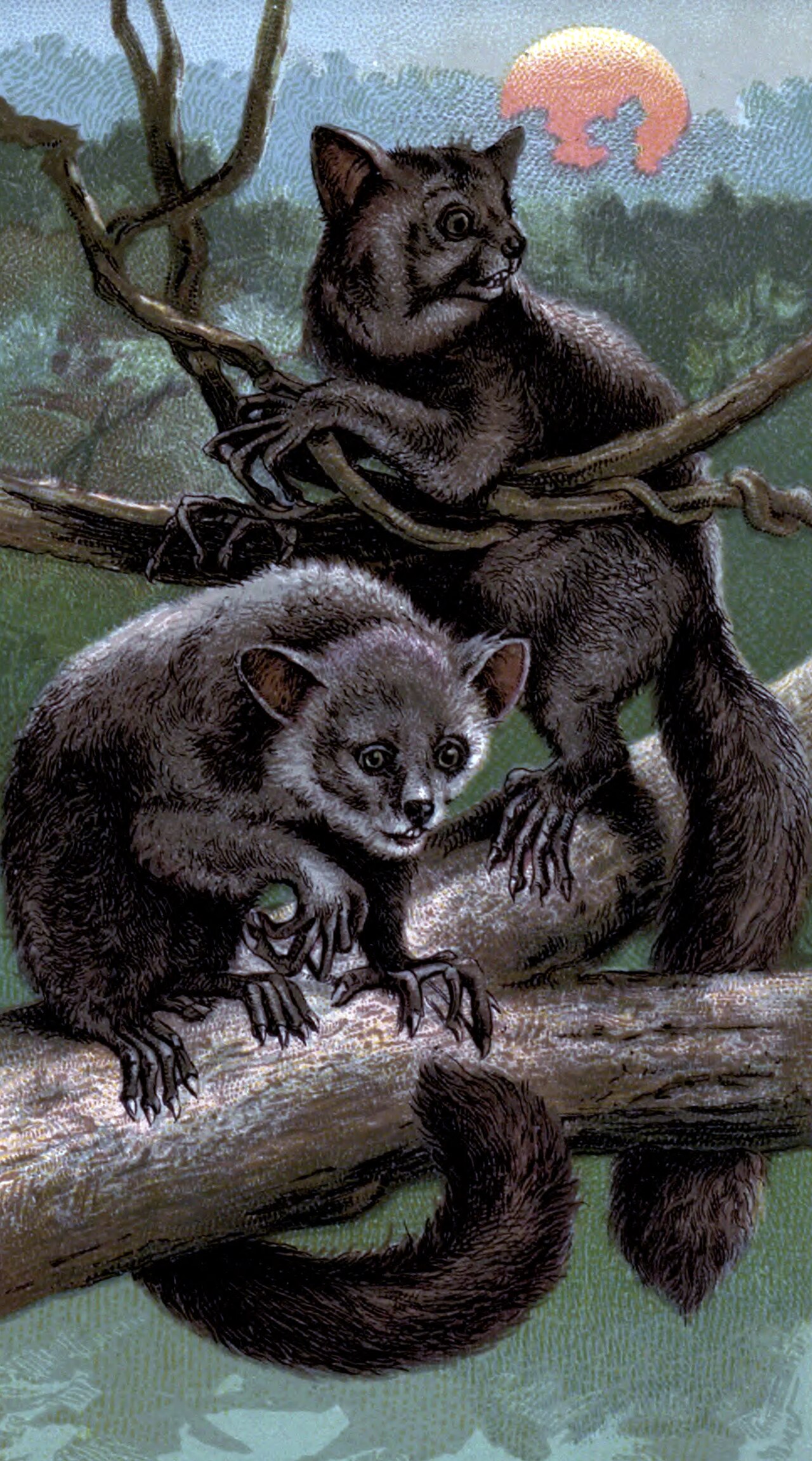
The aye-aye finger is one of the most extraordinary and misunderstood adaptations in the animal kingdom, a slender, skeletal-looking digit that has fascinated scientists and horrified folklore alike. Native only to the rainforests of Madagascar, the aye-aye (Daubentonia madagascariensis) uses this bizarre middle finger for a unique foraging technique called percussive foraging, or "tap-scanning." This article delves deep into the evolutionary, anatomical, and behavioral reasons behind this strange appendage, revealing how it transforms a seemingly grotesque feature into a marvel of natural engineering.
The Anatomy of the Aye-Aye Finger: A Specialized Tool
The aye-aye's most striking feature is its elongated, thin, and highly flexible third finger, which can be almost twice the length of its other digits. Unlike the robust, grasping fingers of other primates, the aye-aye finger is specialized for precision and sensitivity. It is covered in a thin layer of skin that lacks a thick pad, giving it a skeletal appearance. The finger's metacarpal bone is unusually long, and the joint at the base allows for an extraordinary range of motion—nearly 180 degrees of rotation. This flexibility is crucial for reaching into narrow crevices in tree bark.
Underneath the skin, the aye-aye finger houses a dense network of mechanoreceptors, particularly Pacinian corpuscles. These specialized nerve endings are exquisitely sensitive to vibrations and pressure changes, allowing the aye-aye to detect subtle echoes and movements within wood. The finger acts like a biological stethoscope, picking up the faint sounds of insect larvae tunneling beneath the bark. The nail on this finger is also unique: it is not a flat nail but a long, curved, claw-like structure that grows continuously, much like a rodent's incisor. This claw is used to gouge into wood after tapping reveals a prey location.
Comparison with Other Digits
While the third finger is the star, the other digits are equally specialized. The thumb is opposable, providing a strong grip for climbing and holding branches. The second finger is short and robust, used for manipulating food and grooming. The fourth and fifth fingers are also functional for grasping. However, the aye-aye finger is so specialized that it is essentially a dedicated tool, not a typical grasping digit. In fact, the aye-aye’s hand is the only known primate hand where the third digit has been evolutionarily repurposed for a non-grasping function.
Why the Aye-Aye Finger Evolved: The Tap-Scanning Process
The primary function of the aye-aye finger is to execute a highly sophisticated foraging strategy known as percussive foraging. This process involves three distinct steps: tapping, listening, and gouging. First, the aye-aye uses its elongated finger to rapidly tap on tree bark, at a rate of up to 8 taps per second. This tapping generates vibrations that travel through the wood. The aye-aye then listens for the subtle acoustic differences between hollow chambers (where larvae might be) and solid wood. This is not mere guesswork; studies have shown that aye-ayes can discriminate between different echo patterns with remarkable accuracy.
Once a potential prey item is detected, the aye-aye uses its rodent-like incisors to gnaw a hole in the bark. These incisors are ever-growing and exceptionally strong, capable of chewing through hard wood. Then, the aye-aye finger comes into play again: the thin, flexible digit is inserted into the hole to extract the grub or larva. The claw on the finger acts like a hook, snagging the soft-bodied prey and pulling it out. This entire process is a masterclass in efficiency, combining acoustic detection, excavation, and extraction into a single, fluid movement.
Evidence from Field Studies
Field researchers have documented that aye-ayes spend up to 80% of their foraging time engaged in this tap-scanning behavior. In one study, scientists observed a single aye-aye tapping over 1,000 times in a single night, successfully extracting larvae from about 20% of the holes it created. This success rate is remarkably high for a predator that relies on acoustic cues, highlighting the precision of the aye-aye finger. The finger is not just a tool for finding food; it is a key to a niche that few other mammals can exploit: the hidden world of wood-boring insect larvae.
The Aye-Aye Finger in Folklore and Human Perception
Unfortunately, the aye-aye finger has been the source of deep-seated superstition and fear in Madagascar. Local folklore often describes the aye-aye as a harbinger of death or misfortune. One common belief is that if an aye-aye points its long, bony finger at a person, that person is marked for death. Another legend says that the aye-aye will sneak into villages at night and use its finger to pierce the hearts of sleeping humans. These myths have led to widespread persecution, with many aye-ayes killed on sight. The finger, which is a marvel of evolution, is misinterpreted as a weapon of doom.
This negative perception has serious conservation consequences. The aye-aye is currently listed as Endangered on the IUCN Red List, with habitat loss and hunting being the primary threats. The bizarre appearance of the aye-aye finger, combined with its nocturnal habits and eerie calls, makes it an easy target for fear-driven killings. Conservation organizations work tirelessly to educate local communities about the aye-aye's ecological role as a natural pest controller, but the stigma persists. Understanding the true function of the aye-aye finger is the first step in dispelling these harmful myths.
Diet and Habitat: The Finger's Ecological Niche
The aye-aye's diet is intimately linked to its specialized finger. While insect larvae make up a significant portion of its food, the aye-aye is an omnivore with a varied menu. It also consumes nectar, fruits, nuts, and fungi. In fact, the aye-aye finger is equally adept at extracting nectar from flowers. The aye-aye will insert its long finger into blossoms to lap up the sweet liquid, acting as a pollinator for certain tree species. This dual role—predator and pollinator—underscores the versatility of the aye-aye finger.
Aye-ayes inhabit a range of forest types across Madagascar, from humid rainforests in the east to dry deciduous forests in the west. They are arboreal, spending most of their lives in the canopy. Their large, sensitive ears and reflective eyes are adaptations for nocturnal life. Aye-ayes are solitary, with overlapping home ranges that can span up to 100 hectares for males. They communicate through a variety of vocalizations and scent markings. The aye-aye finger is crucial not only for foraging but also for social interactions, as individuals use their fingers to groom and explore their environment.
Lifespan and Reproduction
In the wild, aye-ayes have an estimated lifespan of 15-20 years, though captive individuals can live into their 30s. Females give birth to a single offspring after a gestation period of about 170 days. The young aye-aye is born with all its fingers, but the elongated third finger is not fully developed until several months of age. The mother carries the infant for the first few months, and the young aye-aye learns foraging techniques by observing her. The aye-aye finger is a learned tool, with young animals gradually mastering the complex tap-scanning process through trial and error.
Comparative Anatomy: How the Aye-Aye Finger Stacks Up
To appreciate the uniqueness of the aye-aye finger, it helps to compare it with similar adaptations in other animals. The most famous parallel is the woodpecker, which uses its beak to drum on trees and detect insects. However, the aye-aye’s method is more refined, using a single finger as both a percussion instrument and a sensory probe. Another comparison is the striped possum (Dactylopsila trivirgata) of New Guinea, which also has an elongated fourth finger used for extracting grubs. However, the striped possum lacks the aye-aye’s specialized auditory system and taps less frequently.
Among primates, the aye-aye is in a class of its own. No other primate has a digit so radically modified for a specific foraging task. The aye-aye finger is analogous to the chisel-like incisors of a beaver or the long tongue of an anteater—a specialized tool that unlocks a unique food source. This evolutionary path is a testament to the power of natural selection in isolated environments like Madagascar, where competition for resources is intense and innovation is rewarded.
Conservation Status and the Future of the Aye-Aye Finger
Despite its remarkable adaptations, the aye-aye faces an uncertain future. Deforestation, driven by slash-and-burn agriculture and logging, is destroying its habitat at an alarming rate. Additionally, the aye-aye is often killed as a crop pest, particularly in coconut plantations, where it is accused of damaging trees. However, studies show that aye-ayes actually help control pest insects. The aye-aye finger, which makes it such an efficient forager, also makes it a target for persecution.
Captive breeding programs, such as those at the Duke Lemur Center in the United States and the Jersey Zoo in the UK, have had some success. However, reintroduction into the wild is challenging due to habitat loss and ongoing threats. Education is key: teaching local communities that the aye-aye finger is a tool for survival, not a weapon of death, can reduce killing. Ecotourism, where visitors can observe aye-ayes in their natural habitat, also provides economic incentives for conservation. Protecting the aye-aye means protecting its entire ecosystem, from the trees it taps to the larvae it eats.
Conclusion: A Finger Unlike Any Other
The aye-aye finger is a masterpiece of evolutionary engineering, a slender, sensitive digit that allows this unique primate to exploit a hidden world of food. From its anatomical structure to its role in tap-scanning, every aspect of the aye-aye finger is perfectly adapted for its purpose. It is a testament to the incredible diversity of life on Madagascar, a place where evolution has taken extraordinary paths. By understanding and appreciating the true function of the aye-aye finger, we can move beyond superstition and work to ensure that this remarkable animal continues to thrive in the wild. The aye-aye finger is not a curse—it is a marvel worth protecting.
❓ Frequently Asked Questions
💬 What makes the aye-aye's middle finger so unique?
The aye-aye's middle finger is extremely long, thin, and skeletal, with a specialized ball-and-socket joint that allows it to rotate almost 360 degrees, making it perfect for tapping on wood and extracting grubs.
💬 Why does the aye-aye use its middle finger for tapping?
The aye-aye uses its middle finger for percussive foraging, tapping on tree bark up to eight times per second to locate hollow chambers where insect larvae hide, then gnawing a hole to fish them out.
💬 How does the aye-aye's middle finger help it find food?
The finger's sensitive nerve endings detect vibrations from echoes of the tapping, allowing the aye-aye to pinpoint grub tunnels; it then uses the same finger to hook and pull out the larvae.
💬 Is the aye-aye's middle finger used for anything besides feeding?
Yes, the aye-aye also uses its middle finger for grooming, drinking water by dipping it, and even to hang from branches while eating, though its primary role is foraging.