- The Kakapo Parrot: A Flightless Wonder
- Physical Adaptations for a Ground-Dwelling Life
- Nocturnal Lifestyle and Unique Behavior
- Remarkable Senses and Foraging Habits
- Booming and Courtship Displays
- The Kakapo Parrot's Endangered Status and Conservation Triumphs
- The Shift to Predator-Free Islands
- Groundbreaking Conservation Techniques
- Diet and Habitat: A Specialist's Life
- The Importance of Forest Structure
- Social Structure and Communication
- Parental Care and Chick Rearing
- Conclusion: The Future of the Kakapo
- ❓ Frequently Asked Questions
The kakapo parrot is one of the most extraordinary and peculiar birds on the planet, a flightless, nocturnal giant that has baffled scientists and charmed wildlife enthusiasts for decades. Native to New Zealand, this unique species defies nearly everything we associate with parrots, offering a remarkable story of evolution, isolation, and survival against overwhelming odds.
The Kakapo Parrot: A Flightless Wonder
The most immediately striking feature of the kakapo parrot is its inability to fly. While most parrots are agile fliers, the kakapo has evolved to be the world's only flightless parrot. It possesses short wings relative to its body size, and its breastbone lacks the large keel that anchors powerful flight muscles in other birds. Instead, the kakapo is a master of terrestrial life. It uses its strong legs to climb trees, often shimmying up trunks and branches to reach leaves, fruit, and seeds, then parachuting back down to the forest floor using its wings as brakes. This unique locomotion is a direct adaptation to New Zealand's predator-free islands, where flight was no longer necessary for survival.
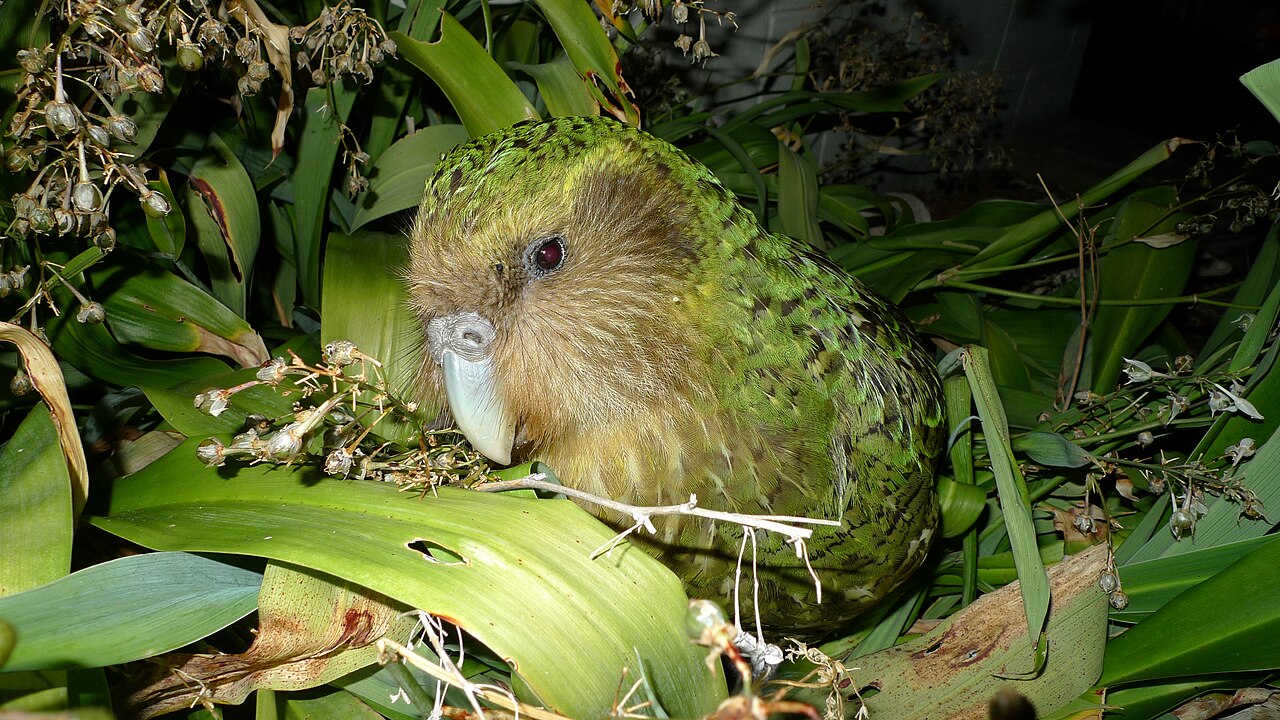
Weighing between 2 and 4 kilograms (4.4 to 8.8 pounds), the kakapo is also the heaviest parrot in the world. Males can reach up to 60 centimeters (24 inches) in length. Their size, combined with their moss-green plumage mottled with yellow and black, provides exceptional camouflage among the ferns and undergrowth of their forest habitat. They are also remarkably long-lived, with a lifespan that can exceed 90 years, making them one of the longest-living bird species.
Physical Adaptations for a Ground-Dwelling Life
The kakapo's body is perfectly tailored for its ground-dwelling lifestyle. Its feet are large and strong, with thick, padded soles that allow for quiet, stealthy movement through the leaf litter. The facial disc of fine, sensitive feathers, similar to that of an owl, helps the kakapo funnel sound to its ears, aiding in nocturnal navigation and foraging. This is why the kakapo is also known as the "owl parrot." Its beak is strong and curved, ideal for crushing tough seeds and fruits, and its nostrils are positioned high on the beak, allowing the bird to smell food items from a distance—a rare ability among parrots.
Nocturnal Lifestyle and Unique Behavior
The kakapo parrot is strictly nocturnal, emerging from its daytime roosts under tree roots or in dense vegetation only after dark. This behavior likely evolved to avoid diurnal avian predators, such as the now-extinct Haast's eagle, and to exploit a food source that is less available during the day. At night, the kakapo becomes highly active, traveling along well-worn tracks in the forest undergrowth. It is a solitary creature, except during the breeding season, and individuals maintain large home ranges that they patrol regularly.
Remarkable Senses and Foraging Habits
One of the most fascinating aspects of kakapo behavior is their reliance on smell. They have an excellent sense of smell, which they use to locate ripe fruits, seeds, and leaves in the dense forest. Their diet is primarily herbivorous, consisting of a wide variety of native plants, including rimu fruit, tōtara berries, fern roots, and leaves. They are also known to eat insects and fungi. The kakapo's digestive system is slow, allowing it to extract maximum nutrients from its fibrous diet. A single kakapo can consume up to 1 kilogram (2.2 pounds) of food in one night.
Booming and Courtship Displays
Perhaps the most bizarre and famous behavior of the kakapo is its mating ritual. During the breeding season, which occurs only every two to four years and is triggered by the mast fruiting of the rimu tree, male kakapos gather at traditional display arenas called "leks." Here, they excavate shallow bowls in the ground and inflate a large, air-filled sac in their chest. They then produce a loud, low-frequency "booming" call that can travel for several kilometers through the forest. This sound, a deep, resonant "oom-oom-oom," is accompanied by a high-pitched "ching" sound. Males will boom for hours each night, competing for the attention of females, who visit the leks to choose a mate. The entire process is a spectacular and rare event, closely monitored by conservation teams.
The Kakapo Parrot's Endangered Status and Conservation Triumphs
The kakapo parrot is critically endangered, with a population that has fluctuated dramatically over the past century. In the 1970s, the species was believed to be extinct on the mainland, with only a few individuals surviving on Stewart Island. The primary threat to the kakapo is introduced mammalian predators, such as rats, stoats, and feral cats, which prey on eggs, chicks, and even adult birds. Because the kakapo evolved in the absence of ground-based predators, it has no natural defenses against them. Females do not defend their nests, and the birds' strong, musky scent makes them easy for predators to track.
The Shift to Predator-Free Islands
The turning point for the kakapo came in the late 20th century with the establishment of the Kakapo Recovery Programme, a collaborative effort between the New Zealand Department of Conservation and various partners. The program's most critical action was the translocation of all remaining kakapos to predator-free offshore islands, such as Codfish Island (Whenua Hou) and Anchor Island. These islands are now meticulously managed, with intensive pest control and monitoring. Every single kakapo is fitted with a radio transmitter, and their movements, breeding status, and health are tracked in real time by a dedicated team of rangers and scientists.
Groundbreaking Conservation Techniques
The Kakapo Recovery Programme has pioneered several innovative conservation techniques. One of the most successful is the use of "smart" nest boxes that can be heated or cooled remotely, and which are equipped with cameras to monitor nesting activity. Rangers also provide supplementary food, such as specially formulated pellets and nuts, to ensure females have enough energy to raise chicks during years when rimu fruit is scarce. Another remarkable strategy is the use of artificial insemination, developed to increase genetic diversity and overcome the challenges of the lekking system. The program has also implemented a "Kakapo 125" plan, a detailed genetic and demographic strategy to achieve a target population of 125 breeding females by 2030.
Diet and Habitat: A Specialist's Life
The kakapo parrot is a true specialist, adapted to a specific and fragile ecosystem. Its natural habitat is the temperate rainforests of New Zealand, dominated by podocarp trees like rimu, tōtara, and miro. These forests provide the kakapo with a diverse and seasonal food supply. The species' entire breeding cycle is tied to the mast fruiting of the rimu tree, which produces a bumper crop of fruit only every few years. When rimu fruit is plentiful, female kakapos are more likely to breed, and they will produce more eggs and have higher chick survival rates. In years without a rimu mast, breeding is rare or absent.
The Importance of Forest Structure
Kakapos require a complex forest structure with a dense understory of ferns, shrubs, and leaf litter for camouflage and roosting. They also need access to tall trees for foraging and display. The loss of mature forests and the fragmentation of their habitat have been significant historical threats. Today, the conservation of their island sanctuaries is paramount, with ongoing efforts to restore native vegetation and control invasive plants that could alter the forest composition.
Social Structure and Communication
Contrary to the gregarious nature of many parrots, the kakapo parrot is largely solitary. Outside of the breeding season, adults live alone, each defending a territory that they mark with scent and vocalizations. They communicate with a range of low-frequency calls, including a soft, high-pitched "skraak" used for contact, and a loud, harsh "chirp" when alarmed. They are known to be curious and gentle birds, and they have been observed showing a remarkable lack of fear towards humans, a trait that has made them vulnerable to predators but also endearing to researchers.
Parental Care and Chick Rearing
Female kakapos are devoted mothers. After mating, the female builds a nest in a hollow log, under a tree root, or in a rock crevice. She lays between one and four eggs, which she incubates alone for about 30 days. The male plays no role in parental care. After hatching, the female feeds the chicks regurgitated food for the first few months. The chicks are slow to develop and remain dependent on their mother for up to 10 months, making them vulnerable to predation during the extended period. The intensive conservation program now provides supplementary feeding and protection for nests, significantly improving chick survival rates.
Conclusion: The Future of the Kakapo
The kakapo parrot remains one of the world's rarest and most remarkable birds. Its story is a powerful testament to the fragility of island ecosystems and the devastating impact of introduced species. Yet, it is also a story of extraordinary hope and human dedication. Through the tireless work of the Kakapo Recovery Programme, the population has slowly climbed from a low of 51 birds in 1995 to over 250 individuals today. Every single bird is known by name, and their individual histories are meticulously documented. The kakapo's future depends on continued predator control, habitat restoration, and the relentless commitment of scientists, rangers, and supporters around the world. This flightless, booming, moss-green parrot is not just the world's strangest parrot; it is a living symbol of the power of conservation to save a species from the brink of extinction.
❓ Frequently Asked Questions
💬 Why is the kakapo called the world's strangest parrot?
The kakapo is the only flightless parrot in the world, and it is also nocturnal, heaviest of all parrots, and uses a unique booming mating call that can travel for miles.
💬 Where do kakapos live and how many are left?
Kakapos are native only to New Zealand, and as of 2024, the entire population consists of around 250 individuals living on predator-free offshore islands.
💬 What do kakapos eat?
Kakapos are herbivores that feed on native plants, fruits, seeds, and pollen, with a particular fondness for the rimu tree's fruit, which triggers their breeding season.
💬 Why are kakapos so endangered?
Kakapos evolved without natural ground predators, so they are highly vulnerable to introduced species like rats, cats, and stoats, which eat their eggs, chicks, and even adults.