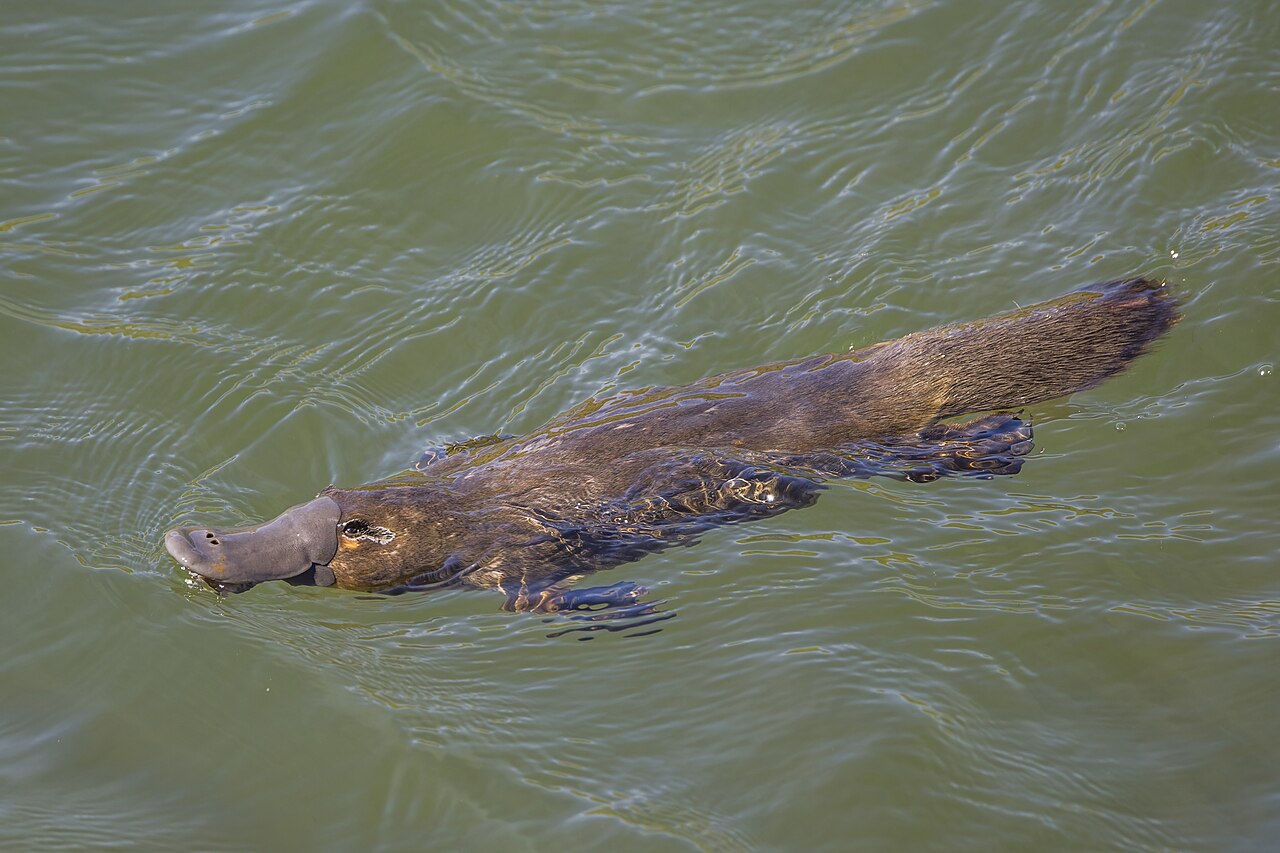
- What Makes the Platypus a Venomous Mammal?
- How the Venom System Works
- Chemical Composition and Effects
- Why Is the Platypus an Egg-Laying Mammal?
- The Monotreme Reproductive Strategy
- Evolutionary Significance of Egg-Laying
- Physical Adaptations of the Platypus Venomous Mammal
- Unique Features for Aquatic Life
- Tail as a Fat Storage Organ
- Diet and Foraging Behavior of the Platypus
- Hunting Techniques
- Habitat Requirements
- Behavior and Social Structure of the Platypus Venomous Mammal
- Breeding and Parental Care
- Venom Use in Male-Male Combat
- Conservation Status and Threats to the Platypus
- Major Threats
- Conservation Efforts
- Conclusion: The Enduring Mystery of the Platypus Venomous Mammal
- ❓ Frequently Asked Questions
The platypus is a platypus venomous mammal that also lays eggs, a bizarre combination of traits that has fascinated scientists and the public since its discovery. This semi-aquatic monotreme, native to eastern Australia and Tasmania, defies easy classification, blending features of reptiles, birds, and mammals in a single, duck-billed package. Understanding why the platypus evolved into a venomous egg-laying mammal requires a deep dive into its unique biology, evolutionary history, and ecological niche.
What Makes the Platypus a Venomous Mammal?
The platypus venomous mammal status is primarily due to the males possessing a sharp, hollow spur on each hind ankle. These spurs, connected to venom glands in the thighs, can deliver a potent cocktail of toxins. While not lethal to humans, platypus venom causes excruciating, immediate pain, followed by long-lasting swelling and hyperalgesia (increased sensitivity to pain) that can persist for weeks or even months. The venom is unique among mammals, containing a complex mix of proteins, including defensin-like peptides and nerve growth factors, which are similar to those found in some reptiles and insects.
How the Venom System Works
Only male platypuses produce venom, and they do so primarily during the breeding season, which runs from June to October. The venom is produced in a specialized gland located in the upper thigh, then stored in a sac near the spur. When threatened or competing with other males, the platypus can actively inject the venom by pressing the spur into the victim. The spur can rotate and lock into place, allowing for a powerful, targeted strike. Unlike snake venom, which is often used for predation, platypus venom is primarily used for intraspecific combat—male-on-male aggression to establish dominance and secure mating rights.
Chemical Composition and Effects
Research has identified over 80 different components in platypus venom. One of the most studied is a peptide called "heptapeptide," which targets pain receptors in a unique way. This compound causes a sensation of intense, burning pain that is resistant to standard painkillers like morphine. The venom also contains a hyaluronidase enzyme that helps spread the toxins through the victim's tissues. In laboratory tests, the venom has been shown to cause paralysis in small animals, but in humans, the primary effect is localized agony. The pain is often described as "unbearable" and can lead to temporary disability of the affected limb.
Why Is the Platypus an Egg-Laying Mammal?
The platypus venomous mammal identity is just one part of its strangeness. Equally remarkable is that it lays eggs, a trait inherited from its reptilian ancestors. The platypus is a monotreme, one of only five living species (alongside four species of echidna) that lay eggs instead of giving birth to live young. This places them as a living link between reptiles and marsupials and placental mammals.
The Monotreme Reproductive Strategy
Female platypuses typically lay one to three eggs at a time, which are small (about 11 millimeters in diameter), leathery, and similar to reptile eggs. After mating, the female constructs a complex burrow in a riverbank, often up to 30 meters long, with multiple chambers. She lines the nesting chamber with soft vegetation and leaves. The eggs are incubated for about 10 days, during which the female curls her body around them to provide warmth. She does not have a pouch like marsupials; instead, the eggs are held close to her belly. After hatching, the tiny, blind, and hairless young lap up milk secreted from specialized glands on the mother's abdomen. The milk is rich in fat and protein, and the young nurse for about three to four months before emerging.
Evolutionary Significance of Egg-Laying
Egg-laying in monotremes is considered a primitive trait that evolved before the split between marsupials and placental mammals. Fossil evidence suggests that monotremes diverged from the main mammalian lineage around 200 million years ago, during the Jurassic period. This ancient lineage retained the reptilian characteristic of egg-laying, while also developing mammalian features like fur, mammary glands, and a four-chambered heart. The platypus thus provides a unique window into the early evolution of mammals, showing a transitional stage where reptilian and mammalian traits coexist. The venom system, too, may be an ancient adaptation, possibly shared with the common ancestor of all mammals and later lost in most lineages.
Physical Adaptations of the Platypus Venomous Mammal
The platypus venomous mammal is exquisitely adapted to its semi-aquatic lifestyle. Its body is streamlined for swimming, with a dense, waterproof coat of fur that traps a layer of insulating air. The fur consists of two layers: a soft, dense underfur that provides warmth and a coarser outer layer of guard hairs that repel water. An adult platypus typically measures 30 to 45 centimeters in length (plus a 10 to 15 centimeter tail) and weighs between 0.7 and 2.4 kilograms, with males being larger than females.
Unique Features for Aquatic Life
The platypus's most distinctive feature is its broad, rubbery bill, which resembles that of a duck. However, this bill is not hard like a bird's beak; it is covered in soft, leathery skin that is packed with electroreceptors and mechanoreceptors. This allows the platypus to detect the faint electrical fields generated by the muscle contractions of its prey, even in murky water. Underwater, the platypus closes its eyes, ears, and nostrils, relying entirely on its bill to navigate and find food. Its powerful, webbed feet are also remarkable: the front feet have large webs that extend beyond the claws, used for propulsion, while the hind feet are partially webbed and used for steering and braking. When on land, the webbing on the front feet folds back to expose the claws, which are used for digging burrows.
Tail as a Fat Storage Organ
The platypus's broad, flat tail serves multiple purposes. It acts as a rudder for steering while swimming and as a fat storage depot. Like a beaver's tail, it can store significant amounts of fat, which the platypus draws upon during winter or when food is scarce. The tail is also covered in coarse fur, and its shape helps the animal maintain balance when walking on land. A healthy platypus will have a plump, rounded tail, while a sick or undernourished one will have a thin, lean tail.
Diet and Foraging Behavior of the Platypus
The platypus venomous mammal is a carnivorous predator, feeding almost exclusively on aquatic invertebrates. Its diet consists mainly of insect larvae, freshwater shrimp, crayfish, worms, and the occasional small frog or fish egg. An adult platypus needs to consume about 20% of its body weight in food each day to maintain its energy levels, especially given the high metabolic demands of swimming in cold water.
Hunting Techniques
Platypuses are primarily nocturnal and crepuscular, foraging during the early morning, evening, and night. They typically spend 10 to 12 hours a day in the water, diving repeatedly for 30 to 60 seconds at a time. Using their electroreceptive bill, they sweep their heads from side to side on the riverbed, detecting prey hidden under rocks, mud, or vegetation. They collect food in cheek pouches located behind their bills, which can hold several items. Once the pouches are full, the platypus surfaces, moves to a safe spot, and uses its horny plates (instead of teeth, which adults lack) to grind the food before swallowing.
Habitat Requirements
Platypuses are found in freshwater systems across eastern Australia, from the cool, high-altitude streams of the Great Dividing Range to the warmer, lowland rivers of Queensland. They require stable riverbanks with soft, sandy soil for burrowing, as well as an abundance of aquatic invertebrates. The presence of overhanging vegetation and submerged logs is also important, as these provide cover and foraging sites. Platypuses are sensitive to water pollution and habitat degradation, making them good indicator species for the health of freshwater ecosystems. Their lifespan in the wild is typically 10 to 15 years, though some individuals have been known to live up to 20 years in captivity.
Behavior and Social Structure of the Platypus Venomous Mammal
The platypus venomous mammal is largely solitary and territorial, except during the breeding season. Each individual maintains a home range along a stretch of river, which it defends from others of the same sex. Males have larger territories than females, often overlapping with those of several females. Communication is limited, but they use vocalizations, such as low growls and grunts, especially during aggressive encounters or when caring for young.
Breeding and Parental Care
Breeding occurs once a year, with the season varying by latitude. In the southern parts of their range, breeding begins in June, while in the north, it starts later in August. Courtship is brief and involves the male grasping the female's tail with his bill and swimming in circles. After mating, the male plays no role in raising the young. The female builds a dedicated nesting burrow, which is different from her regular resting burrow. She blocks the entrance with soil to protect the nest from predators and flooding. After the eggs hatch, the young are completely dependent on their mother's milk for about four months. The milk is secreted through the skin, as monotremes lack nipples, and the young lap it up from specialized grooves on the mother's abdomen.
Venom Use in Male-Male Combat
During the breeding season, male platypuses become highly aggressive towards each other. They use their venomous spurs in fights to establish dominance and access to females. These fights can be violent, with the males grappling and trying to jab each other with their spurs. The venom is not used for hunting or defense against predators; its primary function is to incapacitate rival males. The severe pain and swelling caused by the venom can temporarily disable a competitor, giving the successful male an advantage in mating. This makes the platypus one of the few venomous mammals (along with shrews, solenodons, and slow lorises) and the only known venomous monotreme.
Conservation Status and Threats to the Platypus
While the platypus venomous mammal is not currently listed as endangered, it faces growing threats from human activity. The International Union for Conservation of Nature (IUCN) lists the platypus as "Near Threatened," with populations declining in some areas. Climate change, habitat destruction, water pollution, and the introduction of invasive predators are all significant concerns.
Major Threats
One of the most pressing threats is habitat loss due to river regulation, dam construction, and land clearing for agriculture and urban development. These activities degrade riverbanks, reduce water flow, and destroy the burrowing sites that platypuses need. Water pollution from agricultural runoff, industrial waste, and sewage can contaminate their food sources and cause direct harm. Invasive predators like foxes, dogs, and cats can prey on platypuses, especially when they are on land. Additionally, crayfish traps and fishing nets can accidentally drown them. Climate change is also altering rainfall patterns and water temperatures, which can affect the availability of their invertebrate prey.
Conservation Efforts
Conservation initiatives are underway to protect platypus populations. These include habitat restoration projects, the installation of platypus-friendly crossings under roads, and public education campaigns to reduce the use of harmful chemicals and litter. Citizen science programs, such as the "Platypus Watch" in Australia, encourage people to report sightings, helping researchers track population trends. Some populations are also protected in national parks and reserves. However, ongoing monitoring and stronger conservation policies are needed to ensure the long-term survival of this unique species.
Conclusion: The Enduring Mystery of the Platypus Venomous Mammal
The platypus remains one of nature's most extraordinary creations. As a platypus venomous mammal that also lays eggs, it challenges our understanding of mammalian evolution and biology. Its venom system, used for male rivalry, its electroreceptive bill, and its dual identity as a monotreme all point to a creature that has survived for millions of years by adapting to a specific ecological niche. While modern threats put its future at risk, the platypus continues to captivate scientists and the public alike, serving as a living reminder of the bizarre and wonderful diversity of life on Earth. Protecting the platypus means safeguarding the health of Australia's freshwater ecosystems, ensuring that this venomous, egg-laying marvel can thrive for generations to come.
❓ Frequently Asked Questions
💬 Is the platypus really venomous?
Yes, male platypuses have a venomous spur on their hind foot that can deliver a painful toxin, especially during breeding season.
💬 How does platypus venom affect humans?
Platypus venom causes intense, immediate pain that can last for weeks, along with swelling and sensitivity to pain, but it is rarely life-threatening to humans.
💬 Why is the platypus considered a mammal if it lays eggs?
The platypus is a mammal because it has fur, produces milk for its young, and is warm-blooded; it is one of only five monotreme species that lay eggs instead of giving live birth.
💬 Do female platypuses have venomous spurs?
Female platypuses develop spurs as juveniles, but they lose them before adulthood and do not produce venom, making only males venomous.