- What Is Axolotl Neoteny?
- How Neoteny Differs from Metamorphosis
- The Genetic and Hormonal Basis of Axolotl Neoteny
- Environmental Factors That Influence Neoteny
- Evolutionary Advantages of Axolotl Neoteny
- Behavioral Adaptations in Neotenic Axolotls
- Axolotl Neoteny in Captivity: Care and Considerations
- Breeding Axolotls in Neotenic State
- Scientific and Medical Importance of Axolotl Neoteny
- Conservation Status and Challenges
- Conclusion: The Enduring Mystery of Axolotl Neoteny
- ❓ Frequently Asked Questions
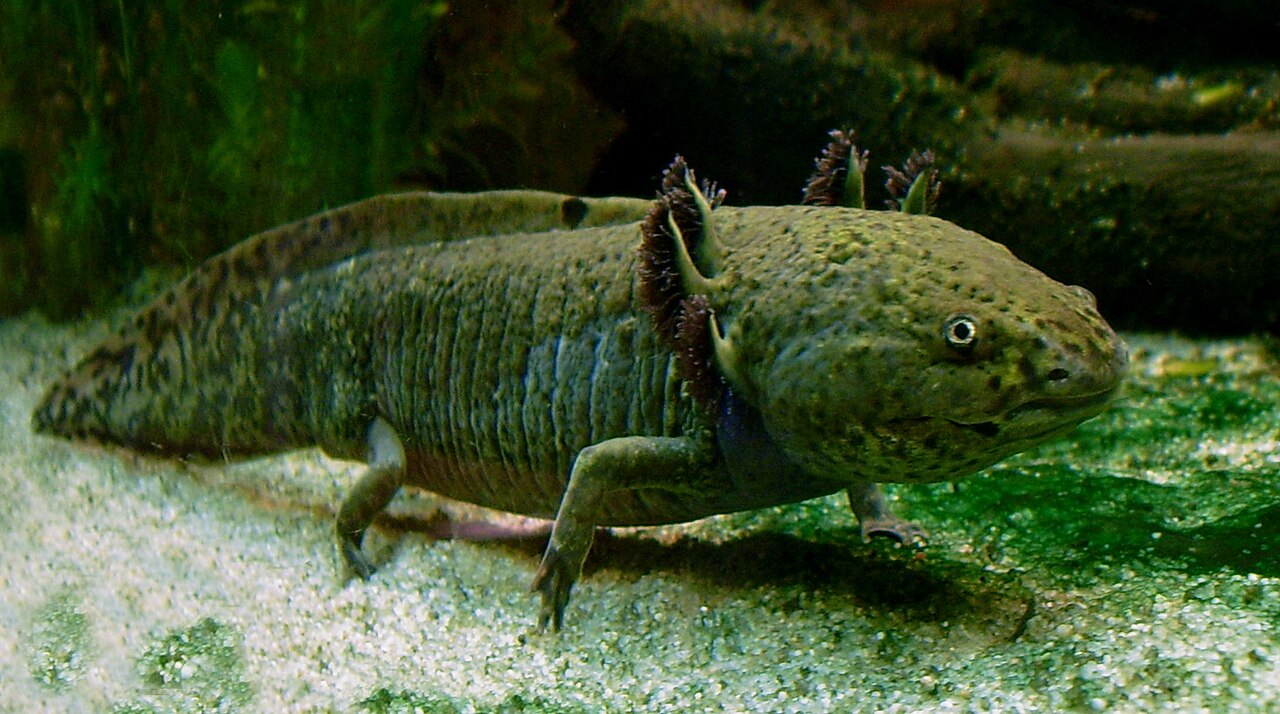
The axolotl neoteny is one of the most fascinating biological phenomena in the animal kingdom, allowing this unique amphibian to retain its juvenile, aquatic features throughout its entire life. Unlike most salamanders, which undergo metamorphosis to become terrestrial adults, the axolotl remains permanently in its larval stage, complete with feathery external gills, a fin-like tail, and a wide, smiling mouth. This condition, known scientifically as neoteny, is not a defect or a mutation but a highly adaptive evolutionary strategy that has captivated scientists, pet enthusiasts, and conservationists alike. In this article, we will explore the biology, causes, and implications of axolotl neoteny, delving into how this "Peter Pan of the amphibian world" defies the typical life cycle and what it means for its survival in the wild and in captivity.
What Is Axolotl Neoteny?
Axolotl neoteny refers to the retention of juvenile characteristics, or paedomorphosis, in the adult stage. In most salamanders, the larval stage—characterized by gills and a fully aquatic lifestyle—is temporary, lasting only a few months before metamorphosis triggers the development of lungs, limbs, and a terrestrial existence. However, in axolotls (Ambystoma mexicanum), the thyroid gland fails to produce sufficient thyroxine, the hormone responsible for initiating metamorphosis. As a result, the axolotl remains in its larval form indefinitely, living its entire life in water.
This condition is not a sign of arrested development but a stable, functional adult stage. Axolotls can reproduce, hunt, and thrive while still sporting their iconic external gills—three on each side of the head—and a dorsal fin that runs along their back. They reach sexual maturity around 12 to 18 months of age, typically growing to a length of 9 to 12 inches (23 to 30 cm) from snout to tail tip, though some individuals may reach up to 18 inches (45 cm) in captivity. The term "neoteny" itself comes from the Greek words neos (young) and teinein (to stretch or extend), literally meaning "to hold onto youth."
How Neoteny Differs from Metamorphosis
In species that undergo metamorphosis, such as the tiger salamander (Ambystoma tigrinum), the larval stage is a brief, transient phase. The tadpole-like larvae develop lungs, lose their gills, and grow thicker skin to survive on land. Axolotls, by contrast, never lose their gills or fin, and their skin remains thin and permeable, allowing for efficient oxygen absorption through the water. This difference is not absolute, however; under certain conditions—such as stress, hormone injections, or changes in water chemistry—axolotls can be induced to metamorphose, though this is rare and often detrimental to their health.
The Genetic and Hormonal Basis of Axolotl Neoteny
The underlying cause of axolotl neoteny lies in a genetic mutation that disrupts the production of thyroid-stimulating hormone (TSH) from the pituitary gland. Without TSH, the thyroid gland does not release thyroxine, the hormone that triggers metamorphosis in amphibians. Studies have identified specific genes, including those in the Pax family, that regulate thyroid development in axolotls. Mutations in these genes result in a non-functional thyroid, making metamorphosis impossible without external intervention.
Interestingly, axolotls are not the only neotenic salamanders. The mudpuppy (Necturus maculosus) and the olm (Proteus anguinus) also exhibit neoteny, but axolotls are unique because they can be easily induced to metamorphose in laboratory settings. For example, adding thyroxine to their water or injecting it directly can trigger a rapid transformation, leading to the loss of gills, development of eyelids, and a shift to a terrestrial lifestyle. However, this process is stressful and often shortens the axolotl's lifespan, which can reach 10–15 years in captivity when kept in its neotenic state.
Environmental Factors That Influence Neoteny
While genetics are the primary driver, environmental conditions can also play a role. In the wild, axolotls inhabit the high-altitude lakes of Xochimilco and Chalco in central Mexico, where cool, stable water temperatures (60–64°F or 15–18°C) and low iodine levels may reinforce neoteny. Iodine is essential for thyroxine production; in iodine-deficient environments, even genetically capable salamanders may remain neotenic. Conversely, warmer water or higher iodine concentrations can occasionally trigger spontaneous metamorphosis in wild populations, though this is extremely rare.
Evolutionary Advantages of Axolotl Neoteny
Axolotl neoteny is not a random quirk but an evolutionary adaptation to the species' unique habitat. The lakes of Xochimilco are deep, cold, and nutrient-rich, providing a stable aquatic environment with abundant prey, such as small fish, insects, worms, and crustaceans. By remaining aquatic, axolotls avoid the risks associated with terrestrial life, including predation from birds, snakes, and mammals, as well as desiccation from dry spells. Their gills are highly efficient in oxygen-rich water, and their larval morphology allows them to navigate dense vegetation and muddy substrates with ease.
Furthermore, neoteny enables axolotls to reproduce while still in a form that is energetically cheap to maintain. Larval stages have lower metabolic rates than terrestrial adults, meaning axolotls can allocate more energy to growth and reproduction rather than to the costly process of metamorphosis. This is particularly advantageous in a resource-limited environment, where the ability to breed quickly and frequently—up to 500 eggs per clutch, laid in gelatinous masses—ensures population stability.
Behavioral Adaptations in Neotenic Axolotls
Axolotls are primarily nocturnal predators, using their keen sense of smell and lateral line system (which detects vibrations in water) to locate prey. They are ambush hunters, lying motionless on the lake bottom or among vegetation before lunging to capture food with a suction-like gape. Their diet in the wild includes small crustaceans, insect larvae, and even smaller axolotls (cannibalism is common among juveniles). In captivity, they thrive on a diet of bloodworms, brine shrimp, earthworms, and specially formulated pellets. Their feeding behavior is a direct result of their neotenic state: the external gills and fin increase surface area for respiration, allowing them to remain still for long periods without needing to surface for air.
Axolotl Neoteny in Captivity: Care and Considerations
For pet owners, understanding axolotl neoteny is crucial for providing proper care. Because they never metamorphose, axolotls require a fully aquatic setup, not a terrestrial or semi-aquatic one. A 20-gallon (75-liter) tank is the minimum for a single adult, with a water depth of at least 12 inches to allow for swimming. The water must be kept cool, ideally between 60–68°F (15–20°C), as temperatures above 72°F (22°C) can cause stress, heat stroke, and even death. A sponge filter or low-flow filter is recommended to avoid strong currents that could damage their delicate gills.
Axolotls are sensitive to water quality, requiring regular partial water changes and testing for ammonia, nitrite, and nitrate levels. They also lack scales, making them vulnerable to skin infections and injuries from sharp decorations. Substrates should be fine sand or bare-bottom tanks, as gravel can be ingested, leading to impaction. Their neotenic features, such as the external gills, are highly sensitive to physical damage, so handling should be minimized. When kept properly, axolotls are hardy and can live for over a decade, making them rewarding pets for dedicated aquarists.
Breeding Axolotls in Neotenic State
Breeding axolotls is relatively straightforward because they can reproduce in their larval form. Males court females by nudging and depositing spermatophores, which the female collects to fertilize her eggs. After spawning, the female lays eggs on plants or tank decorations, which hatch into larvae after 10–14 days. The larvae are fully aquatic and resemble miniature adults, with tiny gills and a fin. They require infusoria or newly hatched brine shrimp as their first food, gradually advancing to larger prey as they grow. This reproductive capability underscores the success of axolotl neoteny: they can propagate without ever leaving the water.
Scientific and Medical Importance of Axolotl Neoteny
Beyond its evolutionary significance, axolotl neoteny has made this species a cornerstone of biomedical research. Their ability to regenerate lost body parts—limbs, tails, spinal cord, parts of the brain, and even heart tissue—is unparalleled among vertebrates. This regenerative capacity is linked to their neotenic state, as larval tissues retain a high degree of plasticity and a robust immune response that supports healing without scarring. Scientists study axolotls to understand the molecular mechanisms behind regeneration, hoping to apply these insights to human medicine, particularly for treating spinal cord injuries, limb loss, and degenerative diseases.
Additionally, axolotls are used in research on genetics, development, and aging. Their neotenic condition provides a model for studying the hormonal control of development, while their long lifespan (for an amphibian) offers clues about cellular senescence. The axolotl genome, sequenced in 2018, is among the largest of any animal—32 billion base pairs—and contains genes that regulate neoteny, regeneration, and resistance to cancer. This genetic wealth makes axolotls a vital tool for advancing scientific knowledge.
Conservation Status and Challenges
Despite their popularity in captivity, wild axolotls are critically endangered. The lakes of Xochimilco and Chalco have been heavily impacted by urbanization, pollution, and the introduction of invasive species such as tilapia and carp, which compete for food and prey on axolotl eggs and larvae. The population in the wild has declined by more than 95% since the 1990s, with estimates suggesting fewer than 1,000 individuals remain. Conservation efforts include habitat restoration, captive breeding programs, and the creation of artificial refuges known as "chinampas" (floating gardens) that provide clean water and shelter. However, the slow reproductive rate and sensitivity to environmental changes make recovery challenging.
Conclusion: The Enduring Mystery of Axolotl Neoteny
Axolotl neoteny is a remarkable example of how evolution can subvert typical life cycles to create a unique, successful strategy. By retaining their larval features, axolotls have mastered a fully aquatic existence, avoiding the perils of terrestrial life while gaining extraordinary regenerative abilities. For scientists, they offer a window into the genetic and hormonal processes that govern development and healing. For pet owners, they are fascinating, low-maintenance companions that never grow up in the traditional sense. Yet, the plight of wild axolotls reminds us that even the most resilient species can be vulnerable to human impact. As we continue to study and appreciate these "water monsters," we must also work to protect their fragile habitat, ensuring that the wonder of axolotl neoteny endures for generations to come.
❓ Frequently Asked Questions
💬 What is neoteny in axolotls?
Neoteny is when an animal retains its juvenile features into adulthood; for axolotls, this means they keep their feathery gills and aquatic lifestyle instead of metamorphosing into a land-dwelling salamander.
💬 Why don't axolotls undergo metamorphosis like other salamanders?
Axolotls lack sufficient thyroid hormone production due to a genetic mutation, which prevents the metamorphosis process; they remain in their larval form unless given artificial hormone treatments.
💬 Can axolotls ever grow up and lose their gills?
Yes, in rare cases or with exposure to iodine or thyroid hormones, axolotls can metamorphose into a terrestrial form, losing their gills and developing lungs, but this often shortens their lifespan.
💬 Is neoteny beneficial for axolotls in the wild?
Yes, neoteny helps axolotls stay in their aquatic habitat, which is safer and more stable than land, allowing them to reproduce without the energy cost of metamorphosis in their high-altitude lakes.