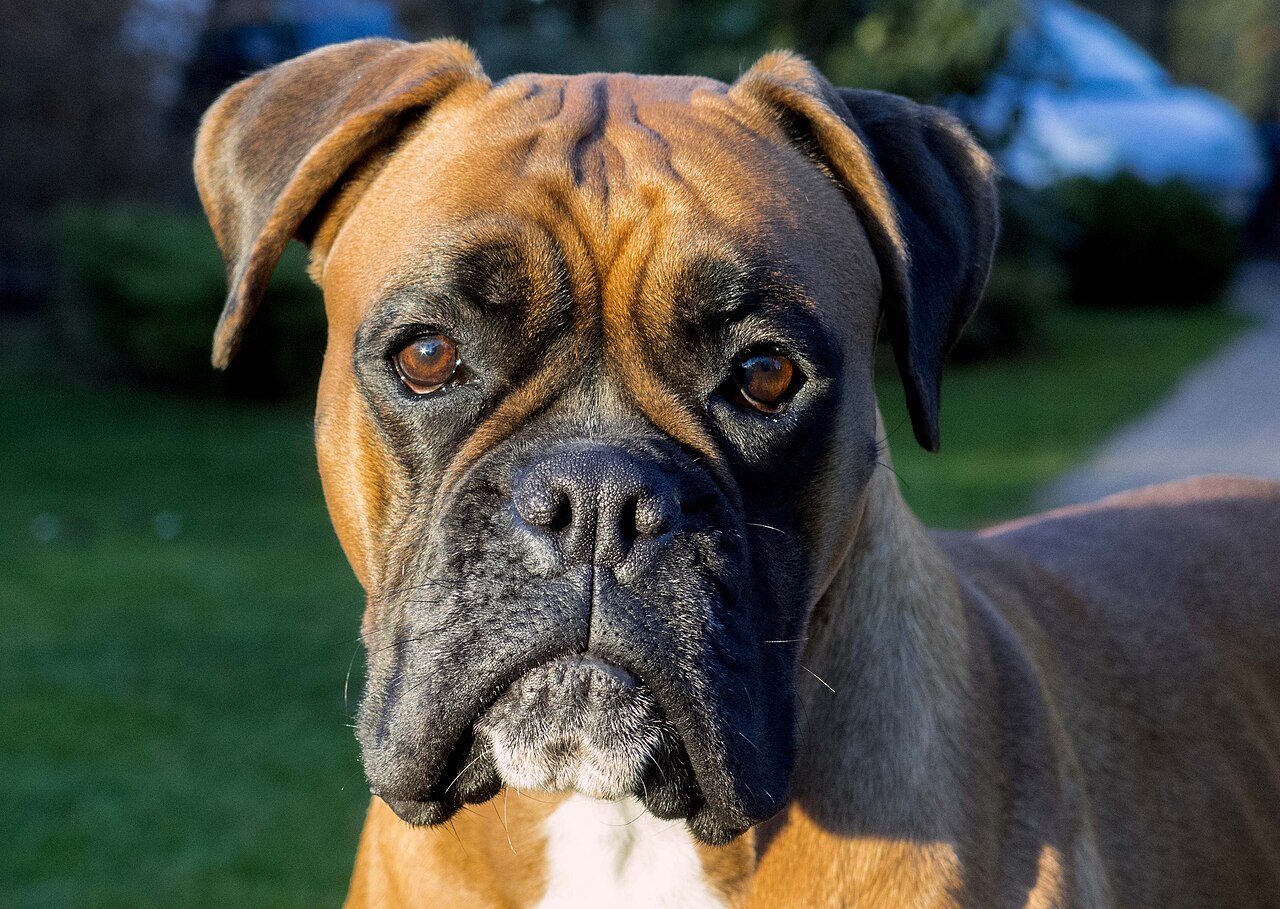
- Understanding the Anatomy of Boxer Dog Jowls
- The Historical Purpose: More Than Just a Droopy Face
- The Jowl as a "Grip" Mechanism
- Breathing Through the Jowls
- The Science of Skin: Why So Loose?
- The Daily Life of a Jowly Boxer: Slobber and Sounds
- The Physics of Drool
- The "Chomping" and "Chattering"
- Drinking and Eating Challenges
- Health and Hygiene: Caring for Boxer Dog Jowls
- Common Jowl Problems
- The Essential Cleaning Routine
- Jowls and Communication: The Expressive Boxer Face
- Comparing Jowls: The Boxer vs. Other Brachycephalic Breeds
- The Bloodhound: The Master of Scent and Skin
- The Bulldog: A Cousin in Grip
- The Mastiff: The Giant Ancestor
- The Future of the Jowl: Breeding and Health Considerations
- Conclusion: Celebrating the Iconic Boxer Jowl
- ❓ Frequently Asked Questions
The signature feature of the Boxer dog is undoubtedly its face, and the prominent, often wet, folds of skin that hang from the lower jaw are a defining characteristic of the breed. These boxer dog jowls are more than just a quirky physical trait; they are a complex piece of anatomy with a fascinating evolutionary history, a practical purpose, and a significant impact on the dog's daily life. Far from being a cosmetic accident, the droopy jowls of a Boxer are a direct result of selective breeding, a connection to their ancient mastiff-type ancestors, and a feature that owners must learn to manage with care. This article will delve deep into the truth behind those famous jowls, exploring the science, the function, and the responsibilities that come with owning a dog built for a purpose that no longer exists in the modern world.
Understanding the Anatomy of Boxer Dog Jowls
To truly understand why Boxers have droopy jowls, we must first look at the structure beneath the skin. The term "jowls" refers specifically to the loose, pendulous skin and underlying tissue that hangs from the lower jaw and throat area. In a Boxer, this is not just excess fat; it is a combination of skin, muscle, and connective tissue that is genetically programmed to be loose and elastic.
The breed standard for the Boxer, as defined by the American Kennel Club (AKC), explicitly calls for a "distinctly marked" muzzle and a lower jaw that "projects beyond the upper jaw and curves slightly upward." This underbite, known as a prognathous jaw, means the lower teeth and gums are naturally exposed. The jowls, therefore, serve a crucial anatomical role: they cover and protect these exposed lower teeth and gums. Without the thick, draping skin, the delicate tissues of the mouth would be vulnerable to injury, drying out, and infection.
The skin of a Boxer’s jowl is surprisingly thick and rich in blood vessels. This vascularity is why a minor scrape to the jowl can bleed profusely, a common scare for new owners. The loose attachment of this skin to the underlying muscle allows for a wide range of motion, which is essential for biting, gripping, and breathing—all functions that were critical to the breed's original purpose. The jowls are not simply a flap of skin; they are a sophisticated, protective organ system designed for a specific, demanding job.
The Historical Purpose: More Than Just a Droopy Face
The Boxer's lineage is deeply rooted in the pursuit of large game and the dangerous work of bull-baiting. The breed was developed in 19th-century Germany, descended from the now-extinct Bullenbeisser, a powerful mastiff-type dog used by hunters to track, corner, and hold large prey like wild boar and deer until the hunter could arrive. The droopy jowls and the underbite were not random mutations; they were highly functional adaptations for this brutal work.
The Jowl as a "Grip" Mechanism
The primary function of the Boxer's jowl and underbite was to create a powerful, vice-like grip. When a Boxer latched onto a boar's snout or a deer's leg, the long, deep jaws, combined with the loose jowls, allowed the dog to maintain a strong hold while still being able to breathe. The loose skin of the jowls acted as a cushion, preventing the prey’s teeth from easily piercing the dog's neck and throat during the struggle. The jowls effectively funneled blood and air, ensuring the dog could hold on for extended periods without passing out from exertion.
Breathing Through the Jowls
Imagine clamping your jaw shut on a large object. You would find it difficult to breathe through your mouth. The Boxer’s jowls solved this problem. The excess skin allowed the dog to open its mouth slightly even while gripping, creating a passage for air. The wrinkled folds of the jowl also directed air upwards towards the nasal passages, facilitating efficient airflow. This was a critical evolutionary advantage in a fight for survival, allowing the dog to maintain a relentless grip while its lungs were still receiving oxygen.
As bull-baiting was outlawed in the 1800s, the Boxer was repurposed as a butcher's dog and a cattle driver. The jowls still served a purpose here, helping the dog to grip and hold cattle without causing serious injury. The breed's name itself, "Boxer," is thought to derive from its tendency to use its front paws to "box" at prey, a behavior that complements the gripping power of its jaws and jowls.
The Science of Skin: Why So Loose?
The droopiness of boxer dog jowls is a direct result of a genetic trait known as "loose skin" or "pendulous lips." This trait is controlled by specific genes that influence the production of collagen and elastin, the proteins responsible for skin's firmness and elasticity. In Boxers, these genes produce a skin structure that is less tightly bound to the underlying muscle and bone than in breeds like the Greyhound or the German Shepherd.
This loose skin is not isolated to the face. Boxers often have wrinkles on their foreheads, which are equally expressive, and their skin across the body is generally more pliable than that of many other breeds. However, the facial skin is the most dramatic, as it is anchored at specific points on the skull (the cheekbones and the jawline) but allowed to drape freely in between. This creates the characteristic folds and the ever-present "wet" look.
Furthermore, the Boxer's brachycephalic (short-headed) skull structure contributes to the jowls' appearance. Because the muzzle is shortened, the skin that would normally cover a longer snout has nowhere to go but to fold and hang. This is a classic example of how selective breeding for a specific head shape can have a direct and dramatic impact on other features, like the skin of the face. The combination of a short skull and abundant, elastic skin is the perfect recipe for the iconic droopy jowl.
The Daily Life of a Jowly Boxer: Slobber and Sounds
Owning a Boxer means accepting a certain level of mess. The jowls are not just for show; they are a daily source of slobber, drool, and distinctive sounds. This is a crucial aspect of the breed that potential owners must be prepared for.
The Physics of Drool
The loose skin of the jowls creates a perfect pocket for saliva to accumulate. Because the lips do not form a tight seal, saliva continuously seeps out, especially after the dog drinks water, shakes its head, or gets excited. The amount of drool can be significant. A Boxer can easily produce a cup or more of saliva a day, and a vigorous head shake can send droplets flying across a room, earning them the affectionate nickname "liquid missiles."
The "Chomping" and "Chattering"
The loose jowls also create a variety of sounds. You will often hear your Boxer "chomping" or smacking its lips, which is a way of repositioning the loose skin. After drinking, they may make a loud, wet "schlorping" sound as they try to gather the water that has pooled in their jowls. When excited or anticipating a treat, many Boxers will "chatter" their teeth, which is often accompanied by a vibrating of the jowls. These sounds are endearing to owners but are a constant reminder of the unique facial structure of the breed.
Drinking and Eating Challenges
Drinking water is not a simple task for a Boxer. The jowls act like a huge scoop, but they also get in the way. A Boxer will typically plunge its entire muzzle into the water bowl, take a mouthful, and then lift its head, allowing a significant portion of the water to escape from the sides of its mouth and back into the bowl or onto the floor. This is not a sign of bad manners; it is a physical consequence of having such pendulous lips. Many owners invest in large, non-slip mats and "slobber bowls" to manage the inevitable mess.
Health and Hygiene: Caring for Boxer Dog Jowls
The very features that make a Boxer so charming also make them prone to specific health and hygiene issues. The deep folds of skin create a warm, moist, and dark environment that is a breeding ground for bacteria, yeast, and fungi. Proper care of the jowls is not optional; it is a vital part of responsible Boxer ownership.
Common Jowl Problems
The most common issue is "lip fold dermatitis," a skin infection that develops in the moist crevices of the jowls. Symptoms include redness, inflammation, a foul odor, and a brownish discharge. If left untreated, this can become painful and lead to more serious skin ulcers. Another issue is "saliva dermatitis" on the paws or forelegs, which occurs when the dog licks itself and the constant moisture irritates the skin. Boxers are also prone to "acne" or folliculitis on the chin and muzzle, which can be exacerbated by the accumulation of food and saliva in the jowls.
The Essential Cleaning Routine
To prevent these issues, a regular cleaning routine is essential. Here is a simple checklist for jowl care:
- Daily Wipe-Down: Use a soft, damp cloth or a veterinary-recommended pet wipe to gently clean the folds of the jowls and the area around the mouth. This is especially important after meals and after drinking.
- Thorough Drying: After cleaning, make sure to dry the jowls thoroughly. Moisture is the enemy. Use a dry, soft towel to pat the skin folds dry, ensuring no dampness remains trapped.
- Weekly Deep Clean: Once a week, use a medicated chlorhexidine or ketoconazole wipe (available at pet stores or from your vet) to help control yeast and bacterial growth in the folds.
- Monitor for Changes: Regularly inspect the jowls for any signs of redness, swelling, odor, or discharge. Early detection of a problem can prevent a minor irritation from becoming a major infection.
Neglecting jowl hygiene can lead to chronic discomfort and recurring vet visits. A few minutes of daily care is a small price to pay for a happy, healthy, and comfortable companion.
Jowls and Communication: The Expressive Boxer Face
Beyond their practical and hygienic functions, the jowls are a primary tool for canine communication. A Boxer’s face is incredibly expressive, largely due to the mobility of its loose skin. The jowls, along with the eyebrows and ears, create a wide range of facial expressions that are easy for humans to read.
A relaxed Boxer will have a soft, slightly open mouth with the jowls hanging naturally. When excited, the jowls may be pulled up into what appears to be a "smile," often accompanied by a wagging tail and a "wiggling" of the entire rear end. When confused or curious, a Boxer will often tilt its head, and the jowls will hang heavily to one side, creating an endearing look of bewilderment. When alert or wary, the jowls may be tensed, pulling the lips forward.
This expressive capacity is a result of the loose skin being controlled by a complex network of facial muscles. The Boxer uses these muscles to manipulate its jowls to convey its emotional state. This is a significant advantage for a breed that was historically used for protection and as a working dog, as it allowed for clear communication with their human handlers. Today, this expressiveness is one of the breed's most beloved traits, making them seem almost human in their ability to show joy, sadness, and mischief.
Comparing Jowls: The Boxer vs. Other Brachycephalic Breeds
While the Boxer is famous for its jowls, it is not alone in having a droopy face. Several other breeds share this characteristic, but the Boxer's jowls are distinct in their structure and purpose. Comparing them helps to highlight what makes the Boxer unique.
The Bloodhound: The Master of Scent and Skin
The Bloodhound is the undisputed champion of droopy skin, with even more folds and wrinkles than a Boxer. However, the Bloodhound's jowls serve a different primary purpose. While they also help with grip, their main function is to help trap and funnel scent particles towards the dog's nose. The long, drooping ears and the profuse folds of skin on the face and neck are designed to stir up scent from the ground and direct it upwards. The Boxer's jowls are comparatively less extreme and are geared more towards gripping and breathing than scent collection.
The Bulldog: A Cousin in Grip
The English Bulldog, a close relative of the Boxer, also has pronounced jowls and an underbite. Like the Boxer, its facial structure was designed for bull-baiting. However, the Bulldog's jowls are often even more exaggerated, and its entire face is more compressed. The Boxer was bred to be a more athletic and agile version of this type, resulting in a less extreme, but still very functional, version of the Bulldog's jowls. The Boxer's jowls are generally tighter and less "dewy" than a Bulldog's, allowing for better endurance and airflow during physical activity.
The Mastiff: The Giant Ancestor
The Mastiff, a direct ancestor of the Boxer, also has prominent jowls. The Boxer inherited its loose skin and underbite from the Mastiff lineage. However, the Boxer's jowls are proportionally similar to the Mastiff's, but on a much smaller, more agile frame. The Boxer was developed to be a more versatile and energetic working dog than the massive, heavier Mastiff, and its jowls reflect this need for greater mobility and stamina.
In all these breeds, the jowls are a shared heritage from a common mastiff-type ancestor, but each breed has refined the trait for its specific niche in the working world.
The Future of the Jowl: Breeding and Health Considerations
As our understanding of canine genetics and health evolves, so too does the conversation about brachycephalic breeds like the Boxer. While the jowls themselves are not a health problem, they are part of a package of traits that can be associated with welfare issues, primarily related to breathing.
The same short skull that creates the space for the jowls also narrows the nasal passages and windpipe, leading to Brachycephalic Obstructive Airway Syndrome (BOAS). This can cause breathing difficulties, especially in hot weather or during exercise. Responsible breeders are increasingly focused on breeding for a slightly longer muzzle and more open nostrils to improve respiratory health, while still maintaining the breed's iconic look. The goal is to have a healthy dog that can breathe freely, with jowls that are present but not so excessive that they impair function.
Furthermore, there is a growing movement to avoid breeding for "extreme" types of jowls that are so heavy they cause chronic drooling, skin infections, or eye problems (due to the heavy skin pulling on the lower eyelids, causing ectropion). The future of the breed lies in a balanced approach: preserving the Boxer's spirited and distinctive appearance while prioritizing the health and well-being of the dog itself. An ethical breeder will be more concerned with a dog's ability to run, play, and breathe easily than with achieving the most exaggerated droop possible.
Conclusion: Celebrating the Iconic Boxer Jowl
The droopy jowls of a Boxer are far more than a simple quirk of appearance. They are a living testament to the breed's history as a fearless hunter and a powerful working dog. From the anatomy of loose skin that protects the exposed lower teeth, to the historical function of providing a vice-like grip while allowing for crucial airflow, the jowl is a masterpiece of evolutionary engineering. They are a daily source of slobber and funny sounds, a tool for expressive communication, and a feature that demands dedicated hygiene care from their owners.
While the modern Boxer is more likely to be found snoring on the sofa than hunting wild boar, the legacy of its jowls remains. They are a constant reminder of the breed's powerful past and a defining element of its enduring charm. Understanding the truth behind the jowls—their purpose, their care, and their place in the breed's history—allows any owner to appreciate this remarkable dog on a much deeper level. The droopy, wet, expressive face of a Boxer is not a flaw; it is a badge of honor, a piece of history, and the very essence of what makes a Boxer a Boxer.
❓ Frequently Asked Questions
💬 Do boxer dogs' droopy jowls cause health problems?
Yes, the loose skin and deep folds can trap moisture, food, and bacteria, leading to skin infections or 'fold dermatitis' if not cleaned regularly. It's important to wipe their jowls after eating or drinking to prevent irritation and odor.
💬 Why do boxer jowls droop more than other breeds?
Boxers are brachycephalic (short-muzzled) with a genetic trait called 'flews,' which are thick, loose lips that hang down. This structure helps them grip and hold prey when hunting, but in modern pets, it's mainly a breed standard feature.
💬 Are droopy jowls the reason boxers drool so much?
Partly, yes. The loose jowls create pockets that collect saliva, which then drips out—especially after drinking, eating, or exercising. However, not all boxers drool equally; some have tighter lips and drool less.
💬 How should I care for my boxer's droopy jowls?
Daily, gently wipe the folds with a damp cloth or pet-safe wipe, then dry thoroughly to prevent moisture buildup. Check for redness, sores, or bad odor weekly, and consult your vet if you notice signs of infection.