- The Origins of Why Cats Knead: Kittenhood Instincts
- The Role of Weaning and Early Separation
- Why Cats Knead to Mark Their Territory
- Pheromones and the “Friendly” Signal
- The Comfort and Self-Soothing Reasons Behind Kneading
- Kneading as a Sleep Aid
- Kneading as a Sign of Affection and Bonding
- The “Biscuit” Ritual and Human Interaction
- Kneading in Wild Cats: A Look at Big Feline Behavior
- Feral Cat Kneading Habits
- When Kneading Becomes a Problem: Claws and Overstimulation
- Kneading and Purring: A Powerful Combination
- Conclusion: Embracing Your Cat’s Biscuit-Making
- ❓ Frequently Asked Questions
If you’ve ever wondered why cats knead, you’re not alone—this rhythmic paw-pushing behavior, often called “making biscuits,” is one of the most endearing and puzzling quirks of the feline world. Whether your cat is happily pressing its paws into a soft blanket, your lap, or even a stack of laundry, this instinctive action has deep roots in kittenhood, communication, and survival. While it may look simple, the truth behind biscuit-making involves scent marking, comfort-seeking, and even a nod to wild ancestors. In this deep dive, we’ll unpack the surprising science, history, and practical implications of this beloved behavior, so you can understand exactly what your furry friend is “baking” up.
The Origins of Why Cats Knead: Kittenhood Instincts
To truly understand why cats knead, we have to start at the very beginning of a cat’s life. Kittens are born blind and deaf, relying entirely on their sense of touch and smell to navigate their new world. Within the first few hours of life, a kitten’s primary mission is to find milk and warmth. To stimulate the mother’s milk let-down, kittens instinctively push their tiny paws alternately against the mammary gland. This pressing motion, which looks exactly like kneading dough, is a survival mechanism that ensures the kitten gets enough nutrient-rich colostrum and milk.
This early kneading is not just about food—it also creates a powerful association between the rhythmic motion and feelings of safety, warmth, and maternal care. The scent of the mother cat, the sound of her purring, and the soft fur under the kitten’s paws all become linked to comfort. As the kitten grows, this neurological connection remains hardwired. So when your adult cat kneads a plush blanket or your stomach, it’s often a regression to that blissful, secure kittenhood state. Interestingly, kittens typically stop kneading their mother once weaned, but many adult cats carry the behavior into their forever homes, proving just how strong those early memories are.
The Role of Weaning and Early Separation
Kittens that are weaned too early or orphaned often develop more intense and frequent kneading behaviors as adults. This is because they missed out on the full nursing period, so they seek that comfort through alternative objects. Conversely, kittens that stay with their mothers for the recommended 12-14 weeks may still knead, but often with less urgency. The behavior is so deeply ingrained that even hand-reared kittens, who never nursed from a biological mother, will knead on soft surfaces or human skin, substituting the bottle and caregiver for the real thing. This demonstrates that kneading is less about the act of nursing itself and more about the emotional and physical security it represents.
Why Cats Knead to Mark Their Territory
Beyond comfort, why cats knead has a very practical, chemical answer: scent marking. Cats are equipped with scent glands located in their paw pads, specifically between the toes. When your cat kneads a surface, it’s not just pressing down—it’s actively releasing pheromones from these glands. These chemical signals are unique to each cat, acting like a personal signature or a “this is mine” sticker.
In the wild, big cats like lions and tigers will scratch trees and knead the ground to deposit their scent, warning rivals and attracting mates. Domestic cats retain this instinct. When your cat kneads your favorite throw blanket, it is essentially claiming that item as part of its territory. This behavior is often combined with scratching, which serves a dual purpose: removing the dead outer layer of claws and leaving both a visual and olfactory mark. If you have multiple cats, you might notice them kneading the same spots—this is a form of scent communication, establishing a shared group scent that reinforces their social bonds and reduces conflict. So, every time your cat makes biscuits on your lap, it’s also subtly telling the world (and other pets) that you belong to them.
Pheromones and the “Friendly” Signal
The facial pheromones cats deposit when rubbing their cheeks are well-known, but paw pad pheromones are less discussed. The specific compounds released during kneading are thought to be calming to the cat itself, creating a self-soothing feedback loop. This is why you’ll often see a cat kneading with a blissful, half-closed-eye expression, sometimes drooling slightly. The act of releasing these pheromones signals to the cat that it is in a safe, familiar environment. In multi-cat households, kneading can also be a submissive or affiliative behavior—a cat might knead near another cat as a way of saying, “I’m relaxed, you’re relaxed, we’re part of the same family.”
The Comfort and Self-Soothing Reasons Behind Kneading
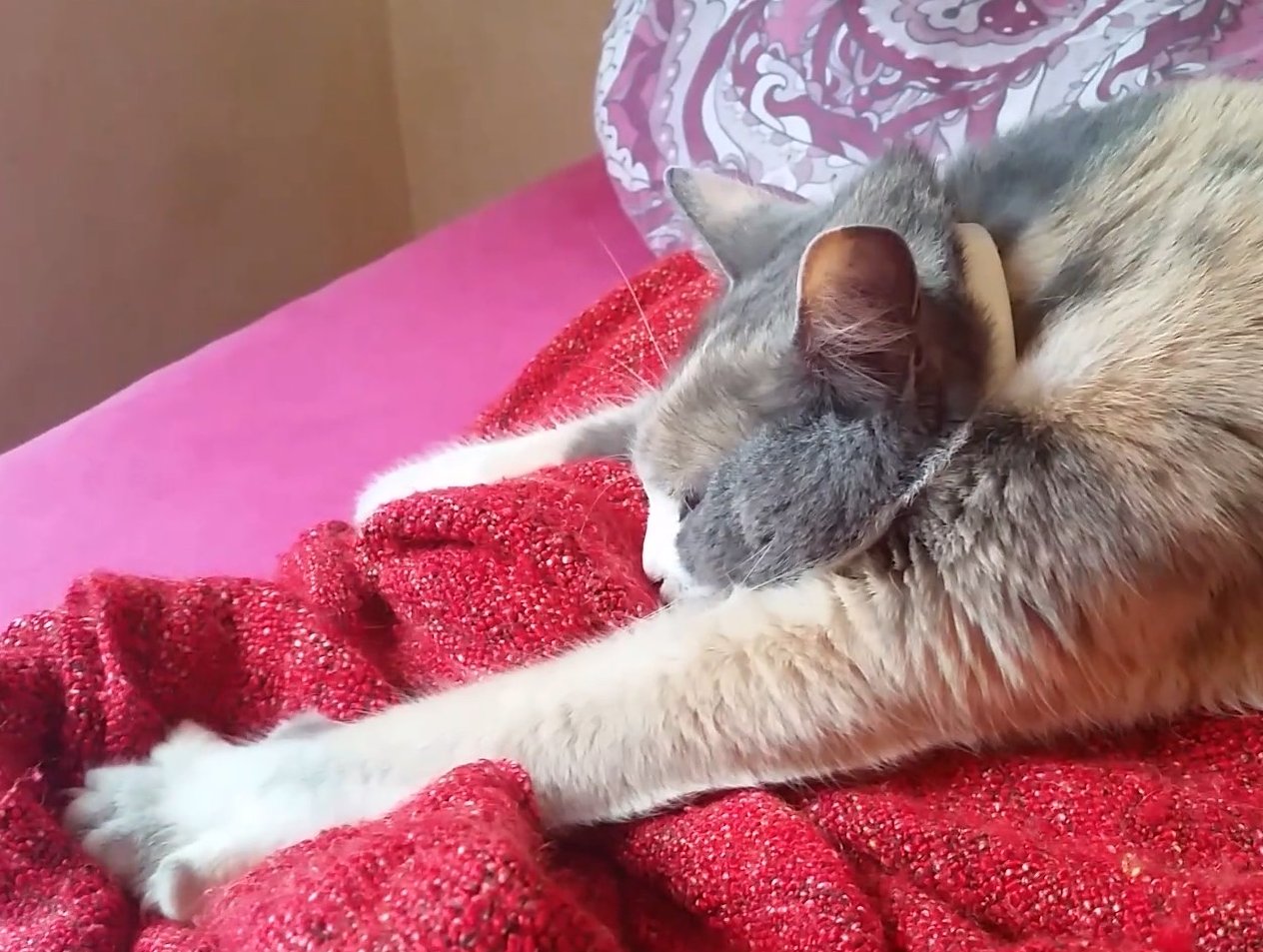
One of the most obvious answers to why cats knead is simple: it feels good. The rhythmic motion, combined with the release of endorphins, acts as a natural stress reliever for cats. Much like a human might fidget or tap their fingers when anxious, a cat will knead to regulate its emotions. This is especially common in cats that are about to settle down for a nap. You’ll often see a cat circle around, pat down the area, and then begin a slow, deliberate kneading session before curling into a ball.
This behavior is a throwback to wild feline ancestors who would trample down tall grass or leaves to create a soft, safe nest for sleeping or giving birth. By kneading, a cat is essentially “fluffing” its sleeping spot, checking for hidden dangers, and making the area more comfortable. In a domestic setting, a soft blanket or a plush pillow is the modern equivalent of that grassy den. The pressure from the paws also stimulates the release of oxytocin, the “love hormone,” which deepens the bond between the cat and the object or person it’kneading. So, when your cat kneads you before settling down, it’s not just getting comfortable—it’s actively creating a safe, loving space for itself.
Kneading as a Sleep Aid
Many cats knead for several minutes before finally lying down. This is not random behavior; it is a deliberate ritual. The kneading motion helps to relax the muscles in the shoulders and forelegs, releasing tension built up during the day. Additionally, the rhythmic pressure on the paws helps to lower the cat’s heart rate, preparing it for deep sleep. Veterinarians often note that cats who knead before sleeping tend to have more restful sleep cycles because they have successfully transitioned from a state of alertness to a state of deep relaxation. If your cat kneads you at bedtime, consider it a compliment—it trusts you enough to let its guard down completely in your presence.
Kneading as a Sign of Affection and Bonding
When your cat kneads you, it is often interpreted as a sign of love, and for good reason. This behavior is a direct carryover from kittenhood, where kneading was reserved for the mother. By kneading you, your cat is treating you as a surrogate parent or a trusted littermate. This tactile interaction releases feel-good hormones in both the cat and the human, strengthening your mutual bond. The purring that usually accompanies kneading is a low-frequency vibration that has been shown to have healing properties for bones and tissues—so in a way, your cat is literally “therapizing” you while showing affection.
However, it’s important to note that not all cats knead as a sign of affection. Some knead out of habit or stress. But when kneading is combined with other positive body language—like a raised tail, slow blinking, and a relaxed posture—it’s safe to say your cat is expressing contentment and trust. Cats are often very selective about who they knead; they typically reserve this behavior for their favorite humans. If your cat only kneads you and not your partner or guests, it’s a clear indication that you are their chosen person. This selective bonding is rooted in the cat’s solitary ancestry, where trust was not given lightly.
The “Biscuit” Ritual and Human Interaction
Many cat owners encourage kneading by providing soft blankets or wearing thick clothing, which creates a positive feedback loop. Some cats even “nurse” on a blanket while kneading, sucking on the fabric as if it were a mother’s nipple. This is a sign of extreme comfort and is harmless, though you may want to redirect the behavior if your cat is ingesting fabric. The key is to respond positively to kneading—speak softly, pet gently, and avoid sudden movements. This reinforces the behavior as a positive interaction, making your cat more likely to repeat it. If the claws become too sharp, you can gently place your hand under your cat’s paws to act as a buffer, or keep their nails trimmed to avoid discomfort.
Kneading in Wild Cats: A Look at Big Feline Behavior
To fully grasp why cats knead, it’s fascinating to look at their larger cousins. Wild felids, such as cheetahs, leopards, and cougars, also exhibit kneading behavior, although it is less frequently observed due to their elusive nature. In these big cats, kneading serves several critical survival functions. First, it helps to prepare a comfortable birthing den. A pregnant leopard, for example, will spend significant time kneading the ground to soften the soil and flatten vegetation, creating a safe, hidden spot for her cubs. This instinct is so strong that even domestic cats that have never been pregnant will knead before entering a cozy box or bed.
Second, wild cats knead to mark their territory in areas where scratching trees are scarce. In open savannas or rocky terrains, pawing the ground leaves a scent that lasts longer than urine in some cases. This is particularly important for solitary hunters like the snow leopard, which inhabits vast, sparse territories. The kneading action also helps to sharpen their claws and stretch the muscles in their forelegs, keeping them primed for hunting. So, while your house cat’s kneading might seem purely for comfort, it is genetically linked to these survival behaviors that have been honed over millions of years.
Feral Cat Kneading Habits
Feral cats, which live without regular human contact, knead for many of the same reasons as domestic cats, but with a stronger emphasis on survival. They will knead straw, leaves, and even dirt to create insulated nests that protect them from cold and predators. Feral mother cats will knead the ground around their kittens to create a depression that keeps the litter contained and hidden. The scent-marking aspect of kneading is also more critical for feral cats, as they compete for limited resources like food and shelter. By kneading a prime hunting spot, a feral cat signals to others that the area is occupied, reducing the likelihood of dangerous confrontations.
When Kneading Becomes a Problem: Claws and Overstimulation
While kneading is usually a delightful behavior, it can become problematic when your cat’s claws are too sharp or when the kneading becomes obsessive. The average domestic cat has 18 claws (five on each front paw and four on each back paw), and these can easily puncture skin or snag delicate fabrics like silk or cashmere. If your cat kneads you aggressively, it’s not trying to hurt you—it’s simply so relaxed that it forgets to retract its claws. The best solution is to keep your cat’s nails trimmed every two to three weeks. You can also place a thick towel or a special “kneading blanket” on your lap to protect your legs.
In rare cases, kneading can become a compulsive behavior, especially in cats that were weaned too early or that have experienced trauma. If your cat kneads for hours on end, ignores food or play, or kneads until it causes sores on its paws, you should consult a veterinarian. This could be a sign of underlying anxiety or a neurological issue. However, for the vast majority of cats, kneading is a healthy, normal behavior that should be encouraged. If you want to redirect the kneading away from your body, gently place your cat on a soft mat or blanket whenever it starts. Over time, your cat will learn that the blanket is an acceptable substitute.
Kneading and Purring: A Powerful Combination
The combination of kneading and purring is one of the most soothing sounds and sights in the animal kingdom. Purring itself is a unique vocalization produced by the rapid contraction of the laryngeal muscles, occurring at frequencies between 25 and 150 Hertz. This frequency range is known to promote bone density and tissue healing in cats. When a cat kneads and purrs simultaneously, it is engaging in a full-body relaxation response. The physical exertion of kneading increases blood flow to the paws, while the purring vibrations soothe the entire body. This is why cats often fall asleep immediately after a long kneading session—they have effectively meditated themselves into a state of deep calm.
Conclusion: Embracing Your Cat’s Biscuit-Making
So, why cats knead is a question with a multi-layered answer that spans biology, psychology, and evolution. From a kitten’s first instinctive push to stimulate milk flow, to an adult cat’s need to mark territory and self-soothe, kneading is a deeply ingrained and utterly natural behavior. It is a sign of comfort, trust, and affection, and it connects your domestic companion to its wild ancestors who kneaded dens in the savanna. The next time your cat settles onto your lap and begins its rhythmic paw-pressing, remember that you are witnessing a ritual that is millions of years in the making. Embrace the biscuits, keep a soft blanket handy, and know that your cat is not just kneading—it is telling you that you are its safe place, its home, and its family. So let the purring commence and the biscuits flow—it’s one of the greatest joys of sharing your life with a cat.
❓ Frequently Asked Questions
💬 Why do cats knead?
Cats knead as a leftover instinct from kittenhood, when they pressed on their mother's belly to stimulate milk flow. It's also a way to mark territory with scent glands in their paws and to show contentment or comfort.
💬 Is kneading a sign that my cat is happy?
Yes, kneading is often a sign of happiness and relaxation, especially if your cat is purring and has relaxed body language. It mimics the comforting feeling of nursing, so cats do it when they feel safe and content.
💬 Why does my cat knead me with her claws?
Your cat kneads you with her claws because the paw pads contain scent glands, and pressing her claws helps release her scent to mark you as her territory. The claws also naturally extend during the kneading motion, even if she doesn't mean to hurt you.
💬 Should I stop my cat from kneading?
You generally shouldn't stop kneading, as it's a natural, comforting behavior for cats. If it's painful, gently place a thick blanket under her paws or trim her claws to reduce discomfort.