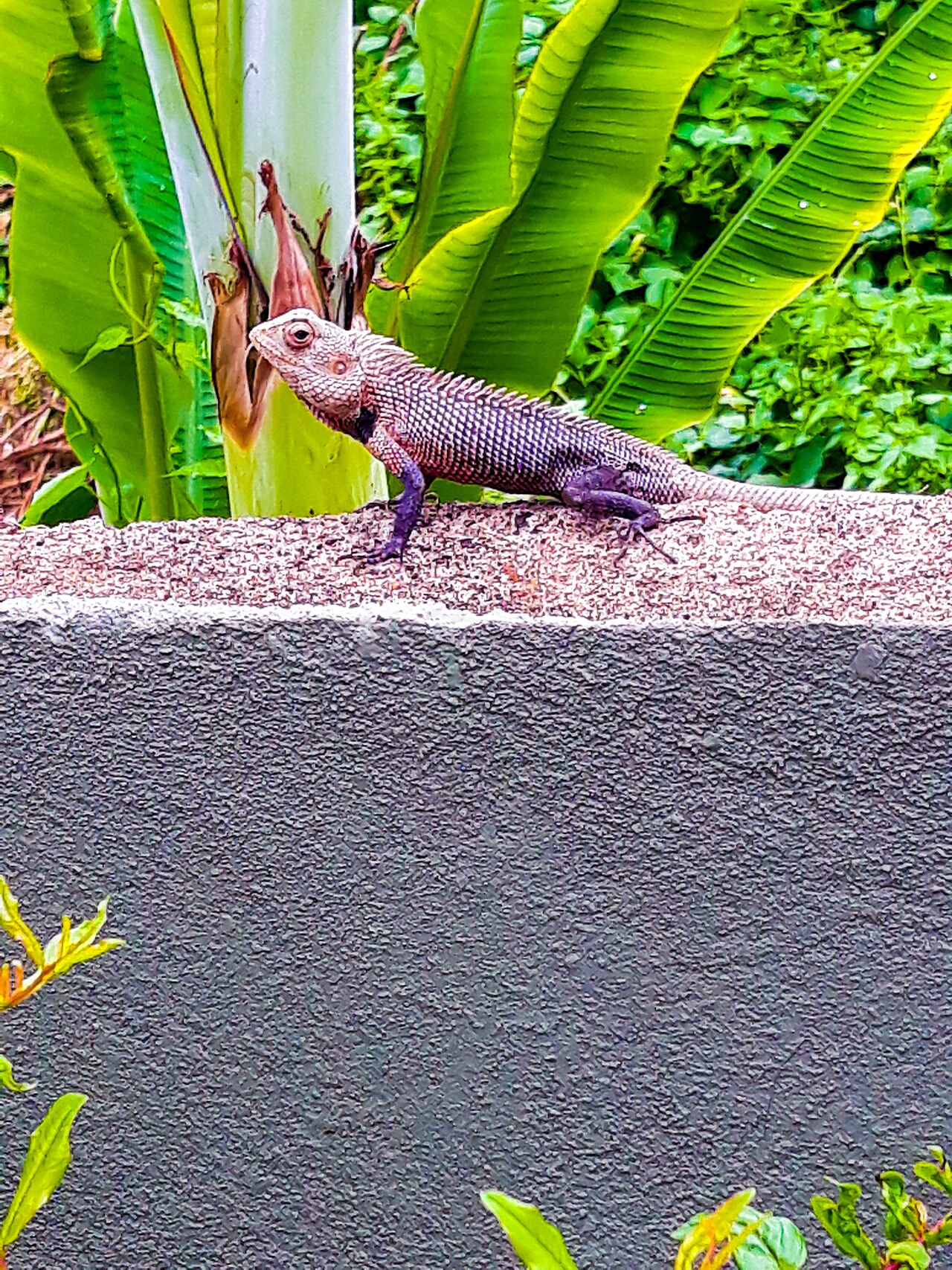
- The Hidden Truth Behind Chameleon Color Change
- The Two-Layer Skin System
- Why Chameleon Color Change Isn’t Just Camouflage
- Emotional States and Social Hierarchies
- The Biology of Chameleon Color Change: Cells, Crystals, and Pigments
- Neurological Control and Speed
- Species-Specific Color Change Patterns and Behaviors
- Diet and Color Intensity
- The Role of UV Light and Vision in Chameleon Color Change
- Habitat and Ambient Light Conditions
- Common Misconceptions About Chameleons and Color
- Captive Care and Color Health
- The Evolutionary Advantage of Chameleon Color Change
- Comparison with Other Color-Changing Animals
- Conclusion: Beyond the Myth of Camouflage
- ❓ Frequently Asked Questions
The chameleon color change is one of nature’s most iconic illusions, yet the truth behind it is far more fascinating than simple camouflage. For decades, popular culture has told us that chameleons shift their skin tones primarily to blend into leaves and branches, but modern herpetology reveals a hidden world of communication, temperature regulation, and physiological wizardry. These reptiles aren’t just living mood rings; they are masters of structural color manipulation, using microscopic crystals in their skin to create iridescent displays that can signal aggression, attract mates, or even cool down on a hot day.
The Hidden Truth Behind Chameleon Color Change
When you picture a chameleon, you likely imagine a green lizard perched on a twig, slowly turning brown against bark. While background matching does occur, it is only a small piece of the puzzle. In reality, chameleons change color to express emotional states, regulate body temperature, and communicate with rivals. A stressed panther chameleon might turn jet black, while a dominant male in breeding season flaunts electric blues and fiery oranges that have nothing to do with the color of the surrounding foliage.
Scientists have long debated the exact mechanism, but a landmark 2015 study published in Nature Communications finally cracked the code. Researchers at the University of Geneva discovered that chameleons possess specialized cells called iridophores in two layers of their skin. The upper layer contains tiny, guanine nanocrystals arranged in a triangular lattice. When the chameleon is relaxed, these crystals sit close together, reflecting short wavelengths like blue. When excited, the crystals spread apart, reflecting longer wavelengths like yellow, orange, and red. This is not pigment mixing—it’s structural color engineering on a microscopic scale.
The Two-Layer Skin System
Beneath the superficial iridophores lies a second, thicker layer of cells that reflect near-infrared light. This deeper layer acts as a heat shield, preventing the lizard from overheating when displaying dark colors. The combination allows chameleons to perform a “double trick”: changing visible color for social reasons while simultaneously managing their internal thermal budget. No other reptile family has evolved this dual-layer nanocrystal system, making chameleons truly unique among squamates.
Interestingly, the color change is not instantaneous. A full shift from bright green to deep black can take 20 to 30 seconds, which is slow compared to cephalopods like cuttlefish. But chameleons don’t need speed—they rely on stillness and cryptic posture to avoid predators, reserving dramatic color shifts for deliberate social moments.
Why Chameleon Color Change Isn’t Just Camouflage
If camouflage were the primary driver, you would expect chameleons to match every perch they sit on with pixel-perfect accuracy. Instead, field observations show that many species remain a constant shade of green or brown regardless of their background. The veiled chameleon (Chamaeleo calyptratus), native to Yemen and Saudi Arabia, often stays bright green on brown branches. The true function of color change is social signaling, with camouflage serving as a secondary, opportunistic benefit.
Consider the panther chameleon (Furcifer pardalis) of Madagascar. Males in the Ambilobe region display vivid red and blue stripes, while those from Nosy Be island show turquoise and white. These regional “morphs” are genetically fixed, but within each morph, the intensity of colors fluctuates based on mood. A male encountering a rival will intensify his brightest hues, making himself appear larger and more threatening. If he loses the confrontation, he dulls to a muted gray-brown to signal submission, avoiding a physical fight.
Emotional States and Social Hierarchies
Chameleon color change is closely linked to the autonomic nervous system. When a chameleon feels threatened, its adrenal glands release hormones that cause the nanocrystals to rearrange. Aggression produces high-contrast patterns—often black stripes over a bright base color—that are designed to startle. Courtship, on the other hand, triggers pastel gradients and rapid flickering between hues, which females interpret as health and genetic fitness. Female chameleons also use color to indicate reproductive status; a gravid (pregnant) female will display a “rejection pattern” of bright yellow and black spots to deter persistent males.
Temperature is another critical driver. Because chameleons are ectothermic, they rely on external heat sources. Dark colors absorb more solar radiation, so a cold chameleon will darken its skin to warm up faster in the morning sun. Conversely, a hot chameleon lightens its skin to reflect sunlight and prevent overheating. This thermal function is so important that it often overrides camouflage—a chameleon sitting on a green leaf will still turn dark if it’s chilly, even though that makes it more visible to predators.
The Biology of Chameleon Color Change: Cells, Crystals, and Pigments
To truly understand chameleon color change, you must look below the surface. The skin of a chameleon is composed of four distinct layers, each playing a role in the final visual output. The outermost layer is the epidermis, which contains yellow and red pigments called xanthophores and erythrophores. Beneath that lie the two layers of iridophores mentioned earlier, and finally a layer of melanin-containing cells called melanophores that can darken the skin by moving pigment granules upward.
The magic happens in the iridophores. These cells are packed with guanine crystals—the same substance found in fish scales and spider silk. Each crystal is about 130 nanometers wide, and the spacing between them determines which wavelengths of light are reflected. When the chameleon is calm, the crystals form a tight lattice that reflects blue light. This blue light passes through the overlying yellow pigments in the epidermis, resulting in green—the classic chameleon color. When excited, the lattice loosens, reflecting red and yellow light directly, which produces orange or scarlet displays.
Neurological Control and Speed
Unlike cephalopods, which use muscular contraction to expand and shrink pigment sacs, chameleons control their color change through the autonomic nervous system and hormonal signals. The brain sends signals via the sympathetic nervous system to the iridophores, causing the cells to swell or contract. This changes the distance between the nanocrystals, effectively tuning the “photonic crystal” like a radio dial. The process is energy-efficient but not instantaneous, which explains the 20-second lag between stimulus and full color shift.
Interestingly, chameleons also have the ability to create “split” color changes—one side of the body can be bright while the other is dark. This is particularly useful when a male is courting a female on his right side while keeping an eye on a rival on his left. The nervous system can independently control different skin regions, allowing for complex, directional signaling that would be impossible with a simple whole-body pigment shift.
Species-Specific Color Change Patterns and Behaviors
Not all chameleons are created equal when it comes to color versatility. The brown leaf chameleon (Brookesia superciliaris) of Madagascar is a tiny, ground-dwelling species that rarely changes color at all, relying instead on its naturally cryptic brown hue for protection. In contrast, the panther chameleon is a color-change champion, capable of producing over 20 distinct hues including pink, turquoise, and neon green. The Jackson’s chameleon (Trioceros jacksonii), native to East Africa, uses green as its base but can shift to yellow or black for social displays.
Size and habitat also influence color behavior. Larger species like the Parson’s chameleon (Calumma parsonii), which can reach 27 inches in length and live up to 15 years in captivity, tend to have slower, more deliberate color changes. Smaller species, such as the pygmy leaf chameleon (Rhampholeon spp.), which grows to only 2 inches, rely more on static camouflage because their small size makes them vulnerable to a wider range of predators.
Diet and Color Intensity
A chameleon’s diet directly impacts its ability to display vibrant colors. In the wild, chameleons are insectivores, consuming crickets, roaches, flies, and occasionally small vertebrates. The carotenoids and other pigments in these prey items are stored in the epidermal pigment cells, enhancing yellow and red tones. Captive chameleons fed a monotonous diet of gut-loaded crickets often appear duller than their wild counterparts. Keepers who supplement with carotenoid-rich foods like black soldier fly larvae and hornworms notice a significant improvement in color vibrancy within weeks.
Hydration is another factor. Dehydrated chameleons lose skin turgor, which compresses the iridophore lattice and dulls the structural colors. A well-hydrated chameleon displays bright, saturated colors, while a dehydrated one looks dusty and muted. This is why experienced keepers monitor not just drinking habits but also the brightness of their pet’s skin as an early warning sign of health issues.
The Role of UV Light and Vision in Chameleon Color Change
Chameleons have remarkable vision—each eye moves independently, and they can see in both visible and ultraviolet (UV) light. This UV sensitivity is crucial because many chameleon color patterns include UV-reflective patches that are invisible to human eyes but highly conspicuous to other chameleons. A male’s UV-bright stripes might look plain gray to us, but to a rival chameleon, they are a blazing warning sign.
This hidden UV channel means that chameleon color change is even more complex than we perceive. When a chameleon shifts from green to yellow, it is also altering its UV reflectance profile, sending a layered message that combines visible and invisible signals. Researchers use specialized UV-sensitive cameras to study these patterns, revealing a secret communication system that has been evolving for over 65 million years, since chameleons diverged from other lizards in the Cretaceous period.
Habitat and Ambient Light Conditions
The effectiveness of color change also depends on the light environment. Chameleons living in dense rainforest understories, like the carpet chameleon (Furcifer lateralis) of Madagascar, experience dim, green-shifted light, so their colors tend toward darker greens and browns. Species in open savannahs, like the Namaqua chameleon (Chamaeleo namaquensis) of the Namib Desert, have evolved to handle intense sunlight and extreme temperatures. This species can shift from black in the cold morning to pale gray-white by midday, using its skin as a living solar panel to regulate its body temperature between 84°F and 95°F in an environment where air temperatures swing by 40°F daily.
The Namaqua chameleon is also one of the few chameleon species that lives on the ground, burrowing into sand to escape heat. Its color change is almost purely thermoregulatory, with social signaling taking a backseat. This demonstrates that chameleon color change is not a single behavior but a multifunctional adaptation that varies dramatically across the 200+ known species.
Common Misconceptions About Chameleons and Color
Despite the wealth of scientific knowledge, several myths persist. The most common is that chameleons change color to match any surface like a photocopier. In reality, they cannot match patterns or fine textures—only broad color families. A chameleon placed on a red-and-white checkered towel will not turn checkered; it will simply produce a general reddish hue if stressed or excited. Moreover, many chameleons are colorblind to red and orange, meaning they cannot even perceive the colors they produce in those ranges—their displays are tuned for the visual systems of other chameleons, not for their own perception.
Another misconception is that chameleons change color only when they are happy or angry. In truth, color change is a constant, dynamic process influenced by light intensity, temperature, humidity, and even time of day. Many chameleons are darker in the morning to absorb heat and lighter by afternoon to reflect it. Some species, like the Malagasy giant chameleon (Furcifer oustaleti), which can reach 28 inches in length and weigh over 1.5 pounds, exhibit daily circadian rhythms in their color patterns, independent of any external stimulus.
Captive Care and Color Health
For pet owners, understanding chameleon color change is essential for proper husbandry. A veiled chameleon that suddenly turns dark brown or black is likely stressed, cold, or ill. A healthy, relaxed veiled chameleon displays a bright green base with yellow and blue bands. If you notice your pet chameleon remaining persistently dark during the day, check the basking temperature (should be 85-95°F for veiled chameleons) and humidity (50-70%). Similarly, a female chameleon that develops bright yellow and black patterns is likely gravid and needs a proper laying bin to prevent egg-binding, a common fatal condition in captive females.
Captive chameleons also show color changes in response to handling. Regular, gentle handling can desensitize them, but excessive stress will suppress their immune system and lead to illness. The best approach is to observe their color as a barometer of well-being, intervening only when patterns persist for hours or are accompanied by other symptoms like lethargy or loss of appetite.
The Evolutionary Advantage of Chameleon Color Change
Why did chameleons evolve this extraordinary ability while other lizards did not? The answer lies in their arboreal lifestyle and slow, deliberate movement. Chameleons are ambush predators that rely on stillness to approach prey and avoid predators. Because they cannot flee quickly, they needed an alternate defense mechanism. Color change provides a dual solution: cryptic coloration to hide from predators and dramatic displays to deter rivals without physical combat, which would risk injury.
The nanocrystal mechanism is also energy-efficient. Unlike building massive muscles or venom glands, tuning crystal spacing requires relatively little metabolic investment. This allowed chameleons to colonize diverse niches across Africa, Madagascar, Southern Europe, and South Asia. Today, Madagascar alone hosts over 90 endemic species, each with unique color patterns and display behaviors, making it the global hotspot for chameleon diversity.
Comparison with Other Color-Changing Animals
Chameleons are often compared to octopuses, squid, and cuttlefish, but the mechanisms are entirely different. Cephalopods use muscular sacs filled with pigment that expand and contract, achieving changes in milliseconds. Chameleons, by contrast, use passive structural crystals that rearrange on a slower timescale. Anoles, a group of American lizards, can shift between green and brown, but they do so using only pigment aggregation and dispersion, lacking the iridescent nanocrystal layer. This makes chameleon color change a unique evolutionary invention, appearing only in the family Chamaeleonidae.
Interestingly, the chameleon’s ability to reflect near-infrared light is shared with some deep-sea fish and butterflies, suggesting convergent evolution of photonic structures. The deeper layer of iridophores acts as a “thermal mirror,” reflecting heat back into the environment. This is why a chameleon can sit in full sun for hours without overheating—its skin is actively managing its radiative heat load in a way that no other terrestrial vertebrate can.
Conclusion: Beyond the Myth of Camouflage
The chameleon color change is a masterpiece of evolutionary engineering, far exceeding the simplistic “camouflage lizard” label of childhood documentaries. It is a sophisticated language of light, temperature, and emotion, written in guanine crystals and read through ultraviolet-sensitive eyes. Whether a panther chameleon flashes neon orange to intimidate a rival, a Namaqua chameleon darkens to absorb desert warmth, or a gravid female signals her unavailability with yellow spots, every shift in hue is a precise, purposeful act of survival.
For keepers and enthusiasts, appreciating this hidden truth transforms how we observe these creatures. We no longer ask, “What color is it trying to match?” but rather, “What is it trying to say?” The next time you see a chameleon turn from green to black, remember that you are witnessing a conversation between microscopic crystals and the lizard’s nervous system—a conversation that has been evolving for 65 million years, and one that we are only beginning to fully understand.
❓ Frequently Asked Questions
💬 Do chameleons change color to match their background?
No, that's a common myth. Chameleons change color primarily to communicate mood, social status, or temperature, not to camouflage with their surroundings, though some species can adjust brightness slightly to blend in.
💬 How do chameleons actually change color?
They have special skin cells called chromatophores and iridophores with nanocrystals. By relaxing or tightening their skin, they alter the spacing of these crystals, which changes how light reflects and produces different colors.
💬 What does a chameleon's color mean?
Bright colors often signal aggression, courtship, or stress, while darker colors absorb heat when cold and lighter colors reflect heat when hot. A calm, relaxed chameleon usually shows duller, neutral tones.
💬 Can a chameleon change color instantly?
No, it takes a few seconds to a few minutes. The process involves controlled muscle movements and cell responses, so it's not instantaneous like a light switch, but it's still remarkably fast for a biological change.