- The Short Answer: A Genetic Mutation Called Chondrodysplasia
- Why Doesn't the Whole Dog Shrink?
- Why Did Humans Breed Corgis With Short Legs?
- The Cattle-Herding Problem
- Working Under Fences and Through Brush
- The "Dwarf" Working Dog Tradition
- The Two Corgi Breeds and Their Shared Build
- What Corgi Short Legs Cost: The Health Trade-Offs
- Intervertebral Disc Disease (IVDD)
- Obesity Pressure
- Joint and Growth Issues
- What Corgi Short Legs Don't Cause
- Living With a Low-Slung Dog: Practical Care
- Exercise and Temperament
- The Surprising Truth, Summed Up
- ❓ Frequently Asked Questions
The question of why corgis have such distinctive corgi short legs is one of the most common things people wonder about this beloved Welsh breed—and the answer is more surprising than most dog lovers expect. Those stubby, powerful little legs weren't an accident of cute breeding or a random genetic quirk; they're the product of centuries of deliberate selection for a working dog that had to dart, dodge, and drive cattle across rough pasture without getting kicked in the head. In this article, we'll dig into the real science and history behind the corgi's famous low-slung build, from the specific gene mutation responsible to the surprising health trade-offs that come with it.
The Short Answer: A Genetic Mutation Called Chondrodysplasia
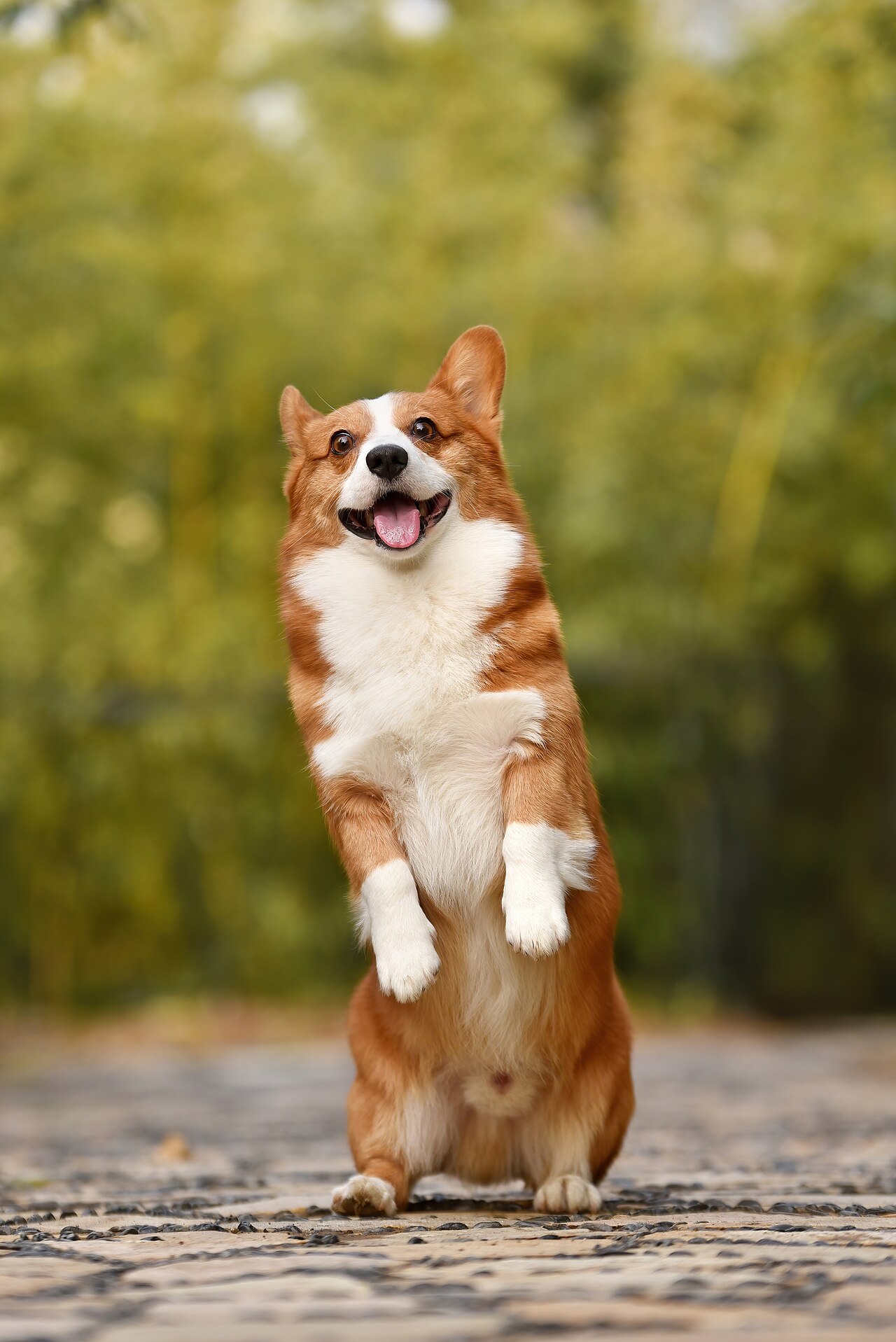
At the heart of the corgi short legs story is a condition called chondrodysplasia—sometimes called chondrodystrophy. This is a genetic trait that affects the development of cartilage, particularly in the long bones of the legs. Instead of growing normally, the cartilage in the growth plates of the leg bones converts to bone too early, which stops the bones from lengthening. The result is a dog with a normal-sized body and disproportionately short, thick legs.
This isn't unique to corgis. The same mutation is found in Dachshunds, Basset Hounds, Scottish Terriers, Shih Tzus, and many other "dwarf" breeds. In scientific terms, these dogs are classified as having osteochondrodysplasia, a form of skeletal dwarfism. The trait is caused by a mutation in the FGF4 retrogene—a small piece of genetic code that got inserted into the dog genome and behaves like a dominant gene. A puppy only needs to inherit one copy of the mutation from either parent to develop short legs.
What's fascinating is that this same FGF4 insertion has appeared independently in multiple dog lineages over thousands of years. Researchers studying canine genetics have found that the mutation likely originated once in an ancient dog population and then spread through selective breeding across Europe. So when you look at a corgi, a dachshund, and a basset hound side by side, you're seeing the same genetic event expressed in three very different body types.
Why Doesn't the Whole Dog Shrink?
The mutation doesn't create a miniature dog—it creates a dog with a specific proportion problem. Corgis have a full-sized ribcage, a deep chest, and a sturdy spine. Only the limbs are affected. This is why a Pembroke Welsh Corgi stands just 10 to 12 inches at the shoulder but weighs a substantial 25 to 30 pounds, with some males reaching 30 pounds or slightly more. Cardigan Welsh Corgis are a bit larger, standing 10.5 to 12.5 inches and weighing 25 to 38 pounds. That's a lot of dog packed into a low frame.
Why Did Humans Breed Corgis With Short Legs?
Here's where the corgi short legs story gets genuinely surprising: the legs weren't bred for looks, and they weren't bred to be cute. They were bred for a specific, dangerous job.
The Cattle-Herding Problem
Corgis are herding dogs, but not the kind that run alongside sheep on open hills. They were developed in Wales—Pembrokeshire for the Pembroke and Cardiganshire (now Ceredigion) for the Cardigan—to drive cattle. Welsh cattle of the era were semi-feral, large-horned animals that grazed on rough common land. A herding dog working cattle faces a serious hazard: the kick. A cow's hind leg swings at roughly the height of a medium-sized dog's head and ribs.
A corgi's low profile solves this elegantly. When a cow kicks, the hoof passes over the dog's back. The corgi can nip at heels and dart underneath the animal's belly to change direction, staying below the danger zone. The short legs also give the corgi a low center of gravity and a wide, stable stance that makes quick turns and sudden stops possible on uneven ground. Farmers noticed which dogs survived and worked best, and over generations they selected for exactly that build.
Working Under Fences and Through Brush
Short legs also let corgis slip under gates, through hedgerows, and beneath low fences that would stop a taller dog. In the enclosed field systems of rural Wales, this mobility was a real practical advantage. The dog could follow cattle into tight spaces and pop out the other side without needing a human to open a gate.
The "Dwarf" Working Dog Tradition
Wales wasn't alone in this. The Dachshund was bred short to go underground after badgers. The Basset Hound was bred low to follow scent close to the ground. The corgi belongs to this same tradition of functional dwarfism—breeds where short legs solved a real working problem rather than simply pleasing the eye. What makes the corgi unusual is that it's a herding dwarf, not a hunting or scent-tracking one.
The Two Corgi Breeds and Their Shared Build
There are two distinct corgi breeds recognized by major kennel clubs, and both share the short-legged trait—though they arrived at it through separate breed histories.
- Pembroke Welsh Corgi: The more popular breed, famously associated with Queen Elizabeth II, who owned more than 30 of them during her reign. Stands 10–12 inches at the shoulder, weighs up to about 30 pounds, and is typically tailless or has a naturally short tail.
- Cardigan Welsh Corgi: The older of the two breeds, with a long, fox-like tail. Slightly larger and heavier-boned, standing 10.5–12.5 inches and weighing 25–38 pounds. Often described as more reserved with strangers than the outgoing Pembroke.
Both breeds are classified in the Herding Group by the American Kennel Club. Both have the same double coat—a weather-resistant topcoat over a soft undercoat—and both come in a range of colors including red, sable, fawn, and black-and-tan. And both carry the same chondrodysplasia mutation, though breeders have long worked to maintain sound, functional movement despite the shortened limbs.
What Corgi Short Legs Cost: The Health Trade-Offs
Any honest discussion of the corgi's build has to address the downsides. Chondrodysplasia doesn't just shorten bones—it changes the structure of the joints and spine, and that creates real risks.
Intervertebral Disc Disease (IVDD)
This is the most serious concern. Dogs with chondrodysplasia have abnormal cartilage throughout their bodies, including in the discs between vertebrae. Those discs are more prone to calcification and rupture. When a disc herniates, it presses on the spinal cord and can cause pain, weakness, loss of bladder control, or even paralysis. IVDD is common in Dachshunds and is a recognized risk in corgis as well. Vets typically advise corgi owners to keep their dogs lean, limit jumping from heights like furniture or car seats, and use ramps or steps where practical.
Obesity Pressure
A corgi's short legs mean there's less space between the belly and the ground—and less margin for extra weight. Carrying even a few pounds of excess fat on that long, low back increases stress on the spine and joints. Corgis are famously food-motivated and prone to weight gain, so portion control matters more than it does for many breeds. A healthy adult corgi should have a visible waist when viewed from above and ribs you can feel easily under a thin layer of fat.
Joint and Growth Issues
Corgis can develop hip dysplasia and elbow problems, and puppies need careful management during growth. Because the growth plates in the legs close early, overly rapid growth or excessive high-impact exercise in a young corgi can worsen joint outcomes. Reputable breeders feed large-breed-style growth diets and advise against stairs and hard jumping during the first year.
What Corgi Short Legs Don't Cause
It's worth correcting a common myth: short legs do not make corgis slow or lazy. These are athletic, agile dogs capable of impressive speed and endurance. In herding trials and dog sports like agility and rally, corgis hold their own. Their low build is a design feature, not a disability—as long as the dog is kept fit and sound.
Living With a Low-Slung Dog: Practical Care
If you share your home with a corgi, a few adjustments make a real difference to their comfort and long-term health.
- Manage stairs and furniture: Repeated jumping off couches and beds is a leading cause of back injury in low-slung breeds. Use pet steps or ramps, and block access to high furniture when you can't supervise.
- Keep them lean: Ask your vet to body-condition-score your corgi at every checkup. Reducing weight is the single most effective way to protect that long back.
- Choose low-impact exercise: Daily walks, swimming, and controlled play are ideal. Avoid repetitive jumping and roughhousing on hard surfaces.
- Groom the double coat: Corgis shed heavily twice a year and moderately year-round. Regular brushing and occasional deshedding treatments keep the coat healthy and the house livable.
- Watch for warning signs: Reluctance to climb stairs, yelping when picked up, dragging a hind leg, or changes in gait can signal a spinal problem. See a vet promptly—early IVDD treatment dramatically improves outcomes.
Exercise and Temperament
Don't let the short legs fool you into thinking a corgi is a lap dog. Pembrokes and Cardigans are intelligent, energetic herding dogs that need daily physical exercise and mental work. Bored corgis become vocal, destructive, or nippy—herding instincts don't disappear just because the cattle are gone. Puzzle toys, training games, and short, engaging walks suit them well. They're also famously alert and make excellent watchdogs, and their lifespan is long for a dog of this size: typically 12 to 15 years, with good care sometimes reaching beyond that.
The Surprising Truth, Summed Up
The real answer to why corgis have short legs has nothing to do with fashion and everything to do with function. A single dominant gene mutation—the FGF4 retrogene insertion—truncated the growth of their leg bones, and Welsh farmers then selected for that trait because it kept their dogs alive and effective around dangerous, horned cattle. The corgi short legs let the dog duck a kick, slip under a fence, and pivot on a dime, all while carrying a full-sized, sturdy body. The trade-off is a breed that needs careful weight management and sensible handling to protect its long back and shortened joints. Understanding that history doesn't just satisfy curiosity—it helps owners give these remarkable little dogs the long, active, comfortable lives they were bred to live.
❓ Frequently Asked Questions
💬 Are corgi short legs a health problem?
The short legs themselves are a normal breed trait caused by a genetic form of dwarfism called chondrodysplasia, not a disease. However, the same gene can increase the risk of certain issues like intervertebral disc disease, so corgis benefit from weight control and avoiding high-impact jumping.
💬 Why do corgis have short legs but big bodies?
Corgis carry a genetic mutation that affects cartilage development, so their long bones stop growing early while the rest of the body develops normally. This produces the characteristic long, low body with short legs that helps them herd cattle by dodging kicks.
💬 Can corgis' legs grow longer as they age?
No, the leg length is set by genetics and the growth plates close during puppyhood, so the legs will not get longer with age. What can change is body condition, so keeping your corgi lean helps their legs look and function at their best.
💬 Is it cruel to breed corgis with such short legs?
The short legs are a naturally occurring trait central to the breed and not inherently cruel, but responsible breeding matters. Reputable breeders screen for disc and joint problems, and owners should manage weight and exercise to reduce strain on those short legs.