- Why Dogs Wet Noses: The Anatomy Behind the Drip
- Why Dogs Wet Noses Are Built for Scent Detection
- How the Wet Nose Enhances Airflow
- Why Dogs Wet Noses Help With Temperature Regulation
- Why Dogs Wet Noses Are Not a Health Test
- When Nose Changes Do Matter
- Why Dogs Wet Noses Are Also a Social Signal
- The Nose as a Scent Library
- Common Myths About Wet Noses, Debunked
- How to Keep Your Dog's Nose Healthy
- Nutrition and Nose Health
- Conclusion: The Wet Nose Is a Feature, Not a Flaw
- ❓ Frequently Asked Questions
If you have ever pressed your forehead against a dog's snout and felt that cool, damp touch, you have probably wondered about the reason behind why dogs wet noses are so common — and whether that moisture is a sign of health, a quirk of anatomy, or something in between. The wet nose is one of the most familiar features of our canine companions, yet it is also one of the most misunderstood. Ask ten dog owners why noses are wet and you may hear ten different answers: it helps them smell, it keeps them cool, it means they are healthy, or it is simply "just how dogs are." The truth, as with most things in biology, is more interesting than any single explanation. A dog's nose is a sophisticated sensory organ, a cooling system, and a social signaling device all rolled into one, and the moisture on its surface plays a role in nearly every one of those functions.
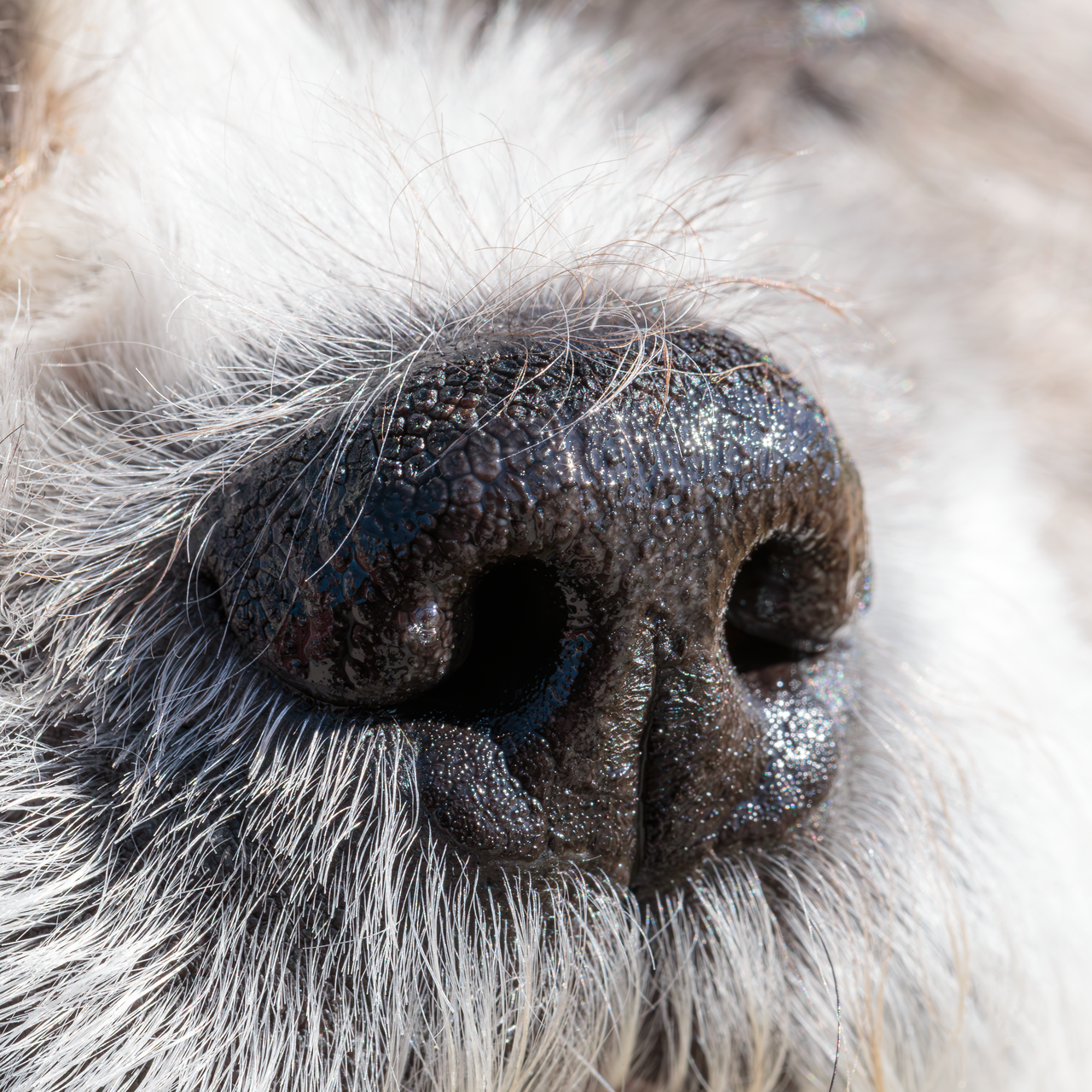
Why Dogs Wet Noses: The Anatomy Behind the Drip
To understand the wet nose, you first need to understand what is underneath it. The visible part of a dog's nose — the leathery, usually black or brown patch at the tip — is called the rhinarium, or more commonly the nose leather. It is made of thick, hairless skin that is densely packed with sensory nerve endings and covered in a thin film of mucus and saliva. This surface is not a closed system. It is constantly being moistened from two directions: from the inside by glands and secretions in the nasal cavity, and from the outside by the dog's own tongue.
Dogs have several sets of glands that contribute to nasal moisture. The lateral nasal glands, located near the openings of the nostrils, secrete a watery fluid that spreads across the nose leather. Meanwhile, the nasal cavity itself is lined with mucus-producing tissue that keeps the airway humid and traps particles. A dog also spreads moisture physically: when it licks its nose, it transfers saliva from the tongue to the rhinarium. This licking behavior is so common that many dogs do it dozens of times per day, especially after eating, drinking, or becoming excited.
The result is a surface that is almost always slightly damp. But the wetness is not uniform. A dog's nose may be wetter after a meal, drier after a long nap, and damper again after a vigorous sniffing session. This natural fluctuation is one reason why judging a dog's health by nose moisture alone is unreliable — a point we will return to later.
Why Dogs Wet Noses Are Built for Scent Detection
The most important biological reason for a wet nose is smell. Dogs are famous for their olfactory abilities, and the moisture on the rhinarium is a critical part of how that system works. When a dog sniffs, airborne scent molecules enter the nostrils and dissolve in the thin layer of mucus on the nasal lining. Only when those molecules are dissolved can they bind to olfactory receptors and trigger a signal to the brain. In other words, moisture is the solvent that makes smell possible.
The nose leather itself also plays a direct role. Because it is covered in a film of fluid, it captures scent particles from the air as the dog moves its head. The dog then licks the rhinarium, transferring those captured molecules to the vomeronasal organ (also called Jacobson's organ) on the roof of the mouth. This organ is specialized for detecting pheromones and other chemical signals that carry social information — things like the sex, reproductive status, and even emotional state of another animal.
The numbers here are staggering. A human nose contains roughly 5 to 6 million olfactory receptors. A dog's nose contains anywhere from 125 million to 300 million, depending on the breed. Bloodhounds, which have some of the most sensitive noses in the canine world, may have as many as 300 million receptors. The portion of a dog's brain devoted to analyzing smells is also proportionally about 40 times larger than the equivalent region in humans. This is why a dog can detect a scent trail that is days old, or identify a specific person from a single fingerprint.
How the Wet Nose Enhances Airflow
There is another, subtler advantage to a wet nose: it helps direct airflow. The moisture and the shape of the nostrils work together to create a split airflow pattern. When a dog inhales, part of the air streams straight to the lungs for breathing, while another portion is diverted to the olfactory region at the back of the nasal cavity for smelling. This dual-path system means a dog can breathe and smell at the same time, something humans cannot do nearly as efficiently. The wet surface also helps cool the air before it reaches the lungs, protecting delicate tissue from extreme temperatures.
Why Dogs Wet Noses Help With Temperature Regulation
Dogs do not sweat through their skin the way humans do. Their primary cooling mechanisms are panting and the evaporation of moisture from the nose and paw pads. The wet rhinarium acts as a small evaporative cooler: as air passes over the damp surface, water evaporates and carries heat away with it. This effect is modest compared to panting, but it contributes to the dog's overall ability to manage body temperature.
Research has shown that the nose leather is richly supplied with blood vessels. When a dog is hot, these vessels dilate, bringing more warm blood to the surface where it can be cooled by evaporation. When the dog is cold, the vessels constrict to conserve heat. This makes the nose a kind of thermal window — a small but responsive part of the dog's temperature-control toolkit. It is worth noting, though, that a wet nose is not a reliable thermometer. A dog with a fever can still have a cool, wet nose, and a healthy dog can have a warm, dry one.
Why Dogs Wet Noses Are Not a Health Test
Perhaps the most persistent myth about canine noses is that a warm, dry nose means a sick dog, while a cold, wet nose means a healthy one. Veterinarians hear this belief constantly, and they are unanimous in saying it is not a valid diagnostic tool. Nose moisture varies naturally throughout the day based on activity, hydration, ambient temperature, humidity, sleep, and even breed. A dog that has just woken up from a long nap often has a dry nose. A dog that has been running in cold air may have a very wet one. Neither state, on its own, indicates illness.
What matters far more is the overall pattern of behavior and health. A dog that is truly unwell usually shows other signs: lethargy, loss of appetite, vomiting, diarrhea, coughing, labored breathing, or a change in drinking and urination habits. If a dog has a dry nose but is otherwise bright, alert, and eating normally, there is generally no cause for concern. If a dog has a wet nose but is subdued, not eating, or showing other symptoms, that is the time to call a veterinarian.
When Nose Changes Do Matter
There are specific nose-related changes that warrant attention. These include:
- Persistent dryness or cracking that does not improve with hydration, which can indicate dehydration, autoimmune conditions like discoid lupus, or skin infections.
- Discharge that is thick, yellow, green, or bloody, which may signal a respiratory infection, foreign object, or tumor.
- Bleeding from the nose without an obvious cause, which requires prompt veterinary evaluation.
- Color changes such as a sudden loss of pigment (depigmentation), which can be linked to immune disorders or, in some cases, be a normal seasonal change in certain breeds.
- Swelling or asymmetry of the nose or muzzle, which could indicate infection, trauma, or cancer.
Some breeds, including Siberian Huskies, Samoyeds, and Golden Retrievers, are prone to a harmless seasonal condition called snow nose or winter nose, in which the nose lightens from black to pinkish-brown during colder months and darkens again in summer. This is cosmetic and not a health problem. Other dogs may develop a pinkish nose as they age, a change called Dudley nose, which is also benign.
Why Dogs Wet Noses Are Also a Social Signal
Beyond smell and temperature, the wet nose serves a social function. Dogs are intensely social animals, and they use scent to communicate with each other and with us. When two dogs meet, they often sniff each other's noses, mouths, and hindquarters. The wet nose is part of this greeting ritual. A damp nose holds scent molecules more effectively, allowing the dog to gather information about the other animal's identity, health, diet, and recent activities.
Dogs also lick their noses in social contexts. A dog may lick its nose when it is nervous, anticipating food, or trying to appease a person or another dog. This is sometimes called a displacement behavior — an action that helps the animal manage mild stress or excitement. If you watch closely, you may notice your dog licking its nose right before you open a bag of treats, or when it is waiting for a command. The wet nose, in this sense, is not just a sensory tool but a small part of the dog's emotional vocabulary.
The Nose as a Scent Library
Every dog's nose carries a unique chemical signature. The combination of secretions, saliva, and environmental particles creates a scent profile that other dogs can read. This is why dogs can recognize familiar individuals by smell alone, even after long separations. It is also why dogs sniff each other so thoroughly when they meet — they are essentially reading a biological ID card. The moisture on the nose helps preserve and concentrate these scent molecules, making the information easier to detect.
Common Myths About Wet Noses, Debunked
The folklore surrounding dog noses is extensive, and separating fact from fiction helps owners make better decisions for their pets. Here are some of the most common myths and what the evidence actually says.
- Myth: A dry nose means a fever. Reality: Nose moisture has no reliable relationship to body temperature. A dog's normal body temperature is between 101 and 102.5 degrees Fahrenheit (38.3 to 39.2 degrees Celsius), and this is best measured with a rectal thermometer, not by touching the nose.
- Myth: A wet nose means the dog is healthy. Reality: Many healthy dogs have dry noses at various times, and some sick dogs have wet noses. Overall behavior and appetite are far better indicators.
- Myth: Dogs need their noses wet to smell. Reality: The internal nasal lining must be moist for smell to work, but the external nose leather can be dry without impairing the dog's ability to detect odors.
- Myth: Licking the nose spreads disease. Reality: Nose licking is normal and generally harmless. It becomes a concern only if the dog is licking excessively due to irritation, allergies, or nasal discharge.
- Myth: You should apply petroleum jelly to a dry nose. Reality: Occasional dryness is usually harmless, but if the nose is cracked or painful, a veterinarian should evaluate it. Some human products can irritate a dog's skin.
How to Keep Your Dog's Nose Healthy
While you cannot control every fluctuation in nose moisture, you can support your dog's overall health in ways that keep the nose functioning well. Hydration is the foundation. A dog that drinks enough water is more likely to have a comfortably moist nose. Make sure fresh water is always available, and pay attention to increased thirst, which can be an early sign of diabetes, kidney disease, or other conditions.
Environmental factors matter too. Dry indoor air, especially during winter, can dry out a dog's nose. A humidifier in the room where your dog sleeps can help. Extreme cold and wind can also chap the nose leather, so limit exposure during harsh weather and consider a protective balm made specifically for dogs if your veterinarian recommends one. Avoid human lip balms, which may contain ingredients that are not safe for pets.
Regular veterinary checkups are the best way to catch nose problems early. During an exam, a veterinarian will look at the nose, check for discharge, and assess the dog's overall health. If you notice any of the warning signs listed earlier — persistent discharge, bleeding, swelling, or changes in behavior — do not wait for a scheduled visit. Early intervention often makes treatment simpler and more effective.
Nutrition and Nose Health
Diet also plays a role, though indirectly. A balanced diet that meets the dog's nutritional needs supports a healthy immune system and skin. Omega-3 fatty acids, found in fish oil and some commercial dog foods, can help maintain skin and coat condition, which may extend to the nose leather. Deficiencies in certain nutrients, such as zinc, can cause skin problems including crusting around the nose. If you are concerned about your dog's diet, talk to your veterinarian rather than adding supplements on your own.
Conclusion: The Wet Nose Is a Feature, Not a Flaw
The wet nose of a dog is one of nature's cleverest small adaptations. It is a scent-capturing surface, an evaporative cooler, a social signaling device, and a window into the animal's sensory world. The moisture comes from glands, saliva, and the nasal lining, and it fluctuates naturally with activity, rest, weather, and hydration. While the old belief that a wet nose equals health and a dry nose equals illness is not supported by veterinary science, the wet nose is still a fascinating part of what makes dogs such remarkable animals. So the next time your dog nudges you with that cool, damp snout, you can appreciate it for what it truly is: a finely tuned instrument that helps your best friend make sense of the world, one scent at a time.
❓ Frequently Asked Questions
💬 Is a warm, dry nose a sign my dog is sick?
Not by itself. A dry nose can simply mean your dog just woke up, is dehydrated, or has been in a warm room, so it's a poor standalone indicator of illness. Look at overall behavior, appetite, energy, and other symptoms instead.
💬 Why do dogs lick their noses so much?
Licking keeps the nose moist and clean, which helps scent particles dissolve so they can be detected by scent receptors. It also helps dogs cool down slightly and is often a calming or appeasement signal.
💬 Does a wet nose really help dogs smell better?
Yes, moisture helps capture and dissolve odor molecules so they reach the scent receptors inside the nose. Some evidence also suggests the evaporation of that thin layer helps dogs detect the direction of a scent.
💬 When should I worry about my dog's nose?
See a vet if the nose is cracked, bleeding, crusty, oozing, or badly sunburned, or if it changes color suddenly, since these can indicate injury, infection, or an autoimmune issue. A dry nose plus lethargy, vomiting, or loss of appetite also warrants a vet visit.