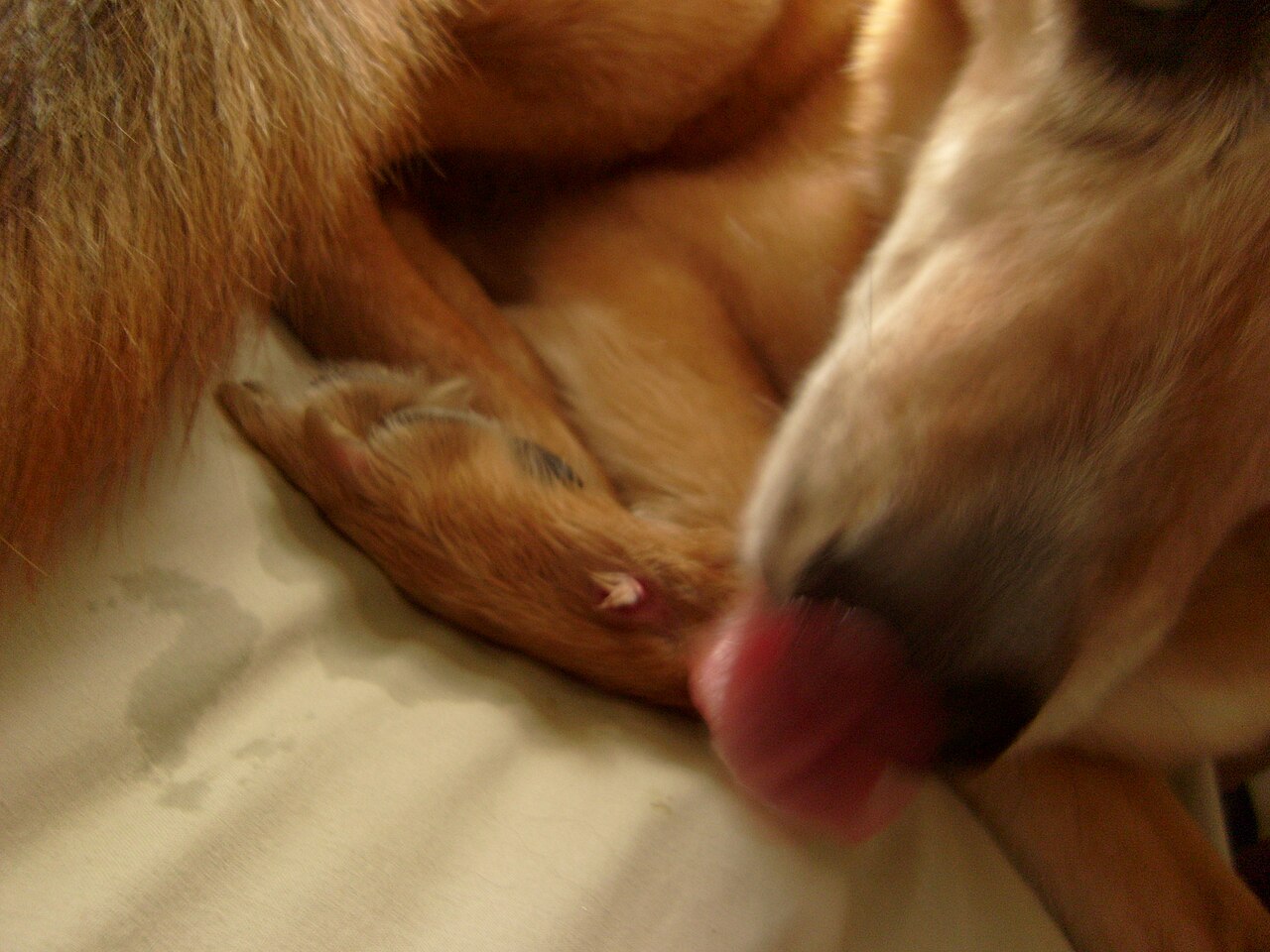
- Why Do Dogs Lick Paws? A Quick Overview
- Medical Reasons Dogs Lick Their Paws
- Allergies and Atopic Dermatitis
- Infections: Yeast and Bacteria
- Parasites
- Pain and Injury
- Dry Skin and Nutritional Deficiencies
- Behavioral Reasons Dogs Lick Paws
- Anxiety and Stress
- Compulsive Disorder (Canine OCD)
- Learned Behavior and Attention
- Environmental Triggers for Paw Licking
- Seasonal Hazards
- Foreign Objects and Grooming Issues
- How to Tell If Paw Licking Is a Problem
- Normal vs. Concerning Behavior
- Warning Signs That Need a Vet Visit
- Treatment and Home Care for Paw Licking
- Veterinary Treatments
- Home Care Tips
- When to Consider a Behaviorist
- Preventing Paw Licking Before It Starts
- The Bottom Line on Dogs Lick Paws
- ❓ Frequently Asked Questions
When a dog licks their paws, it can be a harmless moment of grooming, a sign of boredom, or the first clue that something is genuinely wrong. Many owners notice the behavior during a quiet evening on the couch — a rhythmic, repetitive licking that goes on for 10, 20, even 30 minutes at a time. Occasional paw licking is normal canine behavior, but when it becomes frequent, intense, or focused on one paw, it usually means your dog is trying to tell you something. This article breaks down the medical, behavioral, and environmental reasons behind paw licking, explains when it crosses the line into a problem, and gives you practical steps to help your dog.
Why Do Dogs Lick Paws? A Quick Overview
Paw licking sits at the intersection of normal dog behavior and potential health trouble. Dogs have roughly 1,700 taste buds (compared to about 9,000 in humans), and their paws carry scent glands between the pads that produce pheromones. Licking spreads those scents, cleans the paw, and can soothe irritated skin.
Veterinarians generally divide the causes into three broad categories:
- Medical: allergies, infections, injuries, parasites, pain, or nutritional issues.
- Behavioral: anxiety, stress, boredom, compulsive disorders, or learned habits.
- Environmental: irritants like road salt, lawn chemicals, hot pavement, or foreign objects lodged in the paw.
Because these categories overlap — an allergy can trigger itching, which triggers licking, which causes a secondary infection, which causes more licking — figuring out the root cause often requires a process of elimination. Below, we walk through each possibility in detail.
Medical Reasons Dogs Lick Their Paws
According to veterinary dermatologists, allergies are the single most common medical cause of chronic paw licking in dogs. If your dog licks paws constantly, especially both front paws, allergies should be near the top of your list.
Allergies and Atopic Dermatitis
Dogs with allergies typically itch at the paws, face, ears, armpits, and groin. Unlike humans, who sneeze and wheeze, dogs usually express allergies through their skin — a condition called atopic dermatitis. It affects an estimated 10 to 15 percent of dogs worldwide.
Three main types of allergies cause paw licking:
- Environmental allergies (atopy): Pollen, dust mites, mold spores, and grass. Seasonal or year-round depending on the trigger.
- Food allergies: Most commonly triggered by proteins like beef, chicken, dairy, or wheat. Food allergies cause itching in about 10 to 15 percent of allergic dogs.
- Contact allergies: Direct skin contact with irritants such as lawn fertilizer, cleaning products, or certain fabrics.
Breeds with a higher risk of atopic dermatitis include French Bulldogs, West Highland White Terriers, Golden Retrievers, Labrador Retrievers, Boxers, and Shih Tzus. If your dog licks paws mainly in late summer or spring, environmental pollen is a likely culprit.
Infections: Yeast and Bacteria
When a dog licks their paws repeatedly, moisture builds up between the toes. That warm, damp environment is ideal for yeast (Malassezia) and bacteria to multiply. Signs of infection include:
- A musty, corn-chip-like odor (classic yeast smell)
- Reddish-brown staining of the fur on the paws
- Swollen, red skin between the toes
- Thickened, dark, or leathery paw pads
Yeast infections are especially common in humid climates and in dogs with skin folds. A vet can confirm the diagnosis with a simple skin cytology or tape impression, usually within minutes.
Parasites
Fleas, ticks, mites (such as Sarcoptes or Demodex), and even hookworms can cause intense itching around the paws. Flea allergy dermatitis is a well-known trigger, and a single flea bite can set off days of scratching and licking in sensitive dogs. Mites like Sarcoptes scabiei burrow into the skin and cause severe itching that often starts on the paws, ears, and elbows.
Pain and Injury
Dogs can't tell us when their paws hurt, so they lick. Common injuries include:
- Cuts or punctures: Broken glass, thorns, or sharp rocks on walks
- Burns: Hot pavement in summer can reach 140°F (60°C) and cause second-degree burns in under a minute
- Fractures or sprains: Often accompanied by limping or reluctance to walk
- Nail injuries: Torn or broken nails, or nails grown into the paw pad
- Arthritis: Older dogs may lick joints and paws to soothe chronic pain
If your dog suddenly focuses on one paw and refuses to put weight on it, check for a foreign object like a grass awn, splinter, or burr. Grass awns are notorious for working their way deep into the paw and causing abscesses.
Dry Skin and Nutritional Deficiencies
Low humidity, harsh shampoos, and poor-quality diets can all cause dry, flaky skin that itches. Essential fatty acids — particularly omega-3s like EPA and DHA — support the skin barrier. Dogs fed a diet deficient in these fats, or in zinc and vitamin E, may develop dry, cracked paw pads and itchy skin.
Behavioral Reasons Dogs Lick Paws
If your vet rules out medical causes, the licking is likely behavioral. This doesn't make it less real — behavioral licking can be just as distressing for the dog and can cause physical damage over time.
Anxiety and Stress
Licking releases endorphins, the body's natural painkillers, which create a calming effect. For anxious dogs, this becomes a self-soothing habit. Common anxiety triggers include:
- Separation from owners
- Thunderstorms, fireworks, or loud noises
- New pets, babies, or moving to a new home
- Changes in routine or schedule
- Boredom from lack of exercise or mental stimulation
Dogs left alone for long periods — more than 8 to 10 hours — are more prone to compulsive behaviors. A 2019 study in the journal Animals found that dogs with separation-related problems showed significantly more repetitive licking and pacing than dogs without.
Compulsive Disorder (Canine OCD)
When licking becomes repetitive, excessive, and interferes with daily life, it may be a compulsive disorder. Affected dogs often lick to the point of hair loss, redness, and open sores — a condition called acral lick dermatitis or "lick granuloma."
Lick granulomas typically appear on the front legs or paws as a raised, thickened, hairless sore. They're notoriously difficult to treat because the licking itself keeps the wound open. Breeds with a higher risk include Doberman Pinschers, Great Danes, Labrador Retrievers, German Shepherds, and Weimaraners.
Learned Behavior and Attention
If licking earns your dog attention — even negative attention like "stop that!" — the behavior can become reinforced. Dogs are masters at connecting actions to outcomes. A dog that licks its paw and gets a treat, a pet, or a walk has just learned that licking works.
Environmental Triggers for Paw Licking
Sometimes the cause is literally under your dog's feet. Environmental irritants are easy to overlook but simple to fix.
Seasonal Hazards
- Winter: Ice-melting salts (calcium chloride, sodium chloride) burn paw pads and cause dryness and cracking.
- Summer: Hot asphalt and concrete can cause burns; lawn fertilizers, pesticides, and weed killers are common contact irritants.
- Spring and fall: Pollen, mold, and fallen leaves harbor allergens and moisture.
Foreign Objects and Grooming Issues
Tiny objects can lodge between the toes and cause persistent irritation: pebbles, foxtails, pine needles, sand, and even matted fur. Long nails that curl into the pad are another common culprit — a dog with overgrown nails may lick and chew at the paw to relieve the pressure.
How to Tell If Paw Licking Is a Problem
Not all paw licking is cause for concern. Use these guidelines to decide when to act.
Normal vs. Concerning Behavior
- Normal: Brief licking after a walk, during grooming, or before sleep. Lasts a few seconds to a couple of minutes.
- Concerning: Licking that lasts more than 10 to 15 minutes, happens multiple times a day, focuses on one paw, or causes redness, hair loss, or odor.
Warning Signs That Need a Vet Visit
- Swelling, bleeding, or discharge from the paw
- Limping or reluctance to walk
- Foul smell or discolored fur
- Thickened, dark, or hairless patches
- Licking that interrupts eating, playing, or sleeping
- Sudden onset of intense licking with no obvious cause
If you notice any of these, schedule a veterinary appointment. Early intervention prevents secondary infections and stops the itch-lick cycle from becoming chronic.
Treatment and Home Care for Paw Licking
The right approach depends on the cause, but a combination of veterinary care and home management works best.
Veterinary Treatments
- Allergy management: Antihistamines, corticosteroids, Apoquel, Cytopoint injections, or immunotherapy. A 2020 study found Cytopoint reduced itching by at least 50 percent in about 70 percent of allergic dogs.
- Infection treatment: Medicated shampoos, topical antifungals, or oral antibiotics for 3 to 4 weeks.
- Parasite control: Prescription flea, tick, and mite preventives.
- Behavioral therapy: SSRIs like fluoxetine or clomipramine for compulsive disorders, combined with behavior modification.
- Pain relief: NSAIDs or other medications for arthritis and injuries.
Home Care Tips
- Rinse paws after every walk with lukewarm water to remove allergens and irritants.
- Dry paws thoroughly, especially between the toes, to prevent yeast growth.
- Use dog-safe paw balm in winter and avoid walking on salted sidewalks.
- Keep nails trimmed to a comfortable length — every 3 to 4 weeks for most dogs.
- Provide 30 to 60 minutes of daily exercise and puzzle toys to reduce boredom.
- Feed a balanced diet with omega-3 fatty acids; ask your vet about supplements.
- Avoid letting your dog lick open wounds — use an Elizabethan collar or paw booties if needed.
When to Consider a Behaviorist
If medical causes are ruled out and licking persists despite enrichment and training, a veterinary behaviorist can help. These specialists are trained to diagnose and treat compulsive disorders and can prescribe medication alongside behavior plans. For severe lick granulomas, referral to a veterinary dermatologist is often the fastest route to relief.
Preventing Paw Licking Before It Starts
Prevention is easier than treatment. Build these habits into your routine:
- Inspect paws weekly for cuts, swelling, foreign objects, and matted fur.
- Wipe paws after walks in any season — winter salt and summer pollen are both irritants.
- Keep your dog at a healthy weight; obesity worsens arthritis and skin fold issues.
- Schedule annual vet checkups, and mention any licking changes immediately.
- Rotate toys and provide daily mental stimulation to prevent boredom.
- Address anxiety early with training, crate comfort, or pheromone products.
Dogs that are physically healthy and mentally engaged are far less likely to develop compulsive licking. A 15-minute training session or a frozen stuffed toy can do more for paw health than many owners realize.
The Bottom Line on Dogs Lick Paws
When dogs lick paws, the behavior can mean anything from "I'm just cleaning up" to "something really hurts." The key is pattern recognition: how often, how long, which paw, and what else is happening. Allergies top the list of medical causes, followed by infections, parasites, injuries, and pain. On the behavioral side, anxiety, boredom, and compulsive disorders are the usual suspects. Environmental irritants like road salt, hot pavement, and lawn chemicals often fly under the radar but are easy to eliminate.
If your dog's paw licking is brief and occasional, there's likely nothing to worry about. If it's frequent, intense, or causing visible damage, see your veterinarian. A proper diagnosis — whether it's atopic dermatitis, a yeast infection, or a lick granuloma — is the fastest path to a happy, comfortable dog. With the right combination of medical treatment, home care, and enrichment, most paw-licking problems can be resolved or managed successfully.
❓ Frequently Asked Questions
💬 Is it normal for dogs to lick their paws?
Occasional licking is normal grooming or a way to soothe minor irritation. But frequent, intense, or repetitive licking—especially if it leaves paws red, stained, or bald—usually signals an underlying problem that needs attention.
💬 What causes excessive paw licking in dogs?
The most common causes are allergies (environmental, food, or flea), skin infections, injuries like cuts or foreign objects, dry or cracked pads, and pain from arthritis or joint issues. Stress and boredom can also trigger compulsive licking.
💬 When should I take my dog to the vet for paw licking?
See a vet if the licking is constant, the paws look red, swollen, or infected, your dog limps, or the behavior starts suddenly. Persistent licking rarely resolves on its own and often points to allergies or infection that needs treatment.
💬 How can I stop my dog from licking its paws?
First identify and treat the cause with your vet, since stopping the symptom alone won't fix the problem. In the meantime, you can use an Elizabethan collar or paw covers to prevent licking, keep paws clean and dry, and address allergies, boredom, or anxiety as needed.