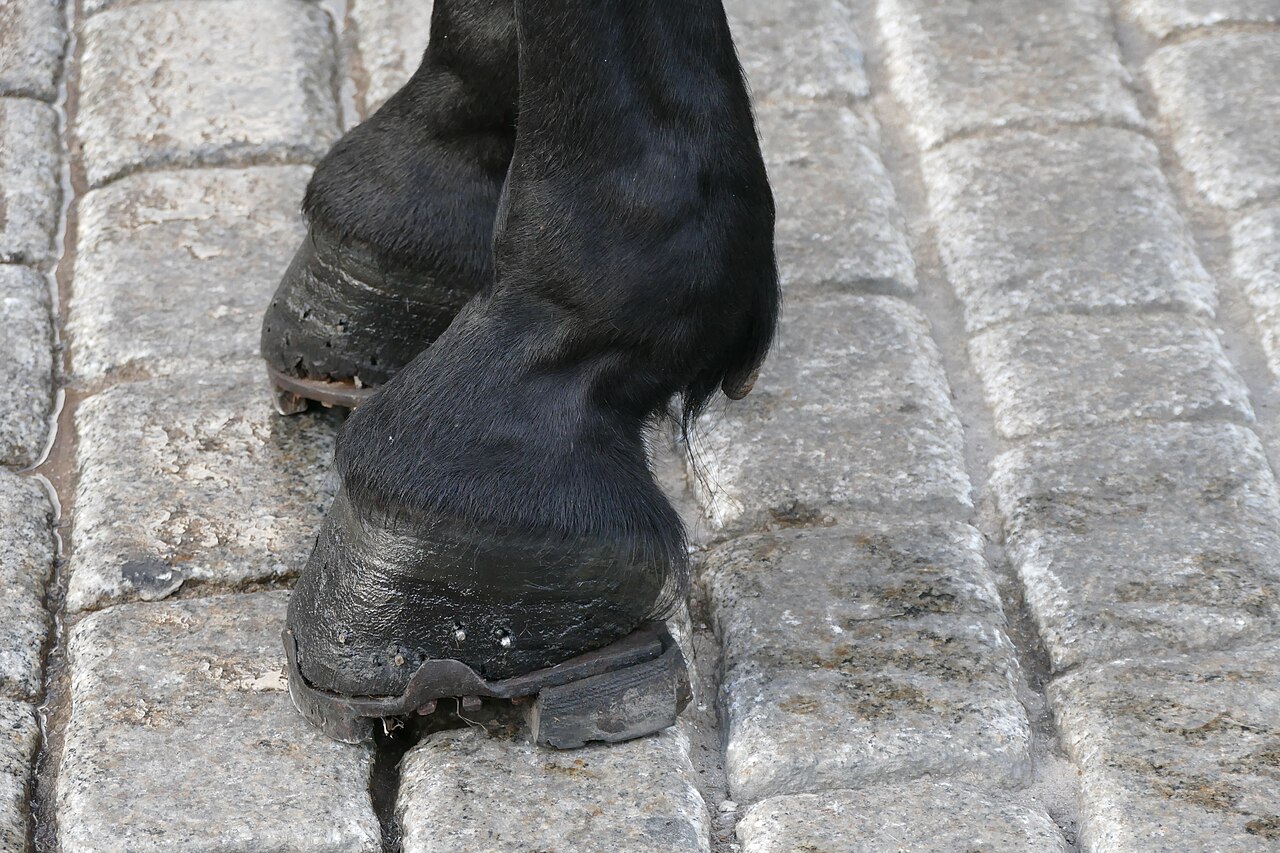
- The Hoof Truth: Why Horses Wear Horseshoes in the First Place
- What a Horseshoe Actually Does
- A Short History of Horseshoes
- Why Horses Wear Horseshoes: The Real Benefits for Working Horses
- Hard and Abrasive Surfaces
- Concussion and Impact
- Grip and Safety
- Corrective and Therapeutic Work
- Not Every Horse Needs Shoes
- How a Farrier Shoes a Horse
- Do Horseshoes Hurt? Myths and Misconceptions
- Conclusion: The Balanced Truth About Horseshoes
- ❓ Frequently Asked Questions
If you have ever watched a farrier lift a horse's leg and nail a crescent of steel to the bottom of its foot, you have probably wondered why horses wear horseshoes at all. After all, wild horses gallop across rocky plains without a single nail in their hooves. The answer is more interesting than simple vanity or tradition: horseshoes are a practical tool, developed over centuries, that protect domesticated horses from wear, injury, and lameness—but they are not automatically right for every horse. Understanding the biology of the hoof, the history of shoeing, and the modern debate around it gives you the full picture.
The Hoof Truth: Why Horses Wear Horseshoes in the First Place
A horse's hoof is essentially a giant, specialized toenail. The outer wall is made of keratin—the same tough protein as human fingernails and hair—and it grows continuously, roughly 6 to 10 millimeters per month on average. The wall surrounds a sensitive inner structure called the laminae, which suspends the coffin bone (the horse's equivalent of a fingertip bone) inside the hoof capsule. Beneath the wall sits the sole, and at the back is the frog, a rubbery, V-shaped pad that acts as a shock absorber and helps pump blood back up the leg with every step.
In the wild, this system is self-maintaining. A feral horse travels 15 to 30 kilometers (roughly 10 to 20 miles) a day over abrasive ground—dry grass, gravel, rock—and that constant wear keeps hoof growth in check. The hoof wears down about as fast as it grows, so it stays a healthy length and shape.
Domestic life changes the equation. A horse kept in a stable, turned out on soft pasture, or ridden mostly in arenas wears its hooves far less than a wild horse does. Meanwhile, hard surfaces like asphalt, concrete, and packed gravel can wear the hoof faster than it grows. Add the extra weight of a rider (often 15 to 20 percent of the horse's body weight) and the concussive forces of jumping, turning, and trotting on hard ground, and the hoof can crack, chip, or bruise. Horseshoes solve this problem by providing a durable, replaceable layer of protection between the hoof and the ground.
What a Horseshoe Actually Does
- Protects against excessive wear: Metal or synthetic shoes take the abrasion that would otherwise grind down the hoof wall.
- Distributes weight and impact: A well-fitted shoe spreads the load and reduces stress on the hoof wall and sole.
- Corrects hoof problems: Farriers use shoes to support thin soles, manage cracks, or compensate for conformational issues.
- Improves traction and gait: Specialty shoes with studs, borium, or rubber pads help horses grip slick or icy surfaces.
- Supports therapeutic needs: Bar shoes, wedge pads, and heart-bar shoes can help horses with laminitis or navicular disease.
A Short History of Horseshoes
Horseshoes are ancient technology. The Romans fitted their horses and mules with hipposandals—metal plates strapped to the feet rather than nailed on—as early as the first century CE. Nailed iron shoes appear in Europe around the 9th to 10th centuries, and by the Middle Ages they were standard equipment for warhorses and workhorses across Europe and Asia.
The reason is simple: horses became tools of transport, farming, and war, working long hours on hard roads, cobblestones, and frozen ground. A horse that went lame could not plow a field, carry a knight, or pull a carriage, so protecting the hoof became an economic necessity. The trade of the farrier—from the Latin ferrarius, meaning "iron worker"—grew into a respected profession. Today, farriers in many countries train for years and are often regulated or certified, because a badly nailed shoe can cripple a horse.
Why Horses Wear Horseshoes: The Real Benefits for Working Horses
The core reasons horses wear horseshoes come down to workload and environment. A horse in light work on soft ground may never need shoes. But consider the demands on a typical performance or working horse:
Hard and Abrasive Surfaces
Roadwork, rocky trails, and paved showgrounds act like sandpaper on hoof horn. Without protection, the hoof wall can wear thin enough to expose the sensitive sole. Shoes, replaced every 4 to 8 weeks as the hoof grows, keep the protective layer intact.
Concussion and Impact
A galloping horse can strike the ground with forces several times its body weight. Shoes made of steel, aluminum, or modern composites help absorb and spread that impact, reducing the risk of bruises, corns, and hairline fractures in the hoof wall.
Grip and Safety
On ice, wet grass, or slick arena footing, a barefoot horse can slip and fall—dangerous for both horse and rider. Farriers can add studs, borium (tungsten carbide) granules, or rubber pads to shoes for traction, a common sight at eventing competitions and on police horses patrolling city streets.
Corrective and Therapeutic Work
Shoes are also medical devices. A horse with laminitis (inflammation of the laminae, often linked to rich pasture or endocrine disease) may be fitted with heart-bar shoes to support the frog and reduce pressure on the hoof wall. Horses with navicular syndrome or tendon injuries may wear wedge pads or bar shoes to redistribute weight. In these cases, shoeing is not cosmetic—it can be the difference between a comfortable horse and a euthanized one.
Not Every Horse Needs Shoes
Here is where the modern conversation gets nuanced. Plenty of horses live happily barefoot, and many hoof-care professionals argue that shoes should be a targeted intervention, not a default. A barefoot horse's hoof can flex and expand naturally with each step, which stimulates blood flow and helps the frog function as designed. Shoes, by contrast, immobilize the hoof wall slightly and can, if poorly fitted, restrict that natural mechanism.
Whether a horse goes barefoot depends on several factors:
- Workload: A lightly ridden trail horse on soft ground may do fine barefoot; a racehorse or show jumper usually will not.
- Environment: Soft, sandy pastures favor bare feet; rocky, paved, or frozen ground favors shoes.
- Hoof quality: Some horses grow hard, thick hoof walls; others have thin soles or brittle horn that need support.
- Conformation: Horses with flat feet, thin soles, or limb deformities often benefit from corrective shoeing.
- Health conditions: Metabolic issues, laminitis history, or chronic lameness may dictate a specific shoeing plan.
Many owners use boots and hoof protection as a middle path—keeping horses barefoot at rest and fitting protective boots for rides on rough terrain. This hybrid approach is increasingly popular among endurance riders and leisure owners.
How a Farrier Shoes a Horse
Shoeing is skilled, physical work, and a good farrier follows a careful sequence. First, the horse is restrained safely—often with a leg held between the farrier's knees or on a hoof stand. The farrier then removes the old shoe, if present, and trims the hoof with nippers and a rasp, balancing the foot so the horse stands level.
Next, the farrier selects or shapes a shoe to match the hoof. Modern shoes come in many materials and styles:
- Steel: Durable and affordable, the traditional choice for most working horses.
- Aluminum: Lighter, favored for racehorses and performance horses where speed matters.
- Rubber or polyurethane: Cushioning for horses with thin soles or arthritic joints.
- Specialty shoes: Heart-bar, egg-bar, wedge, and glue-on shoes for therapeutic cases.
The shoe is heated in a forge and hammered to shape, then "hot-shod"—briefly pressed onto the trimmed hoof to check fit and leave a light mark showing where contact occurs. After final adjustments, the shoe is nailed on with five to eight nails per shoe, driven into the insensitive hoof wall (never the sensitive inner tissue) and clinched over on the outside. Finally, the farrier rasps the hoof edge smooth and checks the horse's stance and gait.
Most horses are shod every 4 to 8 weeks, since hooves grow continuously and an overgrown shoe can throw off balance and strain joints. A typical full set of shoes costs roughly $100 to $300 in the United States, depending on the farrier, region, and complexity—therapeutic work costs more.
Do Horseshoes Hurt? Myths and Misconceptions
A common worry is that nailing metal to a horse's foot must be painful. It isn't, when done correctly. The hoof wall is insensitive keratin, like a thick fingernail—there are no nerve endings in the outer wall where nails are placed. Horses may flinch at the noise or vibration of hammering, but a well-shod horse feels no pain from the nails themselves.
That said, poor shoeing absolutely can hurt. Nails driven too deep ("quicked") can prick sensitive tissue and cause lameness. Shoes that are too tight restrict hoof expansion; shoes left on too long can cause the hoof to grow unbalanced. This is why farrier skill and regular scheduling matter so much. The old saying among horsemen—"no foot, no horse"—captures the stakes: hoof health is foundational to everything a horse does.
Another myth is that horseshoes are lucky. The luck association likely comes from folklore: iron was believed to ward off evil, and a horseshoe hung with ends up was thought to "catch" good fortune. In reality, the only luck involved is having a competent farrier.
Conclusion: The Balanced Truth About Horseshoes
So why do horses wear horseshoes? Because domestication changed the deal. Wild horses self-trim on vast, abrasive ranges, but domestic horses work on surfaces and schedules their hooves did not evolve to handle. Shoes protect against wear and injury, improve traction, and serve as vital therapeutic tools for horses with hoof disease or conformation problems. At the same time, not every horse needs them—barefoot management, protective boots, and individualized farrier care are all part of modern hoof husbandry. The hoof truth is that horseshoes are neither cruel relics nor universal necessities: they are a practical, sometimes life-improving technology, best applied with knowledge of the individual horse, its work, and its feet. Whether shod or barefoot, the goal is the same—sound hooves, comfortable movement, and a horse that stays healthy for decades of companionship and work.
❓ Frequently Asked Questions
💬 Do all horses need horseshoes?
No. Many horses, especially those living barefoot on suitable terrain with light work, do fine without shoes. Whether a horse needs shoes depends on its hooves, workload, footing, and any lameness or conformational issues, so a farrier and vet should assess each horse individually.
💬 Does putting horseshoes on hurt the horse?
No—the hoof wall that nails go into is like a thick fingernail with no nerve endings, so shoeing doesn't hurt when done correctly. A badly fitted shoe or poor trimming can cause pain and lameness, which is why skilled farriers and regular appointments matter.
💬 How often do horses need to be reshod?
Most horses are reshod or trimmed every four to eight weeks, since hooves grow continuously and shoes wear down. The exact interval depends on the horse's growth rate, activity level, and the surfaces it works on.
💬 Why do horses wear horseshoes instead of just going barefoot?
Horseshoes protect the hoof from excessive wear and provide traction or support for horses working on hard or slippery surfaces, or those with hoof problems. For many horses, though, barefoot management with proper trimming and diet is a healthy alternative.