- The Basics: What Makes Hummingbirds Hover?
- A Shoulder Built for Rotation
- The Energy Cost of Standing Still
- Why Hummingbirds Hover: The Nectar Connection
- Flowers That Depend on Hovering
- More Than Nectar
- How Hummingbirds Hover: The Physics and Anatomy Behind the Feat
- Breathing and Heart Rate
- Size Matters
- Hovering Behavior in Daily Life
- Feeding Stations and Gardens
- Migration and Rest
- Common Myths About Hummingbird Hovering
- How to Observe Hummingbirds Hovering
- Conservation: Why Hovering Matters for Survival
- Real Examples of Specialized Hovering
- Conclusion: The Astonishing Truth About Hummingbird Hovering
- ❓ Frequently Asked Questions
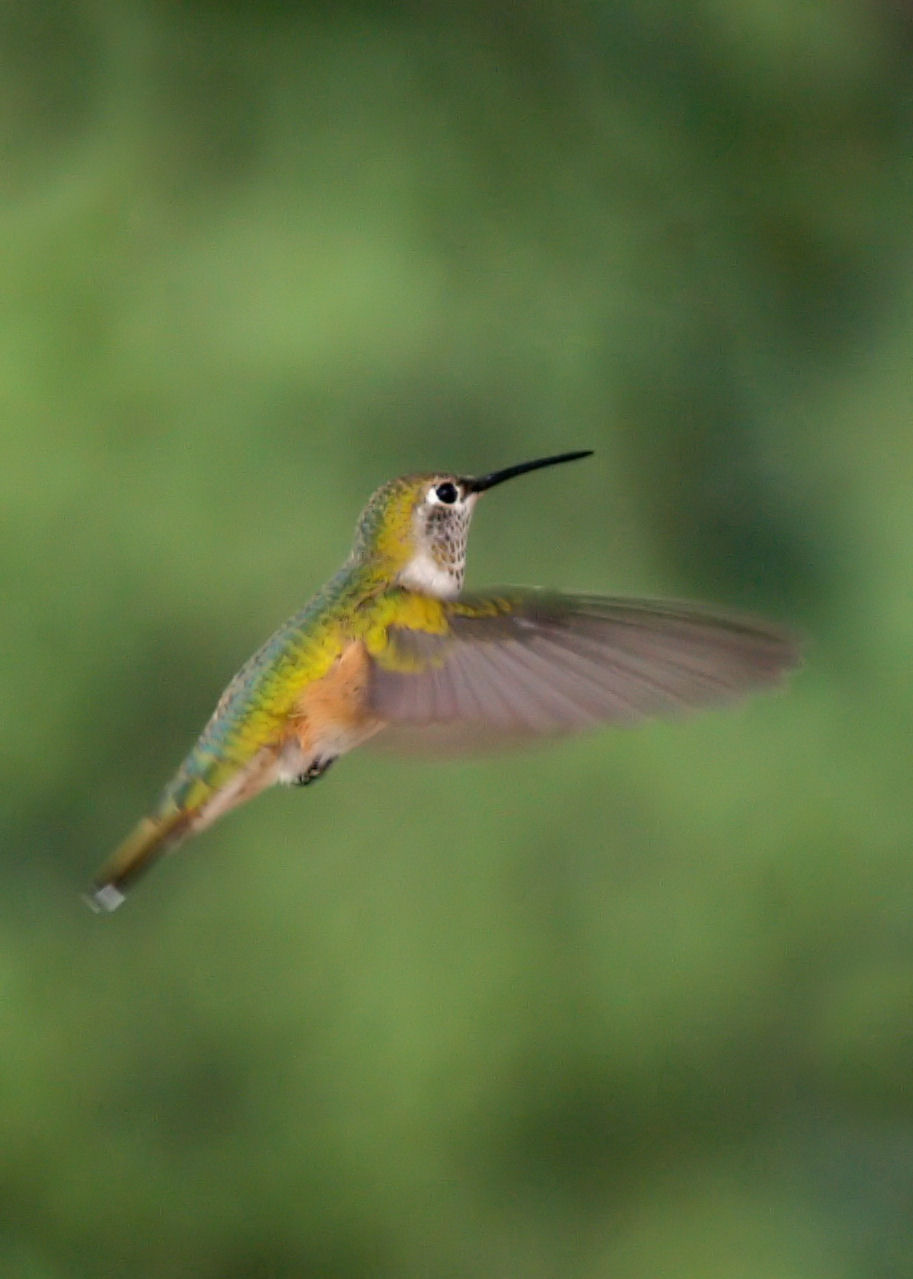
Few sights in nature are as mesmerizing as a hummingbird suspended in midair, wings a blur, body perfectly still as it sips nectar from a flower. Hummingbirds hover with a precision that engineers still study, and the reasons behind this ability go far deeper than simple showmanship. It is a survival strategy shaped by millions of years of evolution, tied to the birds' diet, their tiny size, and the unique anatomy of their wings and shoulders. Understanding why hummingbirds hover reveals one of the most remarkable feats of flight in the animal kingdom.
The Basics: What Makes Hummingbirds Hover?
Hummingbirds are the only birds capable of sustained hovering, and they are the only birds that can fly backward with ease. Their wings beat at extraordinary speeds: smaller species such as the ruby-throated hummingbird average around 53 beats per second, while the tiny bee hummingbird of Cuba can reach up to 80 beats per second. During courtship dives, some species accelerate even further.
This speed alone is not what makes hovering possible. The key lies in the wing's motion. Unlike most birds, which flap their wings up and down to generate forward thrust, hummingbirds rotate their wings in a figure-eight pattern. On the forward stroke, the wing sweeps forward and down; on the backward stroke, the wing flips over and sweeps back and down. Both strokes generate lift, giving the bird continuous upward force and allowing it to remain stationary in the air.
A Shoulder Built for Rotation
The hummingbird's shoulder joint is unusually flexible. It allows the wing to rotate nearly 180 degrees at the shoulder, something most birds cannot do. This rotation is what permits the figure-eight motion and the ability to hover, reverse, and even fly upside down briefly. The wing itself is stiff and narrow at the base, acting more like a helicopter blade than a typical feathered wing.
The Energy Cost of Standing Still
Hovering is not effortless. It is one of the most energy-expensive forms of locomotion known among vertebrates. A hovering hummingbird's metabolic rate can be roughly 10 times higher than when it is resting. To sustain this, the birds must feed almost constantly during daylight hours, visiting hundreds of flowers each day.
Why Hummingbirds Hover: The Nectar Connection
The primary reason hummingbirds hover is food. Their diet is dominated by flower nectar, a sugary liquid that provides rapid energy. Unlike bees, which can land on a flower, or butterflies, which often perch, hummingbirds have evolved to feed while airborne. This lets them reach flowers that cannot support their weight, including delicate blooms on thin stems and flowers that hang downward.
Hovering also allows quick escapes. A hummingbird feeding at a flower is vulnerable to predators such as cats, snakes, and larger birds. By staying airborne, it can dart away in any direction, including backward and straight up, within a fraction of a second.
Flowers That Depend on Hovering
Many plants have evolved flowers specifically shaped for hummingbird pollination. These blooms are typically tubular, brightly colored (often red), and produce large amounts of dilute nectar. Examples include trumpet vines, fuchsias, salvia, and penstemons. Because the hummingbird hovers rather than perches, it can insert its long, forked tongue deep into the flower and withdraw nectar without damaging the bloom. In return, the bird picks up pollen on its head and bill and carries it to the next flower.
More Than Nectar
Nectar alone does not meet all of a hummingbird's nutritional needs. The birds also eat small insects and spiders, which supply protein, fat, and minerals. They often snatch insects midair or pluck them from leaves and spiderwebs. Some species, such as the ruby-throated hummingbird, consume so many tiny insects that they are considered partly insectivorous during the breeding season.
How Hummingbirds Hover: The Physics and Anatomy Behind the Feat
The mechanics of hummingbird hovering have been studied with high-speed cameras and wind tunnels. Researchers have found that the birds generate lift on both the downstroke and the upstroke, unlike insects, which rely on different aerodynamic tricks. This dual-lift system is highly efficient for a bird of its size.
Another factor is wing shape. Hummingbird wings are relatively long and narrow, with a low aspect ratio compared to soaring birds. This shape is ideal for rapid, maneuverable flight rather than gliding. The wing's leading edge is reinforced, and the feathers twist slightly during each stroke, fine-tuning airflow.
Breathing and Heart Rate
To power hovering, hummingbirds have enormous hearts for their body size. A ruby-throated hummingbird's heart can beat more than 1,200 times per minute during flight. Their lungs are also highly efficient, extracting oxygen rapidly from the air. At night, many species enter a state called torpor, lowering their body temperature and heart rate dramatically to conserve energy until dawn.
Size Matters
Hummingbirds are among the smallest birds in the world. The bee hummingbird weighs less than a penny, about 2 grams, and measures roughly 5 to 6 centimeters long. This tiny mass makes hovering physically feasible; a larger bird would need disproportionately more power to stay aloft. Even so, hummingbirds push the limits of what vertebrate muscle can do.
Hovering Behavior in Daily Life
Hummingbirds hover in several contexts beyond feeding. Males hover during courtship displays, performing pendulum-like arcs in front of females. Some species, like the Anna's hummingbird, produce a sharp chirp with their tail feathers during high-speed dives, a sound that is part of the mating ritual.
Hovering also plays a role in territorial defense. Hummingbirds are famously aggressive for their size. A male may hover at the edge of a feeding territory, chasing off rivals with aerial pursuits that include sudden stops and reversals. The ability to hover gives them a tactical advantage in these skirmishes.
Feeding Stations and Gardens
Backyard feeders have made hummingbird hovering easy to observe. A bird will approach a feeder, hover briefly, dip its bill into the port, and then back away. It may repeat this dozens of times per hour. Gardeners who plant native nectar flowers often notice hummingbirds hovering at blooms for just a second or two before moving on, a behavior that conserves energy while maximizing food intake.
Migration and Rest
Some hummingbirds migrate thousands of kilometers. The ruby-throated hummingbird, for example, crosses the Gulf of Mexico, a nonstop flight of roughly 800 kilometers. Hovering is not used during migration, but the same flight muscles and metabolic machinery support the journey. Before migration, the birds double their body weight in fat to fuel the trip.
Common Myths About Hummingbird Hovering
Because hummingbird hovering is so unusual, it has attracted plenty of misconceptions. Clearing these up helps explain the real biology.
- Myth: Hummingbirds hover by flapping faster than other birds. Speed helps, but the figure-eight wing rotation and flexible shoulder are the real keys.
- Myth: Hummingbirds only drink nectar. They also eat insects and spiders, especially during breeding season.
- Myth: Hummingbirds hover because they cannot perch. They perch often, especially at night and while digesting. Hovering is a feeding and display behavior, not a limitation.
- Myth: All hummingbirds hover the same way. Species vary in wingbeat rate, body size, and habitat, and so do their hovering styles.
How to Observe Hummingbirds Hovering
Watching hummingbirds hover is rewarding and surprisingly easy with the right setup. A few practical tips can improve the experience.
- Place feeders in shaded areas to keep nectar fresh and discourage fermentation.
- Clean feeders every two to three days, more often in hot weather, to prevent mold and bacteria.
- Use a mix of one part white sugar to four parts water; avoid honey, red dye, and artificial sweeteners.
- Plant native flowers such as bee balm, columbine, and cardinal flower to attract local species.
- Sit still and avoid sudden movements; hummingbirds are curious but easily startled.
Early morning and late afternoon are often the best times to watch, as hummingbirds feed heavily before resting or roosting. A pair of binoculars or a camera with a fast shutter speed can reveal details of the wing motion that the naked eye misses.
Conservation: Why Hovering Matters for Survival
Hummingbirds hover to survive, and their survival is increasingly threatened. Habitat loss, pesticide use, and climate change affect both the flowers they feed on and the insects they eat. Because hummingbirds are specialized feeders, they are particularly vulnerable to disruptions in their environment.
Protecting hummingbirds means protecting native plants, reducing pesticide use, and maintaining healthy ecosystems along migration routes. Backyard habitats, when managed responsibly, can provide important stopover points for migrating birds. Every flower that offers nectar is a small but meaningful contribution.
Real Examples of Specialized Hovering
The sword-billed hummingbird of South America has a bill longer than its body, allowing it to hover and feed from flowers with exceptionally deep corollas. The Anna's hummingbird, common along the Pacific Coast of North America, hovers year-round in urban gardens and is one of the few species that sings during hovering displays. The rufous hummingbird, a long-distance migrant, hovers aggressively at feeders across western North America each summer.
Conclusion: The Astonishing Truth About Hummingbird Hovering
Hummingbirds hover because it is the most efficient way for them to feed, escape danger, and compete for territory. Their ability to do so depends on a unique combination of flexible shoulder joints, rotating wings, rapid wingbeats, and an extreme metabolic rate. What looks like a delicate dance is actually a high-stakes survival strategy refined over millions of years. The next time you see a hummingbird suspended in midair, you are watching one of nature's most sophisticated flight systems at work, and one of the clearest examples of how evolution shapes behavior to meet the demands of life.
❓ Frequently Asked Questions
💬 How do hummingbirds hover in one spot?
They beat their wings in a figure-eight pattern, generating lift on both the forward and backward strokes. This lets them stay suspended in midair rather than just moving forward like most birds.
💬 Why do hummingbirds hover at flowers instead of perching?
Hovering lets them feed from flowers that are too delicate or flexible to support their weight. It also saves time and energy by avoiding the need to land and take off repeatedly.
💬 Do hummingbirds waste a lot of energy hovering?
Yes, hovering is one of the most energy-expensive forms of flight in the animal kingdom. That is why hummingbirds must feed almost constantly and enter torpor at night to conserve energy.
💬 Can all hummingbirds hover?
Yes, all hummingbird species can hover, and most can even fly backward and sideways. This exceptional maneuverability comes from their unique wing structure and rapid wingbeats.