- The Purpose of Kangaroo Pouches: More Than a Pocket
- Protection and Temperature Regulation
- Nutrition and Immune Support
- How Kangaroo Pouches Work: Mechanics and Miracles
- Cleaning the Pouch
- Birth and the Journey to the Pouch
- The Life Cycle Inside the Pouch: From Tiny Embryo to Hopping Joey
- Stage 1: Permanent Attachment (Birth to 5–6 Months)
- Stage 2: First Emergence and Exploration (6–7 Months)
- Stage 3: Weaning and Independence (8–12 Months)
- Fun Facts About Kangaroo Pouches
- Kangaroo Species and Their Pouches
- Red Kangaroo (Macropus rufus)
- Eastern Grey Kangaroo (Macropus giganteus)
- Tree-Kangaroo (Dendrolagus species)
- Wallabies and Wallaroos
- The Evolution of Kangaroo Pouches: Why Marsupials Chose This Path
- Comparative Anatomy with Other Marsupials
- Why No Placental Mammal Has a Pouch
- Conclusion: The Marvel of Kangaroo Pouches
- ❓ Frequently Asked Questions
Have you ever wondered about the fascinating design of kangaroo pouches and why these iconic Australian marsupials carry their young in such an ingenious way? The pouch is far more than a simple pocket; it is a marvel of evolutionary biology that allows kangaroos to thrive in some of the harshest environments on Earth. From the red kangaroo that bounds across the Outback to the elusive tree-kangaroo of the rainforest, the pouch plays a critical role in the survival and development of their offspring. In this article, we will explore the science, behavior, and fun facts behind this unique feature, diving into everything from the mechanics of pouch life to the remarkable adaptations that make kangaroos one of nature’s most successful marsupials.
The Purpose of Kangaroo Pouches: More Than a Pocket
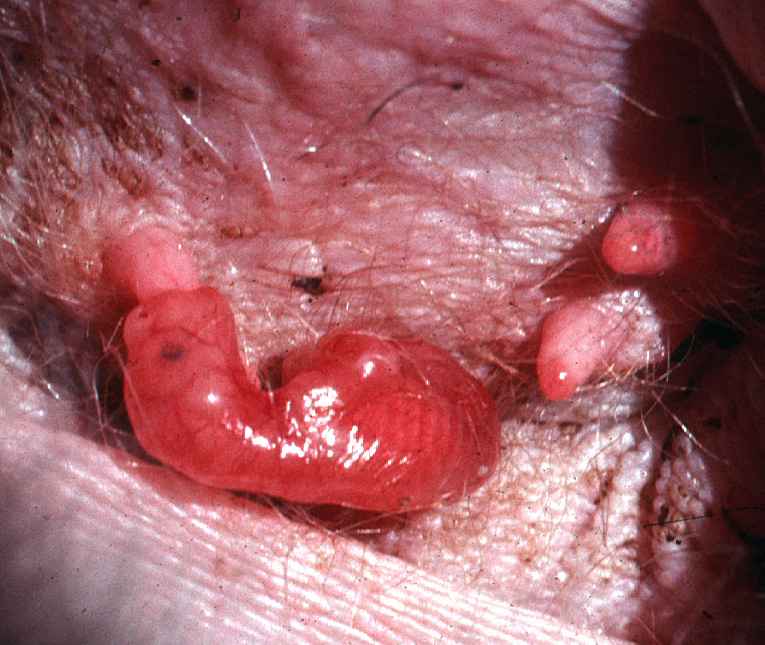
Kangaroo pouches serve as a portable nursery, providing a safe, warm, and nourishing environment for a newborn joey. Unlike placental mammals, which develop inside the mother’s uterus for a long gestation, kangaroos give birth to a tiny, underdeveloped embryo after only 30–36 days. This embryo, often no bigger than a jellybean or a lima bean, must crawl unaided from the birth canal to the pouch—a journey that lasts just a few minutes but is one of the most extraordinary in the animal kingdom.
Protection and Temperature Regulation
Once inside, the joey immediately latches onto one of four teats and remains permanently attached for several months. The pouch provides a temperature-controlled microclimate: the mother can adjust the pouch’s internal temperature by contracting or relaxing the pouch muscles, keeping the joey warm when it is cold and cool when it is hot. In the blistering heat of the Australian desert, the pouch may be several degrees cooler than the outside air, preventing dehydration and heat stress in the developing joey.
Nutrition and Immune Support
The pouch also delivers a perfect food supply. Kangaroo milk changes composition as the joey grows: early milk is low in fat and high in sugar to match the tiny joey’s digestive capacity, while later milk becomes richer in fat to support rapid growth. Remarkably, a mother kangaroo can simultaneously produce two different types of milk—one for a newborn in the pouch and another, richer formula for an older joey that still returns to nurse. This ability to customize milk on demand is a unique adaptation of kangaroo pouches.
How Kangaroo Pouches Work: Mechanics and Miracles
Understanding the anatomy of the pouch reveals even more marvels. The pouch is a fold of skin with strong muscles that the mother can open and close at will. The opening is located at the top, unlike the front-facing pouch of some other marsupials, which helps keep dirt and debris out when the kangaroo hops at high speeds. The mother can tighten the pouch to hold the joey securely during leaps, and she can also relax it to allow the joey to stick its head out for fresh air or to feed.
Cleaning the Pouch
One of the most fascinating behaviors is pouch cleaning. A mother kangaroo will regularly clean the inside of her pouch using her tongue and forepaws, removing feces, urine, and any parasites that might harm the joey. She also secretes antimicrobial substances from glands in the pouch walls, which help prevent infections in this warm, humid environment. This meticulous hygiene is essential for the joey’s health during its first six to seven months of continuous residence.
Birth and the Journey to the Pouch
The birth process is a testament to instinct and anatomical engineering. The female kangaroo typically gives birth while standing or leaning against a tree or rock. She licks a path from the birth canal to the pouch, and the newborn—blind, hairless, and with only rudimentary forelimbs—uses its strong claws to climb “upstream” through the mother’s fur. This journey takes less than five minutes. Once inside, the joey locates a teat and grasps it so firmly that it cannot be dislodged. For the next several months, the teat swells inside the joey’s mouth, creating a permanent latch until the joey is ready to emerge temporarily.
The Life Cycle Inside the Pouch: From Tiny Embryo to Hopping Joey
The joey’s development inside the pouch follows a predictable but astonishing timeline. Understanding this cycle helps explain why kangaroo pouches are so critical to the species’ success.
Stage 1: Permanent Attachment (Birth to 5–6 Months)
Immediately after entering the pouch, the joey attaches to a teat and remains attached for approximately 190 days for red kangaroos. During this period, it does not let go; the mother’s milk is its sole source of nutrition and hydration. The joey grows rapidly, developing fur, eyes, and ears. At around 4–5 months, it begins to stick its head out of the pouch and may take its first look at the outside world.
Stage 2: First Emergence and Exploration (6–7 Months)
Once the joey has grown enough to regulate its own body temperature (about 6–7 months for most species), it starts to venture out of the pouch for short periods. It may hop a few feet away, nibble on grass, then quickly return to the safety of the pouch. This stage is critical for learning social and survival skills, including recognizing predators and finding food. The mother remains vigilant, and the joey retreats headfirst into the pouch—a maneuver that sounds impossible but is achieved by tucking its head and shoulders into a ball and then flipping inside.
Stage 3: Weaning and Independence (8–12 Months)
By 8–10 months, the joey is too large to fit entirely inside the pouch, but it still nurses by sticking its head in. It may continue to drink milk for several more months while gradually eating solid food. The mother eventually stops allowing access to the pouch, and the joey becomes fully independent at around 12–18 months, depending on the species. Even after independence, young kangaroos often stay near their mothers for protection and learning.
Fun Facts About Kangaroo Pouches
Beyond the basics, kangaroo pouches are full of surprising quirks that make these animals even more remarkable.
- Embryonic diapause: A female kangaroo can pause the development of a new embryo after mating, keeping it in a state of suspended animation. This allows her to delay birth until the previous joey leaves the pouch. In times of drought, she can even reabsorb the embryo entirely.
- Two joeys at once: It is common for a mother kangaroo to have one joey in the pouch, another older joey that still returns to nurse, and a third embryo in diapause. This staggered reproduction maximizes the chance of survival in unpredictable environments.
- Pouch strength: The pouch muscles are incredibly strong. A mother kangaroo can leap up to 9 meters in a single bound while carrying a joey, and the pouch keeps the baby securely cradled, even during high-speed escapes from predators like dingoes.
- Pouch for males? Only female kangaroos have pouches. Male kangaroos, called boomers or bucks, do not have pouches. The male’s role is primarily to compete for access to females and protect the mob (group) from threats.
- Different pouches for different species: Not all kangaroo pouches are the same. Tree-kangaroos, which live in rainforests, have pouch openings that are more forward-facing than ground kangaroos, to accommodate climbing. The red kangaroo, the largest marsupial, has a deeper pouch to support a joey that can weigh up to 2 kilograms by the time it leaves.
- Pouches and baby survival: In captivity, zookeepers sometimes hand-raise orphaned joeys using artificial pouches made of soft fabric. These pouches must mimic the warmth, darkness, and security of the real thing, and the joeys often carry a favorite toy or “comfort item” inside the artificial pouch.
Kangaroo Species and Their Pouches
Australia is home to over 50 species of kangaroos and wallabies (smaller relatives), and while all share the basic pouch design, there are interesting variations across species.
Red Kangaroo (Macropus rufus)
The red kangaroo, the largest of all kangaroos, has a pouch that can accommodate a joey weighing up to 8 kilograms before it finally leaves. Males can stand over 2 meters tall, but females are smaller. The pouch is lined with a thick layer of fur to protect the joey from the intense sun. Red kangaroos are found across the semi-arid and arid regions of central Australia, where the pouch’s temperature regulation is especially vital.
Eastern Grey Kangaroo (Macropus giganteus)
Eastern greys live in more temperate and coastal areas, including forests and grasslands. Their pouches are slightly less insulated than those of red kangaroos, but they still provide essential protection. Eastern grey joeys spend about 9–10 months in the pouch, one of the longest pouch-dwelling periods among kangaroos. This species is known for its social behavior, and mothers will sometimes “foster” orphaned joeys from other females, though the foster joey must be close in age to avoid milk-compatibility issues.
Tree-Kangaroo (Dendrolagus species)
Tree-kangaroos are a fascinating exception. They are adapted for climbing, with shorter hind legs and stronger forelimbs. The pouch opening faces forward rather than upward, which helps the joey stay secure while the mother moves through branches. Tree-kangaroos are found in the rainforests of Queensland and Papua New Guinea, and their pouches are often less exposed to dirt because of the arboreal lifestyle. Some species, like the Lumholtz’s tree-kangaroo, have a pouch that closes more tightly to prevent the joey from falling during acrobatic jumps.
Wallabies and Wallaroos
Smaller macropods such as wallabies and wallaroos also have pouches, but with some differences. For example, the agile wallaby (Macropus agilis) has a pouch that is relatively shallow, as the joey becomes independent faster (around 6–7 months). The common wallaroo (Macropus robustus) has a pouch with particularly strong muscles, suited for its rugged, rocky habitat. In all these species, the pouch remains a central feature of reproduction and care.
The Evolution of Kangaroo Pouches: Why Marsupials Chose This Path
Kangaroos belong to the infraclass Marsupialia, which diverged from placental mammals around 160 million years ago. The evolution of the pouch is tied to reproductive strategy. Instead of investing massive energy into a long gestation with a large placenta, marsupials give birth to tiny, underdeveloped young and invest heavily in lactation. The pouch allows the mother to carry her developing offspring while staying mobile—a critical advantage in environments where food is scarce and predators are abundant.
Comparative Anatomy with Other Marsupials
Kangaroo pouches are not unique among marsupials, but they are among the most specialized. For comparison, koalas have pouches that open backward (to protect the joey from falling when the mother climbs), while wombats have pouches that face backward too, preventing dirt from entering when they dig. Kangaroos, with their hopping locomotion, evolved a pouch that opens upward to minimize spillage and dirt ingress. This adaptation likely appeared in the common ancestor of macropods about 20–30 million years ago, coinciding with the spread of grasslands in Australia.
Why No Placental Mammal Has a Pouch
Placental mammals, including humans, have evolved a different strategy: long gestation with a complex placenta that provides nutrition through the mother’s bloodstream. While both strategies are successful, the marsupial pouch is particularly advantageous in unpredictable environments. Kangaroos can reproduce quickly after a drought, thanks to embryonic diapause, and the pouch allows them to “hedge their bets” by investing in a small, low-cost offspring and then providing intensive care. This reproductive flexibility is one reason kangaroos thrive across Australia’s diverse habitats, from deserts to forests.
Conclusion: The Marvel of Kangaroo Pouches
From the intricate mechanics of pouch cleaning to the remarkable ability to pause pregnancy, kangaroo pouches represent one of nature’s most elegant solutions to the challenges of parenthood in a harsh land. They are not just a symbol of Australia but a living example of how evolution crafts perfection through necessity. Whether you are watching a joey poke its head out of a pouch in a wildlife sanctuary or learning about the complex milk composition that changes with each stage of development, the pouch reminds us that the smallest details in animal biology can hold the biggest wonders. Next time you see a kangaroo, take a moment to appreciate the hidden miracle tucked inside that furry pocket—a tiny, resilient life being nurtured in one of the most extraordinary nurseries on Earth.
❓ Frequently Asked Questions
💬 Why do kangaroos have pouches?
Kangaroos have pouches to protect and carry their underdeveloped young, called joeys, after birth. The pouch provides a safe, warm environment where the joey can nurse and continue to grow.
💬 Do male kangaroos have pouches?
No, male kangaroos do not have pouches. Only female kangaroos have pouches because they give birth and nurse their joeys.
💬 How long does a joey stay in its mother's pouch?
A joey typically stays in the pouch for about 8 to 10 months, but may continue to return to nurse for several more months after leaving.
💬 What is inside a kangaroo pouch?
Inside a kangaroo pouch, there are nipples that provide milk for the joey, and the pouch is lined with fur to keep the joey warm and clean.