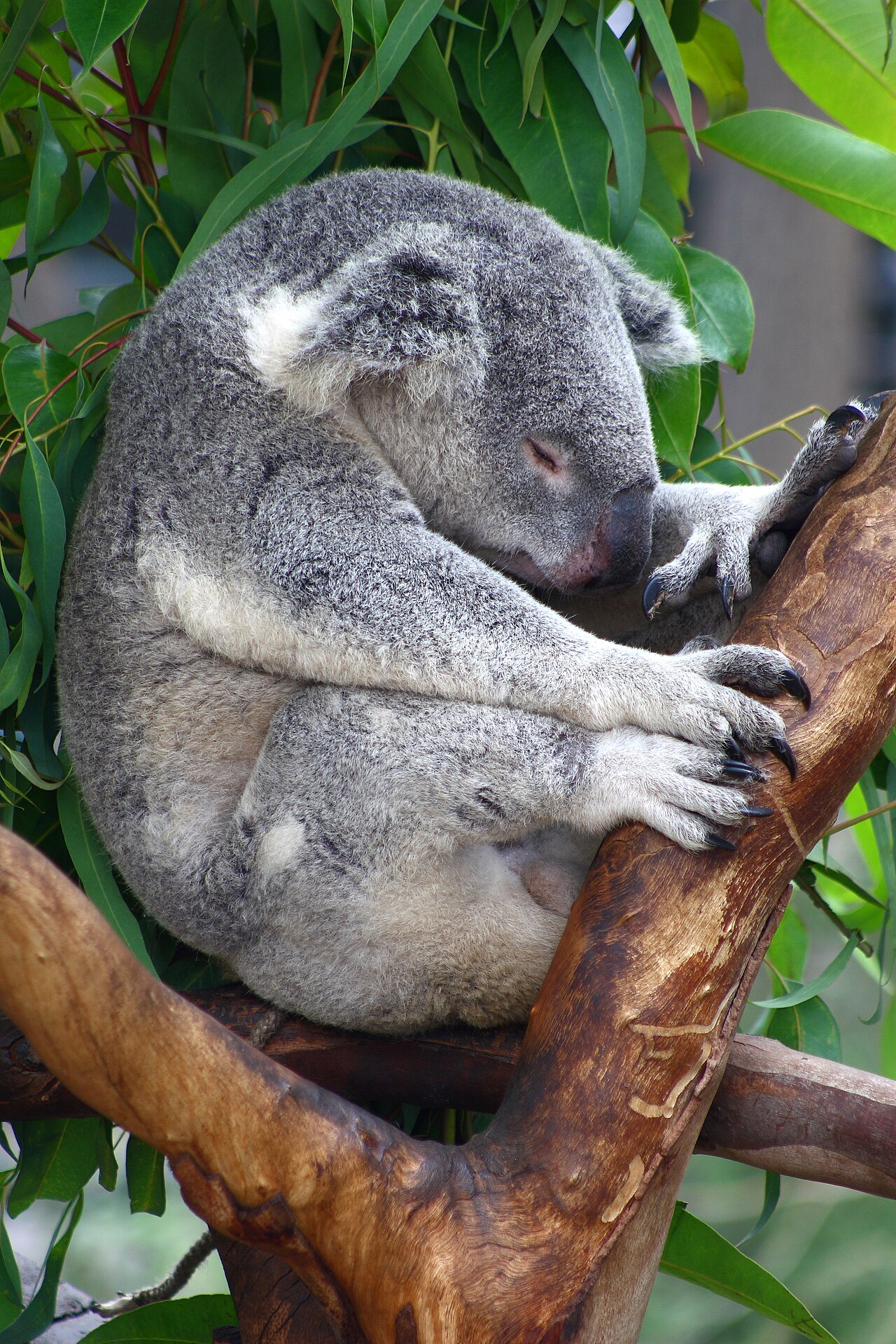
- Why Do Koalas Sleep So Much? The Short Answer
- Sleep as an Energy-Saving Strategy
- The Eucalyptus Diet: A Tough, Toxic, Low-Energy Menu
- Low Calories, High Fiber
- Chemical Defenses and Detoxification
- Water From Leaves
- How Much Do Koalas Actually Sleep? The Numbers
- Why Do Koalas Sleep So Much During the Day?
- Avoiding Heat and Predators
- Choosing the Right Tree
- The Koala Body: Built for a Low-Energy Life
- A Specialized Digestive System
- Low Metabolic Rate
- Grip and Balance
- Are Koalas Lazy, Sick, or Just Efficient?
- The Danger of the "Lazy" Label
- Conservation: Why Sleepy Koalas Need Our Help
- The Sleepy Truth: Efficiency, Not Laziness
- ❓ Frequently Asked Questions
If you have ever watched a koala at a zoo or in the wild, you have probably seen one doing very little at all. The question of why do koalas sleep so much is one of the most common things people ask about these iconic Australian marsupials, and the answer is far more interesting than simple laziness. Koalas routinely sleep or rest for around 18 to 22 hours out of every 24, making them among the sleepiest mammals on Earth. That staggering figure is not a sign of a sluggish personality — it is the result of an extraordinary evolutionary bargain involving a very unusual diet, a low-energy lifestyle, and a body built to conserve every possible calorie.
Why Do Koalas Sleep So Much? The Short Answer
The core reason koalas sleep so much comes down to energy. Koalas eat almost nothing but eucalyptus leaves, a food that is low in calories, high in tough fibrous material, and laced with toxic compounds. Extracting enough nutrition from this diet is slow, difficult work for the digestive system, and the payoff in usable energy is modest. To survive on such a poor-quality fuel source, koalas have evolved to spend as little energy as possible — and the cheapest thing any animal can do is rest.
In practical terms, a koala's daily routine is a tight energy budget. A typical adult koala weighs around 4 to 15 kilograms (9 to 33 pounds) depending on sex and region, with males generally larger than females. That body must be powered by perhaps 500 to 800 grams (roughly 1 to 1.75 pounds) of eucalyptus leaves a day. Those leaves yield relatively little readily available energy, so the animal cannot afford to waste calories on unnecessary movement, play, or wakefulness.
Sleep as an Energy-Saving Strategy
Sleeping and resting lower the metabolic demands of the body. By staying still for most of the day, a koala reduces its heart and respiratory workload, avoids the heat production and muscle activity of movement, and minimizes the risk of falling from a tree — a genuine hazard for an animal that lives in the canopy. In a very real sense, every hour of sleep is an hour of saved calories.
This is not unique to koalas, but the extremes are. Other leaf-eating specialists such as sloths and some lemurs show similar patterns, and the principle is the same: when your food is low in energy and slow to process, the winning strategy is to do as little as possible while the gut does its work.
The Eucalyptus Diet: A Tough, Toxic, Low-Energy Menu
To understand koala sleep, you have to understand eucalyptus. Koalas are among the few mammals able to make a living from these trees, and they do so almost exclusively. Eucalyptus foliage makes up the overwhelming majority of their diet, with only occasional use of other species such as some melaleucas and, rarely, other leaves. This narrow specialization is both the koala's great advantage — it faces little competition for food — and its great limitation.
Low Calories, High Fiber
Eucalyptus leaves are not a rich food. They contain a great deal of indigestible fiber, including lignin and cellulose, and relatively little easily accessible sugar or protein. Breaking down that fiber requires a long, slow fermentation process in the koala's specialized digestive tract, particularly an enlarged caecum and proximal colon packed with symbiotic microbes. That fermentation takes time, and the koala's behavior is arranged around giving the gut the hours it needs.
Chemical Defenses and Detoxification
Eucalyptus leaves are also chemically defended. They contain a cocktail of compounds — including terpenes, phenolic compounds, and in some species cyanogenic glycosides — that are toxic or unpalatable to most animals. Koalas have evolved a liver capable of detoxifying these substances, but the process is metabolically expensive. The animal must carefully select which leaves and which tree species to eat, sniffing and tasting to avoid particularly potent foliage. This constant chemical processing is another drain on the energy budget, and it is one more reason the koala's default state is rest.
Water From Leaves
Eucalyptus leaves are also surprisingly watery, and koalas can obtain much of their moisture from them. The name "koala" is often said to derive from an Aboriginal word meaning "no drink," reflecting this leaf-based water supply. In recent years, researchers have documented koalas drinking from tree trunks during rain and from water stations, especially in hot, dry conditions — a reminder that the "no drink" label is an oversimplification. Still, the leaf-based diet generally reduces the need to travel to water, which saves yet more energy.
How Much Do Koalas Actually Sleep? The Numbers
Estimates vary by study, location, and season, but the widely cited figure is that koalas sleep or rest for about 18 to 22 hours per day. Some wild individuals are active for only around four to five hours in total, mostly in short bursts, and much of that activity happens at night. Captive koalas sometimes show slightly different patterns, but the general rule holds: these are animals that spend the great majority of their lives motionless and drowsy.
- Total sleep/rest: roughly 18–22 hours per day
- Active time: often only about 4 hours, concentrated at night
- Peak activity: dusk, dawn, and nighttime — koalas are largely nocturnal or crepuscular
- Sleep position: wedged into a fork of branches, curled into a ball, often high in a eucalyptus tree
- Typical body mass: about 4–15 kg (9–33 lb) depending on sex and region
It is worth noting that "sleep" and "rest" are not always the same thing in the scientific literature. Much of a koala's inactive time may be quiet resting rather than deep sleep, but the energy-saving effect is similar. Either way, the image of a koala dozing in a tree fork is an accurate portrait of its daily life.
Why Do Koalas Sleep So Much During the Day?
Another part of the answer lies in timing. Koalas are largely nocturnal, meaning their most active hours fall at night and around dusk and dawn. During the day, they tend to settle into a comfortable fork in the branches and doze. This schedule offers several advantages.
Avoiding Heat and Predators
Australia's daytime heat can be intense, and a motionless koala in the shade of the canopy avoids overheating and unnecessary water loss. Staying still and high in a tree also reduces exposure to predators. Adult koalas face few natural predators, but they are not immune: dingoes, large owls, and especially introduced predators can take their toll, and young koalas are vulnerable to eagles, pythons, and other hunters. Remaining hidden and motionless for most of the day is a sensible defensive strategy.
Choosing the Right Tree
Koalas are choosy about where they rest. They often select particular tree species — sometimes different from their feeding trees — and favor certain individuals within a species. Researchers have found that koalas may prefer trees with specific leaf chemistry or structure, and they frequently choose the largest, most shaded trees for daytime sleeping. This selective resting behavior is another way of managing energy and temperature.
The Koala Body: Built for a Low-Energy Life
Koala anatomy and physiology reinforce the sleepy lifestyle. Understanding these adaptations helps explain why the animal cannot simply "perk up" and become more active.
A Specialized Digestive System
The koala's digestive tract includes an exceptionally long caecum and colon, where microbial fermentation slowly breaks down fibrous leaf material. This is a slow process, and the koala's low metabolic rate and long rest periods are well matched to it. The animal essentially outsources part of its digestion to microbes and then gives those microbes the time they need.
Low Metabolic Rate
Koalas have a relatively low metabolic rate for their body size, which helps them stretch a poor diet further. A slower metabolism means less energy is burned at rest, but it also means the animal has less energy to spare for activity. The result is a creature that is beautifully adapted to its niche but poorly suited to anything requiring sustained exertion.
Grip and Balance
Koalas have strong limbs, sharp curved claws, and opposable digits on their front paws that allow them to grip branches securely. Two digits on the front paw act somewhat like a thumb, helping the animal clamp onto smooth bark. This grip lets a koala sleep safely in a tree fork without falling — an essential adaptation for an animal that spends most of its life asleep in the canopy.
Are Koalas Lazy, Sick, or Just Efficient?
A common misconception is that a sleeping koala must be unwell. In reality, sleeping 18 to 22 hours a day is normal and healthy for the species. However, there are situations where excessive sleep or inactivity can signal a problem, and it is worth knowing the difference.
- Normal: a koala dozing in a tree fork, waking briefly to feed or shift position, especially at night
- Concerning: a koala on the ground for extended periods, unable to climb, or unusually lethargic even at night
- Key threats: habitat loss, chlamydia (which can cause blindness and infertility), dog attacks, vehicle strikes, and drought-related food and water stress
Koalas on the ground are particularly vulnerable, and a koala that remains low or on the ground should be reported to wildlife authorities. In this sense, understanding normal koala sleep helps people recognize when something is genuinely wrong.
The Danger of the "Lazy" Label
Calling koalas lazy misses the point. Their sleep is a finely tuned survival strategy, not a character flaw. The species has persisted for millions of years on a diet that would starve most mammals, and its sleepiness is the price of that success. Framing the behavior as efficiency rather than idleness gives a much more accurate picture of the animal.
Conservation: Why Sleepy Koalas Need Our Help
Koalas are listed as vulnerable in parts of Australia, and some populations are in serious decline. Habitat loss is the central threat: eucalyptus forests are cleared for agriculture, development, and other uses, and koalas are highly dependent on specific tree species. Climate change adds pressure through drought, heatwaves, and more frequent bushfires, which can destroy large areas of habitat and leave survivors without food or water.
Disease is another major factor. Chlamydia is widespread in some koala populations and can cause severe eye infections, blindness, and infertility, making recovery difficult. Vehicle collisions and dog attacks kill many koalas, particularly where roads and housing encroach on habitat. Conservation efforts focus on protecting and restoring eucalyptus habitat, creating wildlife corridors, treating and rehabilitating sick animals, and reducing road mortality.
Understanding koala sleep is not just trivia. It helps explain why the species is so vulnerable to disturbance: an animal that lives on a tight energy budget has little margin for error. When habitat is degraded or fragmented, koalas may be forced to travel further, expend more energy, and take greater risks — costs a sleepy, low-energy specialist can ill afford.
The Sleepy Truth: Efficiency, Not Laziness
The question of why do koalas sleep so much has a clear answer: their eucalyptus diet is low in energy, high in fiber, and chemically defended, and their bodies are built to extract a modest living from it as slowly and cheaply as possible. Sleeping 18 to 22 hours a day is not laziness but a highly successful evolutionary strategy. Koalas are specialists — superbly adapted to a narrow niche, and correspondingly vulnerable when that niche is disturbed. The next time you see a koala dozing in a tree fork, you are not watching an idle animal. You are watching one of nature's most efficient energy managers at work, conserving every calorie in a diet that offers very few to spare.
❓ Frequently Asked Questions
💬 How many hours a day do koalas sleep?
Koalas typically sleep or rest for around 18 to 22 hours a day, making them one of the sleepiest mammals. They are most active during short periods, often around dawn, dusk, and at night.
💬 Why do koalas sleep so much?
Their main food, eucalyptus leaves, is very low in energy and hard to digest, so koalas conserve energy by resting most of the day. A slow metabolism and nutrient-poor diet mean sleep is an efficient survival strategy.
💬 Are koalas lazy or sick if they sleep all day?
Sleeping most of the day is completely normal for koalas and not a sign of laziness or illness. However, if a koala is unusually inactive, on the ground, or unresponsive, it may be sick or injured and should be reported to wildlife authorities.
💬 Do koalas sleep more than other animals?
Koalas are among the sleepiest mammals, rivaling sloths, which also sleep around 15 to 20 hours a day. Their long sleep is driven by the low energy content of eucalyptus and the effort required to digest it.