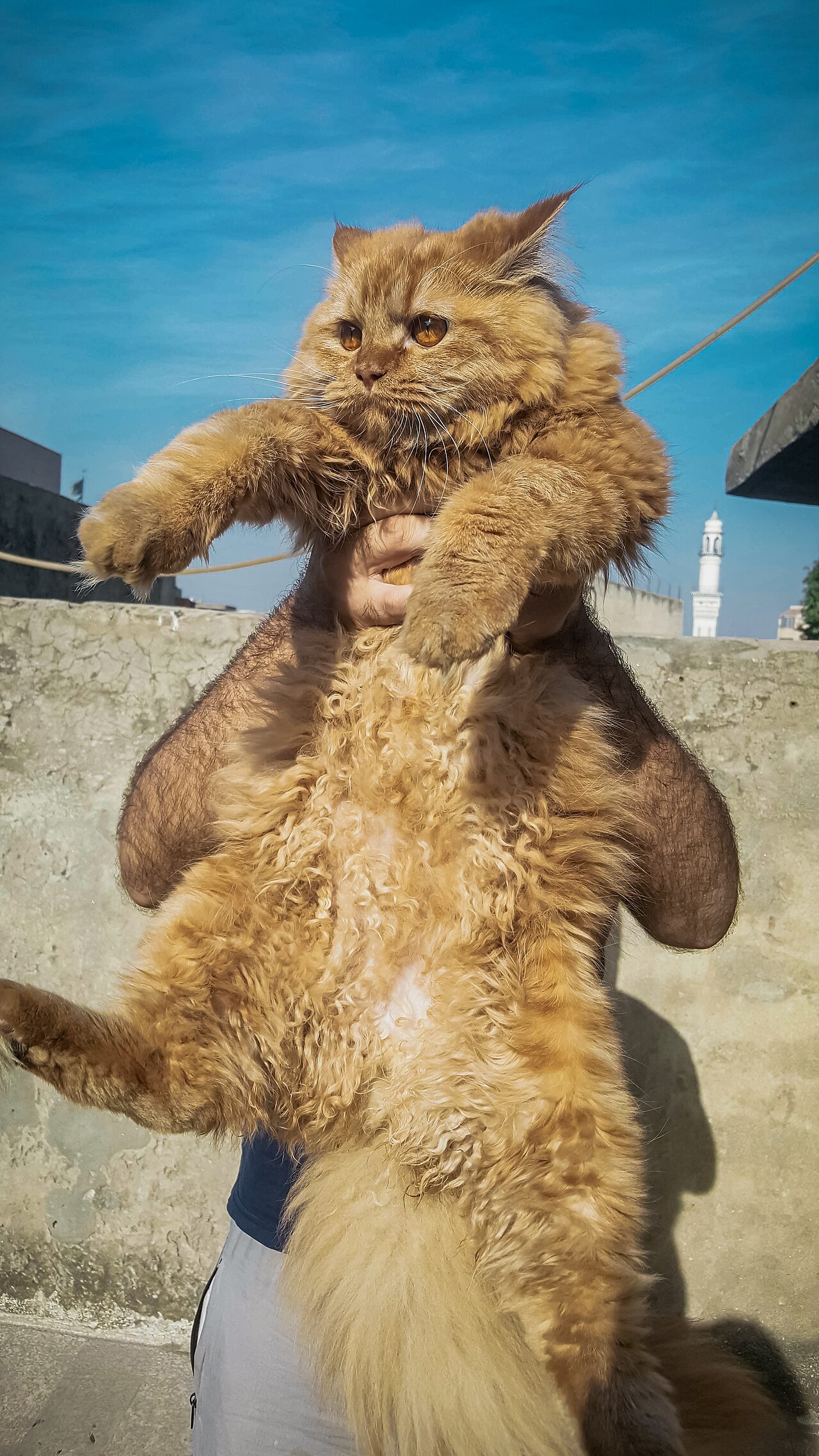
- The Genetic and Evolutionary Truth Behind Persian Cats Flat Faces
- The Historical Shift: From "Doll Face" to "Peke-Face"
- The Role of Cat Registries in Exaggerating the Trait
- The Anatomy of a Flat Face: What’s Really Going On?
- Breathing Difficulties and Brachycephalic Airway Syndrome
- Health Consequences Beyond the Nose
- Ocular and Facial Skin Problems
- Dental and Jaw Misalignment
- Grooming and Hygiene Challenges
- Lifespan, Size, and Temperament: The Full Picture
- Physical Statistics
- Behavioral Traits
- The Ethical and Breeding Controversy
- How to Care for a Flat-Faced Persian Cat
- Daily and Weekly Care Checklist
- The Importance of Regular Veterinary Care
- Conclusion: Choosing Health Over Extreme Aesthetics
- ❓ Frequently Asked Questions
The distinctively squashed visage of Persian cats flat faces is one of the most recognizable features in the entire feline world, yet the story behind this extreme brachycephalic (short-skulled) anatomy is a complex mix of genetics, selective breeding, and significant health trade-offs. While many adore the doll-like expression, the truth is that the flat face we see today is a relatively modern invention, a far cry from the cat’s original appearance, and it comes with a heavy physiological price tag. Understanding why Persian cats have flat faces requires a journey through pedigree history, a close look at feline skull anatomy, and an honest assessment of the breed’s current welfare crisis.
The Genetic and Evolutionary Truth Behind Persian Cats Flat Faces
At its core, the flat face of the Persian is not a natural evolutionary adaptation but a deliberate, human-driven selection for a specific genetic mutation. In simple terms, Persian cats flat faces are the result of a dominant gene that disrupts the normal growth of the skull’s facial bones. This condition, known as brachycephaly, causes the nose and upper jaw to be severely shortened and pushed inward, while the lower jaw often remains a more normal length, leading to a misaligned bite.
Specifically, researchers have identified a mutation in the ADAMTS3 gene that is strongly associated with brachycephaly in cats. This gene plays a role in cartilage and bone development. When this mutation is present, the cartilage of the nasal septum and the bones of the face fail to grow forward at a normal rate. The result is a skull that is wider than it is long, with the eyes set into shallow orbits and a nose that is essentially a small, recessed opening.
Unlike wild cats, such as the sand cat or the caracal, which have long, prominent muzzles for efficient scent tracking and thermoregulation, the Persian’s face is an anatomical compromise. In the wild, a flat face would be a severe disadvantage, making hunting, breathing, and even grooming difficult. Therefore, the Persian’s face is a testament to human aesthetic preference overriding natural selection. The breed standard, as defined by cat registries like the Cat Fanciers’ Association (CFA), explicitly calls for a "short, cobby" body and a "round, massive" head with a "short, snub nose" — a direct instruction to breeders to perpetuate this extreme morphology.
The Historical Shift: From "Doll Face" to "Peke-Face"
The history of the Persian cat reveals that the extreme flat face is a recent development, not an ancient trait. The original Persian cats, imported to Europe from Persia (modern-day Iran) and Turkey in the 17th century, were quite different in appearance. They possessed a more moderate facial structure, often described today as "doll-faced" or "traditional" Persians. These cats had a longer nose, a more prominent muzzle, and a less exaggerated expression, resembling a long-haired European cat with a sweet, open face.
The shift toward the extreme flat face began in earnest in the mid-20th century, particularly in the United States. Breeders started to favor a "smoother" profile, with the goal of achieving a perfectly round head. This led to the development of the "Peke-faced" Persian, named after the Pekingese dog, which shares a similar flat-faced, brachycephalic skull.
The Role of Cat Registries in Exaggerating the Trait
Cat registries played a pivotal role in this transformation. As the CFA and other organizations updated their breed standards to favor the flatter face, breeders who produced cats with longer noses found their animals being penalized in the show ring. This created a powerful financial and reputational incentive to breed for more extreme features. By the 1980s and 1990s, the "ultra-typed" Persian, with a face that is almost concave, had become the standard in many parts of the world, particularly in North America.
This shift was not without controversy. Traditional breeders argued for the health and functionality of the original Persian, while "ultra-type" breeders pushed for the extreme look. Today, there is a growing movement back toward the "doll-face" Persian, driven by veterinary concerns and a desire for healthier, more robust cats. However, the damage to the gene pool is done; even "doll-face" Persians often carry the brachycephalic gene in a heterozygous form, meaning they can produce flat-faced kittens.
The Anatomy of a Flat Face: What’s Really Going On?
To understand the severity of the issue, it is crucial to examine the anatomical differences between a normal cat skull and a Persian’s skull. A typical feline skull is elongated, with a well-developed nasal cavity that filters, warms, and humidifies air before it reaches the lungs. The nasal turbinates, delicate bony structures inside the nose, are large and complex, providing a vast surface area for scent detection.
In a Persian cat with a flat face, this entire structure is compressed. The nasal cavity is shortened and often twisted, leading to a condition known as stenotic nares (pinched nostrils). The soft palate, the fleshy part of the roof of the mouth, is often too long for the shortened skull, blocking the opening to the trachea. The tear ducts are also compressed, leading to chronic epiphora (excessive tearing) and facial staining.
Breathing Difficulties and Brachycephalic Airway Syndrome
These anatomical abnormalities combine to cause Brachycephalic Airway Syndrome (BAS), a group of upper airway disorders that include stenotic nares, elongated soft palate, everted laryngeal saccules, and a hypoplastic trachea (a narrow windpipe). The result is that Persian cats often have to work harder to breathe than other cats. They are prone to open-mouth breathing, snoring, and exercise intolerance.
Consider the numbers: a study published in the Journal of Feline Medicine and Surgery found that brachycephalic breeds, including Persians, are significantly more likely to be diagnosed with respiratory distress than non-brachycephalic cats. They are also at a higher risk for heatstroke because panting is an inefficient cooling method when the airway is obstructed. A simple trip to the litter box or a short play session can leave a Persian cat panting heavily, a clear sign of respiratory compromise.
Health Consequences Beyond the Nose
The impact of the flat face extends far beyond the respiratory system. The entire head structure is affected, leading to a cascade of secondary health issues that every potential owner must be aware of.
Ocular and Facial Skin Problems
Because the eyes are set in shallow orbits, they protrude more than in other breeds. This makes them more susceptible to corneal ulcers, scratches, and trauma. The tear film is often inadequate due to the compressed tear ducts, leading to dry eye (keratoconjunctivitis sicca) or, conversely, excessive tearing that stains the fur a reddish-brown. The skin folds around the face can also become moist and infected if not cleaned regularly, leading to a condition called skin fold dermatitis.
Dental and Jaw Misalignment
The shortened upper jaw and relatively normal lower jaw create a severe malocclusion, or misaligned bite. This can lead to food trapping, gingivitis, and painful periodontal disease. Many Persians require regular dental cleanings under anesthesia, which carries additional risk due to their breathing issues. The misalignment can also cause difficulty picking up food, leading to messy eating habits.
Grooming and Hygiene Challenges
A flat face makes it nearly impossible for a Persian to groom its own face effectively. They cannot reach their heads with their tongues to clean away food or debris. This means they rely entirely on their human caregivers for facial hygiene. Additionally, their long, dense coats require daily brushing to prevent matting, which can be painful and lead to skin infections. The combination of a high-maintenance coat and a face that cannot be self-cleaned makes the Persian one of the most high-maintenance breeds in terms of daily care.
Lifespan, Size, and Temperament: The Full Picture
Despite these health challenges, Persian cats remain incredibly popular due to their gentle, placid temperament. They are known for being quiet, sweet-natured, and affectionate cats that prefer a calm, predictable environment. They are not typically climbers or jumpers; instead, they are content to lounge on a soft cushion or a lap.
Physical Statistics
- Size: Persians are medium to large cats, typically weighing between 7 and 12 pounds for females and 9 to 13 pounds for males. They have a "cobby" body type, meaning they are short, thick-set, and heavy-boned, with short, thick legs.
- Coat: They have a long, flowing double coat that requires daily grooming to prevent tangles and mats.
- Diet: Due to their flat faces, they may have difficulty grasping kibble. A high-quality, small-kibble dry food or a wet food diet is often recommended to make eating easier. They are prone to obesity due to their sedentary nature, so portion control is key.
- Habitat: They are strictly indoor cats. Their flat faces make them poor at regulating body temperature, and they are extremely vulnerable to predators. An indoor environment with climate control is essential for their health and safety.
- Lifespan: The average lifespan for a Persian cat is 12 to 15 years, though some can live longer with excellent care. However, their respiratory and kidney issues can shorten this, so regular veterinary check-ups are vital.
Behavioral Traits
Persians are not demanding or vocal cats. They communicate with soft, melodic meows and gentle head-butts. They are very people-oriented and will follow their owners from room to room, but they are not clingy. They are also sensitive to loud noises and chaotic households, preferring a quiet, stable routine. This makes them ideal companions for seniors or people who work from home.
The Ethical and Breeding Controversy
The breeding of flat-faced Persians is a subject of intense ethical debate within the veterinary and animal welfare communities. Many veterinary organizations, including the British Veterinary Association (BVA), have publicly called for a halt to breeding animals with extreme conformations that compromise their welfare. They argue that breeding for a flat face is a form of animal cruelty, as it intentionally creates animals that are in a state of chronic respiratory distress.
The term "breathing disease" is often used by vets to describe the condition of these cats. A healthy cat breathes quietly through its nose; a Persian kitten often snores from the moment it is born. The BVA has even suggested that judges at cat shows should penalize cats that are unable to breathe normally, to discourage the extreme type.
On the other side of the debate, some breeders argue that they are selecting for a "moderate" flat face and that their cats are healthy. However, the genetic reality is that the gene for brachycephaly is dominant and linked to other traits. It is difficult to breed a cat with a "slightly" flat face without also running the risk of producing a kitten with a severely compromised airway. The push for "doll-face" Persians is a step in the right direction, but it is a slow process to undo decades of selective breeding for the extreme look.
How to Care for a Flat-Faced Persian Cat
If you are considering bringing a Persian cat into your home, you must be prepared for the specific care requirements that their flat face necessitates. This is not a "low-maintenance" breed.
Daily and Weekly Care Checklist
- Daily Face Wiping: Use a soft, damp cloth or a pet-safe wipe to clean the skin folds around the eyes and nose. This prevents tear stains and skin infections. Dry the area thoroughly afterward.
- Daily Brushing: Spend at least 10-15 minutes a day brushing their coat to prevent mats. Pay special attention to the underarms, belly, and behind the ears.
- Eye Checks: Look for any signs of redness, cloudiness, or discharge. Because their eyes are prominent, they can get scratched easily. If you notice any squinting or excessive tearing, consult a vet immediately.
- Dietary Adjustments: Use a wide, shallow food bowl to make it easier for them to access their food without getting their whiskers in the bowl. Consider feeding a mix of wet and dry food to ensure adequate hydration.
- Monitor Breathing: Be aware of their resting respiratory rate. If they are breathing fast while resting, panting heavily after mild exertion, or having difficulty recovering from play, this is a red flag for airway obstruction.
- Environmental Control: Keep your home at a comfortable temperature. Avoid letting them outside in hot, humid weather. Their inability to cool down efficiently makes them prone to heatstroke.
The Importance of Regular Veterinary Care
Persian cats require more frequent veterinary visits than the average cat. A vet familiar with brachycephalic breeds can monitor their heart, lungs, and eyes. They may recommend surgery, such as nares resection (widening the nostrils) or soft palate resection, to improve airflow. These surgeries can significantly improve a Persian’s quality of life, but they are not a cure-all and carry their own surgical risks, particularly with anesthesia.
Conclusion: Choosing Health Over Extreme Aesthetics
The truth about Persian cats flat faces is that they are a human-created anomaly, a beautiful but flawed design that prioritizes a "cute" look over the fundamental well-being of the animal. While these cats can and do live happy lives in caring homes, their existence is often marked by silent struggles to breathe, chronic eye irritation, and a dependence on humans for basic hygiene. The future of the breed lies in a conscious shift back toward moderation. By supporting breeders who prioritize health and a longer nose, and by adopting traditional "doll-face" Persians, we can help ensure that future generations of these gentle, loving cats are not only beautiful but also able to breathe easily and live comfortably. Ultimately, the most compassionate choice is to love the Persian cat for its sweet temperament and noble history, while rejecting the extreme flat face that has come to define its modern tragedy.
❓ Frequently Asked Questions
💬 Why do Persian cats have flat faces?
Persian cats have flat faces due to a genetic mutation that was selectively bred over centuries to create the brachycephalic (short-skulled) look. This trait became a breed standard, but it also causes health issues like breathing difficulties.
💬 Are flat-faced Persian cats healthy?
No, flat-faced Persians are prone to respiratory problems, eye infections, dental issues, and difficulty eating or grooming. Their shortened nasal passages can lead to brachycephalic airway syndrome, which requires careful management and regular vet checkups.
💬 Do all Persian cats have flat faces?
Not all—there are two types: the traditional or 'doll-face' Persian with a longer muzzle, and the 'peke-face' or 'ultra-typed' Persian with a very flat face. Breeders now often prefer the doll-face to reduce health risks, though peke-faces still exist in show lines.
💬 Can flat-faced Persian cats breathe normally?
Many have some degree of breathing difficulty, especially during exercise, heat, or stress. They often snore, wheeze, or breathe through their mouths, and in severe cases may need surgery to open their airways. Owners should keep them cool and avoid strenuous activity.