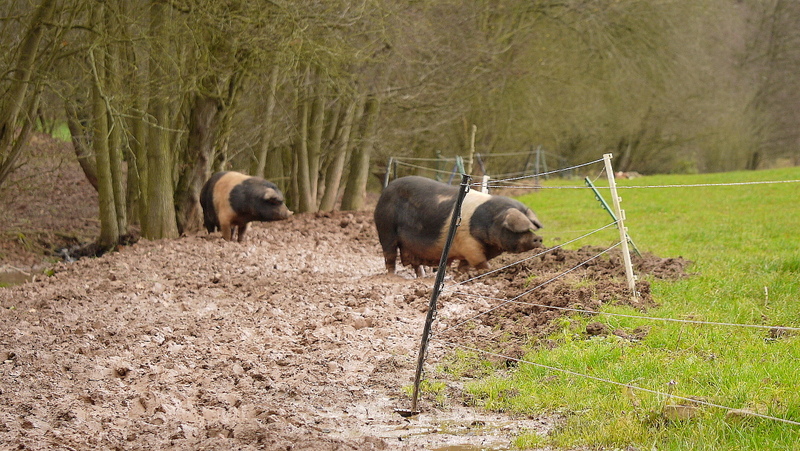
- Why Do Pigs Wallow in Mud? The Simple Answer Is Heat
- Why Not Just Water?
- Why Do Pigs Wallow in Mud? It Is Also Sunscreen and Skin Care
- The Social Side of the Wallow
- The Wild Boar Connection: Wallowing Is Ancient Behavior
- Pigs Are Cleaner Than You Think
- How Farm Pigs Use Wallows in Practice
- What a Good Wallow Looks Like
- The Biology of Pig Skin and Fat
- Piglets and Temperature
- Common Myths About Pigs and Mud
- Myth: Pigs Wallow Because They Are Dirty
- Myth: Pigs Can Sweat Like Humans
- Myth: Any Mud Will Do
- Myth: Wallowing Spreads Disease Unavoidably
- Wallowing and Pig Welfare: What the Science Says
- Fun Facts About Pigs
- The Bottom Line on Why Pigs Wallow in Mud
- ❓ Frequently Asked Questions
If you have ever watched a pig happily flop into a muddy puddle and wondered why do pigs wallow in mud, you are not alone — it is one of the most familiar and most misunderstood behaviors in the animal kingdom. Pigs are famously clean animals in their own way, and that muddy wallow is not a sign of laziness or dirtiness. It is a sophisticated cooling system, a skin-care routine, a social ritual, and a natural pest repellent all rolled into one. In this article, we will dig into the science behind wallowing, explain why pigs cannot simply rely on sweating like humans do, and look at how wild boar, farm pigs, and pet pigs all use mud in remarkably similar ways.
Why Do Pigs Wallow in Mud? The Simple Answer Is Heat
The single biggest reason pigs wallow is temperature control. Pigs are mammals with a thick layer of subcutaneous fat and relatively few functional sweat glands. While humans have millions of sweat glands spread across the skin, pigs have a very limited number, and those they do have are concentrated on the snout and a few other small areas. That means pigs cannot cool themselves effectively by sweating. For an animal that can weigh anywhere from 100 to 700 pounds depending on breed and age, overheating is a serious problem.
Mud solves this elegantly. Water evaporates from the wet mud coating the pig's skin, pulling heat away from the body in a process called evaporative cooling. Because mud clings to the skin and dries slowly, the cooling effect lasts far longer than a quick splash of water would. Researchers studying domestic pigs and wild boar have found that a good wallow can lower skin temperature noticeably for an extended period. In hot climates, a pig without access to mud or water will seek shade, reduce activity, and may even pant — all signs of heat stress.
Why Not Just Water?
Pigs will use plain water when they can get it, but mud offers advantages water does not. A mud coating insulates against direct sun, and as it dries it continues to draw heat out of the skin. Mud also stays cooler than the surrounding air because the water in it evaporates gradually. Farmers who provide concrete wallows or misting systems often find that pigs still prefer a genuine mud hole when given the choice.
Why Do Pigs Wallow in Mud? It Is Also Sunscreen and Skin Care
Beyond cooling, mud acts as a natural protective layer. Pig skin is sensitive to sunburn, especially in light-colored breeds such as the Large White or the Landrace. A coating of mud blocks ultraviolet radiation the way a physical sunscreen does. This matters greatly for pigs kept outdoors, and it is one reason pasture-based pig farming systems almost always include wallows.
Mud also helps pigs manage parasites and skin irritation. The drying mud pulls moisture and oils away from the skin surface, and as it flakes off it can carry away some external parasites. Pigs will often rub against trees, fence posts, or stones after wallowing, and this combination of mud plus friction helps them scratch and groom hard-to-reach areas. Wild boar in particular use mud and tree-rubbing together as part of a grooming routine that keeps their coats in condition.
The Social Side of the Wallow
Wallowing is rarely a solitary activity. Pigs are highly social animals, and a shared wallow becomes a gathering place. Sows and piglets wallow together, and group wallowing appears to strengthen social bonds. Observers of wild boar note that family groups will use the same wallow repeatedly, and the site becomes a familiar communal resource. For piglets, joining the wallow is part of learning adult behavior from the sow.
The Wild Boar Connection: Wallowing Is Ancient Behavior
Domestic pigs are descended from wild boar (Sus scrofa), and the wallowing habit goes back long before farms existed. Wild boar live across Europe, Asia, and parts of North Africa in forests, scrublands, and wetlands. In these habitats, wallows are often formed in damp depressions near streams, in shaded woodland, or in marshy ground. A boar will root out a shallow basin with its powerful snout, and rain or groundwater fills it.
Wild boar are large animals — adult males can weigh 200 to 400 pounds, and some record specimens exceed that — with a dense coat of bristles and a thick fat layer. In summer heat, wallowing is essential. The mud also helps protect boar from biting insects, which are abundant in forest habitats. Interestingly, the mud wallow is such a reliable feature of boar behavior that it leaves distinctive signs in the landscape: trampled, muddy depressions that other wildlife may also use.
Pigs Are Cleaner Than You Think
One of the great myths about pigs is that they are dirty animals. In reality, pigs are fastidious about where they eliminate. Given enough space, pigs will designate a dunging area well away from where they sleep and eat. Sows in farrowing pens will try to keep their nesting area clean. The mud on a pig's skin is a deliberate, functional coating — not evidence of poor hygiene. In fact, a pig that has no access to mud or water in hot weather is more likely to suffer than one that is happily caked in it.
How Farm Pigs Use Wallows in Practice
On commercial farms, wallowing management varies widely. Indoor pigs in climate-controlled buildings rely on ventilation, cooling pads, and misting rather than mud, because mud inside a barn creates hygiene and disease-control challenges. Outdoor and free-range systems, however, typically provide wallows. These may be simple excavated depressions lined with clay soil, or more engineered concrete wallows with drainage.
Farmers have learned that a well-designed wallow improves pig welfare. Pigs with access to mud show fewer signs of heat stress, lower aggression, and more natural behavior. In hotter regions such as parts of southern Europe, Australia, and the southern United States, wallows are considered essential infrastructure for outdoor pig operations. Some farms rotate wallow locations to prevent the ground from becoming a permanently muddy, eroded mess.
What a Good Wallow Looks Like
A functional wallow for farm pigs usually has several features:
- Shade nearby: pigs need a cool place to retreat after wallowing so the mud does not dry too fast in direct sun.
- Clay-heavy soil: clay holds water and clings to skin better than sandy soil, which drains away.
- Shallow depth: most wallows are only a few inches to a foot deep — enough to coat the body without requiring swimming.
- Gentle access: sloped edges let piglets and older pigs get in and out safely.
- Clean water nearby: pigs need drinking water separate from the wallow, since wallow water becomes dirty quickly.
The Biology of Pig Skin and Fat
To fully understand wallowing, it helps to look at pig anatomy. A pig's skin is relatively thin compared with its body size, and it is sparsely haired. Beneath the skin lies a substantial layer of fat, which insulates the animal against cold but also traps heat inside. This combination — insulated core, thin skin, few sweat glands — makes pigs poorly equipped to dump heat through the skin the way humans or horses do.
Pigs do have some other cooling strategies. They will pant in extreme heat, seek shade, lie stretched out on cool ground, and reduce feeding during the hottest part of the day. But evaporative cooling from wet skin is by far the most efficient method available to them, and mud maximizes that effect because it stays wet longer than plain water. This is why the wallow is not a quirky habit but a core survival tool.
Piglets and Temperature
Newborn piglets are especially vulnerable to temperature extremes. They have very little fat at birth and cannot regulate body temperature well, so they rely on the sow and on warm nesting conditions. As they grow, their fat layer develops and their cooling needs increase. By the time piglets are a few weeks old, they can often be seen following the sow to the wallow and learning the behavior that will serve them for life.
Common Myths About Pigs and Mud
Several persistent myths surround pigs and mud. Let's clear up the most common ones.
Myth: Pigs Wallow Because They Are Dirty
False. Pigs wallow to cool down, protect their skin, and manage parasites. Given a clean, cool environment, pigs keep themselves and their sleeping areas remarkably tidy. The mud is a tool, not a lifestyle choice.
Myth: Pigs Can Sweat Like Humans
False. Pigs have very few functional sweat glands. They cannot rely on sweating to regulate temperature, which is precisely why wallowing matters so much.
Myth: Any Mud Will Do
Not quite. Pigs prefer cool, shaded, clay-rich mud that clings well. A dried-up or sun-baked wallow offers little benefit, and pigs will often abandon a wallow that has become too warm or foul. Good wallow management matters for both wild and domestic pigs.
Myth: Wallowing Spreads Disease Unavoidably
Shared wallows can be a disease risk if poorly managed, which is why farmers monitor them and provide clean drinking water separately. But well-designed wallows are compatible with good health management, and the welfare benefits of cooling and natural behavior are substantial.
Wallowing and Pig Welfare: What the Science Says
Animal welfare scientists increasingly treat wallowing as a key indicator of pig wellbeing. Studies of outdoor pigs have found that access to a wallow reduces heat stress and is associated with more natural behavior patterns. Pigs denied mud in hot weather may show increased aggression, restlessness, and reduced feeding. In welfare assessment schemes, the presence of a functional wallow is often counted as a positive feature of a pig's environment.
For pet pigs and smallholders, the practical takeaway is simple: if you keep pigs outdoors in warm weather, provide a wallow. A kiddie pool partially buried in the ground, a shallow excavated pit lined with clay, or a section of garden hose keeping a muddy patch damp can all work. Change or refresh the water regularly, keep the area shaded, and make sure drinking water is always clean and separate.
Fun Facts About Pigs
Pigs are among the smartest domestic animals, comparable in problem-solving ability to dogs. They can learn their names, respond to training, and solve puzzles. A typical domestic pig reaches market weight in about five to six months, but breeding sows can live for many years — often 10 to 15 years or more in good conditions. Wild boar in the wild typically live around 4 to 8 years, though some reach older ages. Pigs have an excellent sense of smell, which they use to root out food, and their snouts are powerful digging tools. All of this makes the wallow even more interesting: it is a smart animal using its environment intelligently.
The Bottom Line on Why Pigs Wallow in Mud
The next time you see a pig contentedly coated in mud, you will know exactly what is going on. Pigs wallow in mud primarily to cool down, because their sparse sweat glands and thick fat layer make them vulnerable to heat. Mud also protects their skin from sunburn, helps control parasites, supports grooming, and serves as a social gathering place. This behavior is ancient, shared with wild boar, and essential to pig welfare in warm climates. Far from being dirty animals, pigs are practical ones — using the tools nature gave them to stay comfortable, healthy, and cool. Whether you are a farmer designing an outdoor system, a smallholder with a couple of pet pigs, or simply a curious animal lover, understanding wallowing helps you see pigs for what they really are: intelligent, social, and wonderfully adapted to their world.
❓ Frequently Asked Questions
💬 Why do pigs wallow in mud instead of sweating?
Pigs have very few functional sweat glands, so they can't cool themselves effectively by sweating. Wallowing in mud or water lets them lose heat through evaporation and direct contact with a cooler surface. The dried mud also protects their skin from sunburn and biting insects.
💬 Is it true that pigs are dirty animals because they roll in mud?
No, pigs are actually quite clean animals and will avoid soiling their sleeping and eating areas when given enough space. They wallow in mud purely for temperature control and skin protection, not because they like being dirty. In fact, pigs kept cool and comfortable tend to be calmer and healthier.
💬 Do pigs need mud, or is water enough for cooling?
Water alone helps, but mud is better because it clings to the skin and keeps cooling the pig as it evaporates slowly. The coating also shields against sun and insects, which plain water doesn't do. That's why good pig housing usually provides a wallow or misting and shade as alternatives.
💬 How deep should a mud wallow be for pigs?
A wallow only needs to be deep enough for pigs to lie in and coat themselves, roughly 15 to 30 centimeters (6 to 12 inches) of muddy water works well. It should have gently sloped sides so pigs can get in and out easily and be sited in shade to stay cool. Refreshing the water and mud regularly keeps it hygienic and effective.