- The Evolutionary Purpose of Vibrant Colors in Poison Dart Frogs
- How Aposematism Works in the Wild
- The Role of Predator Learning
- How Poison Dart Frogs Develop Their Vibrant Colors
- Genetic Basis of Coloration
- The Role of Diet in Color Intensity
- Environmental Influences on Coloration
- The Diversity of Colors Across Poison Dart Frog Species
- Red and Orange Species
- Blue and Yellow Species
- Rare Color Morphs
- The Chemical Basis of Toxins Linked to Color
- Alkaloid Toxins and Their Origins
- Color as a Toxin Indicator
- Variation in Toxicity Among Species
- Behavior and Habitat of Poison Dart Frogs
- Daytime Activity and Visibility
- Habitat Preferences
- Territorial and Mating Behavior
- Lifespan and Reproduction
- Predator-Prey Dynamics and Color Evolution
- Natural Predators of Poison Dart Frogs
- Mimicry and Convergence
- Climate Change and Color Shifts
- Conservation and the Future of Poison Dart Frogs
- Habitat Loss and Fragmentation
- Captive Breeding and Color Retention
- What You Can Do to Help
- Conclusion: The Enduring Mystery of Poison Dart Frog Colors
- ❓ Frequently Asked Questions
Poison dart frogs are among the most visually striking creatures on Earth, their vivid hues of electric blue, fiery red, and brilliant yellow serving as a living testament to nature’s artistry. These tiny amphibians, found primarily in the rainforests of Central and South America, captivate scientists and nature enthusiasts alike with their dazzling colors. But why do poison dart frogs have such vibrant colors? The answer lies in a fascinating interplay of evolution, chemistry, and survival that has shaped these frogs into both a warning and a wonder.
The Evolutionary Purpose of Vibrant Colors in Poison Dart Frogs
The primary reason poison dart frogs display such intense coloration is a survival strategy known as aposematism, or warning coloration. In the animal kingdom, bright colors often signal danger, toxicity, or unpalatability to potential predators. For poison dart frogs, their hues act as a visual deterrent, telling predators like birds, snakes, and mammals, "I am toxic, do not eat me." This is a form of defensive mimicry where the frog’s appearance communicates a threat without requiring a physical confrontation.
How Aposematism Works in the Wild
Poison dart frogs acquire their toxicity from their diet, primarily from consuming toxic ants, mites, and beetles in the rainforest. These arthropods contain alkaloids, which the frogs sequester and concentrate in their skin glands. The vibrant colors—ranging from bright orange to neon green—are a direct advertisement of this chemical defense. For example, the golden poison dart frog (Phyllobates terribilis), which can reach just over two inches in length, carries enough batrachotoxin to kill ten adult humans. Its bright yellow skin warns predators of this potent poison, making it one of the most toxic animals on Earth.
The Role of Predator Learning
Predators, particularly birds, learn to associate bright colors with unpleasant experiences. When a naive predator attempts to eat a poison dart frog, it may experience immediate nausea, pain, or even paralysis from the toxins. After one such encounter, the predator remembers the vibrant pattern and avoids similar-looking frogs in the future. This learned avoidance reinforces the effectiveness of aposematic coloration, allowing poison dart frogs to thrive despite their small size—most species measure just 0.5 to 2 inches in length.
How Poison Dart Frogs Develop Their Vibrant Colors
The brilliant colors of poison dart frogs are not just skin-deep; they result from a complex combination of genetics, diet, and environmental factors. Understanding how these colors develop reveals the intricate biology behind their appearance.
Genetic Basis of Coloration
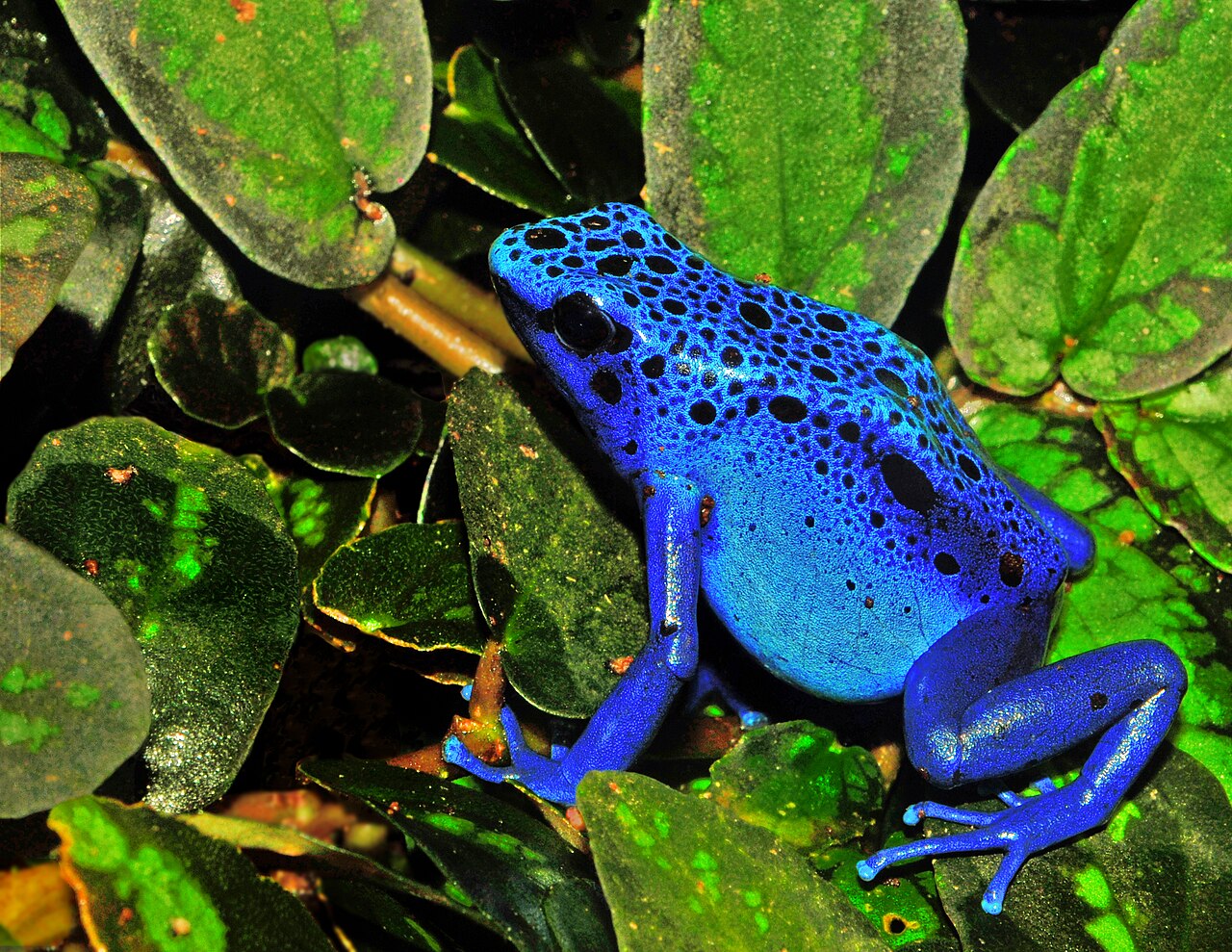
Research has shown that the vibrant colors of poison dart frogs are controlled by specific genes that regulate the production of pigments. These pigments include carotenoids (which produce reds and yellows) and pteridines (which contribute to blues and greens). For instance, the blue poison dart frog (Dendrobates tinctorius azureus) has a striking cobalt-blue hue due to the arrangement of pigment cells in its skin. Scientists have identified that the gene MC1R plays a key role in determining color variation, with mutations leading to different shades within the same species.
The Role of Diet in Color Intensity
While genetics provide the blueprint, diet is crucial for color expression. Wild poison dart frogs consume a variety of alkaloid-rich arthropods, which not only supply toxins but also enhance pigment production. In captivity, where frogs are fed fruit flies and crickets, their colors often become duller. This is because captive diets lack the necessary precursors for both toxin and pigment synthesis. For example, the strawberry poison dart frog (Oophaga pumilio) in the wild displays a brilliant red with blue spots, but captive specimens may appear paler if not provided with a specialized diet.
Environmental Influences on Coloration
Light exposure and humidity also affect color vibrancy. Poison dart frogs living in dense rainforest canopies, where sunlight filters through leaves, may evolve brighter colors to stand out against the dim background. Conversely, frogs in open areas might develop more muted tones to avoid detection. This plasticity highlights how poison dart frogs adapt their coloration to local conditions, balancing warning signals with visibility.
The Diversity of Colors Across Poison Dart Frog Species
The family Dendrobatidae includes over 170 species, each with its own unique color palette. This diversity is not random; it reflects ecological niches, geographic distribution, and evolutionary pressures.
Red and Orange Species
Red and orange are common among poison dart frogs, as these colors are highly visible in forest environments. The red-backed poison dart frog (Ranitomeya reticulata) features a vivid red body with black reticulations, while the green-and-black poison dart frog (Dendrobates auratus) combines green with black patterns. These colors are particularly effective at warning predators because they contrast sharply with the browns and greens of the rainforest floor.
Blue and Yellow Species
Blue and yellow combinations are iconic in the group. The blue poison dart frog, native to the Sipaliwini savanna of Suriname, is a brilliant example. Its bright blue skin, spotted with black, is a result of light scattering through guanine crystals in its skin cells, a structural coloration effect. The yellow-banded poison dart frog (Dendrobates leucomelas) is another standout, with a golden-yellow body and black bands that resemble a wasp’s warning stripes.
Rare Color Morphs
Some species exhibit geographic color variation, known as morphs. For instance, Dendrobates tinctorius has a "azureus" morph (blue) and a "citronella" morph (yellow with black spots). These morphs arise from isolated populations adapting to different predators or habitats, showcasing the evolutionary flexibility of poison dart frogs.
The Chemical Basis of Toxins Linked to Color
The vibrant colors of poison dart frogs are directly tied to their chemical defenses. The toxins they carry are among the most potent natural poisons known, and their production is intricately linked to the frogs’ diet.
Alkaloid Toxins and Their Origins
Poison dart frogs produce a variety of alkaloids, including batrachotoxin, histrionicotoxin, and pumiliotoxin. These compounds interfere with nerve cell function, causing paralysis or cardiac arrest in predators. The frogs do not synthesize these toxins themselves; instead, they obtain them from their prey. For example, the toxic formicine ants (Brachymyrmex and Paratrechina) are a key source of alkaloids for many species. Without access to these ants in their diet, the frogs lose their toxicity and, consequently, the intensity of their warning colors.
Color as a Toxin Indicator
Studies have shown that brighter individuals within a species often have higher toxin levels. In the dyeing poison dart frog (Dendrobates tinctorius), researchers found a positive correlation between the intensity of yellow coloration and alkaloid content. This suggests that predators can use color brightness as a reliable indicator of toxicity, making the visual signal even more effective.
Variation in Toxicity Among Species
Not all poison dart frogs are equally toxic. The golden poison dart frog is the most toxic, while others, like the green-and-black poison dart frog, have milder toxins. Despite these differences, all species with vibrant colors are aposematic. Even those with lower toxicity benefit from the general avoidance of bright colors by predators, a phenomenon known as Müllerian mimicry.
Behavior and Habitat of Poison Dart Frogs
The vibrant colors of poison dart frogs are not just for show; they are closely tied to their behavior and habitat preferences. Understanding these aspects provides a complete picture of why these colors evolved.
Daytime Activity and Visibility
Unlike many other frogs, poison dart frogs are diurnal, meaning they are active during the day. This is unusual because most amphibians are nocturnal to avoid predators. However, by being diurnal, poison dart frogs can use their bright colors to maximum effect, as daylight makes them more visible to both predators and potential mates. Their activity peaks in the morning and late afternoon, when they hunt for small insects on the forest floor.
Habitat Preferences
Poison dart frogs inhabit humid tropical rainforests, from sea level to elevations of up to 2,000 meters. They are often found near streams, in leaf litter, or on the trunks of trees. The dense vegetation provides cover, but the frogs intentionally position themselves in open areas where their colors are visible. For example, the golden poison dart frog prefers the forest floor of the Chocó region in Colombia, where its yellow skin stands out against the dark soil.
Territorial and Mating Behavior
Males defend small territories, often calling from elevated perches to attract females. Their calls are high-pitched trills that carry through the forest. During courtship, males perform elaborate dances, and females choose mates based on the brightness of their coloration. Brighter males are often more successful in attracting mates, as their color signals good health and high toxin levels, which correlate with genetic fitness. This sexual selection further reinforces the evolution of vibrant colors.
Lifespan and Reproduction
In the wild, poison dart frogs typically live 4 to 8 years, though some captive individuals have exceeded 15 years. They reproduce through a unique process where females lay eggs in moist leaf litter, and males guard them until they hatch. The male then transports the tadpoles on his back to small pools of water in bromeliads or tree cavities, where they develop. This parental care is rare among amphibians and highlights the complexity of their life history.
Predator-Prey Dynamics and Color Evolution
The evolution of vibrant colors in poison dart frogs is a classic example of coevolution between predator and prey. Predators have developed counter-strategies, but the frogs continue to refine their warning signals.
Natural Predators of Poison Dart Frogs
Despite their toxicity, poison dart frogs have some natural predators that have evolved resistance to their toxins. For instance, the fire-bellied snake (Leimadophis epinephelus) is immune to batrachotoxin and feeds on golden poison dart frogs. Other predators, such as certain spiders and birds, have learned to avoid the frogs entirely. This selective pressure ensures that only the most brightly colored frogs survive, as duller individuals are more likely to be attacked.
Mimicry and Convergence
Vibrant colors have led to mimicry among non-toxic species. Some harmless frogs and insects have evolved similar color patterns to exploit the protection of aposematism, a strategy known as Batesian mimicry. For example, the non-toxic red-eyed tree frog (Agalychnis callidryas) has bright red eyes and blue-and-yellow flanks that mimic toxic species. This convergence demonstrates the power of warning coloration in shaping entire ecosystems.
Climate Change and Color Shifts
Climate change is altering the habitats of poison dart frogs, potentially affecting their coloration. Warmer temperatures and altered rainfall patterns may reduce the availability of alkaloid-rich prey, leading to duller colors and lower toxicity. This could make the frogs more vulnerable to predators, highlighting the delicate balance between color, toxicity, and survival.
Conservation and the Future of Poison Dart Frogs
The vibrant colors that make poison dart frogs so admired also put them at risk. Habitat destruction and illegal collection for the pet trade threaten many species, with approximately 30% of dendrobatids considered endangered or vulnerable.
Habitat Loss and Fragmentation
Deforestation in the Amazon and Central American rainforests destroys the microhabitats that poison dart frogs rely on. Logging, agriculture, and mining reduce leaf litter, remove bromeliads, and dry out breeding pools. Without these resources, populations decline, and the genetic diversity that produces vibrant colors is lost.
Captive Breeding and Color Retention
Captive breeding programs have been successful for some species, such as the blue poison dart frog, but maintaining vibrant colors in captivity requires careful diet management. Zoos and breeders supplement diets with vitamin A and carotenoids to enhance coloration, but captive-born frogs often have lower toxin levels. Conservation efforts focus on preserving wild populations and their habitats, as captivity cannot fully replicate the natural conditions that produce these stunning colors.
What You Can Do to Help
Supporting rainforest conservation organizations, avoiding the purchase of wild-caught frogs, and reducing your ecological footprint can help protect poison dart frogs. Their vibrant colors are a reminder of the biodiversity we stand to lose.
Conclusion: The Enduring Mystery of Poison Dart Frog Colors
The vibrant colors of poison dart frogs are a masterpiece of evolution, blending aposematism, chemistry, and behavior into a survival strategy that has fascinated humans for centuries. From the golden poison dart frog’s lethal yellow to the blue poison dart frog’s electric hue, these colors are not merely beautiful—they are essential for life in the rainforest. As we continue to study these tiny amphibians, we uncover deeper connections between diet, genetics, and environment that shape their appearance. Protecting them ensures that future generations can marvel at nature’s most vivid warning, a living reminder that sometimes the brightest colors signal the greatest danger.
❓ Frequently Asked Questions
💬 What is the main reason poison dart frogs are so brightly colored?
Their vibrant colors serve as a warning to predators, a defense mechanism called aposematism, signaling that they are toxic and dangerous to eat.
💬 Do all poison dart frogs have bright colors?
No, not all poison dart frogs are brightly colored; some species are dull or brown, which helps them camouflage in their environment rather than advertise toxicity.
💬 How do bright colors help poison dart frogs survive?
Bright colors help them survive by making them highly visible to predators like birds and snakes, which learn to associate the colors with a bad taste or deadly poison, avoiding them in the future.
💬 Are poison dart frogs born with their bright colors?
Poison dart frogs develop their bright colors as they mature; juveniles are often duller in color and may lack the full toxicity of adults, with colors intensifying as they grow and consume toxic prey.