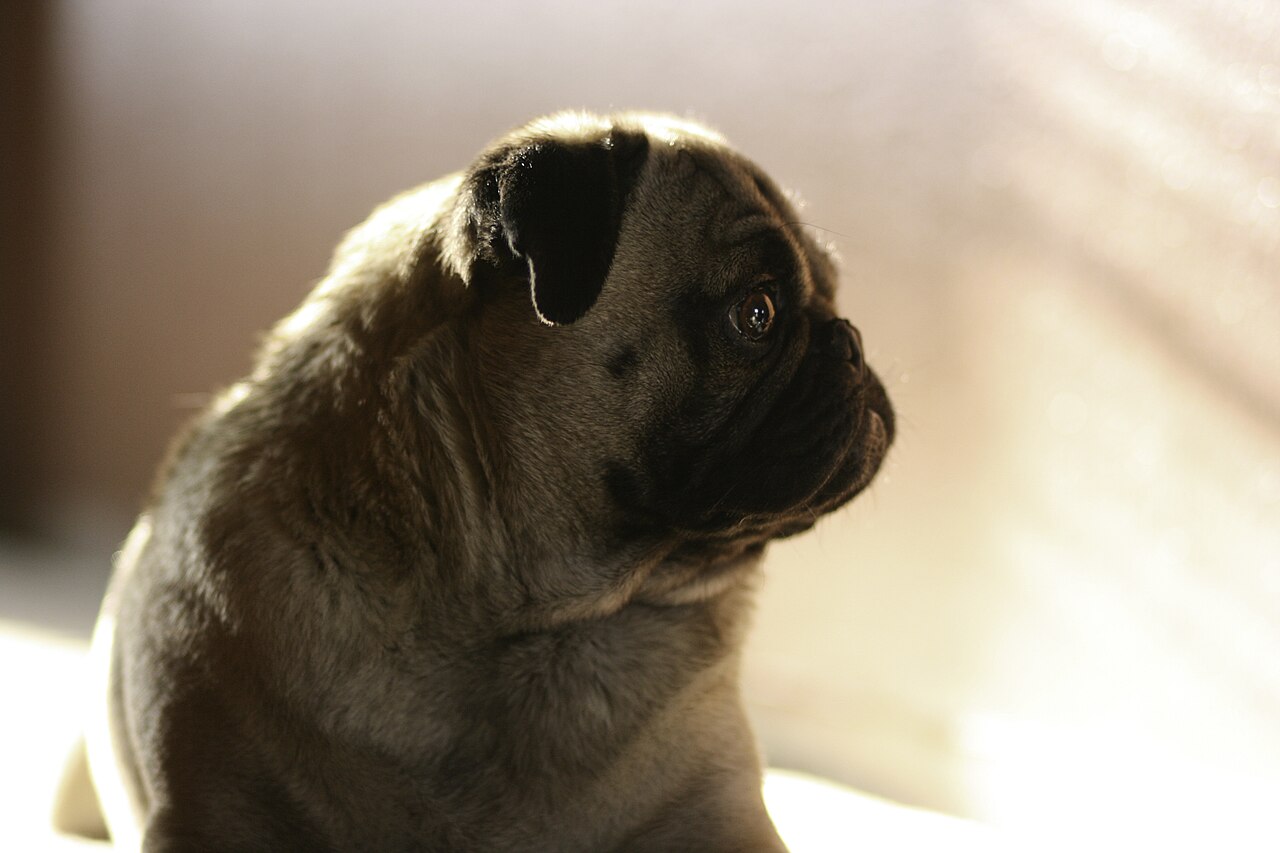
- The Genetic and Evolutionary Origins of Pugs Snub Noses
- The Ancient Breeding Selection
- The Anatomy of Brachycephaly: More Than Just a Flat Face
- The "Wedge" Effect and Airflow
- Health Implications: The Price of the Snub Nose
- Thermoregulation Difficulties
- Behavioral and Lifestyle Adaptations for Pugs
- Feeding and Nutrition
- The Lifespan and Quality of Life Considerations
- Sleep Apnea and Rest
- The Modern Breeding Debate: Ethical Considerations
- The "Retro Pug" Movement
- Comparing the Pug to Other Brachycephalic Breeds
- Habitat and Environmental Needs
- Conclusion: Embracing the Pug, Managing the Snub Nose
- ❓ Frequently Asked Questions
When you look at a pug, the first thing you likely notice is that unmistakable flat face, and the reason behind those pugs snub noses is a fascinating story of selective breeding, genetic mutation, and a heavy dose of human aesthetic preference. This distinct facial structure, known scientifically as brachycephaly, means "shortened head," and while it gives pugs their adorable, almost human-like expressions, it is also the root cause of a spectrum of health issues that every potential owner must understand. This article will peel back the layers of history, biology, and veterinary science to reveal the complete truth about the pug's iconic snout.
The Genetic and Evolutionary Origins of Pugs Snub Noses
To understand why pugs have snub noses, we have to look at the specific genes that control skull development. Unlike the elongated snouts of wolves or greyhounds, the pug’s skull has a mutation that stops the nasal bones from growing forward during embryonic development. This is not a gradual change that happened naturally in the wild; it is a fixed trait that was deliberately preserved by ancient breeders.
Research published in the journal Current Biology identified a specific genetic variant linked to this shortened face, located near a gene called SMOC2. This gene regulates the length of the face. In pugs, a mutation here causes the upper jaw to be severely compressed. Interestingly, this same genetic pathway is shared by other flat-faced breeds like the French Bulldog and the Pekingese, but pugs have one of the most extreme versions relative to their body size. The result is a skull that is almost as wide as it is long, with the nasal cavity, sinuses, and upper respiratory tract all squeezed into a fraction of the space they would normally occupy.
The Ancient Breeding Selection
Historical evidence suggests that pugs originated in China around 400 BC, where they were prized companions of emperors. These early breeders did not have access to modern genetics, but they did have a keen eye for specific traits. They selectively bred dogs that had flatter faces, as this was considered the gold standard of beauty and was thought to resemble the "lion" or the "monkey" in Chinese art. Over centuries, this selective pressure intensified, meaning that dogs with longer snouts were excluded from the breeding pool, while those with the most compressed faces were bred repeatedly. This artificial selection is the direct reason why modern pugs snub noses are so pronounced compared to their wild ancestors.
The Anatomy of Brachycephaly: More Than Just a Flat Face
When we discuss why pugs have snub noses, we must move beyond the surface level of skin and fur. The external appearance is only a fraction of the story. The internal anatomy of a pug’s head is a complex puzzle of rearranged and compressed structures. A normal dog has a long nasal passage that warms, filters, and humidifies the air before it reaches the lungs. A pug’s nasal passage is drastically shortened, but the soft tissues inside—like the turbinates (bony structures inside the nose) and the soft palate—did not shrink at the same rate.
This mismatch creates a bottleneck effect. The soft palate, which is the fleshy extension of the roof of the mouth, is often too long for the shortened skull, causing it to protrude into the airway. Additionally, the nostrils are frequently stenotic, meaning they are pinched and narrow, sometimes closing almost completely during inhalation. These anatomical quirks are collectively known as Brachycephalic Obstructive Airway Syndrome (BOAS).
The "Wedge" Effect and Airflow
Think of the pug’s airway as a series of tubes that have been folded back on themselves. When the dog inhales, the air must travel through the narrow nostrils, past an elongated soft palate, and through a collapsed larynx. This creates negative pressure, which sucks the soft tissues further into the airway, exacerbating the obstruction. This is why you often hear pugs snorting, gasping, or making a "reverse sneeze" sound. It is not a cute quirk; it is a desperate attempt to pull air past physical obstructions.
Health Implications: The Price of the Snub Nose
While the aesthetic of pugs snub noses is undeniably appealing to many, the physiological cost is severe. The primary concern is respiratory distress. A study from the Royal Veterinary College in London found that pugs are over 50 times more likely to suffer from breathing difficulties than non-brachycephalic breeds. This is not an occasional issue; it is a chronic condition that affects their quality of life from puppyhood.
Beyond breathing, the compressed skull leads to a host of other issues. The eyes of a pug sit in shallow sockets, making them prone to proptosis (the eye popping out of the socket) and corneal ulcers. The skin folds on their face, while adorable, trap moisture and bacteria, leading to recurring dermatitis. Their teeth are often crowded and rotated because there is simply not enough room in the jaw, leading to periodontal disease. The shortened spine and tail can also be linked to hemivertebrae, a malformation of the vertebrae that can cause neurological issues.
Thermoregulation Difficulties
One of the most dangerous implications of the snub nose is the inability to cool down effectively. Dogs do not sweat through their skin like humans; they pant to evaporate moisture from their respiratory tract. Because pugs have such a small surface area for evaporation and obstructed airways, they cannot pant efficiently. This makes them extremely susceptible to heatstroke. A pug can overheat and die in conditions that a Labrador would find perfectly comfortable. Owners must be vigilant about limiting exercise on warm days and ensuring the dog has constant access to cool, air-conditioned environments.
Behavioral and Lifestyle Adaptations for Pugs
Understanding why pugs have snub noses is essential for managing their daily lives. These dogs are not built for endurance running or vigorous play. Their behavior often reflects their physical limitations. You will rarely see a pug sprinting for long distances; instead, they prefer short bursts of activity followed by long periods of rest. Their low energy levels make them excellent apartment dogs, but it is crucial to recognize that this lethargy is often a coping mechanism for poor oxygenation rather than a purely "lazy" personality.
Owners must adapt their routines to accommodate the dog’s respiratory limits. Walks should be kept short and at a slow pace, ideally during cooler parts of the day. Harnesses are mandatory—a collar puts direct pressure on the trachea, which is already narrowed, and can trigger a collapse. It is also vital to keep the pug at a healthy weight. According to the American Kennel Club, a standard pug should weigh between 14 and 18 pounds. Excess weight puts additional pressure on the chest and diaphragm, making breathing even more labored.
Feeding and Nutrition
The snub nose also affects how pugs eat. Because their jaws are misaligned, they often struggle to pick up kibble. They may have an underbite, where the lower jaw protrudes past the upper jaw, making it difficult to grip food. Owners often find that pugs prefer shallow, wide bowls to avoid pushing their sensitive noses into the sides of the bowl. Additionally, their breathing issues can cause them to swallow air while eating, leading to bloat and gas. Feeding smaller, more frequent meals can help mitigate this.
The Lifespan and Quality of Life Considerations
Despite their health challenges, pugs have a surprisingly respectable lifespan. The average lifespan of a pug is between 12 and 15 years, which is longer than many larger breeds. However, the quality of those years is heavily dependent on medical intervention. Many pugs require surgery to correct BOAS—a procedure called rhinoplasty to widen the nostrils and a staphylectomy to shorten the soft palate. These surgeries can significantly improve their breathing and quality of life.
Owners must also be prepared for the financial and emotional toll of managing chronic conditions. Routine vet visits, eye drops, skin fold cleaning, and potential surgeries are the norm. The pug’s snub nose is not just a cosmetic feature; it is a lifelong medical condition that requires proactive management. Without owner vigilance, a pug can suffer silently, unable to exercise, sleep properly, or even eat without aspiration risks.
Sleep Apnea and Rest
Just like humans with obstructive sleep apnea, pugs often experience interruptions in their breathing during sleep. They may snore loudly, and in severe cases, they will stop breathing for a few seconds before startling awake. This fragmented sleep leads to chronic fatigue. If you notice your pug is excessively sleepy during the day, it may be a sign that they are not getting adequate rest at night due to their airway obstruction.
The Modern Breeding Debate: Ethical Considerations
In recent years, the ethics of breeding dogs with extreme brachycephaly have come under intense scrutiny. Countries like the Netherlands and Norway have implemented restrictions or outright bans on breeding dogs with severe conformation issues, citing animal welfare laws. The British Veterinary Association (BVA) has publicly stated that breeding animals with exaggerated features that cause health problems is unethical.
Proponents of the breed argue that pugs have been around for centuries and that responsible breeders are working to "moderate" the snout, producing dogs with slightly longer noses and more open nostrils. However, critics argue that the demand for the extreme "squished" face continues to drive irresponsible breeding. If you are looking to purchase a pug, it is imperative to seek out a breeder who prioritizes health testing and who can provide documentation of the parents’ BOAS status. A healthy pug should have visible nostrils that are open, not just tiny slits.
The "Retro Pug" Movement
A growing movement of breeders and owners is advocating for the "retro pug" or the "longer-nosed pug." These dogs are bred selectively to have a more moderate muzzle length, reducing the incidence of BOAS while retaining the pug’s charming personality. This is a direct response to the health crises caused by the extreme snub nose. While these dogs may not win traditional conformation shows, they are often healthier, live more active lives, and breathe easier.
Comparing the Pug to Other Brachycephalic Breeds
To fully grasp why pugs snub noses are so distinctive, it helps to compare them to other flat-faced dogs. The Boxer has a shorter snout than a Labrador, but it is significantly longer than a pug’s. The Bulldog has a similar compressed face, but a much larger, heavier body. The Persian cat is a feline example of brachycephaly, though their respiratory issues are often less severe than those seen in dogs.
The pug is considered an "extreme" brachycephalic breed because the ratio of skull length to skull width is nearly 1:1. In a typical dog, the skull is about twice as long as it is wide. This extreme shortening is what leads to the characteristic "bug-eye" look, as the eyes have nowhere to go but outward. It is a prime example of how human selection for a specific aesthetic—the snub nose—has dramatically altered the canine skeleton.
Habitat and Environmental Needs
Given their respiratory limitations, the pug’s habitat must be strictly controlled. They are not suited for outdoor living. They are strictly indoor pets that thrive in climate-controlled environments. High humidity can make breathing even more difficult, as moist air is heavier and harder to move through obstructed passages. Owners in tropical or desert climates must be extra cautious. The ideal habitat for a pug is a cool, well-ventilated home with soft bedding that supports their joints and avoids pressure on their neck.
Conclusion: Embracing the Pug, Managing the Snub Nose
Understanding why pugs have snub noses is to understand the dual-edged sword of selective breeding. On one hand, we have a dog with a hilarious, loving, and playful personality, a dog that bonds intensely with its human family and requires relatively little exercise. On the other hand, we have a creature whose very skull structure compromises its ability to perform the most basic biological function—breathing. The pug snub nose is a genetic legacy that demands responsibility.
If you choose to share your life with a pug, you must commit to being an advocate for their health. This means monitoring their weight, limiting strenuous activity, recognizing the signs of respiratory distress, and being prepared for veterinary costs associated with BOAS. It also means supporting breeding practices that favor health over extreme aesthetics. The future of the pug depends on our willingness to value the dog’s well-being over the flatness of its face. By doing so, we can ensure that these charming companions live long, comfortable, and happy lives, snorts and all.
❓ Frequently Asked Questions
💬 Why do pugs have snub noses?
Pugs have snub noses because they are a brachycephalic breed, meaning their skull bones are shortened while the soft tissues in their face and airway stay normal-sized. This trait was selectively bred over centuries for a flat, pushed-in face, which was prized in ancient China as a symbol of nobility and later in Europe as a companion look.
💬 Are snub noses natural for pugs or a result of breeding?
Snub noses are a result of selective breeding, not a natural mutation that occurred on its own. Humans deliberately chose pugs with flatter faces over generations to achieve the extreme brachycephalic shape we see today, which is now linked to several health problems.
💬 Do pugs with snub noses have breathing problems?
Yes, many pugs with snub noses suffer from Brachycephalic Obstructive Airway Syndrome (BOAS), which includes narrowed nostrils, an elongated soft palate, and a small trachea. These anatomical issues can cause snoring, wheezing, exercise intolerance, and in severe cases, respiratory distress or collapse.
💬 Can pugs live a normal life with their snub noses?
Pugs can live happy lives, but owners must manage their breathing risks by avoiding overheating, strenuous exercise, and obesity. Regular vet check-ups and, in severe cases, surgery to open the airways can greatly improve their quality of life, but they will never breathe as easily as longer-snouted dogs.