- The Genetic Origin of the Scottish Fold Ears
- How the Mutation Works
- The Role of the “Fold Gene”
- Scottish Fold Ears: From Farm Cat to Global Phenomenon
- Early Breeding and Recognition
- Variations in Ear Fold
- Health Implications Linked to Scottish Fold Ears
- Osteochondrodysplasia Explained
- Breeding Ethics and Health Management
- Physical and Behavioral Traits Beyond the Ears
- Temperament and Behavior
- Adaptability and Habitat
- Caring for a Scottish Fold with Folded Ears
- Ear Cleaning and Grooming
- Exercise and Pain Management
- Real Examples and Famous Scottish Folds
- Conclusion: Understanding and Respecting the Scottish Fold Ears
- ❓ Frequently Asked Questions
The distinctive, owl-like appearance of the Scottish Fold cat is one of the most instantly recognizable traits in the feline world, but have you ever wondered exactly why Scottish Fold ears fold forward and downward? The answer lies in a fascinating genetic mutation that affects cartilage throughout the cat’s body, a story that begins on a Scottish farm in the 1960s and continues to spark both adoration and ethical debate among veterinarians and cat lovers today.
The Genetic Origin of the Scottish Fold Ears
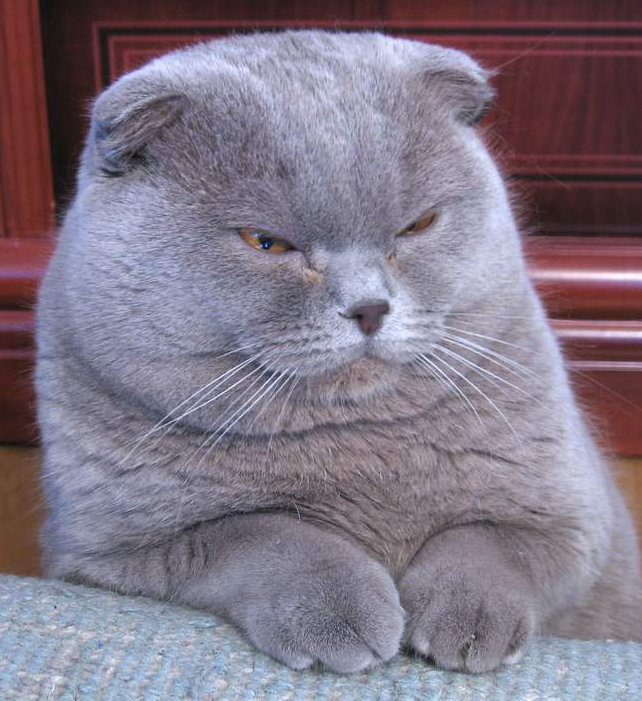
The unique folded appearance of Scottish Fold ears is caused by a dominant genetic mutation in a gene known as TRPV4. This gene plays a critical role in the development and maintenance of cartilage, the flexible tissue that gives structure to the ears, joints, and other parts of the body. In Scottish Folds, a single copy of the mutated gene interferes with the normal formation of ear cartilage, causing the ear to bend forward and droop, creating the breed’s signature look.
How the Mutation Works
To understand the mechanics, it helps to know that a cat’s ear is normally supported by rigid cartilage that keeps it erect. In the Scottish Fold, the TRPV4 mutation disrupts the transport of calcium and other molecules into cartilage cells. This disruption weakens the structural integrity of the cartilage, particularly in the pinna (the outer ear). As a result, the ear cannot stand upright and instead folds neatly forward, often described as a “cap” shape. The mutation is autosomal dominant, meaning that a cat only needs one copy of the gene from either parent to develop folded ears.
The Role of the “Fold Gene”
Breeders and geneticists often refer to this as the “fold gene.” Importantly, not all offspring from a folded-ear parent will inherit the trait. A classic breeding pairing—one folded-ear cat with one straight-eared cat—will produce roughly 50% kittens with folded ears and 50% with normal, straight ears. Kittens that inherit two copies of the gene (homozygous) are prone to severe skeletal issues, which is why responsible breeders never mate two folded-eared cats together. This careful genetic management is essential for the health of the breed.
Scottish Fold Ears: From Farm Cat to Global Phenomenon
The story of the Scottish Fold ears begins in 1961, when a white barn cat named Susie was discovered on a farm near Coupar Angus in Tayside, Scotland. Susie had naturally folded ears, a trait that caught the eye of a local shepherd and cat enthusiast named William Ross. When Susie had kittens, two of them—Snooks and her unnamed sister—inherited the folded ears. Ross, along with a geneticist named Pat Turner, began a breeding program to establish the new breed, which was initially called the “lop-eared” cat, after the rabbit breed.
Early Breeding and Recognition
The breed faced early challenges. In 1971, the Governing Council of the Cat Fancy (GCCF) in Britain stopped registering Scottish Folds due to concerns about ear infections and potential deafness. However, the breed found a new home in the United States, where breeders worked to expand the gene pool by outcrossing with British Shorthairs and American Shorthairs. By 1978, the Cat Fanciers’ Association (CFA) granted the Scottish Fold championship status. Today, the breed is recognized by most major cat registries worldwide, though it remains controversial in some countries, including parts of Europe, due to health concerns linked to the same genetic mutation that creates the folded ears.
Variations in Ear Fold
Not all Scottish Fold ears look exactly the same. Breeders categorize the folds into three types: single fold, where the ear tips barely bend forward; double fold, where the ear folds more prominently; and triple fold, where the ear lies flat against the head, creating the tight, rounded “cap” that is most prized in show rings. The degree of folding is influenced by genetics and can vary even among littermates. The ears typically begin to fold around 18 to 21 days after birth, and the final fold is usually set by the time the kitten is 12 weeks old.
Health Implications Linked to Scottish Fold Ears
While the folded ears are undeniably charming, they are a visible marker of a deeper skeletal condition known as osteochondrodysplasia. This is a developmental abnormality that affects cartilage and bone formation throughout the body, not just in the ears. The same TRPV4 mutation that bends the ear can also cause painful arthritis, fused tail vertebrae, and shortened, deformed limbs in affected cats.
Osteochondrodysplasia Explained
Osteochondrodysplasia is a genetic disorder that impairs the normal growth and function of cartilage. In Scottish Folds, this can lead to a range of symptoms, including lameness, stiffness, reluctance to jump, and a characteristically short, thick tail that is often immobile. Radiographs (X-rays) of affected cats may show bone spurs, narrowed joint spaces, and abnormal bone growth around the joints. The condition is progressive, meaning it worsens with age, and can significantly reduce a cat’s quality of life if not managed carefully.
Breeding Ethics and Health Management
Because the folded ear trait is linked to this painful condition, many ethical breeders now follow strict guidelines. They only breed heterozygous cats (those with one copy of the fold gene) to straight-eared cats, ensuring that no kitten inherits two copies of the mutation. Even then, all Scottish Folds with folded ears will develop some degree of osteochondrodysplasia. Responsible owners must be prepared for potential veterinary care, including joint supplements, anti-inflammatory medications, and sometimes surgery to manage pain. The average lifespan of a Scottish Fold is 11 to 15 years, though those with severe skeletal issues may have shorter lives.
Physical and Behavioral Traits Beyond the Ears
Beyond their famous ears, Scottish Folds are medium-sized cats with a rounded, sturdy build. Males typically weigh 9 to 13 pounds, while females are slightly smaller at 6 to 9 pounds. They have large, round eyes that give them an expressive, wide-eyed look, and their coats can be short or long, with colors ranging from solid white and black to tabby, calico, and pointed patterns. The breed’s diet should be high-quality, protein-rich cat food, with careful portion control to prevent obesity, which can exacerbate joint issues.
Temperament and Behavior
Scottish Folds are renowned for their sweet, gentle, and affectionate nature. They are often described as “lap cats” that enjoy being close to their human companions. They are not overly demanding or hyperactive, but they do appreciate interactive play and puzzle toys. One of their most endearing quirks is their tendency to sit in a “Buddha” pose—sitting up on their haunches with their paws tucked in—or to sleep on their backs. They are also known for their soft, melodic voices and are generally good with children and other pets, including cat-friendly dogs.
Adaptability and Habitat
As a domesticated breed, Scottish Folds thrive in indoor environments. They are not suited to outdoor living due to their reduced agility and potential joint pain. Their habitat should include comfortable perches, soft bedding, and low-sided litter boxes for easy access. They are moderately active and enjoy climbing, but owners should provide ramps or steps to help them reach high places without jumping, which can stress their joints. The breed adapts well to apartment living as long as they receive daily attention and enrichment.
Caring for a Scottish Fold with Folded Ears
Caring for a Scottish Fold requires a proactive approach to health and hygiene, specifically tailored to the unique needs of their folded ears and skeletal structure. Regular veterinary check-ups are essential, ideally every six months, to monitor for early signs of arthritis. Owners should also be vigilant about ear care, as the folded shape can trap moisture and debris, increasing the risk of infections.
Ear Cleaning and Grooming
Because Scottish Fold ears fold forward, the ear canal is partially covered, creating a warm, dark environment conducive to yeast and bacterial overgrowth. Owners should gently clean the ears once a week using a vet-recommended ear cleaner and cotton balls (never cotton swabs, which can damage the ear canal). Look for signs of redness, discharge, or a foul odor, and consult a veterinarian if any issues arise. Grooming for long-haired Scottish Folds requires brushing two to three times a week to prevent mats, while short-haired varieties need only weekly brushing.
Exercise and Pain Management
To support joint health, provide low-impact exercise opportunities, such as wand toys, laser pointers, and treat-dispensing puzzles. Avoid encouraging high jumps; instead, place cat trees and beds at accessible heights. Many owners find that glucosamine and chondroitin supplements help maintain cartilage health, while some cats benefit from omega-3 fatty acids to reduce inflammation. In more advanced cases, a veterinarian may prescribe pain relief medications or recommend physical therapy, such as gentle massage or hydrotherapy.
Real Examples and Famous Scottish Folds
The Scottish Fold’s unique appearance has made it a favorite in popular culture. Perhaps the most famous Scottish Fold is Maru, a Japanese internet sensation known for his love of cardboard boxes. Maru’s videos have been viewed hundreds of millions of times, showcasing the breed’s playful and curious nature. Another well-known Fold is Taylor Swift’s cat, Olivia Benson, who has appeared in music videos and on social media, further cementing the breed’s status as a celebrity companion. In the world of competitive cat shows, a Scottish Fold named GC, BW, NW SGC*CA Dreamweaver’s Precious Cargo (often called “Precious”) won multiple regional and national titles in the early 2000s, demonstrating the breed’s show potential.
Conclusion: Understanding and Respecting the Scottish Fold Ears
The folded ears of the Scottish Fold are a remarkable example of how a single genetic mutation can create a beloved aesthetic while also posing significant health challenges. Understanding why Scottish Fold ears fold—and what that means for the cat’s overall well-being—is crucial for anyone considering bringing one of these gentle, affectionate animals into their home. Responsible ownership requires a commitment to ethical breeding, attentive healthcare, and a deep respect for the cat’s unique physical needs. When cared for properly, a Scottish Fold can be a loyal, loving companion for many years, its distinctive ears a constant reminder of the delicate balance between beauty and biology in the animal world.
❓ Frequently Asked Questions
💬 What causes Scottish Fold cats to have folded ears?
A dominant genetic mutation called osteochondrodysplasia affects cartilage development, causing the ear cartilage to fold forward and downward, giving the breed its signature folded ears.
💬 Are all Scottish Fold cats born with folded ears?
No, kittens are born with straight ears, and the fold typically develops around three to four weeks of age as the cartilage begins to deform.
💬 Can Scottish Fold cats have health problems from their folded ears?
Yes, the same genetic mutation that causes ear folding can also lead to painful joint issues like osteochondrodysplasia, which may cause arthritis and mobility problems.
💬 Do Scottish Fold cats hear normally despite their folded ears?
Yes, their hearing is generally normal because the inner ear structures are unaffected, though the folded shape can sometimes trap dirt and increase the risk of ear infections.