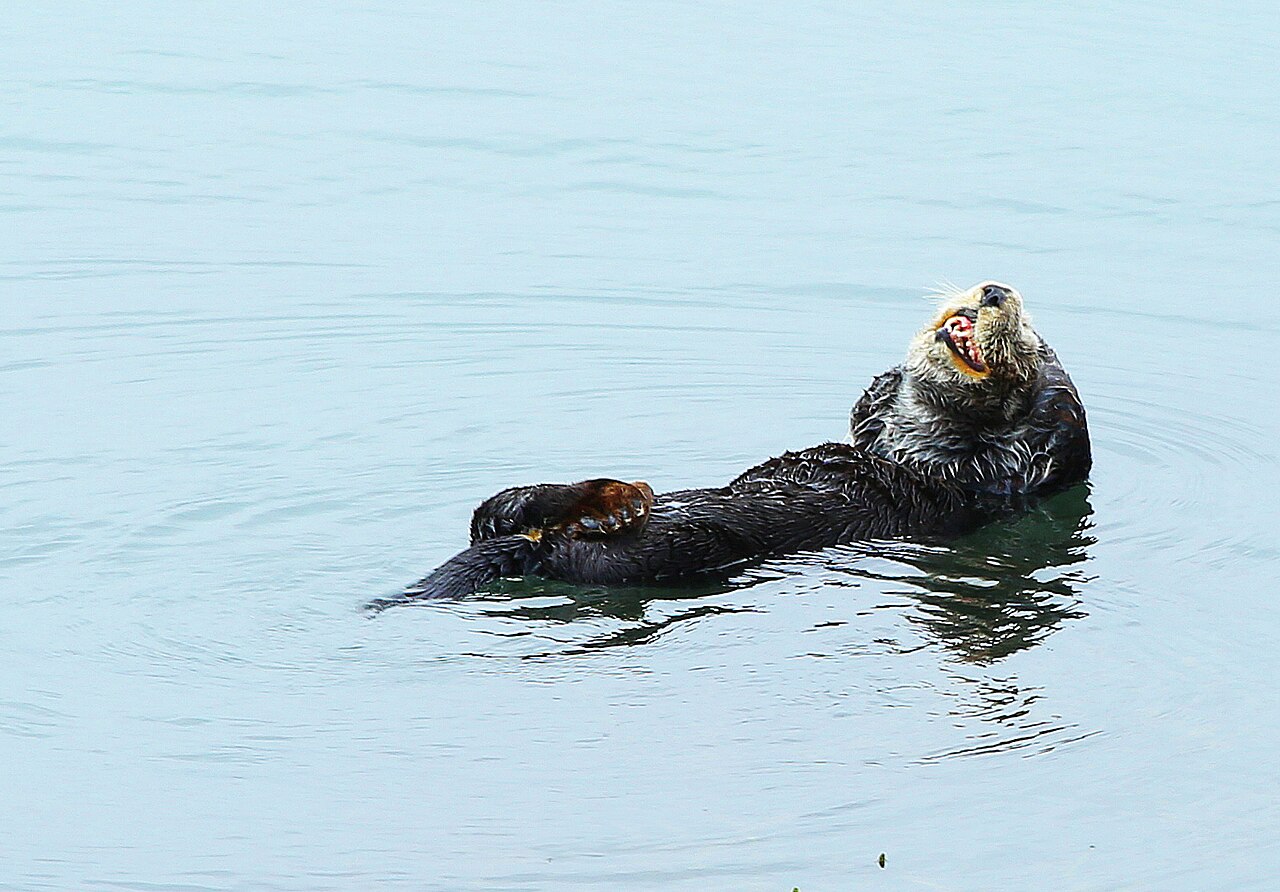
- The Short Answer: Why Do Sea Otters Hold Hands?
- It Is Not Always Literal Hand-Holding
- Sea Otters Hold Hands to Avoid Drifting Away
- Kelp: The Other Anchor
- The Social Side of Sea Otters Hold Hands Behavior
- Mothers and Pups
- How Sea Otters Live: A Quick Biology Refresher
- Diet and Habitat
- Lifespan and Reproduction
- Common Myths About Sea Otters Holding Hands
- What the Research Says
- Why This Behavior Captures Our Imagination
- Conservation Context
- The Sweet Truth, Summed Up
- ❓ Frequently Asked Questions
If you have ever watched a raft of sea otters drifting on their backs in a kelp bed, you have probably noticed something that looks almost human: many of them appear to be holding hands. The question of why sea otters hold hands has charmed wildlife lovers, inspired viral videos, and even sparked a few romantic myths. The truth is just as appealing as the myth, but it is rooted in some of the most fascinating survival strategies in the animal kingdom. Sea otters hold hands for a mix of practical, social, and biological reasons, and each one reveals something remarkable about how these marine mammals live, eat, sleep, and raise their young.
The Short Answer: Why Do Sea Otters Hold Hands?
At its core, hand-holding among sea otters is a way to stay together. Sea otters spend most of their lives floating on the surface of the ocean, resting, grooming, and digesting food. They sleep in the water too, often for hours at a stretch. Because the ocean has currents, tides, and wind, a sleeping otter can drift away from its companions or from the safety of a kelp bed. Holding hands, or simply touching paws, keeps the group anchored to one another.
There is a second layer to the behavior that is just as important. Sea otters are highly social animals that live in groups called rafts. Physical contact reinforces social bonds, reduces stress, and helps mothers keep track of their pups. So when sea otters hold hands, they are doing two jobs at once: staying safe and staying connected.
It Is Not Always Literal Hand-Holding
One detail worth clarifying is that otters do not always interlock their paws the way the famous photographs suggest. Often, they simply rest a paw on a neighbor's paw or body, or they wrap themselves in kelp and float close together without touching at all. The iconic image of two otters clasping paws is real, but it is one expression of a broader habit of staying in contact. In large rafts, you will see a tangle of touching paws, bodies pressed together, and kelp fronds draped over many animals at once.
Sea Otters Hold Hands to Avoid Drifting Away
The ocean is a restless environment. Even in sheltered coastal waters, tidal currents and wind constantly push floating objects along. A sea otter is essentially a floating object, and a sleeping one cannot swim or correct its position. Without a way to anchor itself, an otter could drift miles from its feeding grounds or from the group it depends on for safety.
Holding hands solves that problem elegantly. When several otters link paws, their combined mass and the friction between them make the whole group harder to move. The otter on the edge of the raft may still drift, but it will tug its neighbors along rather than being swept away alone. The group acts a bit like a living anchor.
Kelp: The Other Anchor
Hand-holding is not the only anchoring trick in the sea otter playbook. Otters also wrap themselves in giant kelp, draping strands of the seaweed over their bodies like a blanket. Kelp is attached to the seafloor, so an otter tangled in it stays put while it sleeps. Many otters use both strategies at once: they wrap in kelp and hold paws with neighbors. This double security is especially common in areas with strong currents, such as the kelp forests off the coast of California.
The Social Side of Sea Otters Hold Hands Behavior
Sea otters are among the most social of all marine mammals, and touch is central to their relationships. Rafts can range from just a few animals to groups of more than a hundred in places where food is abundant. Within these rafts, otters groom each other, play, and rest in close contact. Hand-holding and paw-touching are part of that physical vocabulary.
Social grooming, sometimes called allogrooming, is a big deal for otters. Their fur is the key to their survival, and keeping it clean and oiled is a constant job. By grooming each other and staying in contact, otters strengthen bonds that help them cooperate and tolerate close quarters. Physical contact also appears to calm them, which matters for animals that must remain alert to predators and competitors even while resting.
Mothers and Pups
The most touching examples of contact involve mothers and their pups. A mother sea otter often carries her pup on her chest while she floats on her back. When she needs to dive for food, she may leave the pup floating on the surface, sometimes wrapped in kelp to keep it from drifting. In some cases, mothers have been observed holding their pup's paw or keeping it close while resting. The bond between mother and pup is intense: pups stay with their mothers for roughly six to eight months, and during that time the mother is the pup's entire world.
How Sea Otters Live: A Quick Biology Refresher
To appreciate why holding hands matters so much, it helps to understand the animal itself. The sea otter (Enhydra lutris) is the heaviest member of the weasel family, the mustelids. Adult males can weigh up to about 45 kilograms (roughly 100 pounds) and reach around 1.5 meters (about 5 feet) in length, while females are somewhat smaller. They are found along the North Pacific coast, from Japan and Russia across to Alaska, British Columbia, Washington, Oregon, and California.
Unlike seals and whales, sea otters have no thick layer of blubber. Instead, they rely on an incredibly dense coat of fur, with up to a million hairs per square inch, to trap air and keep warm. That fur is why grooming is a matter of life and death: if the coat becomes matted or oily, the otter loses insulation and can die of hypothermia. Sea otters also have a very high metabolism. They must eat frequently, consuming roughly a quarter of their body weight each day.
Diet and Habitat
Sea otters are carnivores that feed on sea urchins, crabs, clams, mussels, abalone, snails, and occasionally fish. They are one of the few tool-using marine mammals: they use rocks to crack open hard-shelled prey, often balancing the rock on their chest while floating on their backs. This is another reason floating stability matters so much. An otter that is busy smashing a clam needs to stay in one place, and its neighbors can help with that.
Their habitat is typically shallow coastal waters, especially kelp forests and rocky reefs. Kelp forests provide food, shelter, and anchoring points. Sea otters are a keystone species in these ecosystems. By eating sea urchins, they keep urchin populations in check and protect kelp forests from being overgrazed. Where otters have been wiped out, urchin barrens often replace lush kelp forests, a dramatic illustration of their ecological importance.
Lifespan and Reproduction
In the wild, sea otters typically live around 10 to 15 years, though some individuals reach 20 years or more. Females usually give birth to a single pup after a gestation of about six to eight months, and they invest heavily in raising it. Pupping can occur at any time of year, with peaks in some regions. The slow reproductive rate, combined with the historical fur trade that nearly drove the species to extinction, is why sea otter populations remain fragile and are closely monitored.
Common Myths About Sea Otters Holding Hands
Because the behavior looks so affectionate, it has attracted a fair amount of folklore. Sorting fact from fiction helps us appreciate the animals more accurately.
- Myth: Otters hold hands because they are in love. In reality, the behavior is primarily practical. It keeps animals from drifting apart and reinforces social bonds. Romantic attachment, as humans understand it, is not the driver.
- Myth: All otters hold hands all the time. Many otters rest alone, wrap in kelp, or simply float near others without touching. Hand-holding is common but not universal.
- Myth: Hand-holding is a learned trick seen only in captivity. Wild otters in kelp forests and coastal waters show the behavior regularly. It is a natural part of their repertoire.
- Myth: Otters hold hands to stay warm. Contact can reduce heat loss slightly, but the main function is anchoring and social cohesion. Their fur does the heavy lifting for warmth.
What the Research Says
Scientists who study sea otters describe resting rafts as dynamic social groupings. Observations from places like Monterey Bay in California and the Aleutian Islands in Alaska note that otters frequently touch while resting, and that rafts tend to form in predictable locations where kelp and currents allow for stable floating. While hand-holding specifically has not been the subject of extensive controlled experiments, the behavioral evidence is strong: contact helps otters stay put and stay together.
Why This Behavior Captures Our Imagination
Part of the appeal is simple anthropomorphism. When we see two otters clasping paws, we read affection, companionship, and maybe a little romance into the scene. That instinct is natural, and it is not entirely wrong: the behavior does reflect real social bonds. But the deeper story is arguably more impressive. A sea otter holding hands is an animal solving a hard problem with a simple, elegant solution. It is managing a drifting body in a moving ocean, maintaining a social network, and protecting its young, all while floating on its back.
The behavior also fits the sea otter's reputation as one of the most charismatic marine mammals. Otters are playful, expressive, and endlessly photogenic. They juggle rocks, crack clams on their chests, wrap in kelp like burritos, and nap in rafts. Hand-holding is one more behavior that makes them seem relatable, and relatability is a powerful conservation tool. People protect what they love, and sea otters are easy to love.
Conservation Context
Sea otters were hunted to the brink of extinction for their fur during the 18th and 19th centuries. Populations in California, in particular, fell to a tiny fraction of their historic numbers. Thanks to international protection and reintroduction efforts, some populations have recovered, but others remain endangered or threatened. The southern sea otter in California is still listed as threatened under the U.S. Endangered Species Act. Threats include oil spills, entanglement in fishing gear, disease, and habitat loss. Protecting kelp forests and coastal waters protects the animals that depend on them, including the otters that hold hands while they sleep.
The Sweet Truth, Summed Up
Sea otters hold hands for reasons that are both practical and social. The behavior keeps them from drifting apart in currents and tides, reinforces the bonds that hold rafts together, and helps mothers stay close to their pups. It is not a romantic gesture in the human sense, but it is a genuine expression of connection and survival in a demanding environment. The next time you see a photograph of two otters clasping paws, you will know the full story: a small, charming behavior that helps one of the ocean's most remarkable animals stay safe, warm, and together.
❓ Frequently Asked Questions
💬 Why do sea otters hold hands?
Sea otters hold hands primarily to avoid drifting apart while they rest or sleep on the water's surface. Rafting together and holding paws keeps the group anchored, so individuals don't float away from the safety of the group.
💬 Do sea otters hold hands while sleeping?
Yes, sea otters often hold hands or wrap themselves in kelp while sleeping so they don't drift away with currents or tides. Mothers also frequently hold their pups on their chest while resting, which keeps the pup secure.
💬 Do all sea otters hold hands, or just some?
Holding hands is most common among otters resting together in groups called rafts, and it's especially seen between mothers and pups. Not every otter does it all the time; kelp wrapping is another common way they anchor themselves.
💬 Is holding hands a sign of affection in sea otters?
It's mainly a practical behavior for staying together and staying safe, though it also reinforces social bonds within a raft. So while it looks affectionate to us, its core purpose is keeping the group from drifting apart.